

July 25, 2026
Hotel Okura Kyoto Okazaki Bettei – Or, The Last Argument for True Luxury
There are places that receive you. There are places that recognize you. And then, very rarely, there are places that correct you. At Hotel Okura Kyoto Okazaki Bettei, you are not simply welcomed — you are recalibrated.
Kyoto has always existed in tension with time. A city where the past is neither preserved nor abandoned, but continuously rehearsed. Gesture becomes language; language becomes discipline. In this context, hospitality is not an industry. It is a philosophy — inherited, protected, and, when necessary, defended. Okazaki Bettei stands within that lineage with unusual clarity. It does not attempt to reinterpret Kyoto. It submits to it, and in doing so, achieves something far more difficult: relevance without noise.
A LINEAGE THAT REFUSES TO BREAK
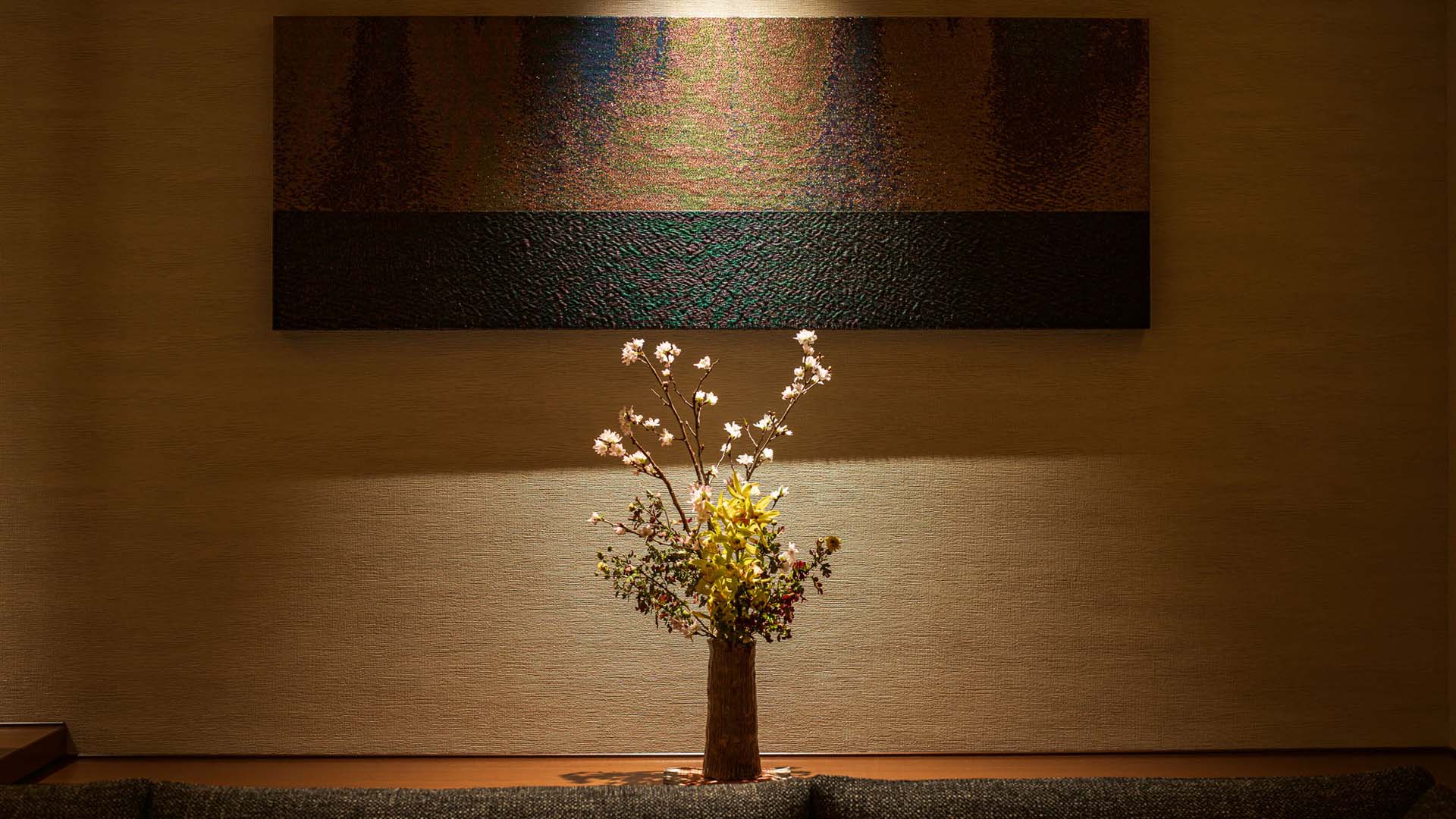
To understand the hotel, one must first understand the original Hotel Okura in Tokyo. Founded in 1962, at a moment when Japan was renegotiating its place in the modern world, Okura resisted the temptation of imitation. While others rushed toward Westernization as performance, Okura chose synthesis—adopting structure without abandoning identity.
This decision defined its legacy. Precision over spectacle. Discipline over trend. Hotel Okura Kyoto Okazaki Bettei is not an expansion of that philosophy. It is its distillation. Smaller in scale, sharper in execution, almost monastic in its restraint. It is not designed to accommodate everyone. It is designed to reward attention.
ARRIVAL – THE ERASURE OF EFFORT
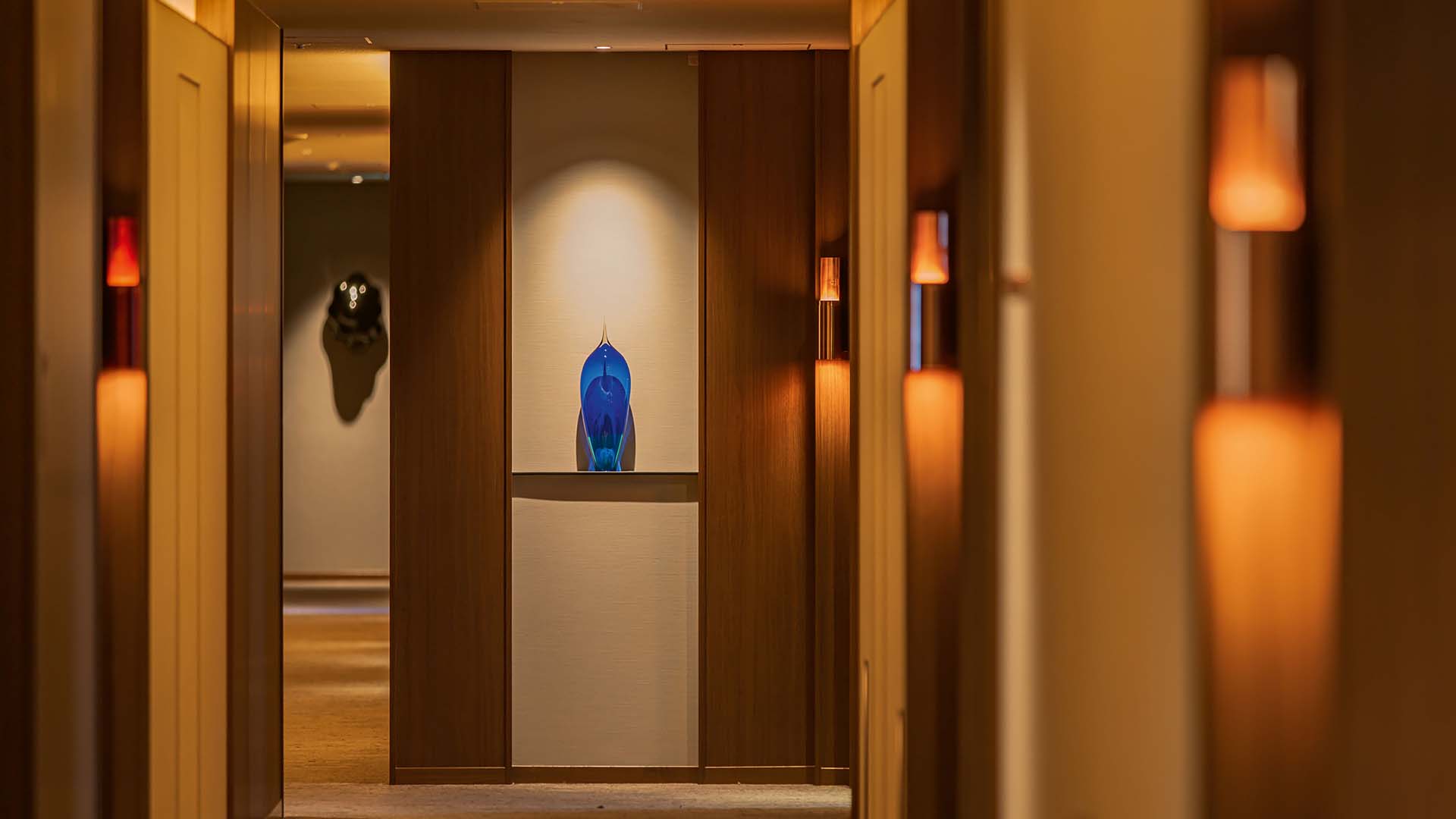
I remember the arrival not as a moment, but as a subtraction. Effort disappeared. There was no friction, no hesitation. My name existed before I spoke it. My presence had already been integrated into the system. This is where most luxury fails — it confuses excess with care, volume with value. Here, care is invisible. A door opens at the exact moment it should. A gesture is completed without emphasis. Silence is allowed to exist without being filled. Nothing asks for attention. Everything earns it.
THE SUITE – ARCHITECTURE THAT THINKS
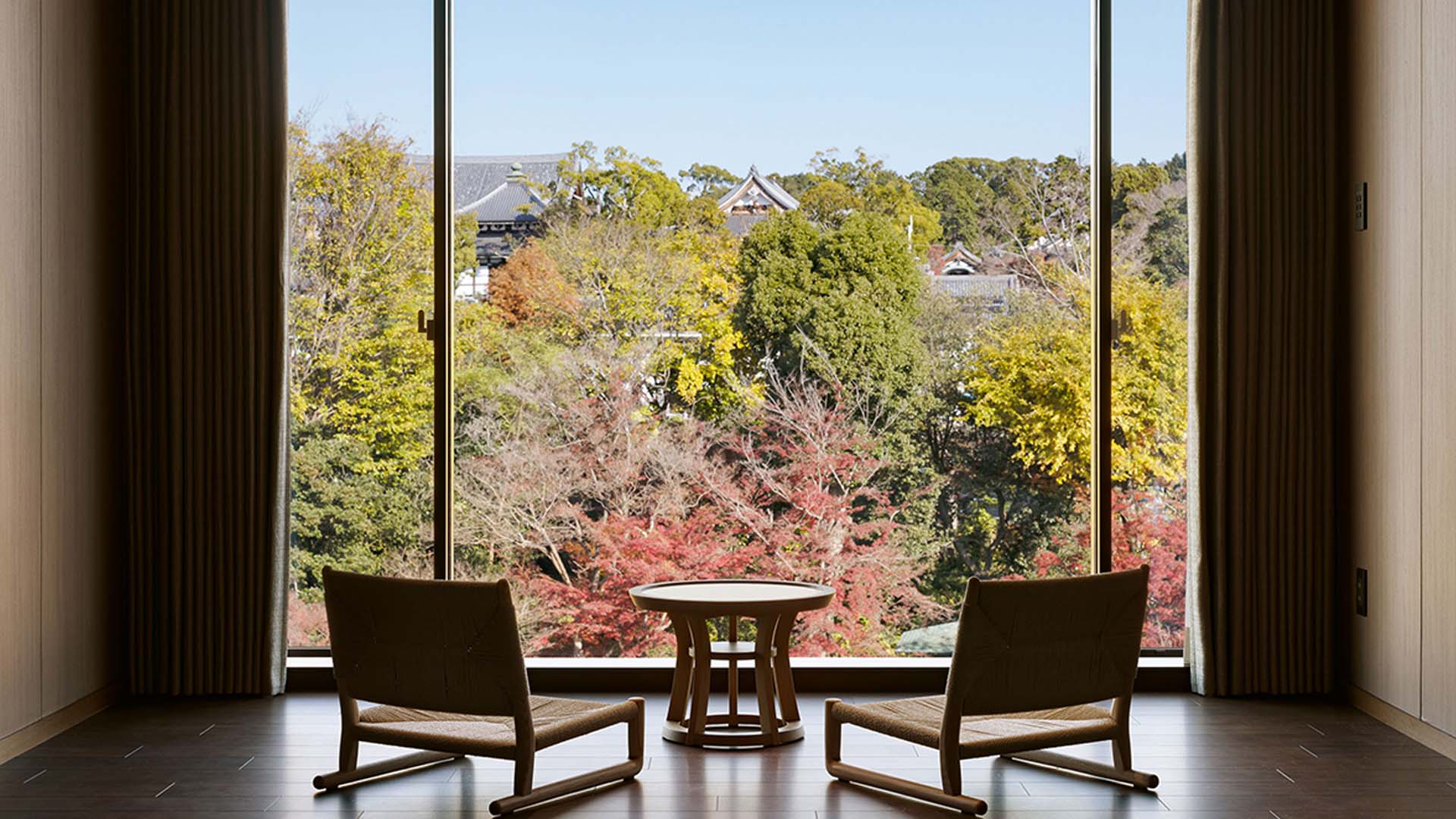
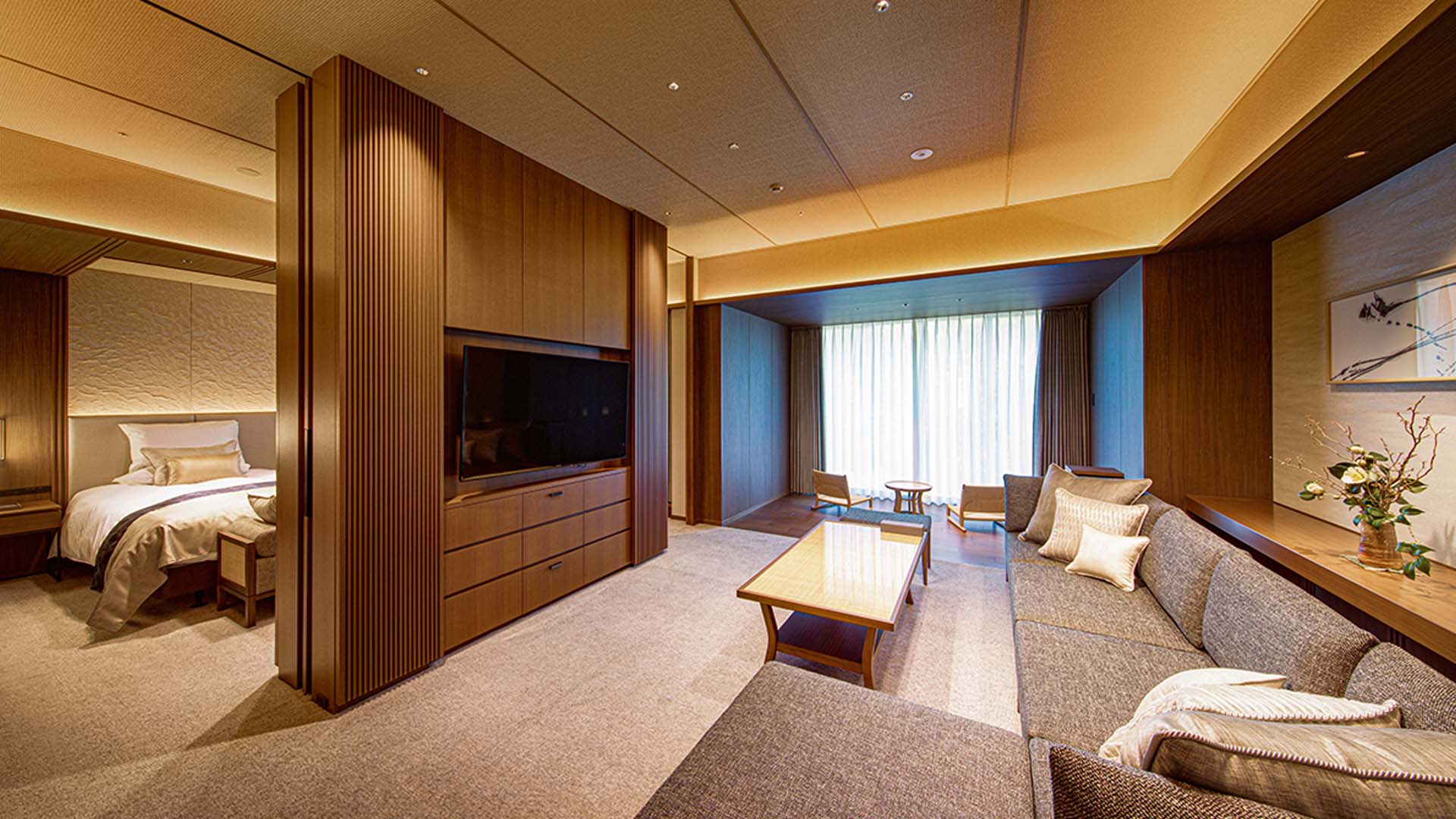
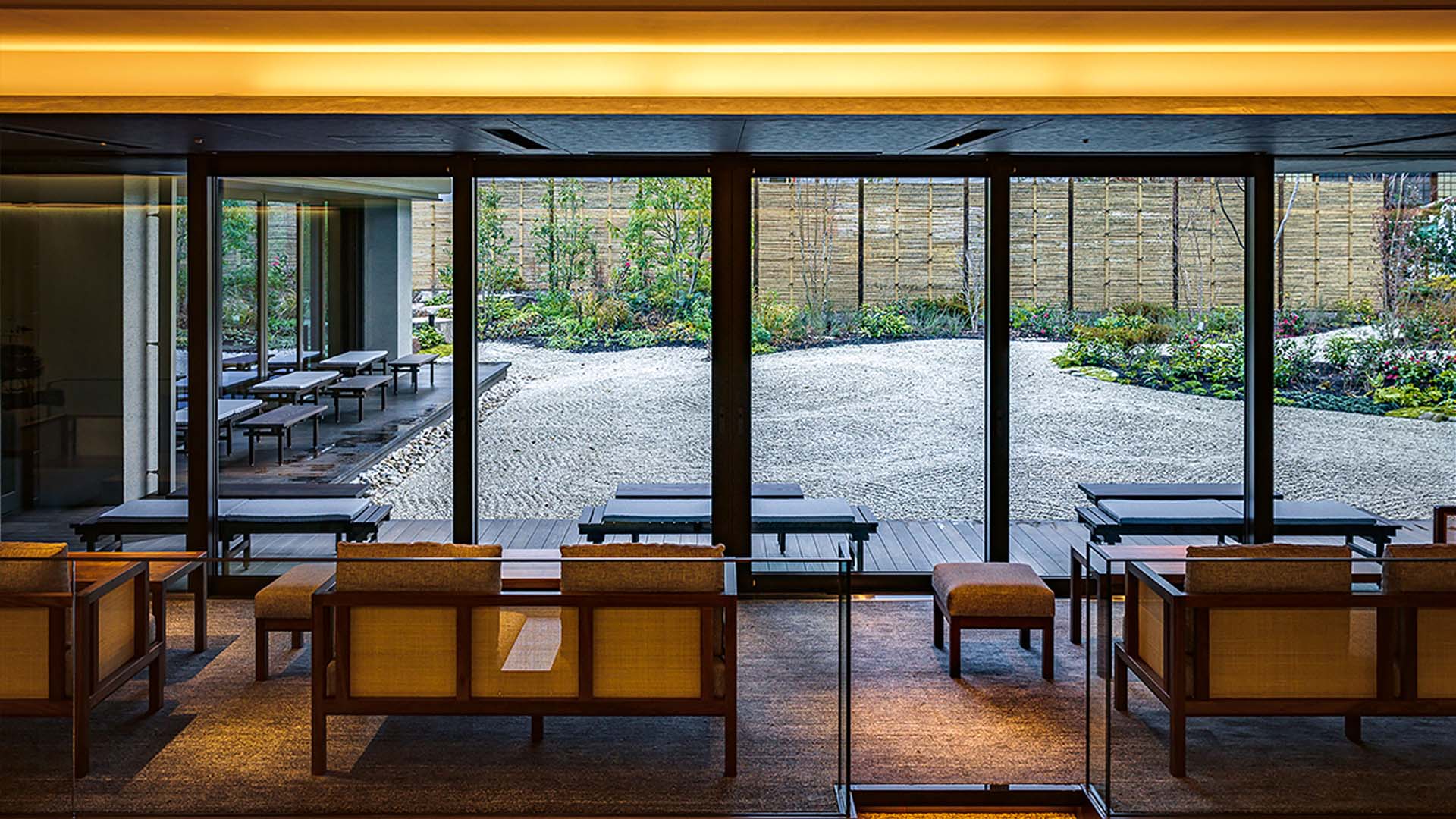
Five days inside the suite, and it never fully revealed itself. Because it is not designed to be understood quickly. It is designed to be inhabited. The architecture operates through subtraction. Lines are clean, but never sterile. Materials — wood, stone, textile — are chosen not for appearance, but for behavior. They absorb light, regulate sound, carry temperature. The room does not impose itself. It negotiates with you. And then, the view. A garden composed with restraint — moss, stone, negative space. Beyond it, the quiet authority of Okazaki Betsuin Temple. The message is subtle, but unmistakable: You are not the center here. You are a temporary alignment within something older, slower, and far more precise.
TIME, EXPANDED
Luxury hotels often accelerate experience — more options, more stimulation, more immediacy. This place does the opposite. It removes. And in that removal, time expands. Mornings are not transitions. They are states of awareness. Light enters gradually, almost cautiously. Evenings dissolve rather than end. Simple acts — preparing tea, opening a sliding panel, sitting in silence — gain weight. You begin to notice something uncomfortable: What we often call luxury is, in fact, distraction. Here, there is nowhere to hide. Only presence.
SERVICE – PRECISION WITHOUT PERFORMANCE
At Hotel Okura Kyoto Okazaki Bettei, service is not theatrical. It is structural. It operates like an invisible architecture — supporting, adjusting, anticipating, but never asserting itself. Every interaction carries restraint. Language is minimal. Tone is exact. Timing is flawless. There is pride here — but not the kind that announces itself. A quieter form, closer to duty than to display.
One begins to sense something almost imperial in its discipline. Not in hierarchy, but in responsibility. Every gesture matters. Because it belongs to a system larger than the individual performing it.
GASTRONOMY – THE ETHICS OF EXACTNESS
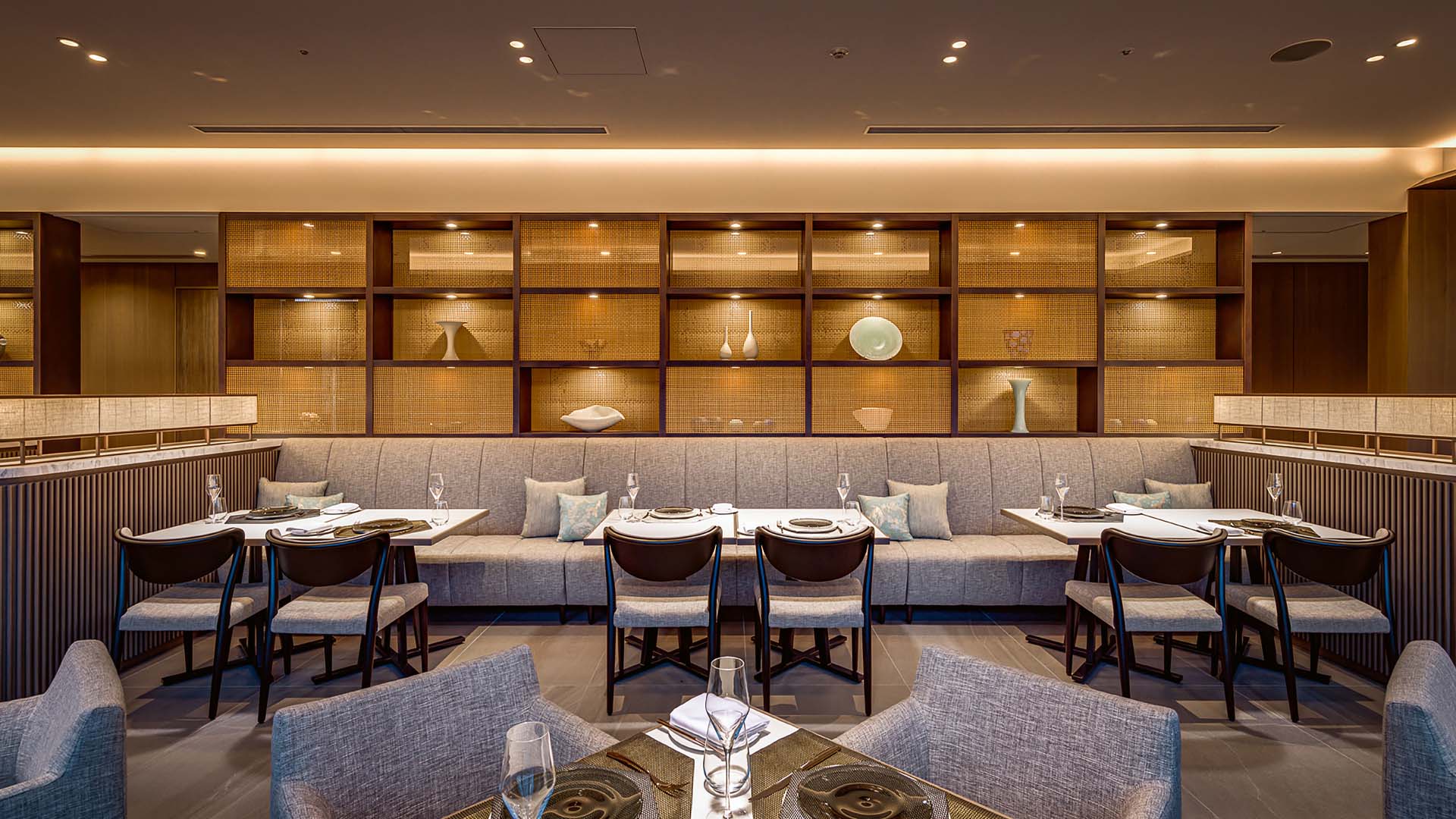
Dining here follows the same philosophy. Restraint is not an aesthetic choice. It is an ethic. Breakfast becomes a study in precision. Executed with exactness that borders on the absolute. Each element arrives at the correct temperature, the correct texture, the correct proportion. Nothing attempts to surprise. Everything attempts to be correct. And in that correctness, something deeper emerges: trust. You understand that every decision has already been made — and made well. This is not cuisine designed for spectacle. It is designed for continuity.
KYOTO, RECALIBRATED
Kyoto, in its density, can overwhelm. Too much beauty, too concentrated. But from Hotel Okura Kyoto Okazaki Bettei, the city becomes legible. You move differently. Slower. With intent. A walk to Okazaki Betsuin Temple is not an activity — it is a continuation. The rhythm of the hotel extends beyond its walls. You are no longer consuming Kyoto. You are participating in it.
A NECESSARY CRITIQUE
At some point, the experience forces a comparison. Because places like this expose a difficult truth: Much of contemporary luxury is performative. It prioritizes visibility over depth. Impact over meaning. Hotel Okura Kyoto Okazaki Bettei rejects this entirely. It does not seek attention. It does not seek validation. It does not adapt itself to the pace of the outside world. And in that refusal, it becomes something increasingly rare: Authentic.
WHAT REMAINS
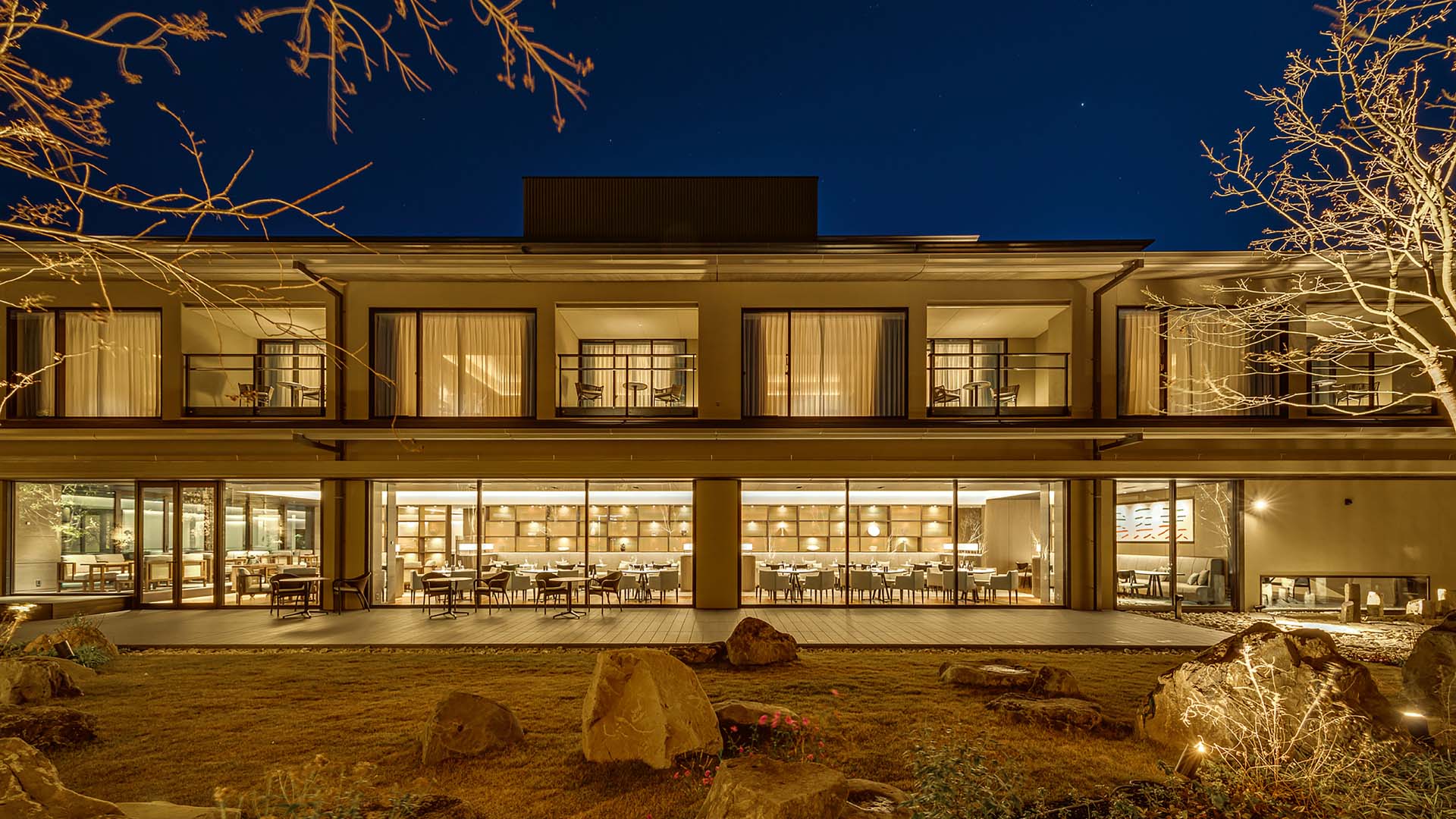
Departure is inevitable. But the effect lingers. Not as nostalgia, but as recalibration. Standards shift. Tolerance for noise diminishes. You begin to recognize excess for what it is — compensation. And in that recognition, something changes. Because true luxury, as this place demonstrates, is not what is given. It is what is removed, until only the essential remains.
Hôtel Okura Kyoto Okazaki Bettei, 26-6 Okazaki Tennocho, Sakyo Ward, Kyoto, 606-8335, Japan
author JVDAS BERRA
images COURTESY