
August 14, 2026
LOUIS VUITTON TAKES THE ROAD
For Louis Vuitton, travel has always meant more than moving from one place to another. Since 1854, the Maison has built its identity around travel, transforming the objects that accompany it into expressions of savoir-faire, functionality, and personality. Its new collaboration with California-based atelier Singer brings this philosophy into unexpected territory: the automobile.
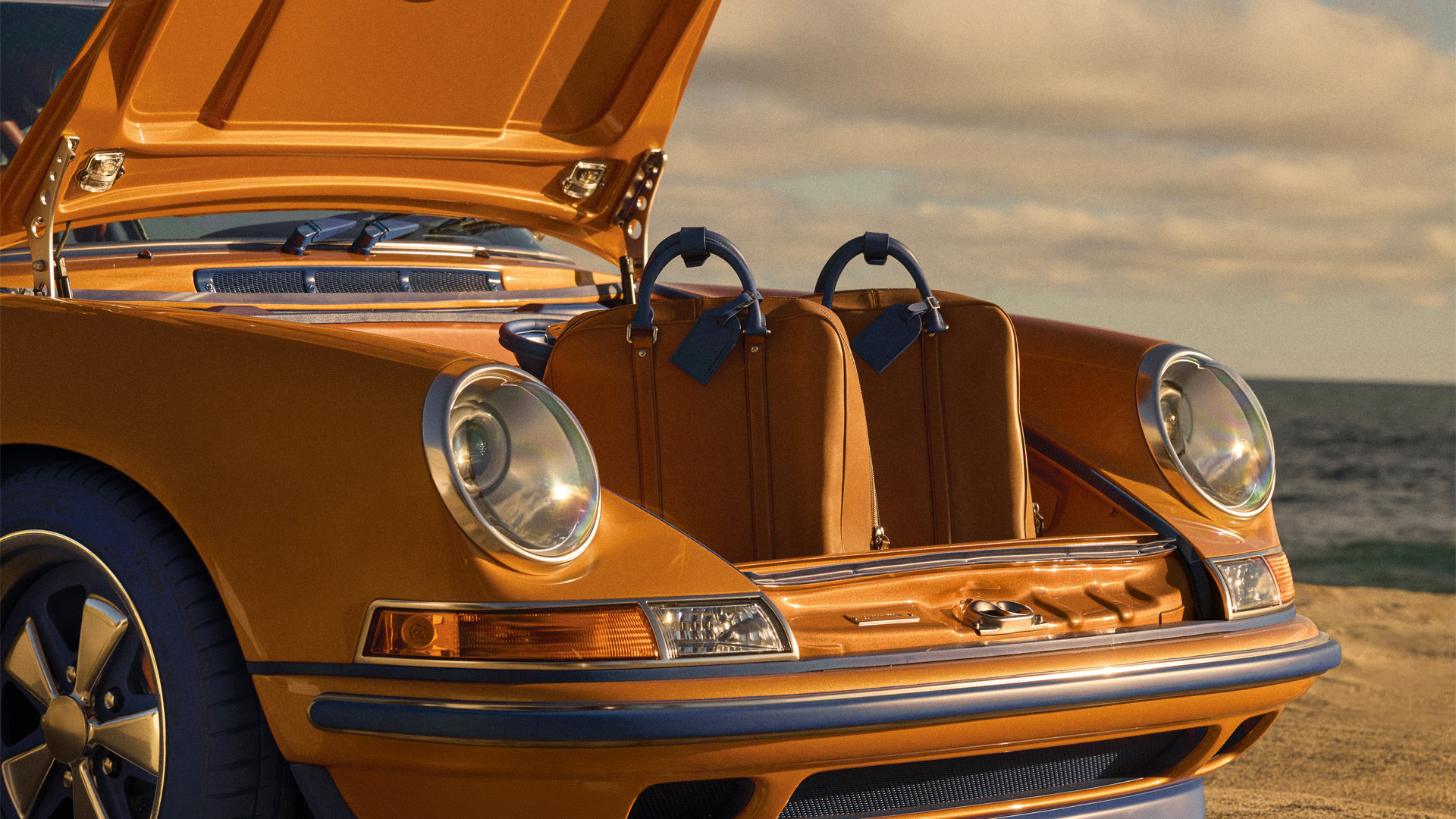
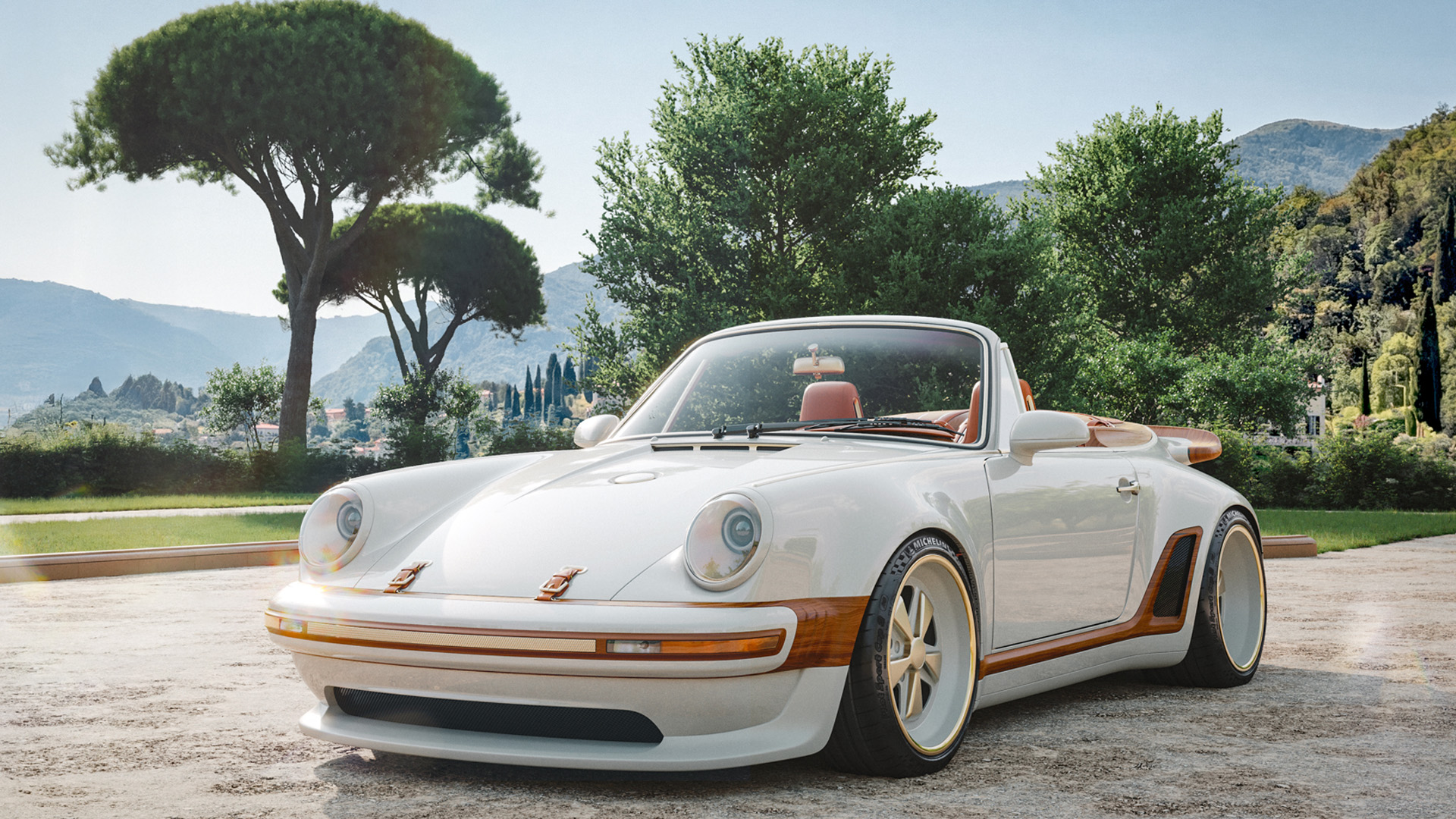
The project brings together two Porsche 911 Reimagined by Singer, each developed from a different perspective. The first, created through Singer’s Classic services, is finished in Louis Vuitton’s saffron and cobalt blue tones. The second, a Classic Turbo cabriolet, was conceived under the creative direction of Nicolas Ghesquière, Artistic Director of Women’s Collections at Louis Vuitton.
The collaboration began with an apparently modest object: a dashboard clock. Designed by the workshops of La Fabrique du Temps Louis Vuitton in Switzerland, the detachable mechanical timepiece takes its cues from the iconic Tambour. What began as a single piece soon evolved into a much broader exploration, bringing the codes of Louis Vuitton watchmaking into the interior of the automobile.
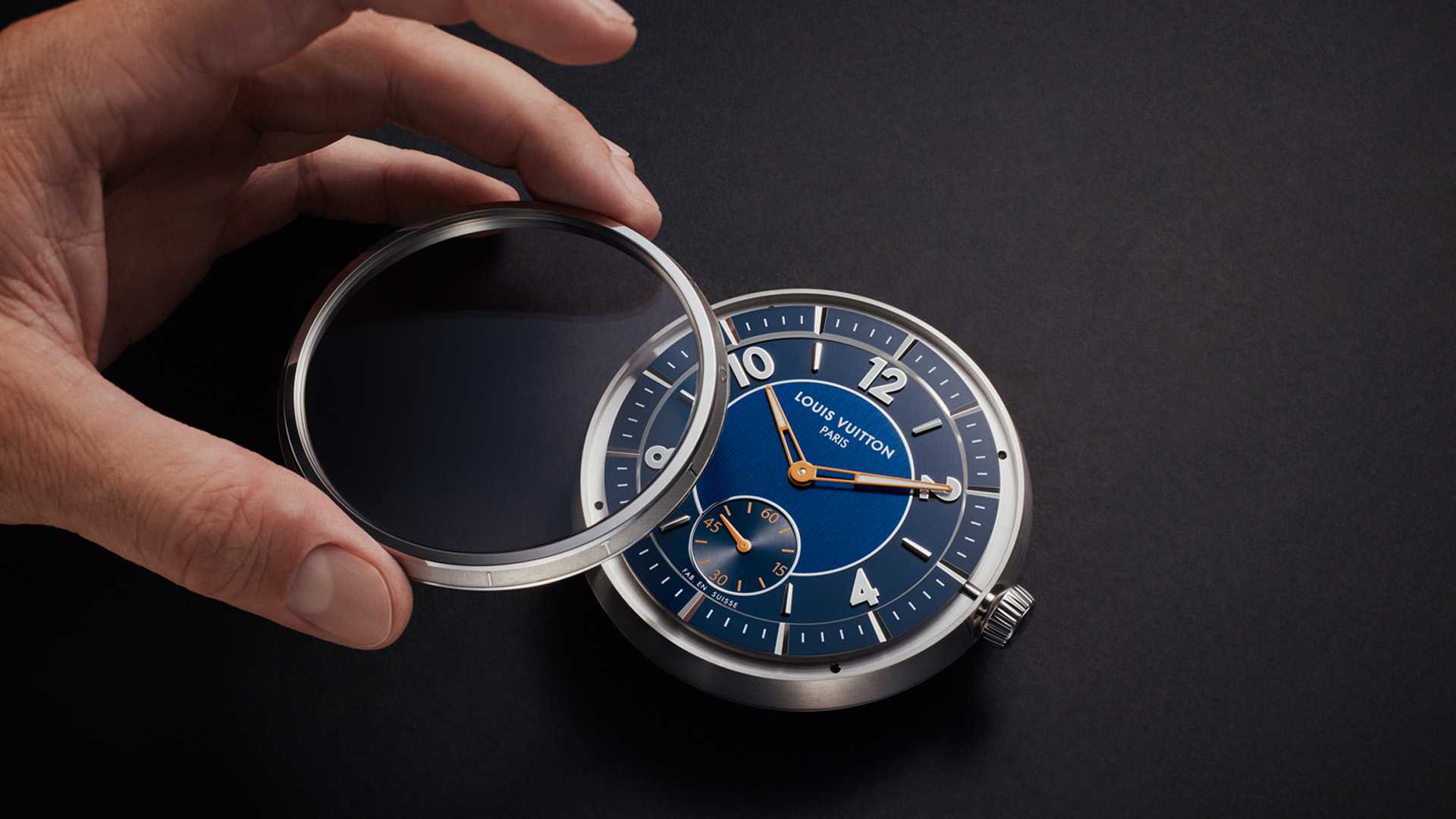
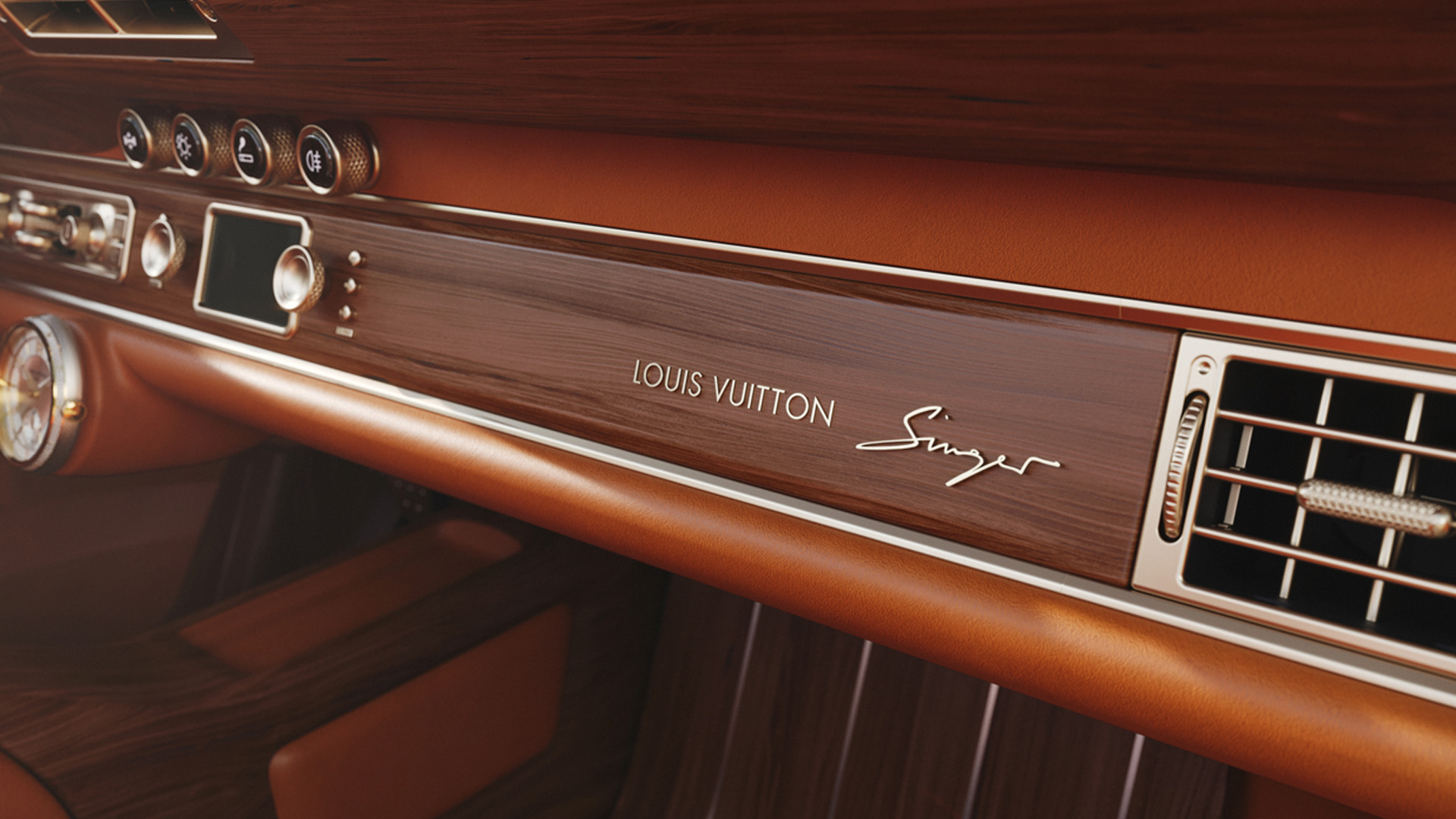
The speedometer, rev counter, and other instruments were redesigned according to the graphic language of the Tambour, while controls, switches, locks, and air vents were crafted in metal and finished using techniques reminiscent of fine watchmaking. Leatherwork, meanwhile, incorporates techniques traditionally used in the creation of Louis Vuitton luggage and leather goods.
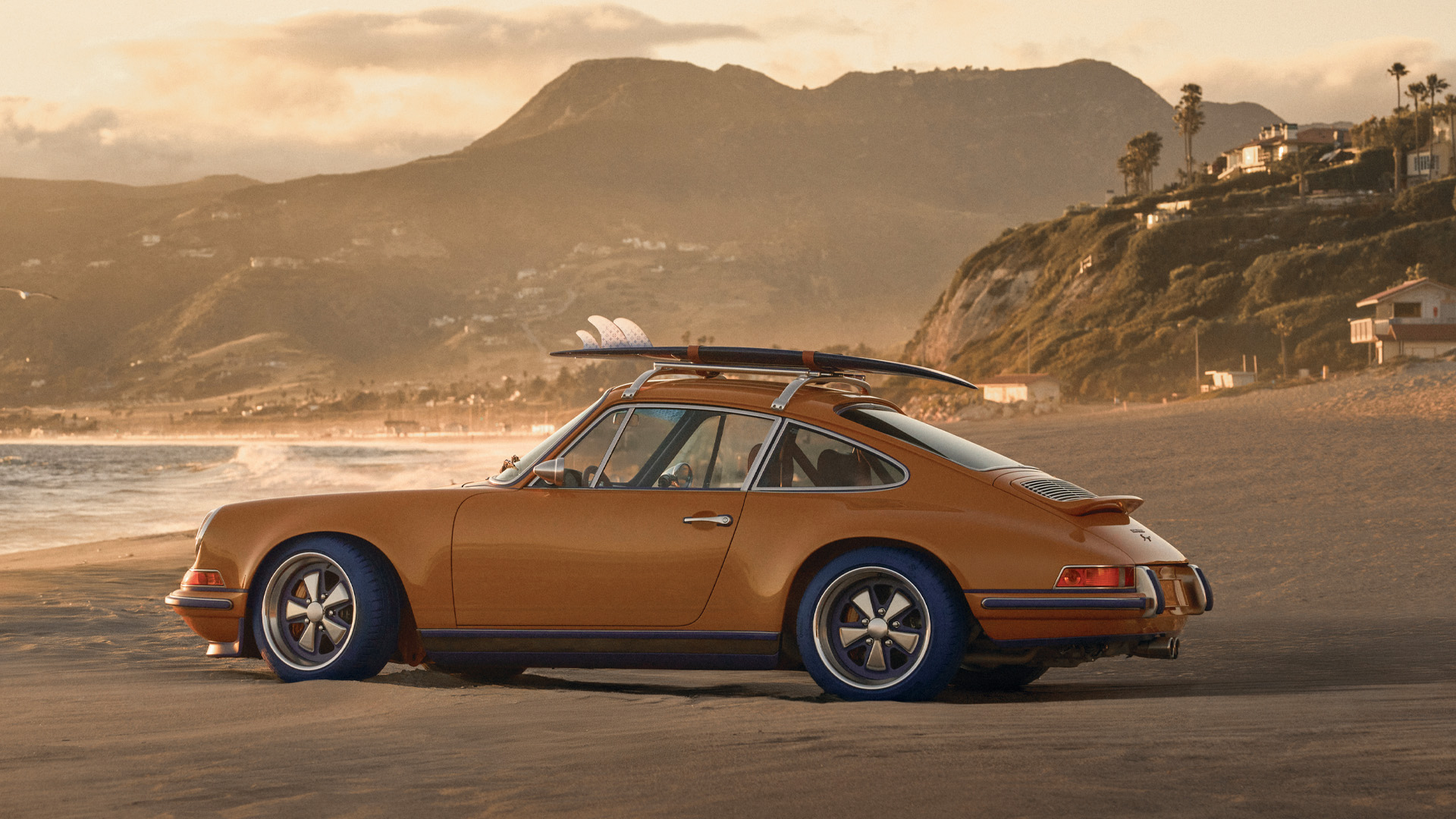
In the coupé, the idea of the Art of Travel is expressed through a saffron and cobalt blue palette that references both the Louis Vuitton archives and its historic relationship with the automotive world. A specially designed roof rack can accommodate a trunk, a surfboard, or a pair of skis, turning the automobile into a natural extension of the journey.
The interior continues this dialogue. Natural leather inspired by VVT leather, yellow stitching, and the malletage pattern characteristic of Louis Vuitton trunk interiors appear alongside Monogram Flower details. Even the most technical components have been treated as objects of craftsmanship.
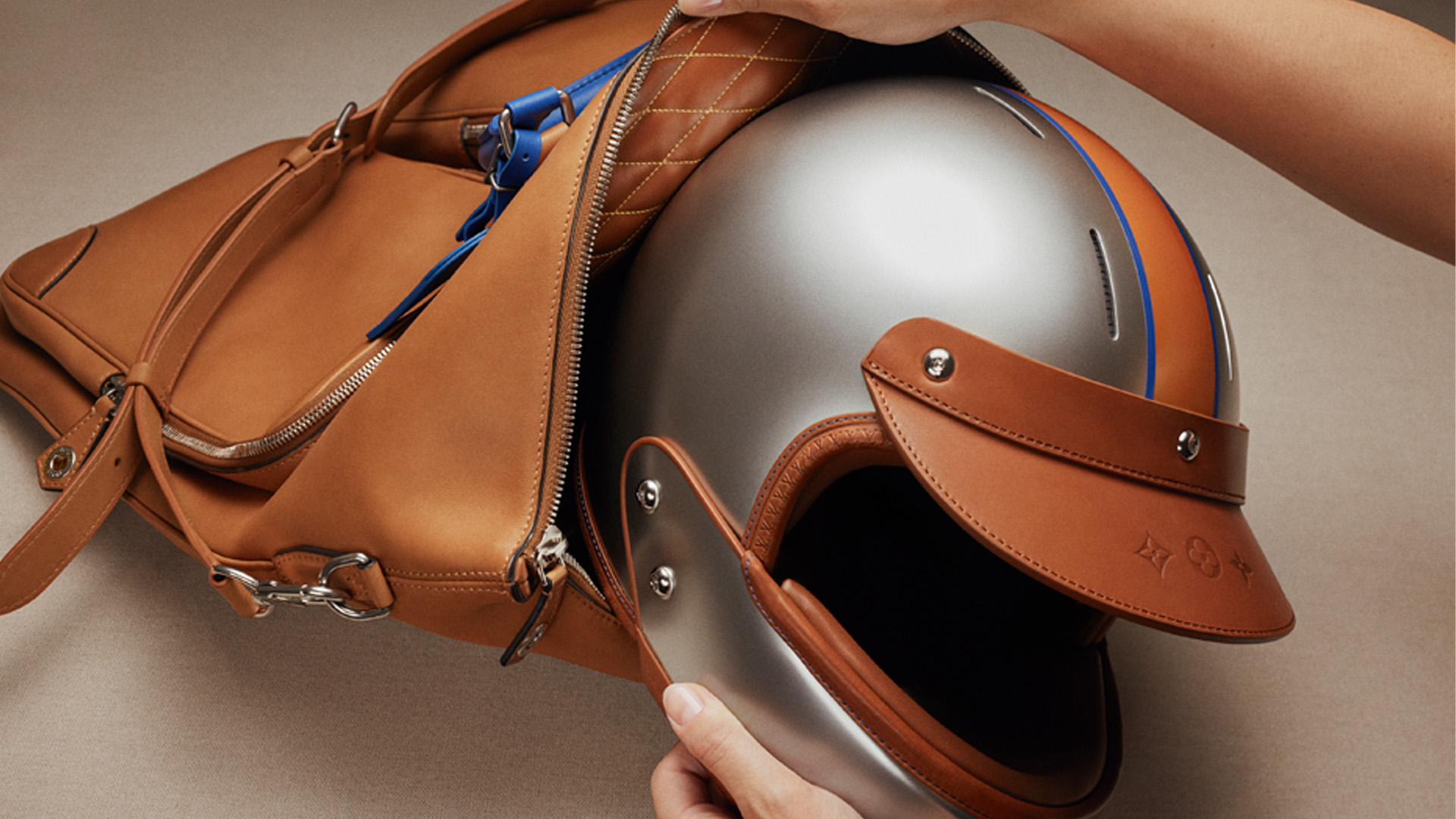
To accompany the automobile, Louis Vuitton has also developed a bespoke wardrobe and luggage collection: a leather racing jacket, driving gloves, footwear, a helmet, and pieces such as the Bisten and Keepall, adapted to the architecture of the vehicle.
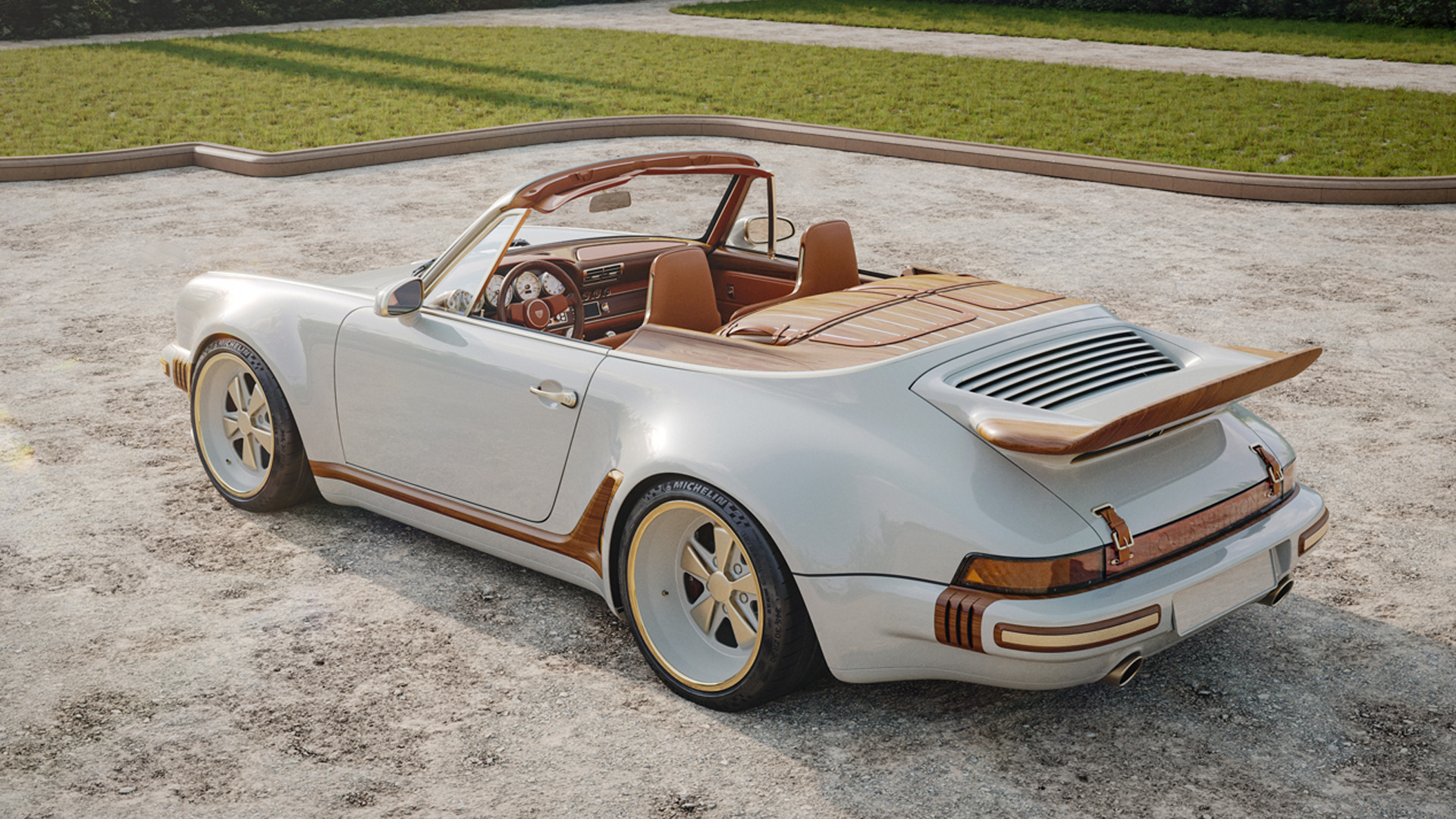
The second automobile offers a more sensual interpretation. Designed by Nicolas Ghesquière, the Classic Turbo cabriolet explores the encounter between automotive and nautical design. Its Calcaire Lutétien bodywork, inspired by the limestone of Paris, is paired with wood, natural leather, and subtle gold details.
The interior evokes the elegance of a classic boat, while the open architecture of the cabriolet creates a direct relationship with light, landscape, and movement. The Tambour dashboard clock once again occupies a central position, while details inspired by Louis Vuitton pieces, such as the Noé, are subtly reinterpreted within the automobile.
More than a collaboration between two brands, Louis Vuitton and Singer have created a dialogue between disciplines: watchmaking, leatherwork, design, engineering, and automotive craftsmanship. Both share the same obsession with precision and with the idea that true luxury often resides in the details that remain almost invisible.
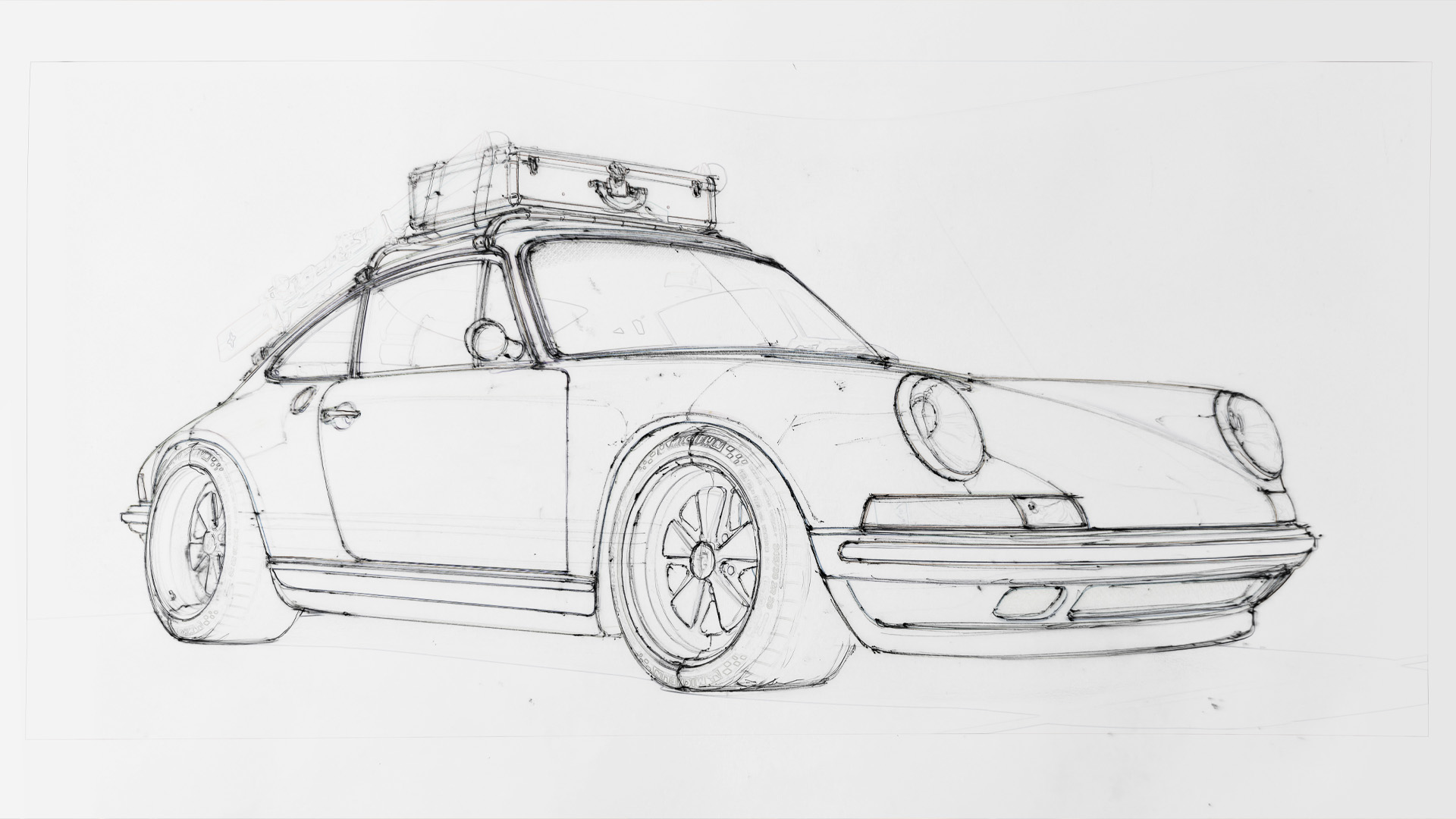
Louis Vuitton’s relationship with the automobile is not new. Since the late nineteenth century, the Maison has created trunks specifically designed for vehicles, adapting them to their forms and needs. More than a century later, this collaboration revisits that heritage from a contemporary perspective.
Two automobiles. Two interpretations of travel. And one enduring idea: that movement itself can become a form of art.
Images COURTESY
author SEBASTIAN MAGUNACELAYA