
July 29, 2026
A Chapter at Hôtel Balzac, Paris
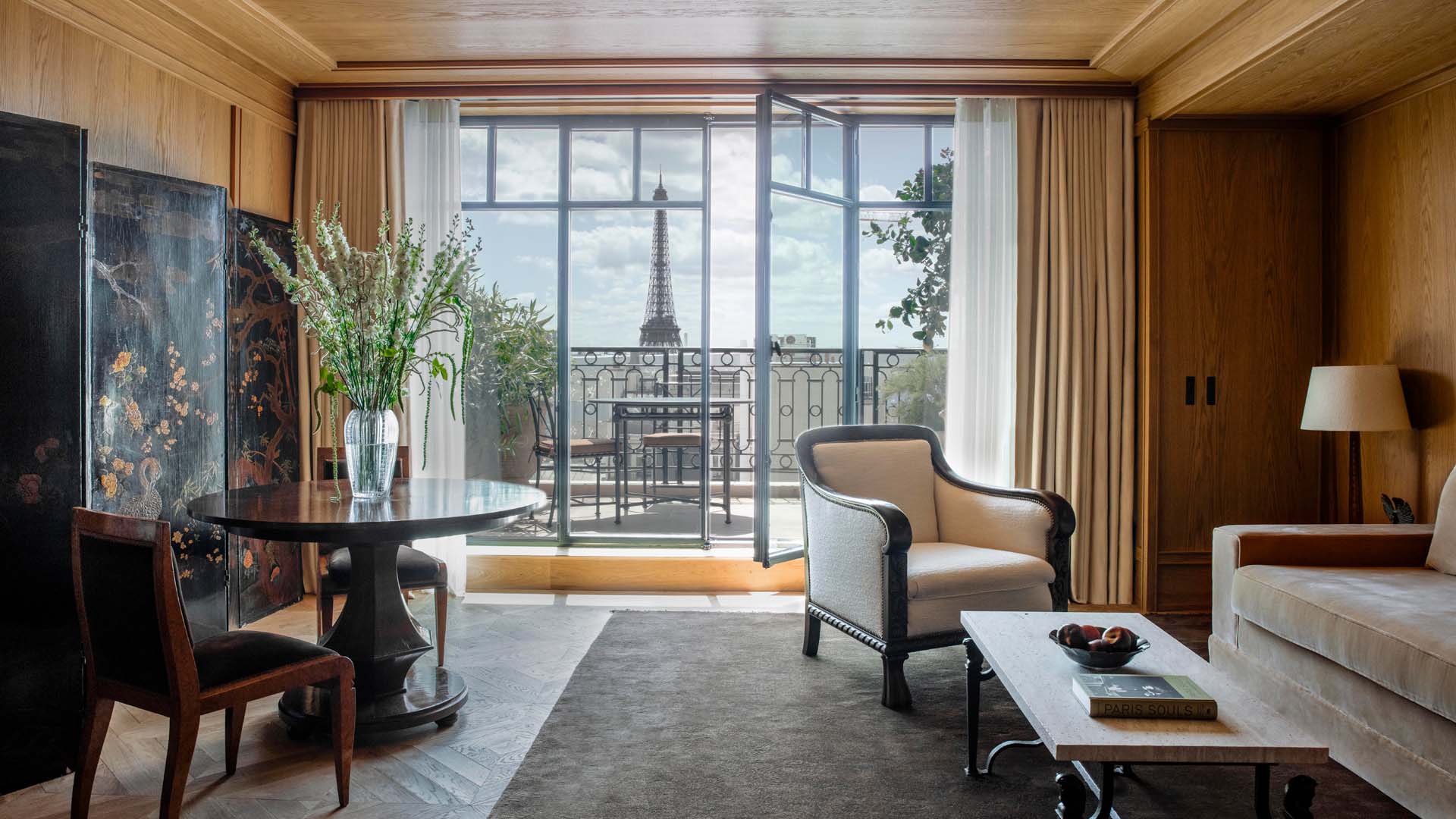
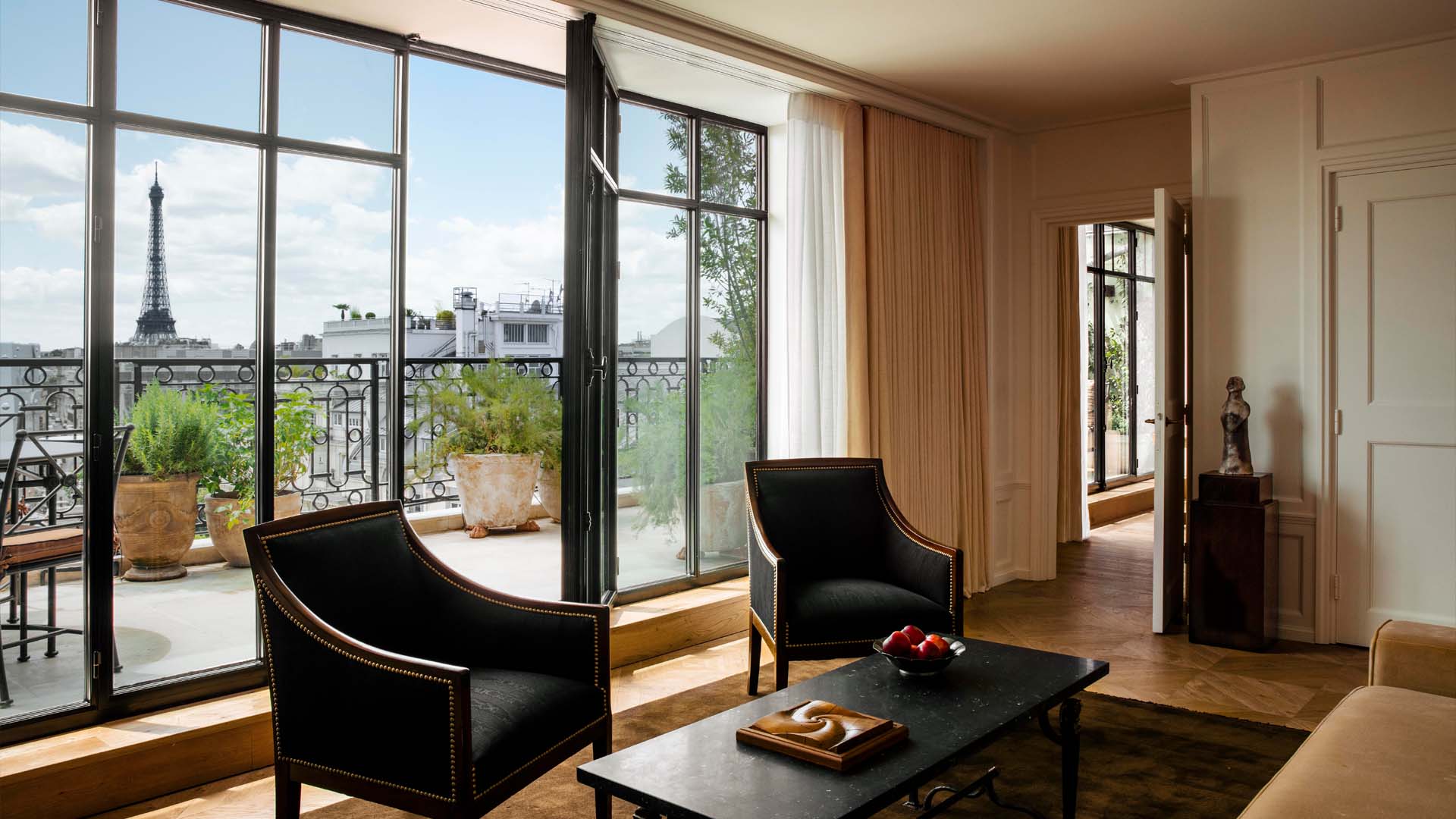
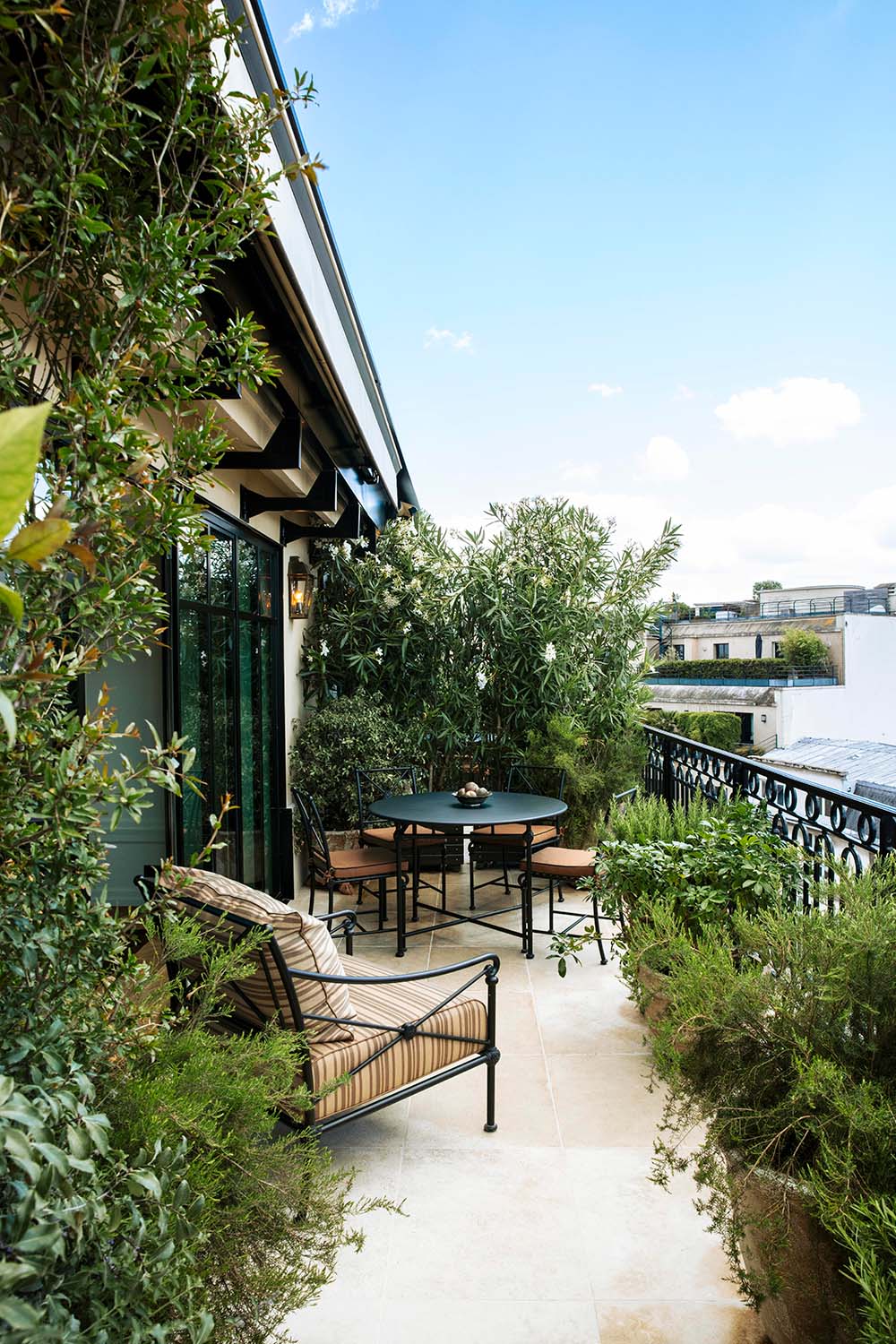
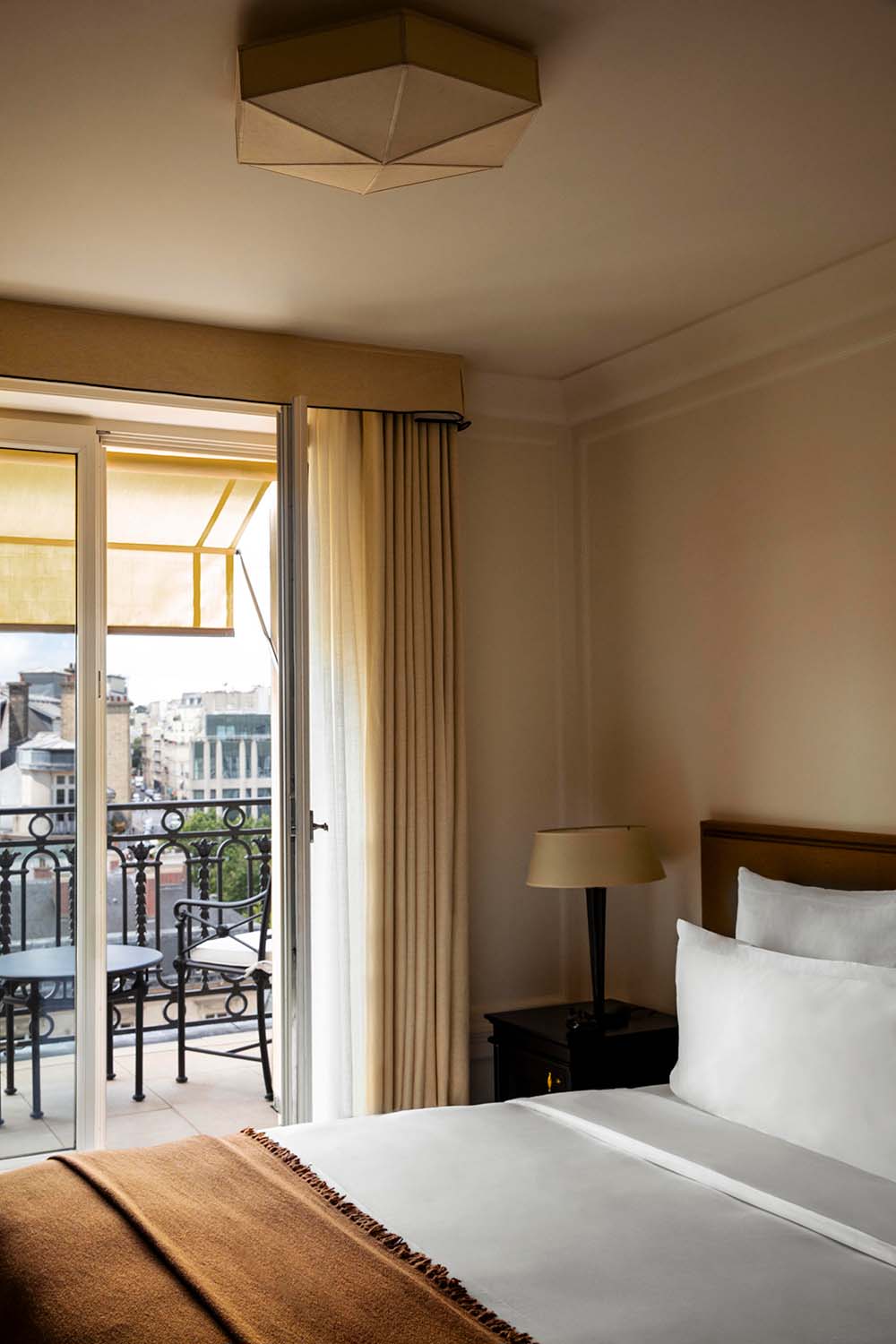
From the terrace of one of Hôtel Balzac’s upper suites, Paris does something it rarely does in the company of strangers, it goes quiet. The Eiffel Tower catches the last light somewhere across the rooftops, the city’s evening traffic registers only as a distant hum, and for a moment the avenue below, usually so insistent on being noticed, simply recedes. There are grander views in Paris. There may not be a more private one.
The address carries real literary weight. Rue Balzac was once Avenue Fortunée, a private, gated road reserved for Parisian high society, and it was here, in 1850, that Honoré de Balzac bought a house for Ewelina Hanska, the Polish countess he had loved, mostly by letter, for nearly seventeen years. He married her that same year. He died a few months later, reportedly still writing. The street was renamed not long after, in his memory, and the hotel now occupying the site has taken more than his name. Balzac spent his career as the great chronicler of Parisian society, its vanities and its tenderness in equal measure, and the hotel positions itself as a quiet continuation of that gaze: watching the city closely, saying little.
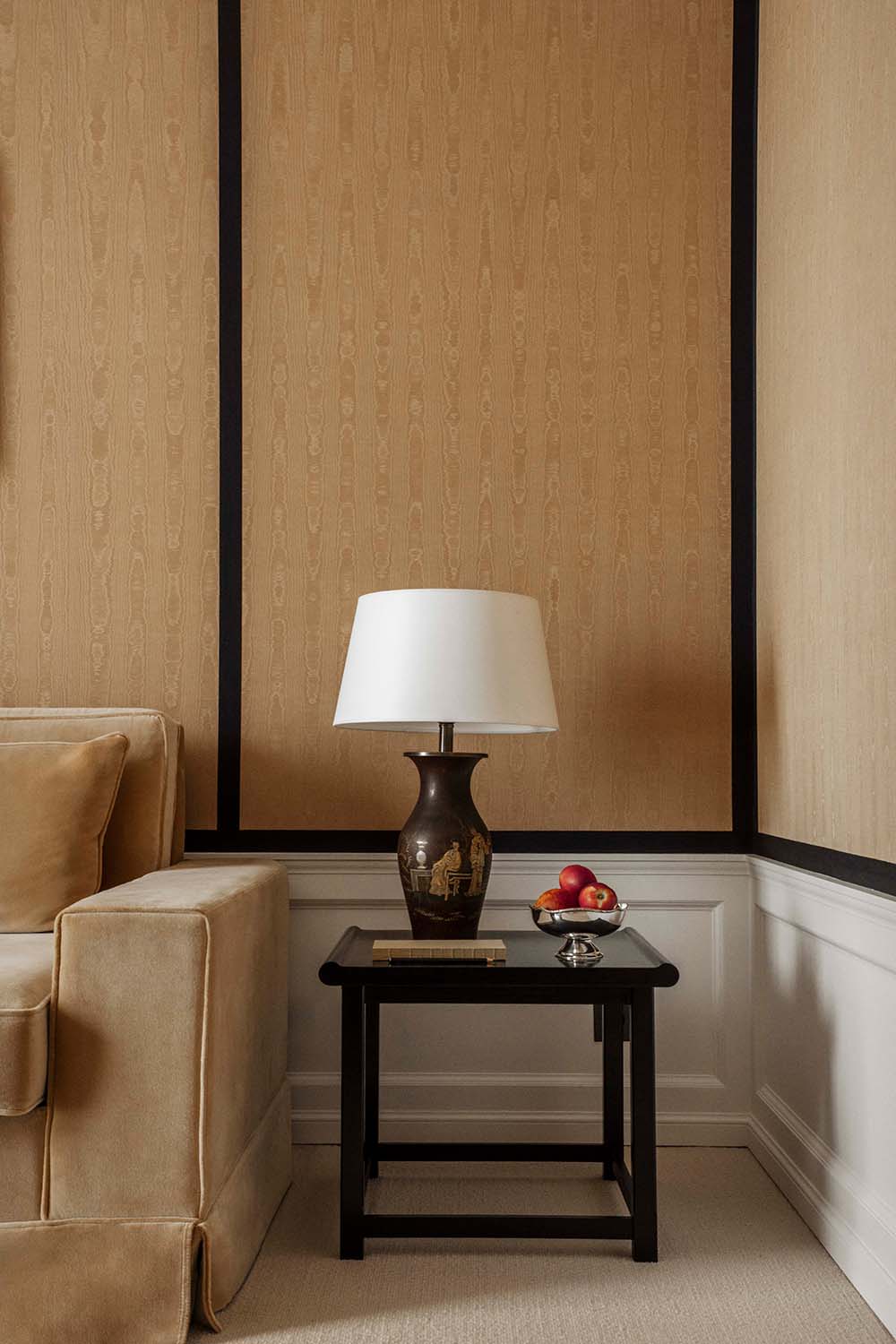
The interiors are the work of Festen, the Paris studio founded by Charlotte de Tonnac and Hugo Sauzay shortly after they graduated together from the Camondo School in 2011, Festen, fittingly, means “celebration” in Danish. Rather than impose a recognisable signature across their projects, the duo tends to work outward from a building’s own history: restoring where possible, sourcing locally, letting the architecture suggest its own next chapter. At Balzac, that meant starting with the facade itself, its lanterns, its elevated stone steps, its quietly grand entrance, and building inward from there.
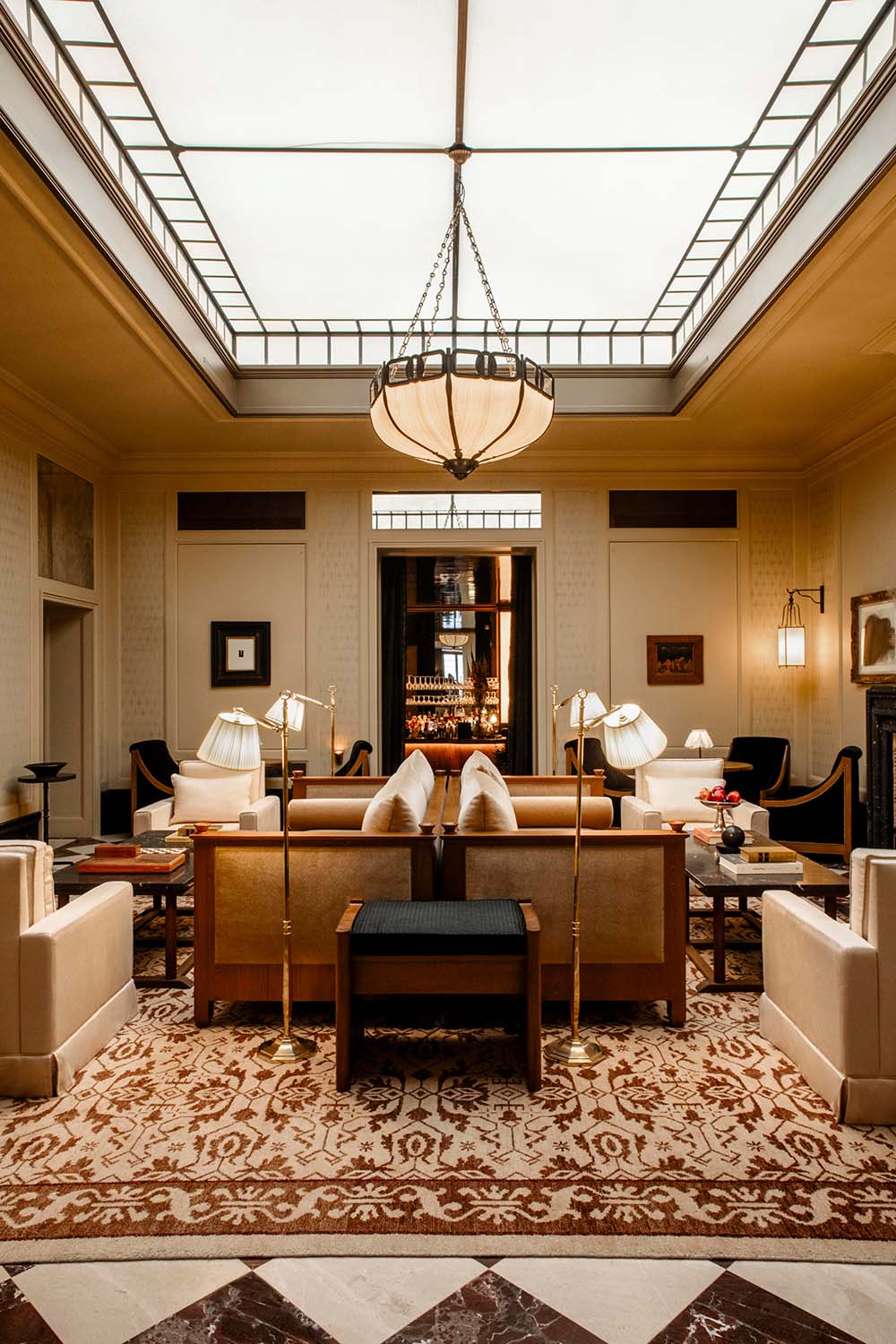
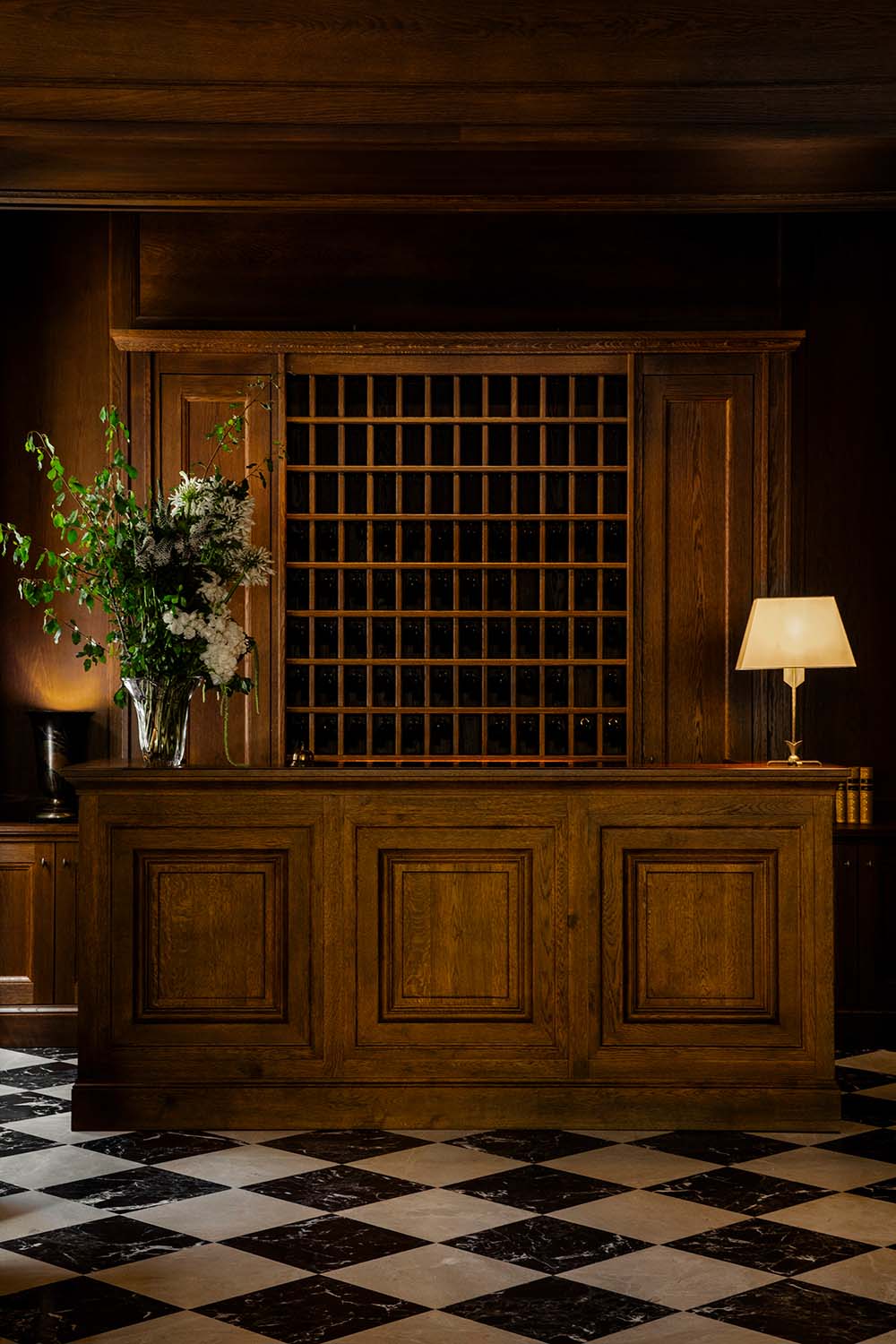
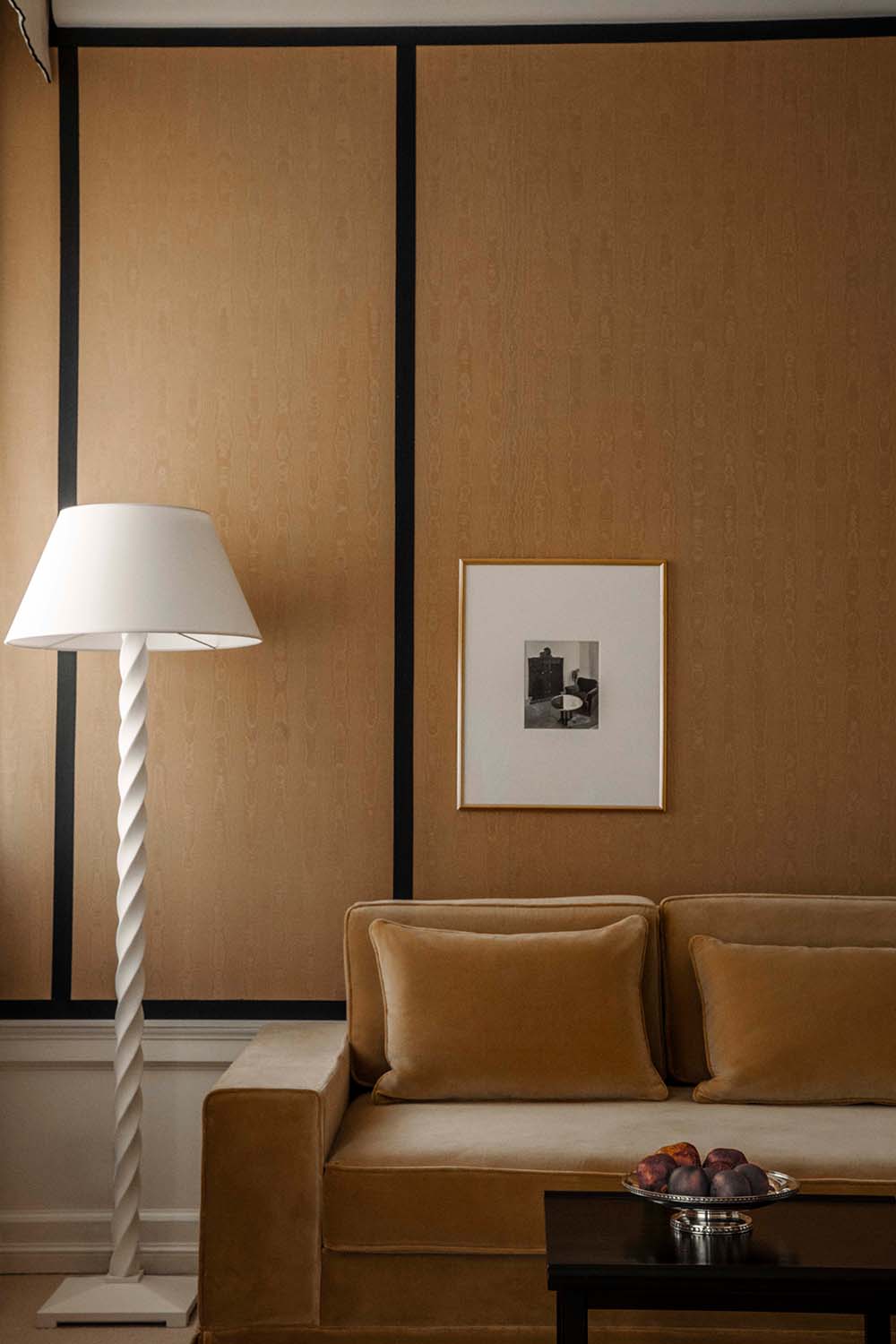
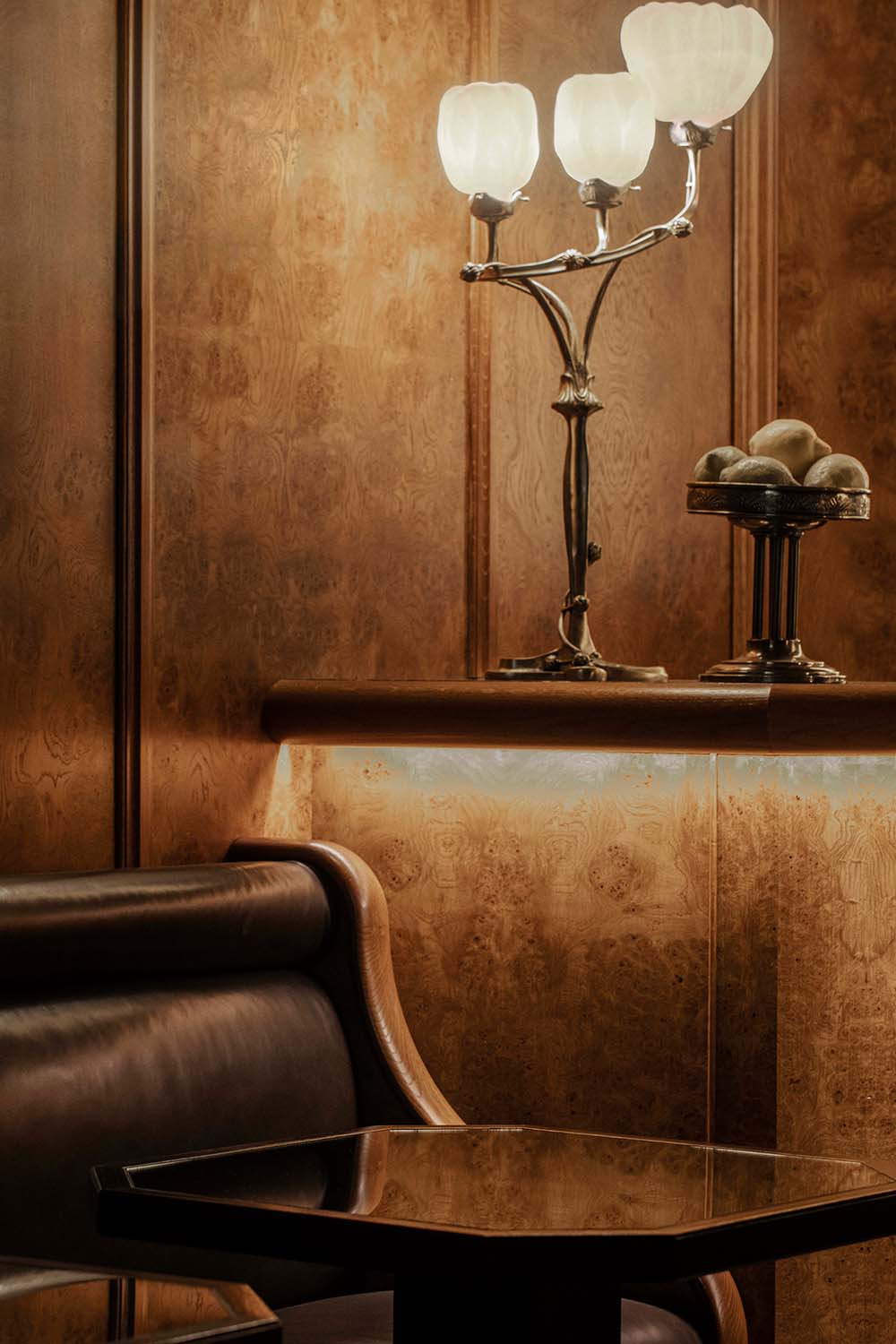
What they arrived at is restraint with real weight behind it: a palette of cognac, camel, and burnished brown, set against burl wood, solid oak, and lacquered surfaces, velvet sofas and moiré fabric, marble underfoot in mosaic patterns that catch the light differently depending on the hour. “Quiet luxury” has become something of an overused phrase elsewhere, but at Balzac it still describes something specific and earned: high ceilings paired with deliberately low, warm lighting, classic proportions filtered through a contemporary hand, nothing in the room raising its voice. The glass-roofed lounge offthe lobby does double duty as the hotel’s communal heart, a place for breakfast, for an afternoon coffee, for the particular Parisian pleasure of sitting somewhere beautiful with no obligation to hurry.
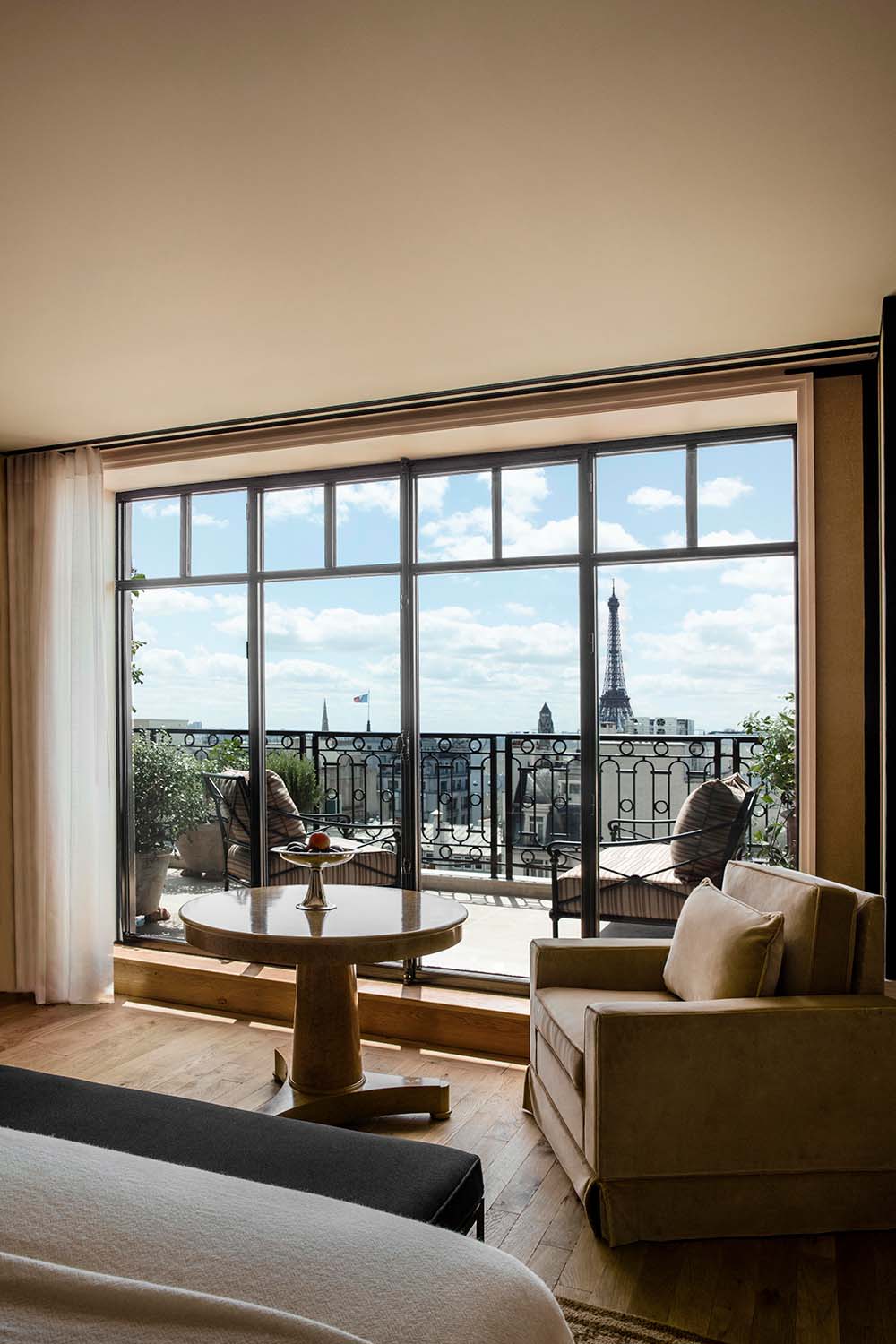
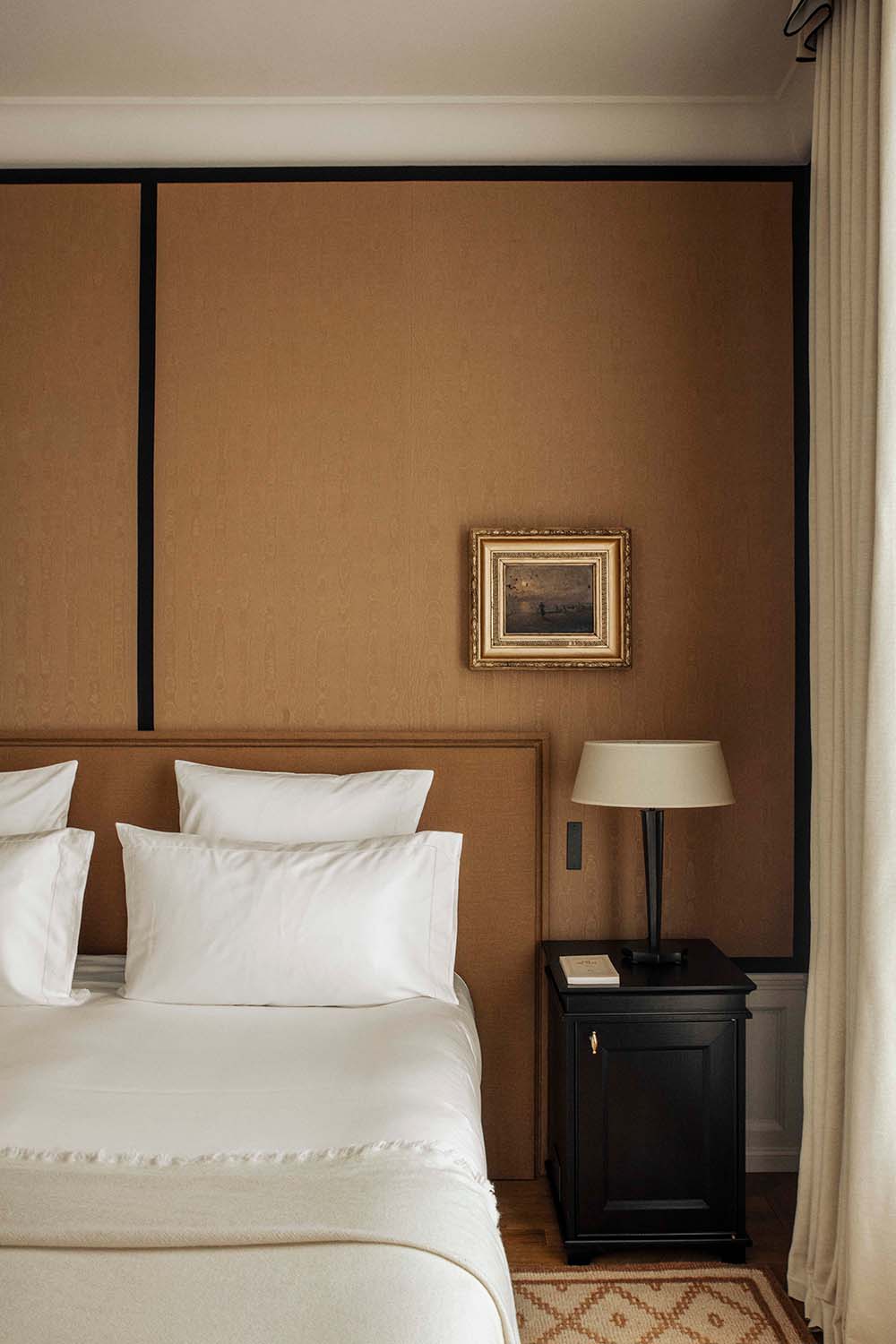
Fifty-eight rooms and suites are spread across the building, and the hotel’s real gift is making each one feel genuinely set apart from the city outside. Two suites come with private open-air terraces, the most coveted real estate in the building, and on the right evening, in the right light, they deliver on a very specific Parisian fantasy: that the entire skyline, tower included, belongs briefly and entirely to you. The Ciel de Paris suite: two bedrooms, the building’s largest by far, is the obvious splurge for anyone celebrating something. But even the smaller Boudoir rooms carry the same attention to material and proportion; nothing here feels like the budget version of what’s upstairs, just a more compact expression of the same idea.
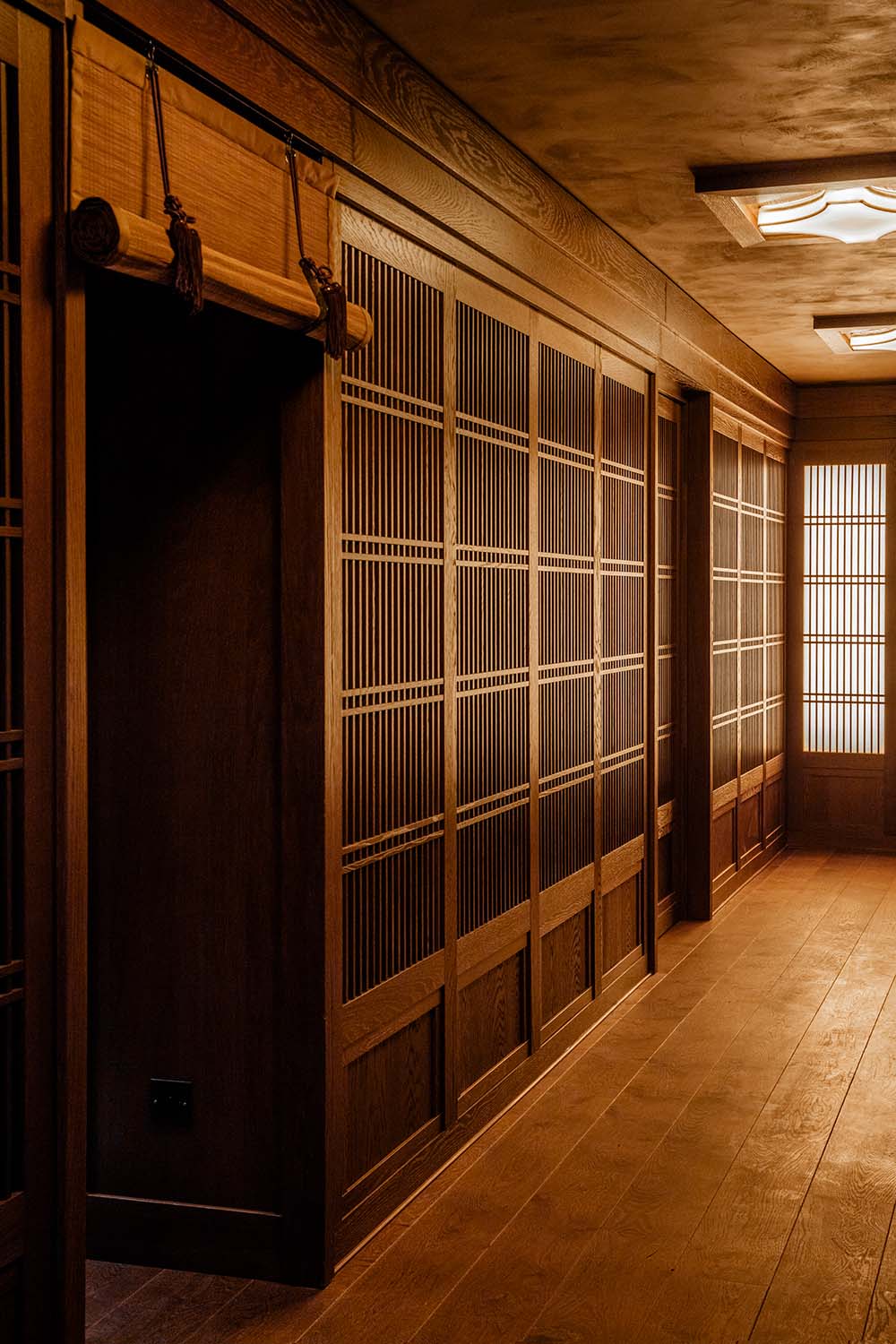
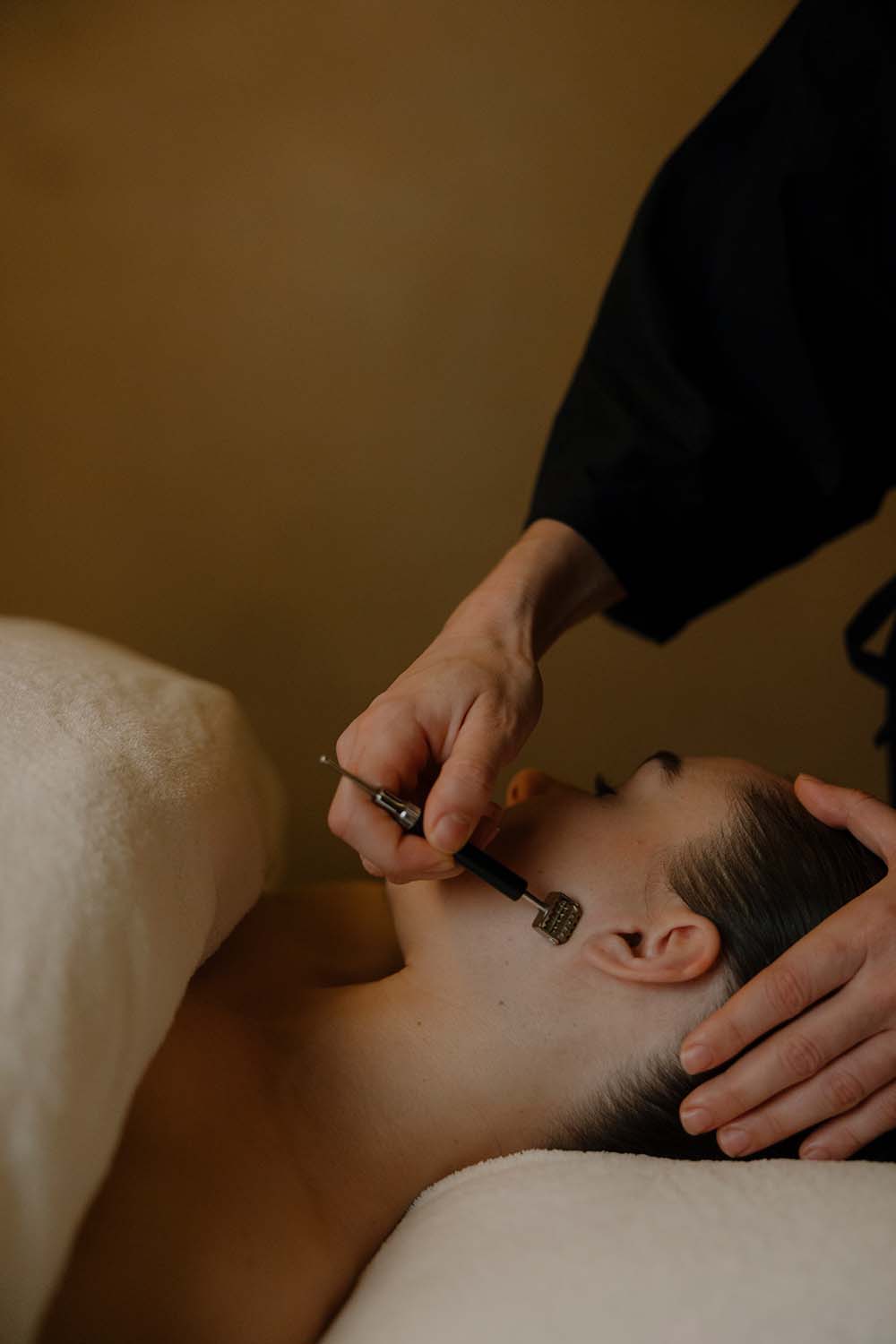
The hotel’s most distinctive asset, and arguably its best-kept secret, is downstairs: the Spa Ikoï, named for the Japanese word for a place where one feels good. It is small by design: three treatment cabins, a plunge pool, a sauna, and built around protocols rooted in Japanese wellness tradition rather than the more familiar European spa menu found at most luxury addresses in the city. There is nothing else quite like it within reach of the Champs-Élysées; most hotels in the neighbourhood default to a generic five-star spa formula, and Ikoï’s specificity is exactly what makes it worth seeking out, even for guests staying elsewhere.
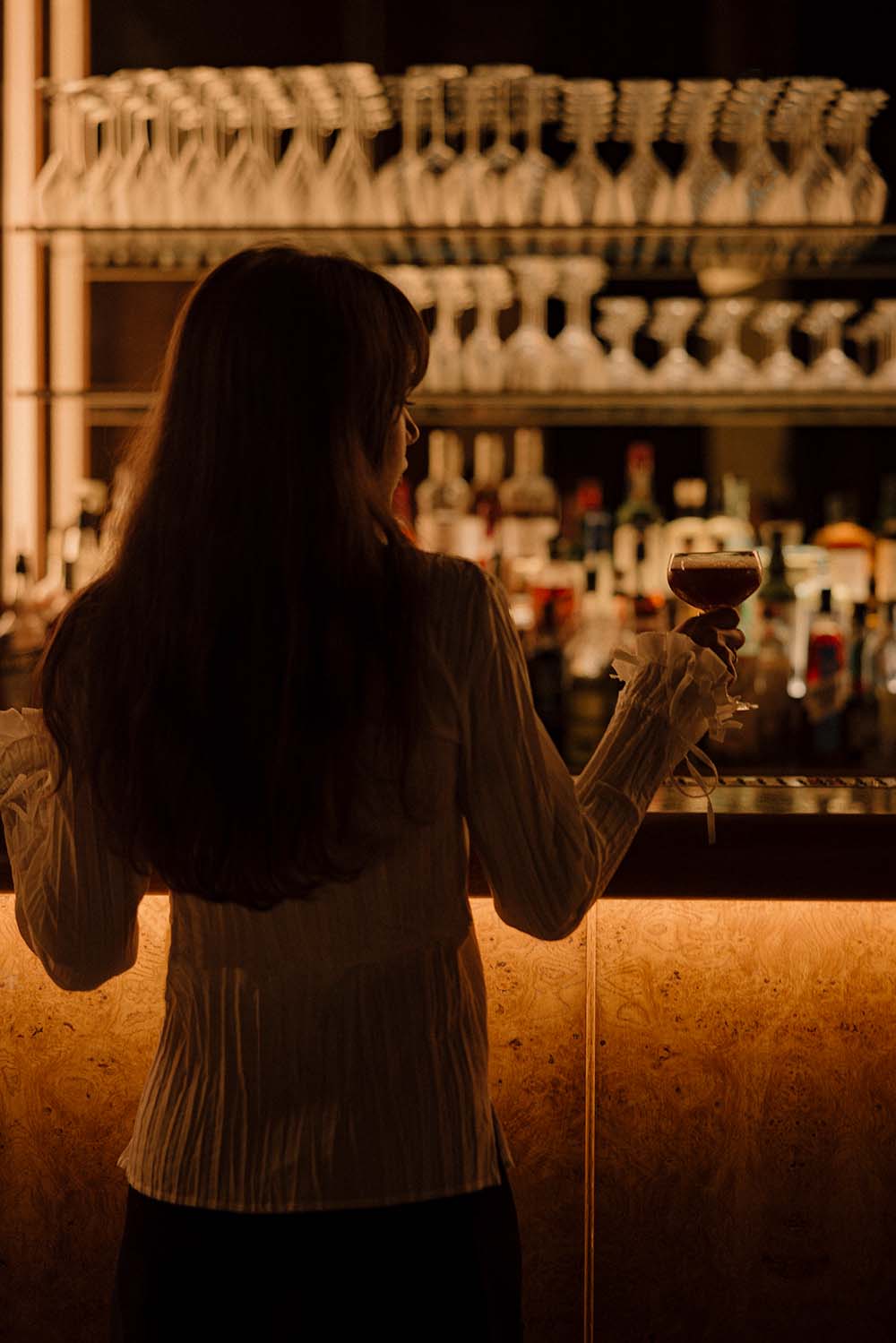
Upstairs, the bar leans into a different kind of pleasure entirely: low light, a hush borrowed from old Hollywood, a cocktail menu with names that play on Balzac’s own dry wit, and a small, serious food offering built around Petrossian caviar and an Espelette-pepper lobster roll. For something more formal, a discreet door offthe lobby leads directly into Pierre Gagnaire’s three-Michelin-star dining room, technically a separate establishment, practically an extension of the hotel’s own hospitality, and one of the more unusual perks of staying here at all.
The neighbourhood plays its part too. This stretch of the 8th arrondissement runs from the Arc de Triomphe down to the Place de la Concorde, an axis the French still describe, without irony, as the most beautiful avenue in the world and Hôtel Balzac sits just slightly back from that whirlwind, close enough to feel its pulse without being pulled into it. It is, in other words, a very good vantage point from which to watch Paris perform itself: the tourists, the diplomats, the fashion crowd cutting through on their way to a showroom, the same human comedy Balzac spent his career documenting a few doors down, still running, with a new cast.
Balzac suits the traveller who wants the postcard version of Paris, the Eiffel Tower at dusk, caviar at the bar, a hush worthy of old Hollywood, without sacrificing privacy to get it. It is luxury in the more traditional sense, but worn lightly: the kind of hotel that lets you feel like the city’s most discreet open secret, rather than another name on a guest list. For a quiet, slightly literary kind of indulgence, it’s hard to beat.
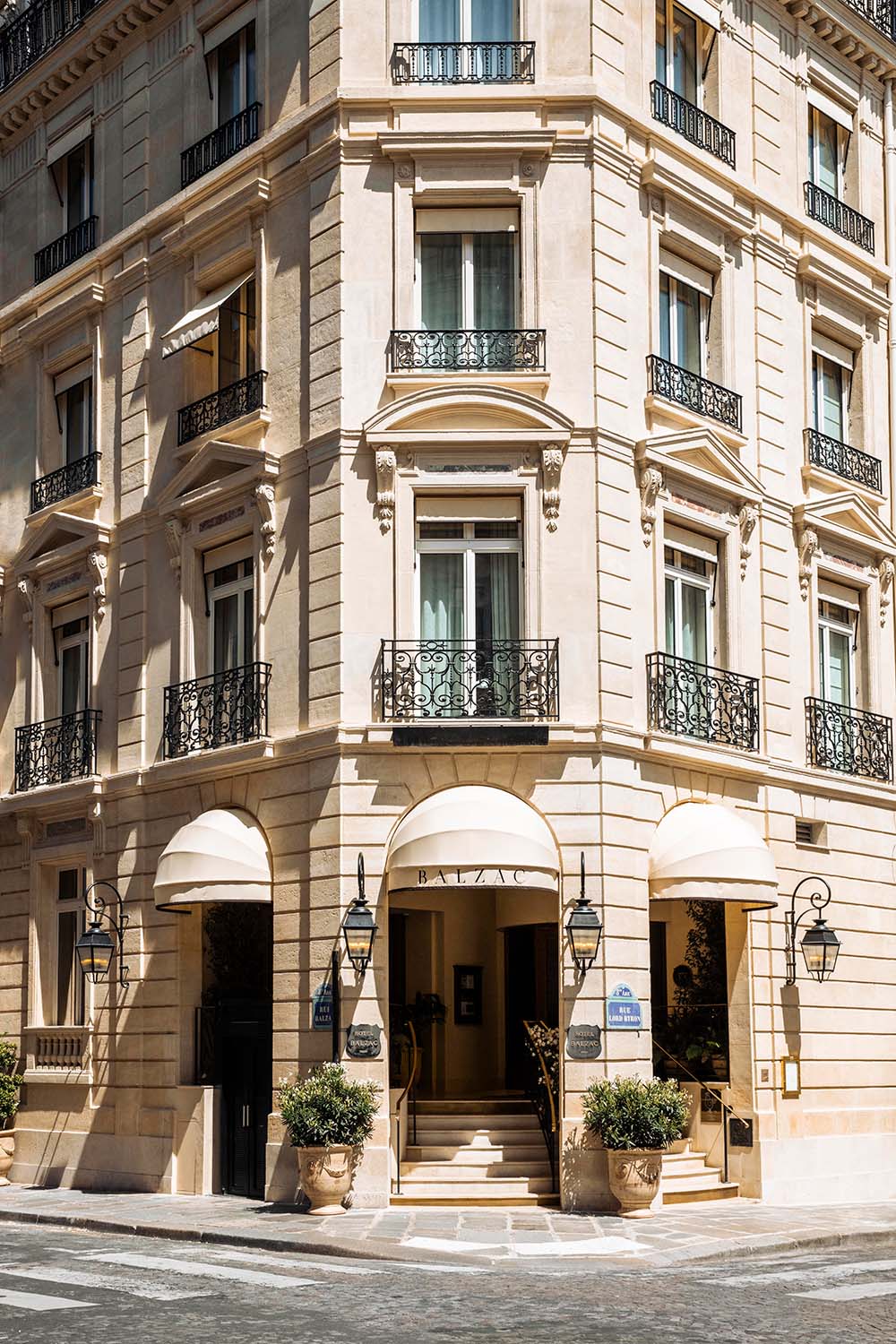
Hôtel Balzac, 6 Rue Balzac, 75008 Paris.
author PRIYAM MISHRA
images COURTESY