
October 12, 2026
What is fantasy worth?
How costume jewellery went from adornment to fashion language, and from there to cultural patrimony.
One day a piece made of small candies left the Chanel ateliers, strung as if pulled from a bag of sweets and put to work as jewellery. It sold for the price of a seasonal accessory. Today, according to the designer who made it, it is worth ten or twenty thousand euros.
What happened to a small object made of candies between those two prices?
The question is recent. The history behind it is very old. Shells pierced and strung into necklaces by early humans are among the oldest manufactured objects we know of. From very early on, adornment announced a person’s group, their position in it, the protection they invoked, the taste they claimed. Jewellery inherited that function and added a second one, making wealth visible and durable. For centuries the two moved together, and the material was part of the message.
The candy piece belongs to the moment when that relationship began to change.
In the 1920s, Gabrielle Chanel proposed something paradoxical to her clients: bijoux in glass, gilt metal and imitation pearls, worn by women who owned the real thing. Freed from the cost of stones, a necklace could change scale, multiply, go out in daylight. The houses relied on paruriers, specialist workshops that designed and made bijoux for the maisons, almost always without being named. Gripoix mastered pâte de verre, glass melted by hand into colours natural stones rarely offer. Elsa Schiaparelli commissioned the young Jean Schlumberger, later the celebrated Tiffany jeweller, to make buttons like small sculptures.
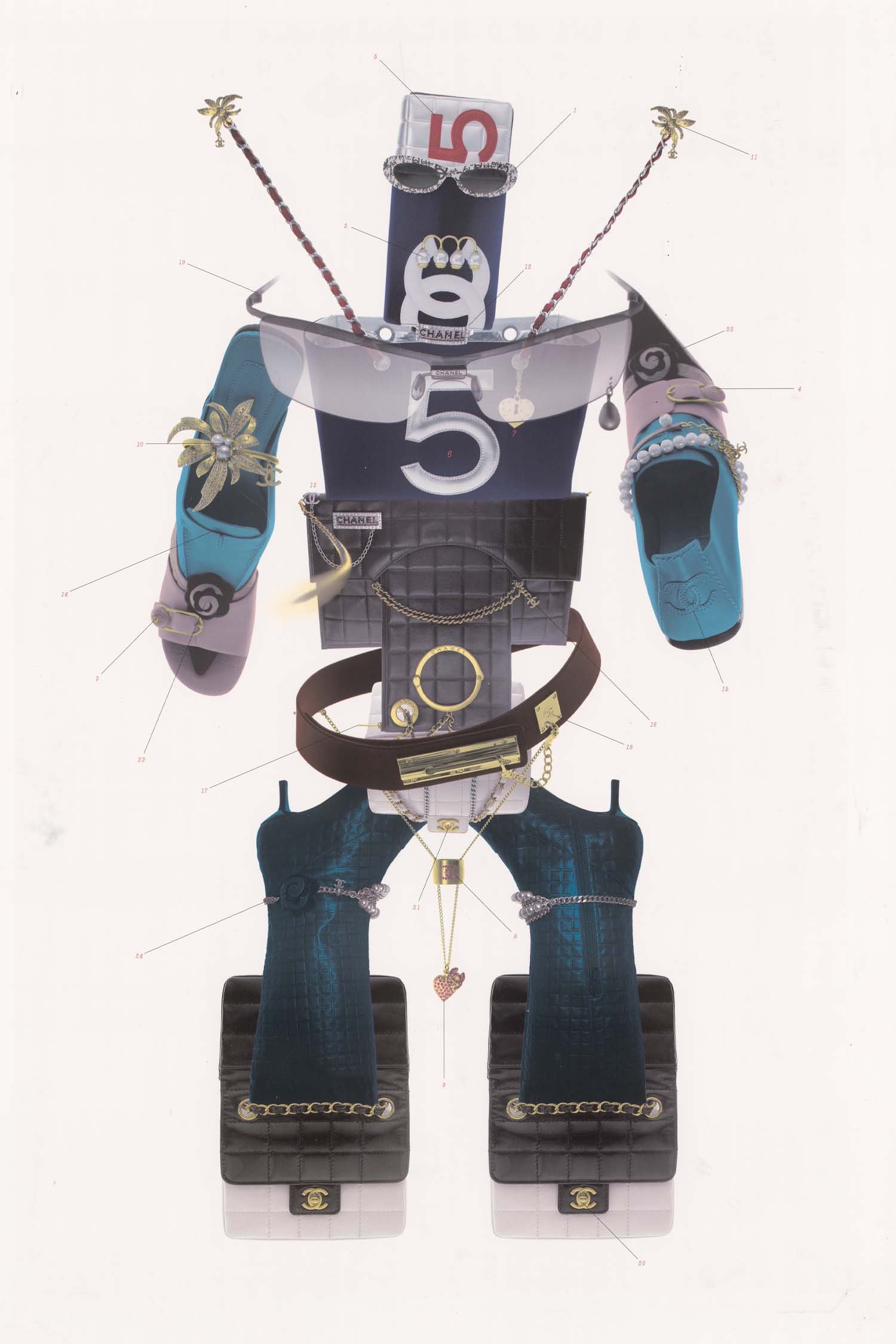
CHANEL by Laetitia Crahay
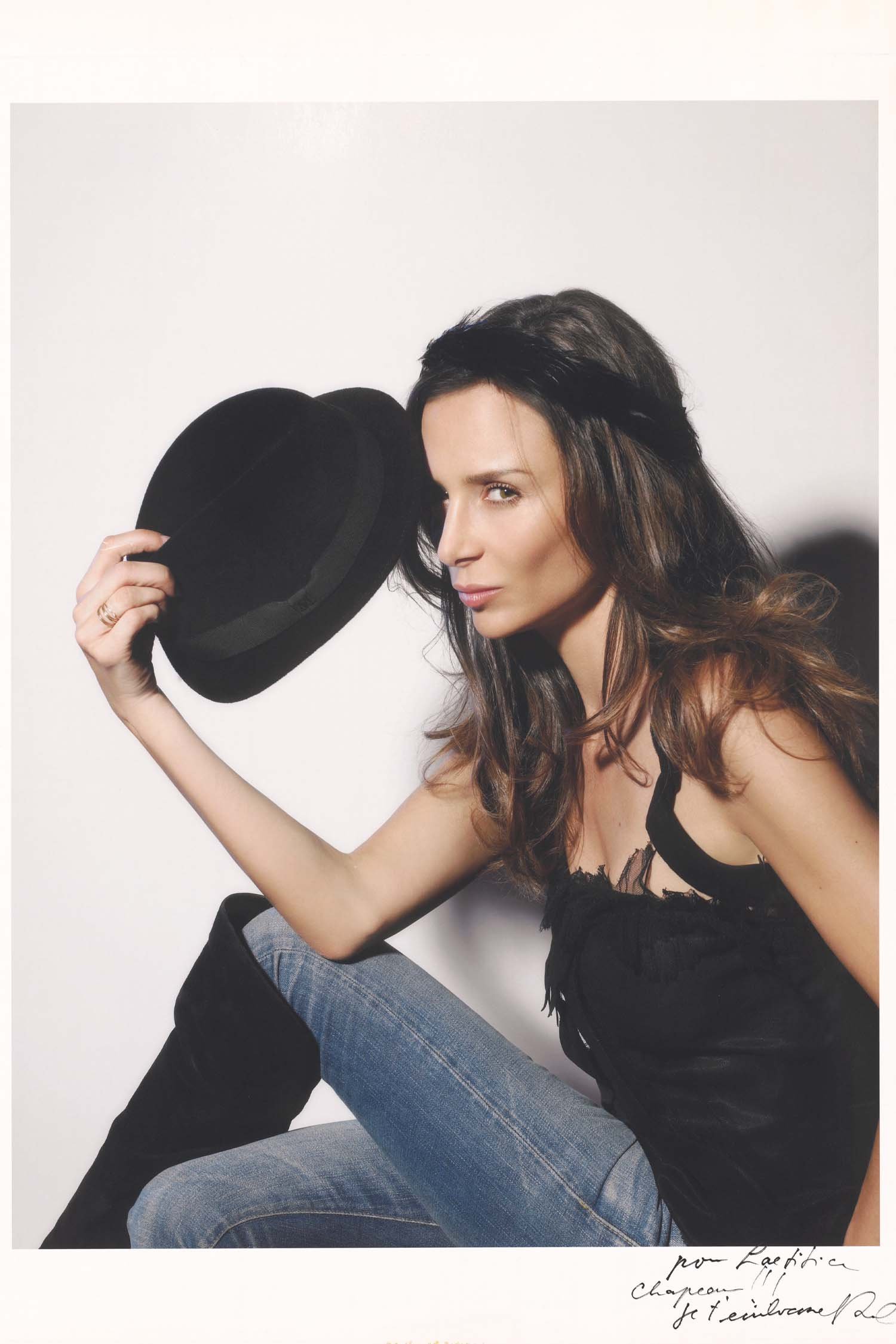
Laetitia Crahay
A century later, that freedom is still at the heart of the craft. Laetitia Crahay, who designed the candy piece, spent sixteen years at Chanel and is now creative director of accessories and jewellery at Saint Laurent, under the artistic direction of Anthony Vaccarello. Resin, glass and ceramic, she says, allow volumes and colours that precious stones make difficult. Pénélope Blanckaert, founder of the fashion auction house Penelope’s, sees the same thing from the market side: an enormous blue cabochon can exist in glass at a price no natural stone would allow. Valuing fashion jewellery, she says, is a bit like valuing contemporary art. The first question is who conceived the piece and where it sits in that history; the cost of the material comes after.

Pénélope Blanckaert (photographer LUCIE SASSIAT)
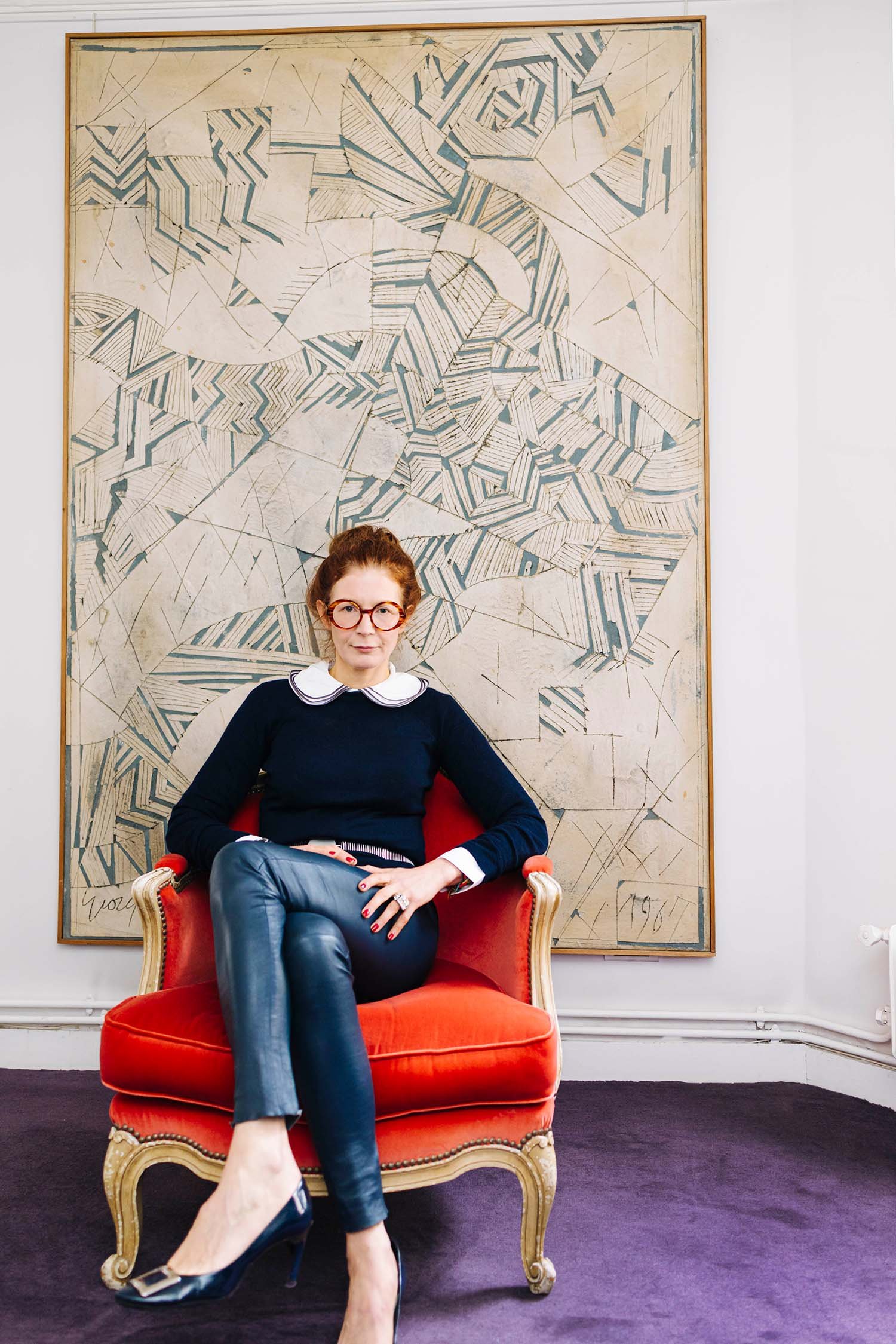
Pénélope Blanckaert (photographer LUCIE SASSIAT)
The same freedom reaches into the making. In fine jewellery every stone is an investment, and investment calls for caution. Where the material costs little, caution matters less and accident can enter the process: a batch of ceramic that comes out of the kiln differently than expected can open a new direction. Working alongside Karl Lagerfeld, Crahay learned to treat creativity as a muscle that trains itself. That is why she stays close to the material and is wary of digital drawings that come out too perfect; they lack the irregularity of the hand, the fragility that gives old bijoux their life.
In the workshops the work is slow. A ceramic piece can fire for forty-eight hours before being repainted by hand, and the hours behind certain pieces come close to those of a haute couture embroidery. Blanckaert sees the result: the antique pieces that pass through her hands are heavy, finished to a standard that has become rare.
The material still counts, but it no longer explains the value on its own. The rest comes from something the maisons build over time: a recognisable language.
How much of a house can fit into a necklace?
Crahay begins her answer with the person wearing it. She chooses her own earrings in the morning according to her mood; the same black dress reads differently depending on what goes with it. “Le vêtement construit la silhouette, le bijou construit la personnalité,” she says: the garment builds the silhouette, jewellery builds the personality.
Designing for a maison means making that individual choice speak for a house as well. Crahay compares arriving at a house to an actress changing directors: the craft stays the same, the language changes from film to film. In practice that means exact things: a particular pâte de verre, the shade of a gilt, a patina. And context, since a piece is drawn alongside the season’s collection. Whoever masters these codes makes pieces recognisable without a logo, the way you recognise a painter’s hand from across a room.
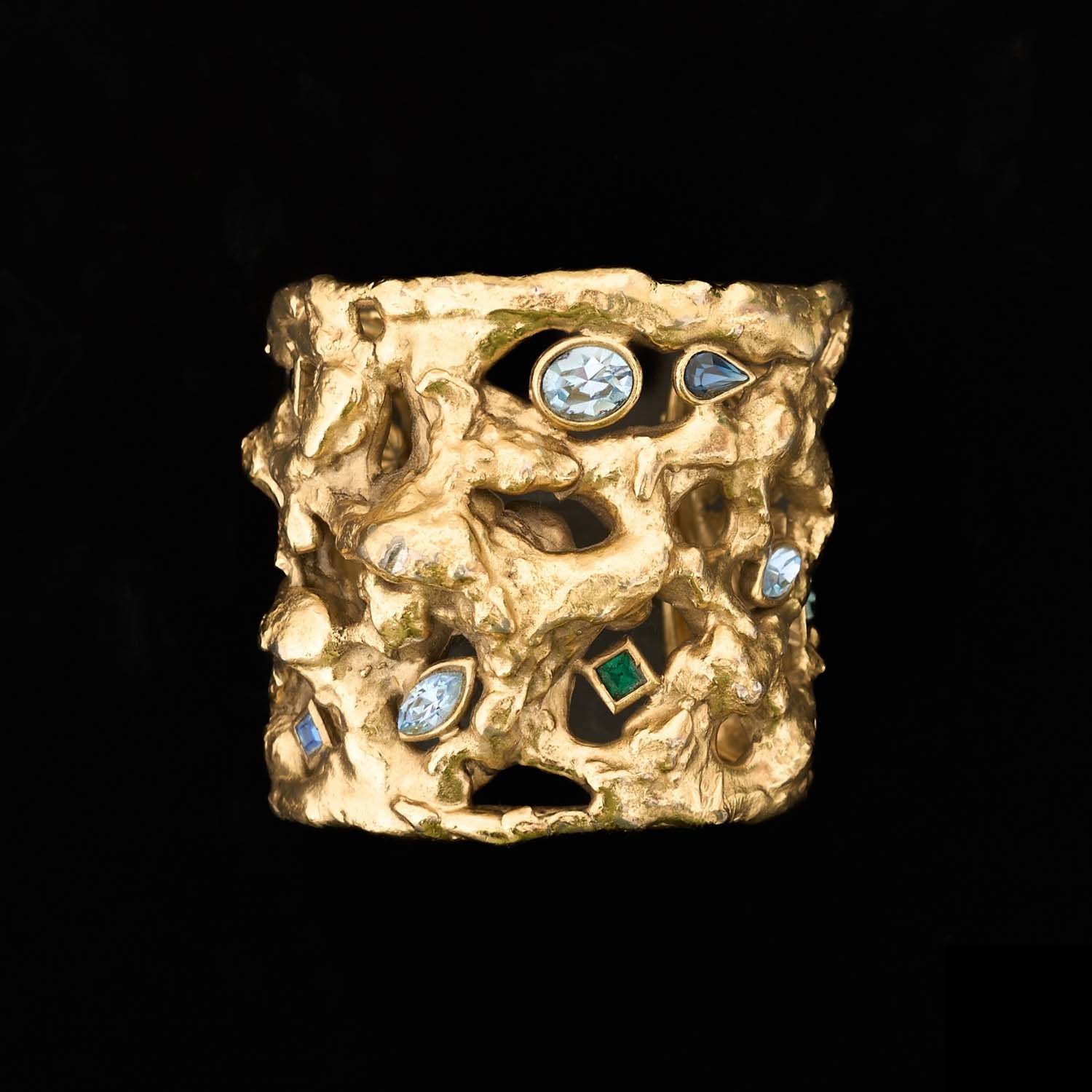
Lot n°299 YVES SAINT LAURENT – 1980_90’S- MANCHETTE BIJOUX
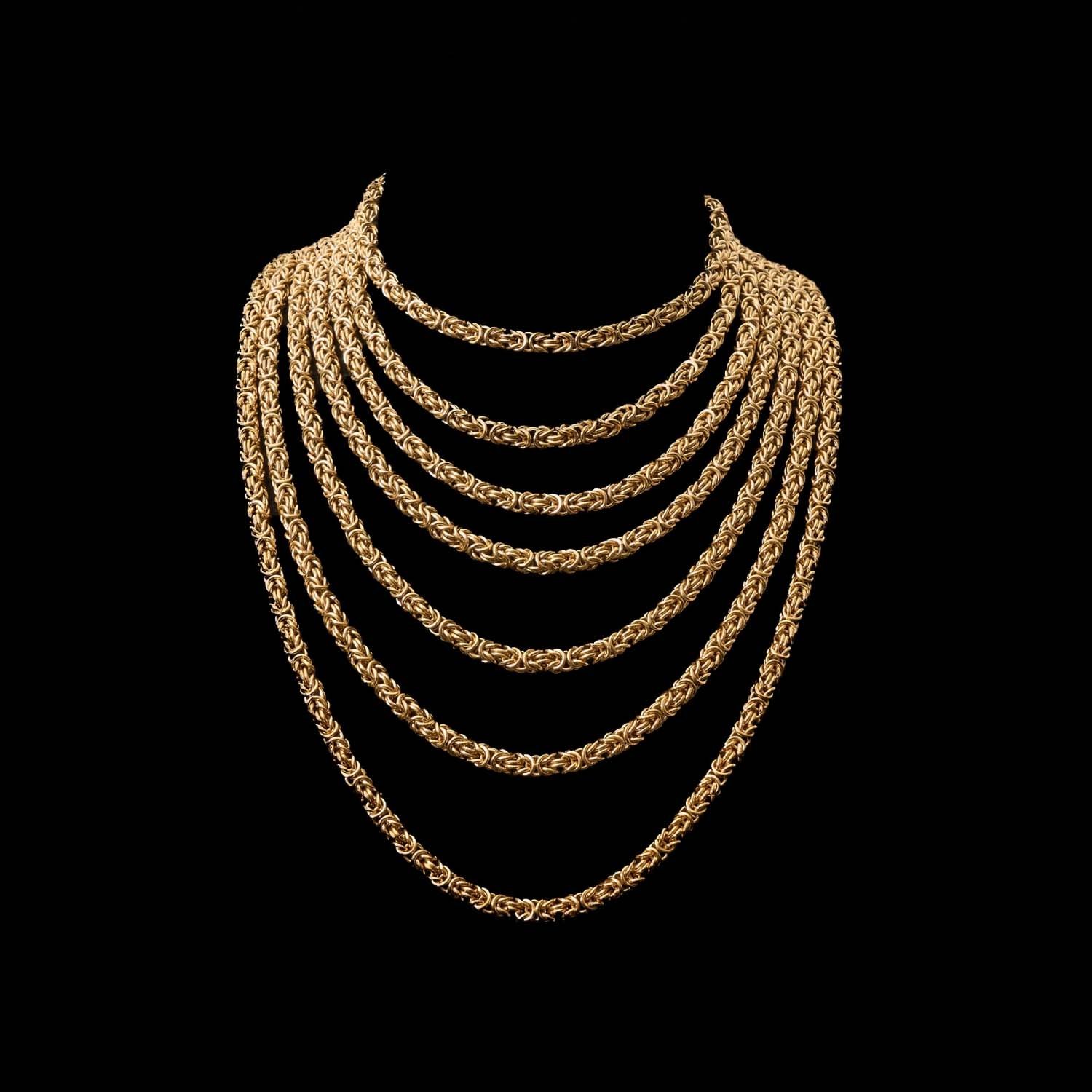
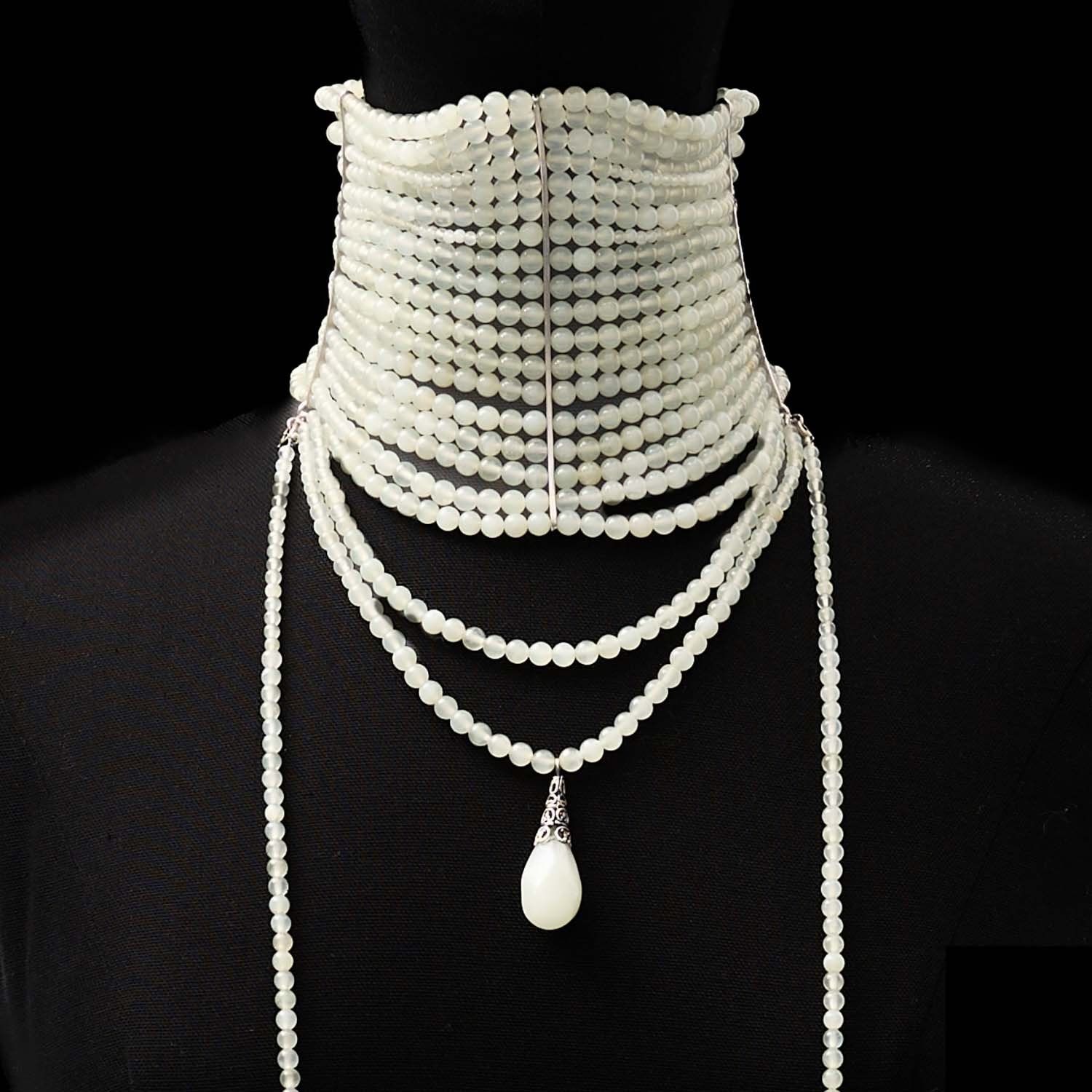
Lot n°91 CHANEL – 1980’S- COLLIER BIJOUX
Decades later, that is what the market verifies. Few watch it as closely as Blanckaert, who trained at the Institut Français de la Mode, passed through the Saint Laurent studios and spent twenty years in fashion auctions before founding her own house in 2024. The most sought-after pieces are the ones where the style of a house and an era is most concentrated: Saint Laurent’s Moroccan inspirations in the 1970s, the colours Loulou de La Falaise helped establish in the decades that followed, Chanel’s sautoirs and Byzantine crosses. Ordinary production from the same years sells at moderate prices. Decades later the saleroom rereads decisions made at the speed of the collections, and the price shows how clearly the house can still be recognised.
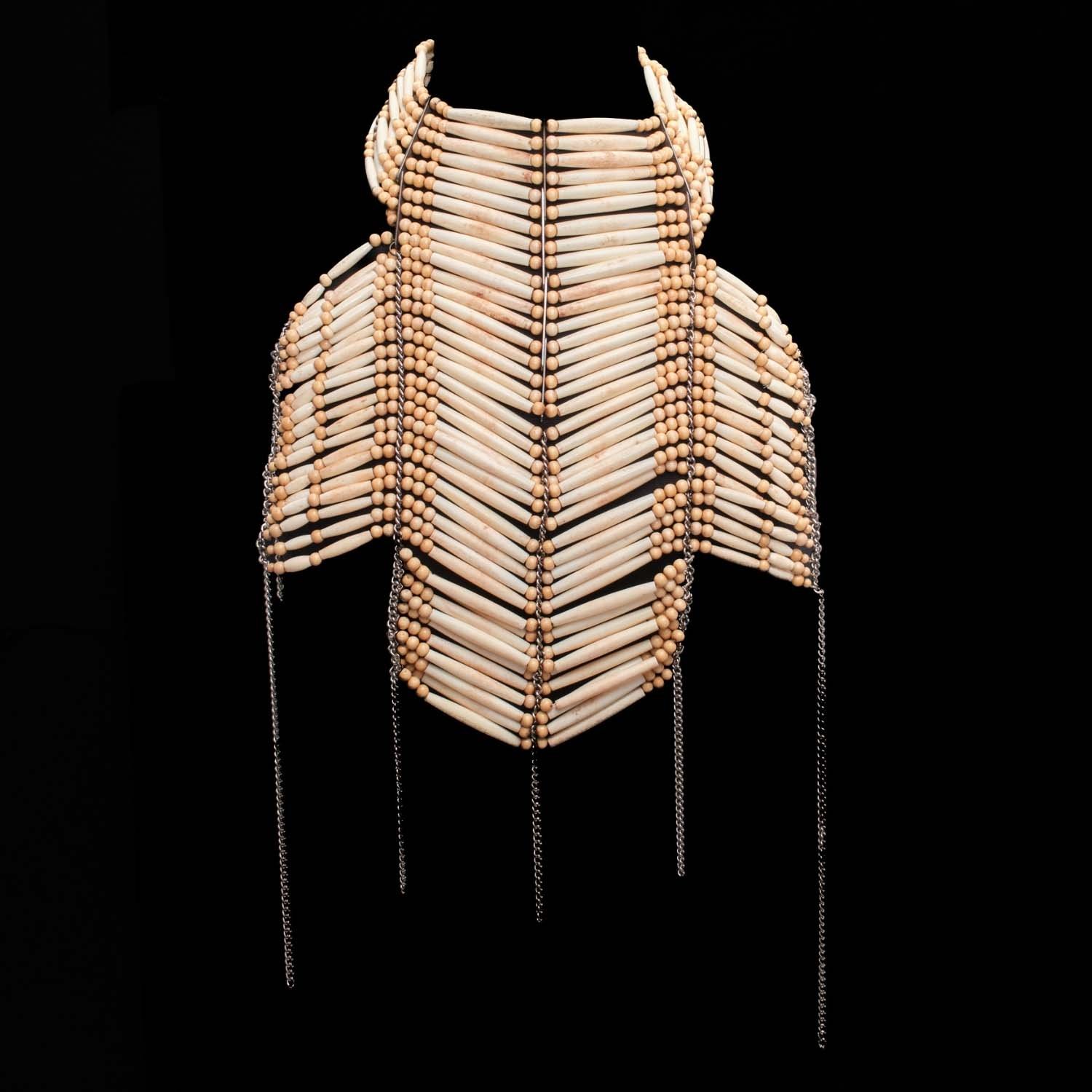
Lot No.169 CHRISTIAN DIOR X JOHN GALLIANO – AUTOMNE-HIVER 1998_99- COLLIER MASSAÏ JEWELRY
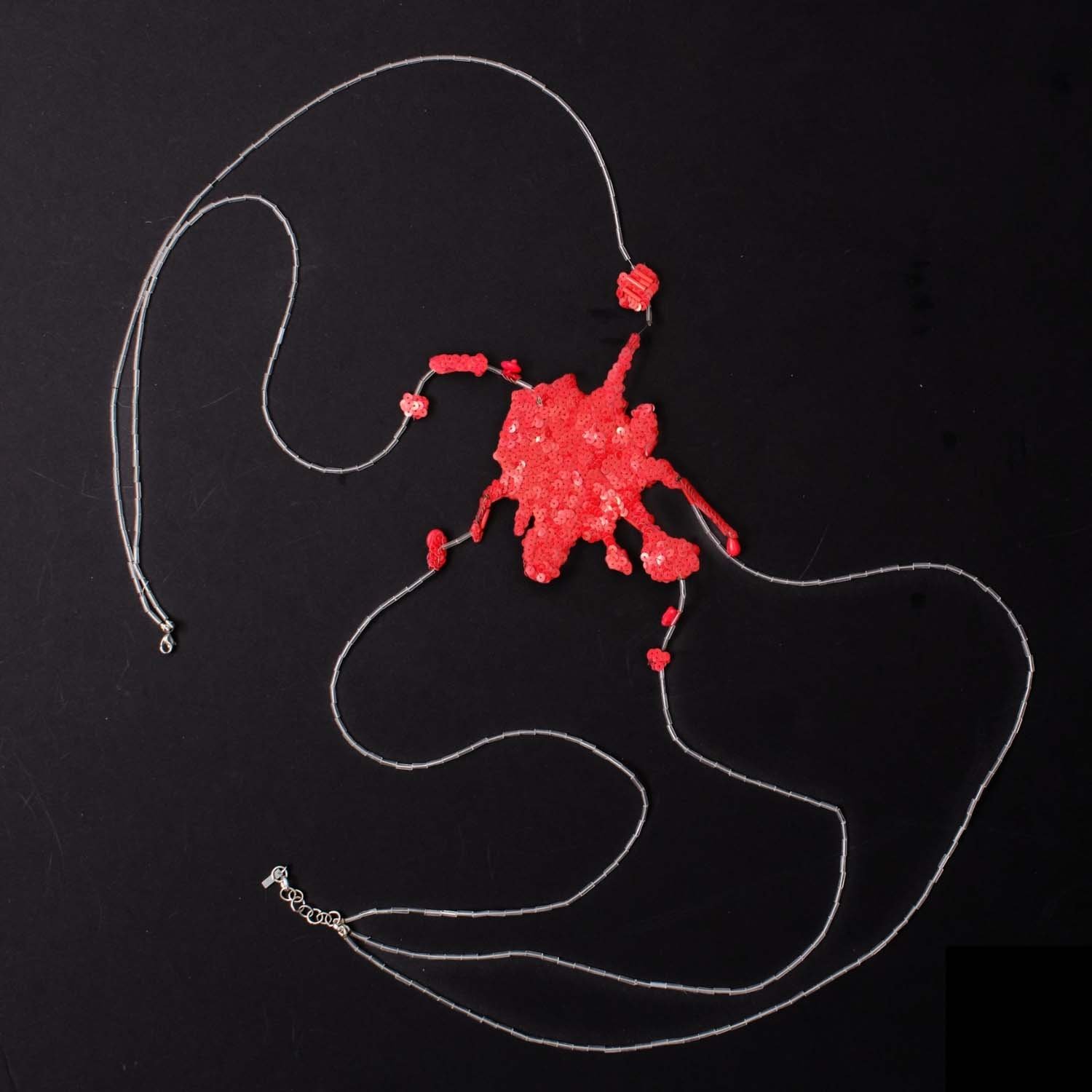
Lot No.7 DIOR HOMME X HEDI SLIMANE – PRINTEMPS-ÉTÉ 2002 JEWELRY
The Maasai-inspired necklaces made at Dior under John Galliano show how far this can go: costume materials that now fetch ten or twelve thousand euros, because they condense an era and campaigns that stayed in memory. A piece that appears in a runway photograph rises in value at once. The photograph proves where it belonged in a collection.
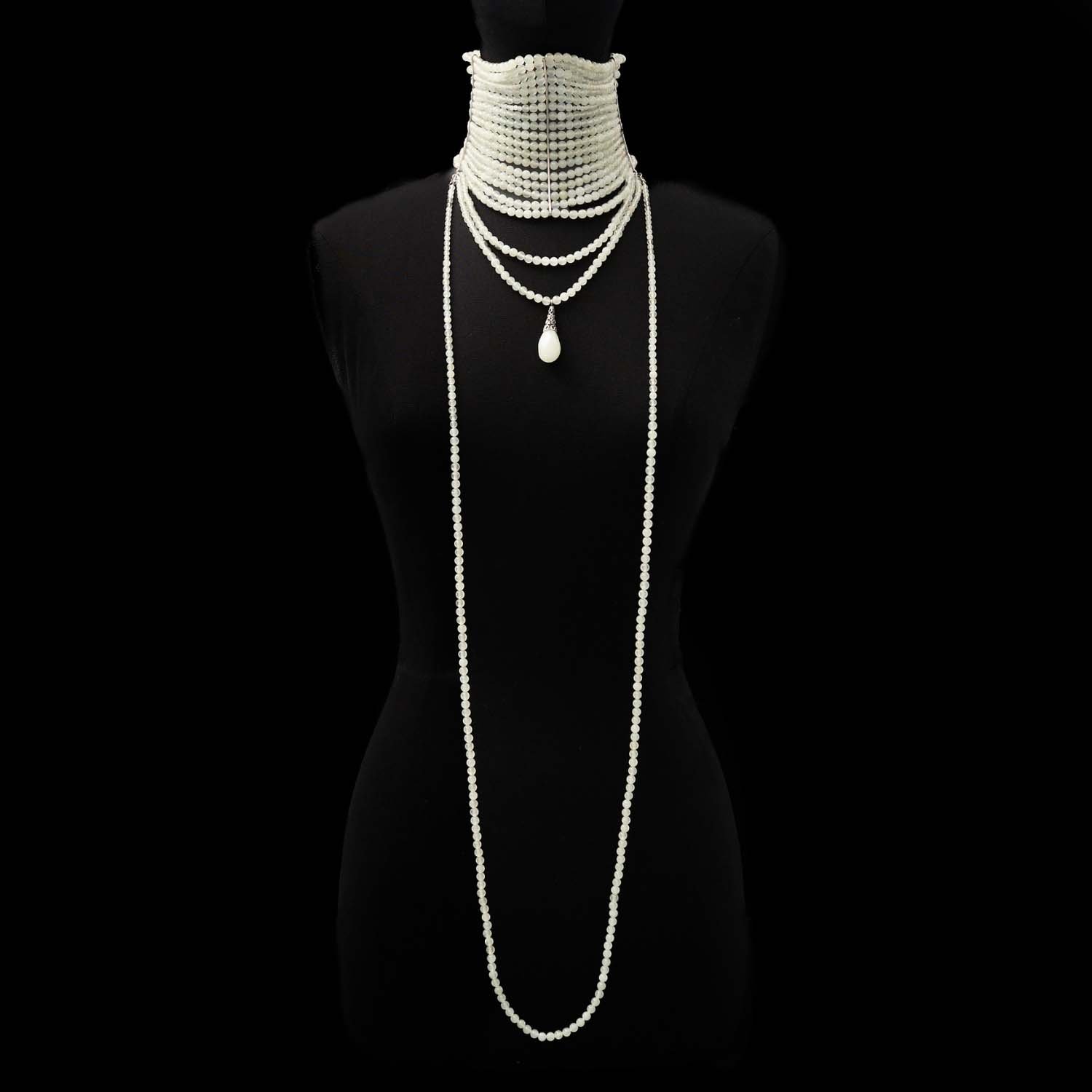
Lot No.88 CHRISTIAN DIOR X JOHN GALLIANO – CIRCA 1997- COLLIER MASSAÏ JEWELRY
Lot No.88 CHRISTIAN DIOR X JOHN GALLIANO – CIRCA 1997- COLLIER MASSAÏ JEWELRY
Crahay creates the codes without knowing which will survive. Blanckaert receives, decades later, the result of the sorting time has done.
Why would anyone counterfeit glass and gilt metal? The question sounds absurd, and yet forgeries exist even of bijoux from the 1980s. So the first task at Penelope’s is to establish what a piece actually is. Sometimes decades hide inside a few millimetres: a signature plaque slightly out of place, a clasp from another period, a proportion that looks wrong only to someone who has handled many originals.
This research gives names back. Blanckaert calls the paruriers visual ghostwriters, hands that made a house’s signature without ever signing it. When research links a piece to Robert Goossens, goldsmith to Gabrielle Chanel and later to Yves Saint Laurent, the piece changes status and price. The ones Elie Top designed for Lanvin during Alber Elbaz’s years are sought after partly because they are known to be his, and Schlumberger’s buttons followed the same path a century earlier. For some collectors, recognising the designer or the parurier is part of the pleasure, and Blanckaert’s catalogues are written for them.
The maisons themselves have become buyers at the salerooms. Heritage exhibitions are now part of the life of the great houses, and a house that shows its own history gains the depth of time. But how do you exhibit what was never kept? For decades accessories were treated as secondary, and the archives have gaps exactly there, so the houses buy back pieces no one thought to keep. The reconstituted archive returns to the design tables.
Among Blanckaert’s buyers, some wear the pieces and others keep them intact. At what point do we start preserving the things we originally chose to wear?
Crahay arrives at the same question from another direction. For her, a piece becomes collectible when attachment to it outgrows the occasions for wearing it. She buys shoes she will never wear and keeps them on display, and some of her clients hang plastrons on their walls at home.
A piece can go on being worn and at the same time start being treated as something kept, documented, passed down.
So what is a collector actually buying when they pay several thousand euros for glass, resin and gilt metal?
Several things at once. The material itself, since a pâte de verre is not just any resin. The hours of specialist hands behind it. The design, and the authorship, known or still to be established. The rarity, the condition, the provenance that ties the piece to a precise moment. The recognisable style of a house and an era. Time replaces none of these; it adds to them, and the market is where they are weighed together.
Crahay recalls passing a young woman in the Marais wearing a bulky 1980s piece over a torn shirt. It had been conceived for another decade, and on her it found a combination its creator could never have foreseen.
For thousands of years we have used adornment to show choices that would otherwise stay private: belonging, position, belief, taste. Fashion added another: choosing the periods, the houses and the cultural references we want to be associated with. A vintage piece lets you wear a fragment of another era without reproducing it.
Perhaps that is where the candy piece meets the shell necklace from the beginning of this story. Between them the materials changed, the markets changed, and so did the idea of luxury itself. What stayed was the wish to place on the body an object that says something before we speak.
images COURTESY
author REGINA SOARES VALVERDE