November 10, 2026
FRANZ JOSEF BAUR: THE BODY AS THOUGHT
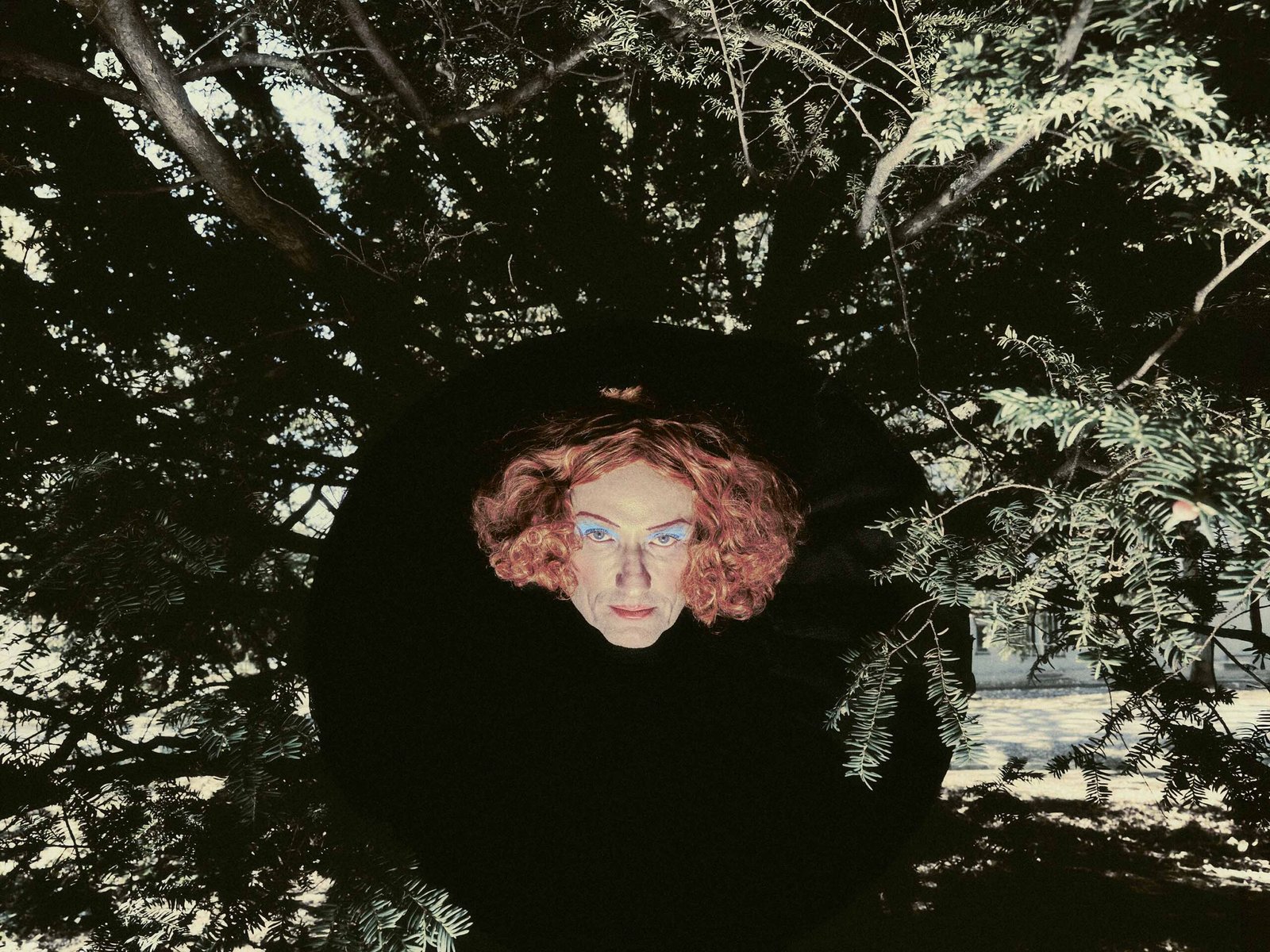
Moving between conceptual art, photography, fashion and performance, Franz Josef Baur has built a practice that resists easy definition. Working with the body as both a medium and a mirror, the Vienna-based artist explores the shifting boundaries of identity, self-perception and social expectation. His work often confronts the tension between the image we construct for the world and the person we understand ourselves to be, questioning established ideas of beauty, gender and belonging. Rather than offering definitive answers, Baur creates spaces for reflection, inviting us to reconsider what it means to be seen, to be accepted and, ultimately, to be ourselves.
Your practice moves between photography, fashion, installation, design and performance. Looking back, where did your artistic journey begin, and what initially drew you to the visual arts?
I think the urge to express myself was always there. As a child, I was constantly drawing. Growing up in a small village in southern Germany, art gave me the freedom to follow my own imagination. That impulse still connects everything I do today, whether through fashion, installation or performance.
You describe your work as deeply autobiographical, often exploring identity, the body and the tension between social expectations and personal expression. To what extent does your work reflect your own life, and at what point does a personal experience become something universal?
My work is autobiographical through and through. I believe every work of art carries something of the person who creates it. At the same time, many of the questions that concern me are universal: the pressure to constantly improve ourselves and live up to certain images, particularly through social media. I am no exception. My works are often questions given form through a particular medium. What viewers recognise in them and take away is theirs to decide.
You work across different disciplines, each with its own language and expressive possibilities. When approaching a new idea, how do you decide whether it should take the form of a photograph, a fashion project, an installation or a performance? Does the concept determine the medium, or can the medium itself inspire the concept?
That often emerges during the creative process. Sometimes a work begins with a question, sometimes with a material that fascinates me and sparks new ideas. I therefore try not to settle on a form too early.
At the moment, I am particularly drawn to performance. Through my own body, I can make questions of identity, expectations and vulnerability tangible. I expose myself to those questions. Gestures and moments emerge that I cannot fully plan in advance. That openness interests me.
What can performance express that photography or fashion cannot? As your own body takes on an increasingly central role in your artistic practice, has your understanding of yourself as both the creator and the subject of your work changed?
Performance makes my work feel more immediate to me. The human body is familiar to all of us. A movement or posture can convey a feeling we instinctively understand. I believe this also makes it easier for viewers to connect with the questions I explore.
Working with my own body brings me closer to what I want to express. I shape the work while also experiencing what it evokes in me. This has changed my understanding of my role: I am part of what I am exploring.
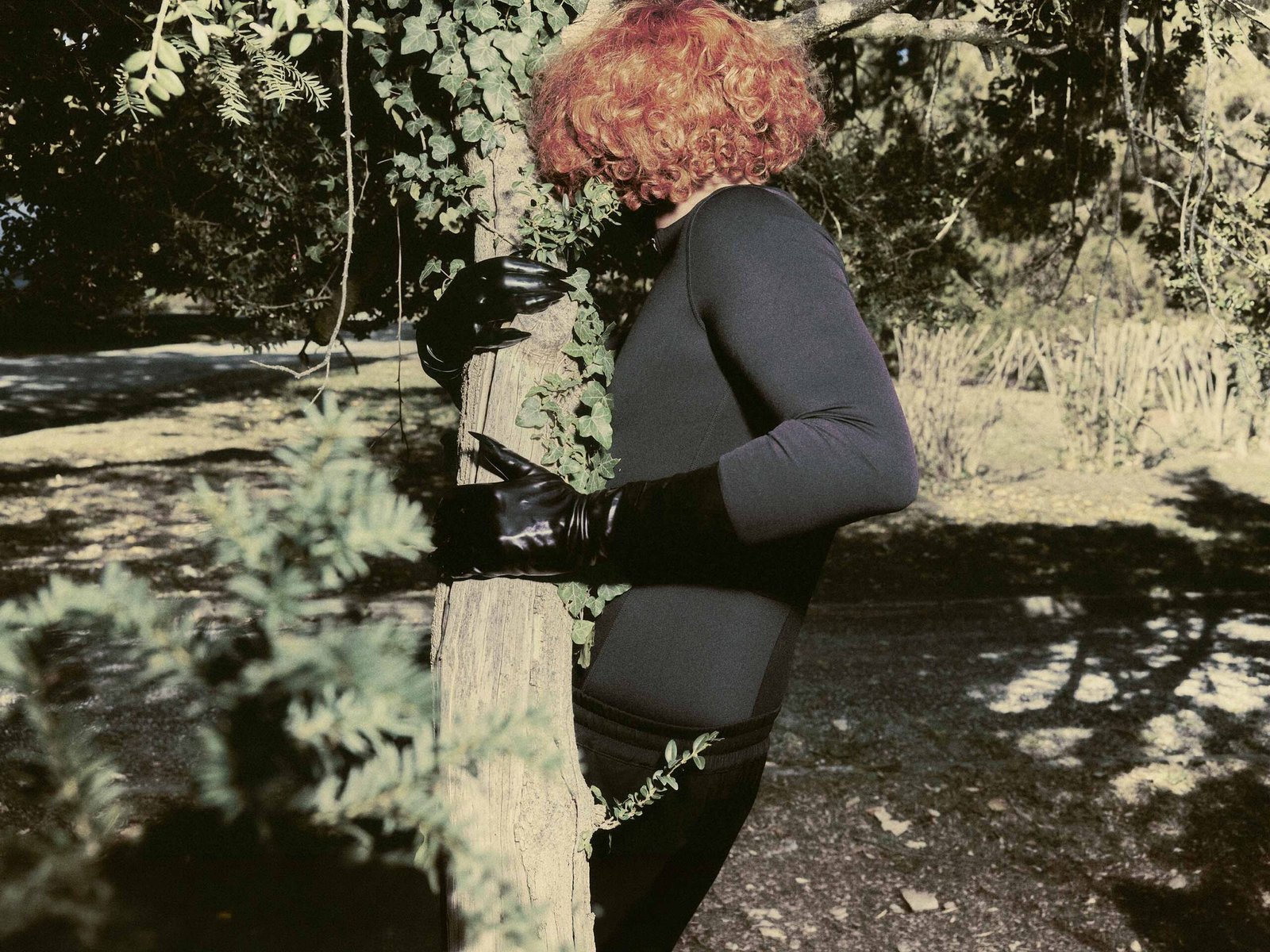
You move between conceptual projects with personal and social depth and commercial collaborations. How do you navigate the relationship between artistic freedom and the demands of the commercial world? Can these two seemingly different spheres challenge and enrich one another?
For me, moving between different fields has always been an advantage. It is how I think and work; ideas do not respect the boundaries between art, fashion and design. Commercial collaborations can also bring fresh perspectives. If a project excites me, I want the freedom to pursue it. What matters is that my own artistic perspective remains present. Whether I find a project artistically meaningful does not depend on whether others recognise it as art.
For me, the age of ivory towers is over. Art should be open to everyone. I struggle with the closed circles that exist in both art and fashion. What interests me is the exchange, and what can emerge when different people and perspectives come together.
Identity is one of the recurring themes in your work. In a contemporary culture where identity is increasingly understood as fluid, multifaceted and self-defined, how do you approach the relationship between who we are, how we see ourselves and how others perceive us?
I believe there is always a tension between who we are, how we see ourselves and how others perceive us. In my 2025 exhibition “All Eyes on Us,” I explored what it does to us to be constantly seen and judged. At some point, we may internalise the gaze of others and mistake it for our own.
For me, identity is never fixed. We change, discover new aspects of ourselves and can let go of ideas that once defined us. Self-determination therefore also means asking: What feels true to me, and what am I doing simply because it is expected of me? My work invites a second look. A first impression can reveal something about a person, but never everything.
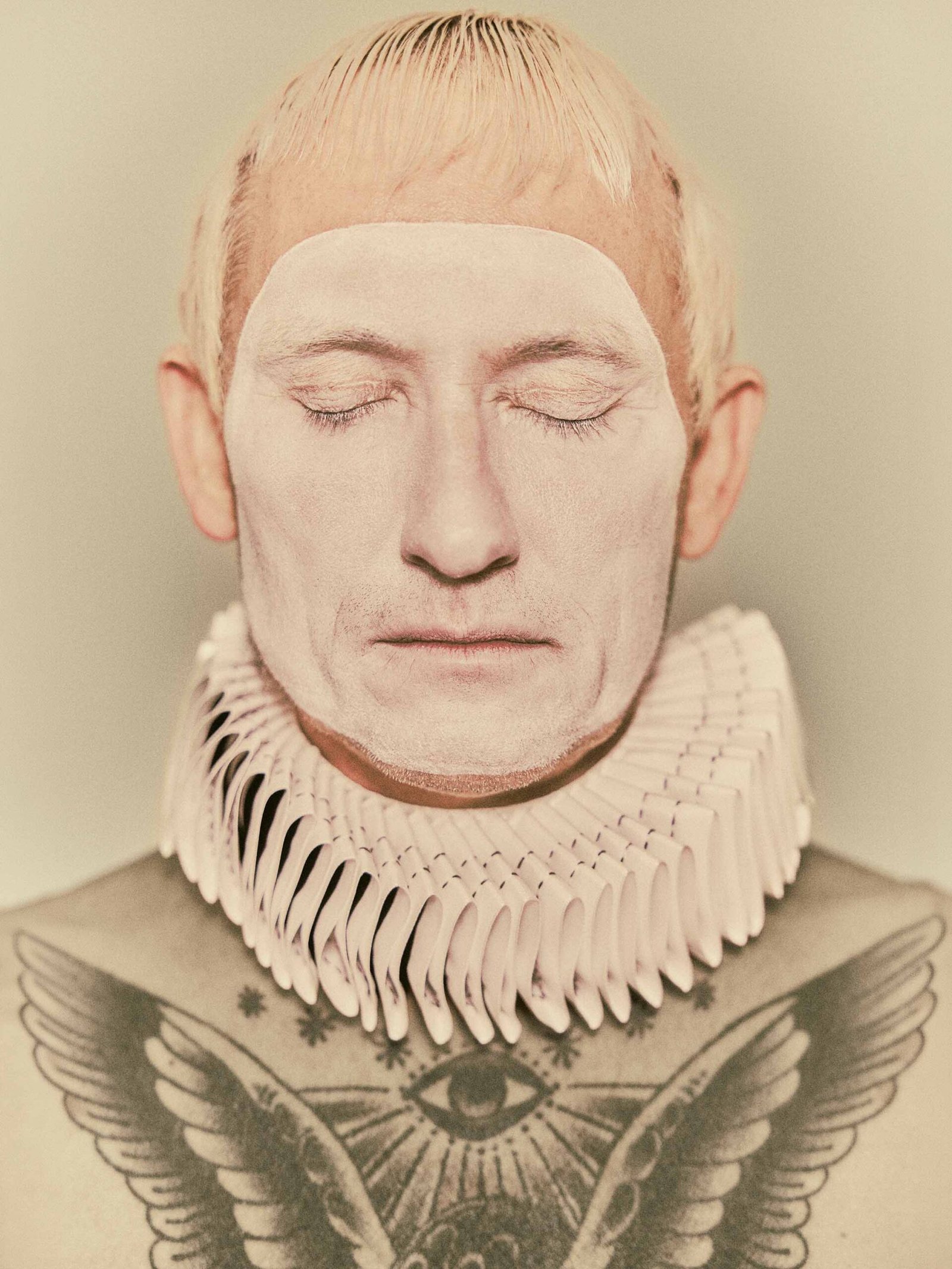
The body has historically been a space onto which society projects its ideas of beauty, gender and belonging. As contemporary understandings of gender evolve beyond traditional binaries, how do these changes influence your visual language and your approach to representing the human body?
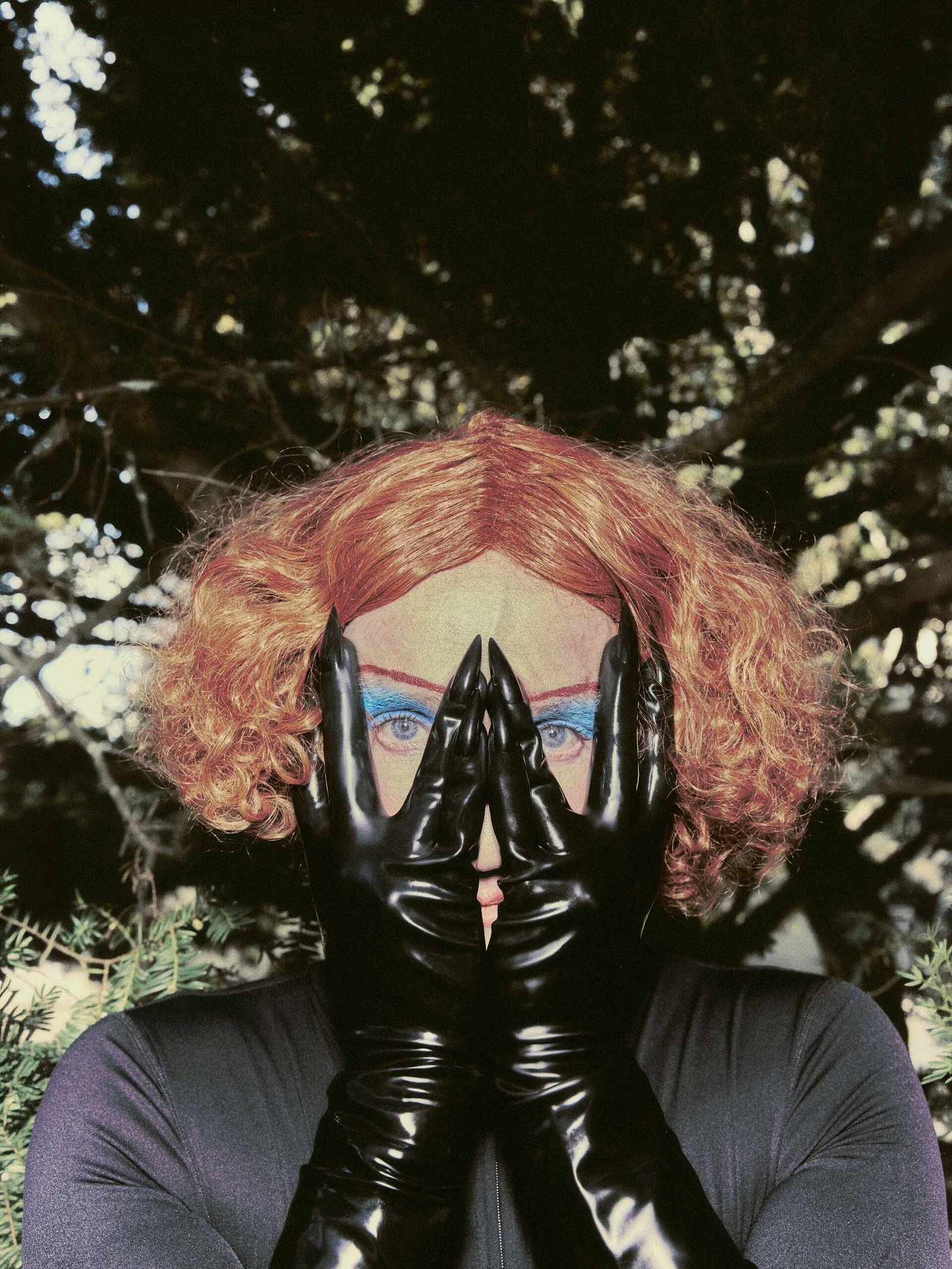
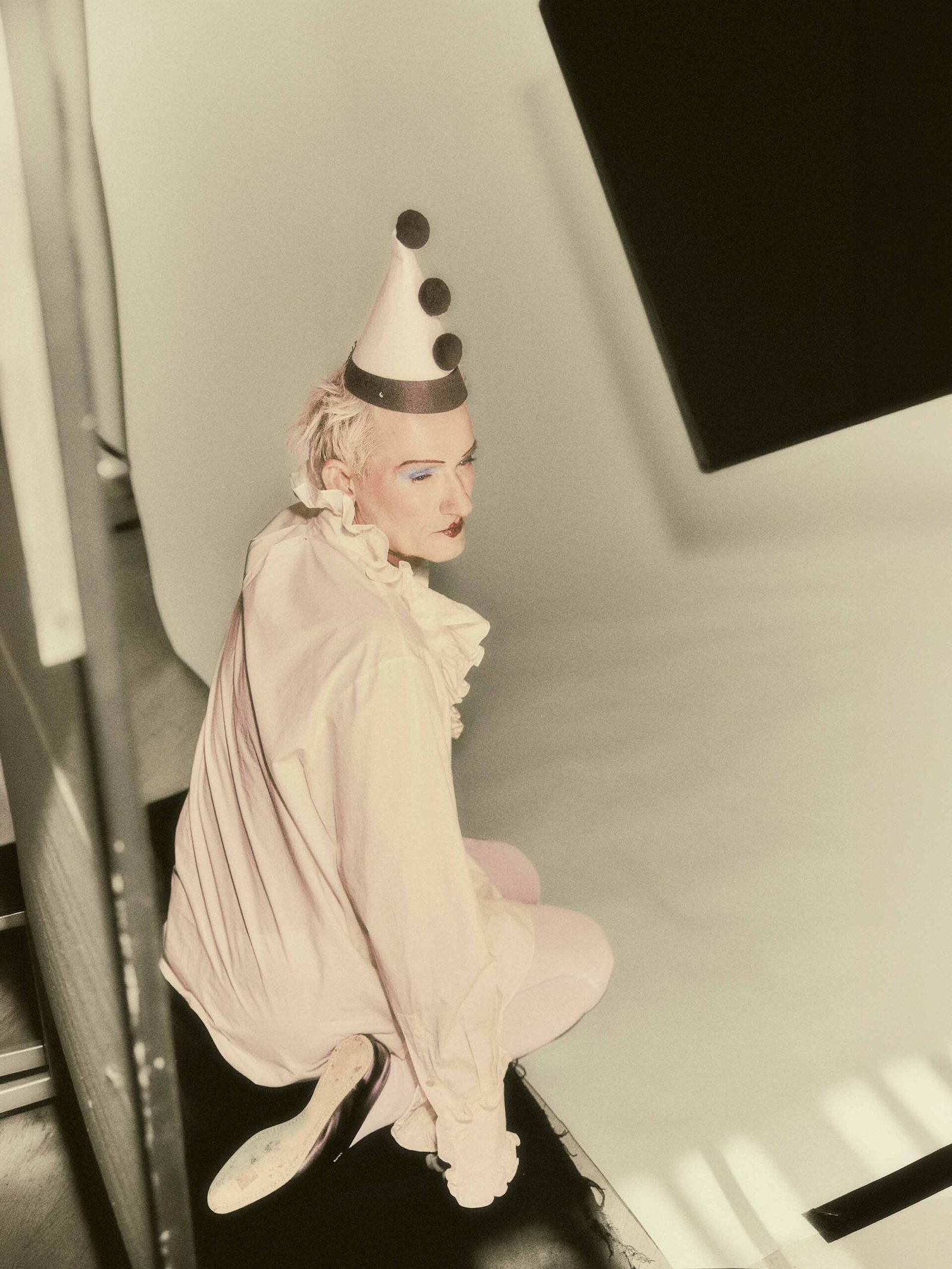
I am interested in how quickly we look at a body and assume we know something about the person. We often associate clothing, posture and gestures with particular ideas of gender. In my work, I play with these habits of seeing and try to make room for other perceptions.
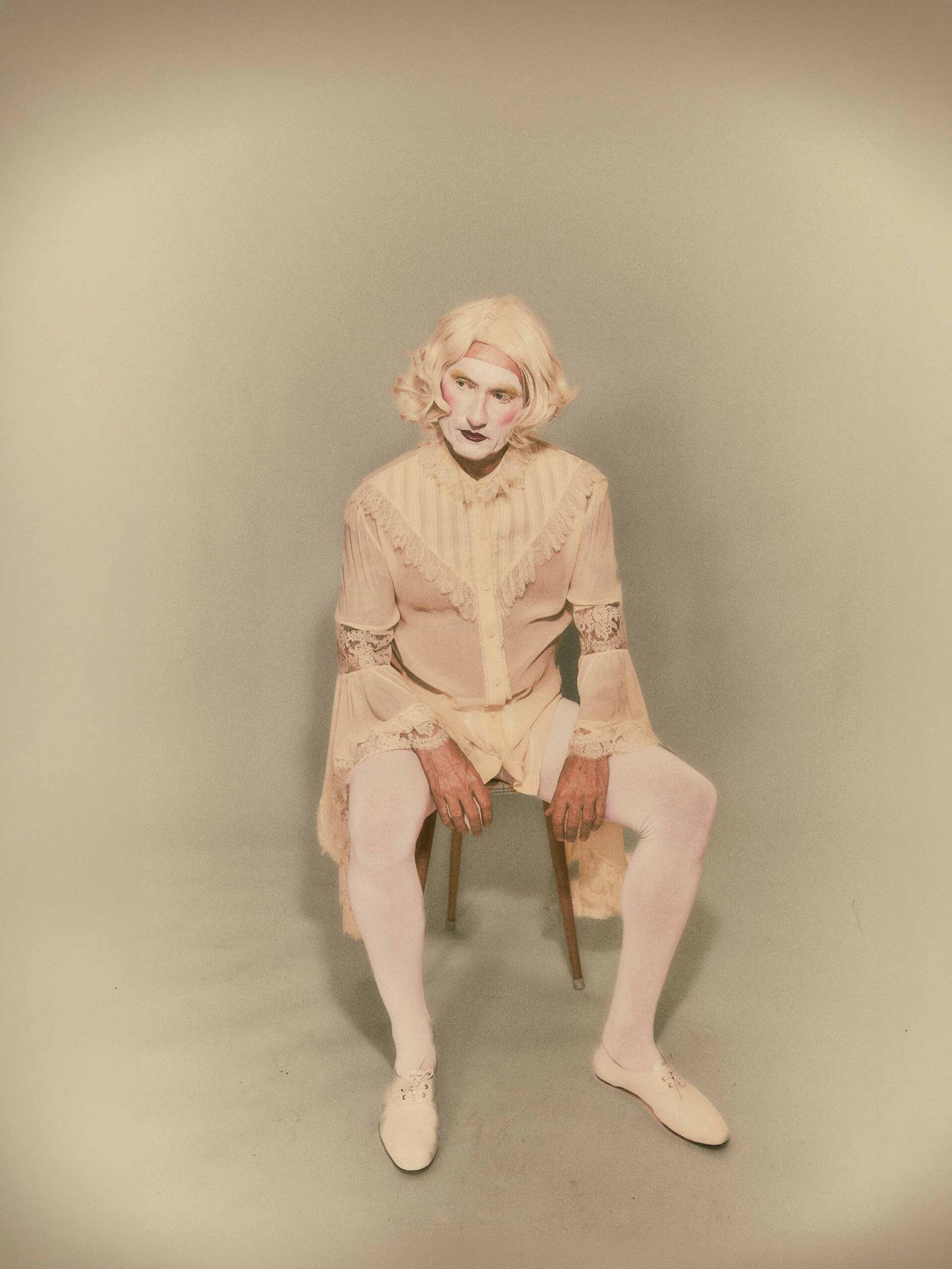
Today’s discussions around the diversity of gender identities encourage me to look more closely and question my own assumptions. I speak from my personal experience. I am interested in how strength, tenderness and vulnerability can coexist within a body. My images aim to leave room for individuality and for people to define who they are and how they wish to express themselves.
We are entering an era in which images can be generated, manipulated and transformed in seemingly limitless ways through artificial intelligence. How do you think this transformation will affect photography and the visual arts more broadly? Do you see AI primarily as a creative tool, a challenge to artistic authorship or an opportunity to rethink what an image can be?
AI fascinates me with its speed and the possibilities it opens up. I believe we will increasingly distinguish between the impact of an image and the story of how it came into being. As an artist, I know how much time, doubt and dedication can go into a work. In performance especially, things emerge because I am physically present, feeling something and exposing myself to a situation. That experience is part of the work for me.
I also believe that much depends on how we, as humans, engage with AI. It starts with small decisions: Which choices do I delegate to it, what do I question, and where does my own contribution lie? For me, this also means being open about how a work was created. I approach AI with curiosity and respect.
Have you incorporated artificial intelligence into your own creative process, or are you still exploring its possibilities from a critical perspective? If you were to use it, what would you want it to make possible that traditional artistic methods cannot?
I have experimented with AI to visualise project ideas. When it comes to editing images, however, I still find it difficult to work with, because it often changes more than I intend. When a particular gesture or expression matters, those changes can alter the impact of the work.
For now, I am interested in whether AI can help me explore ideas that would be difficult to realise with physical bodies or materials. I would use it as a space for experimentation, to discover new possibilities for my work. Whether something artistically compelling emerges is something I want to find out through the process.
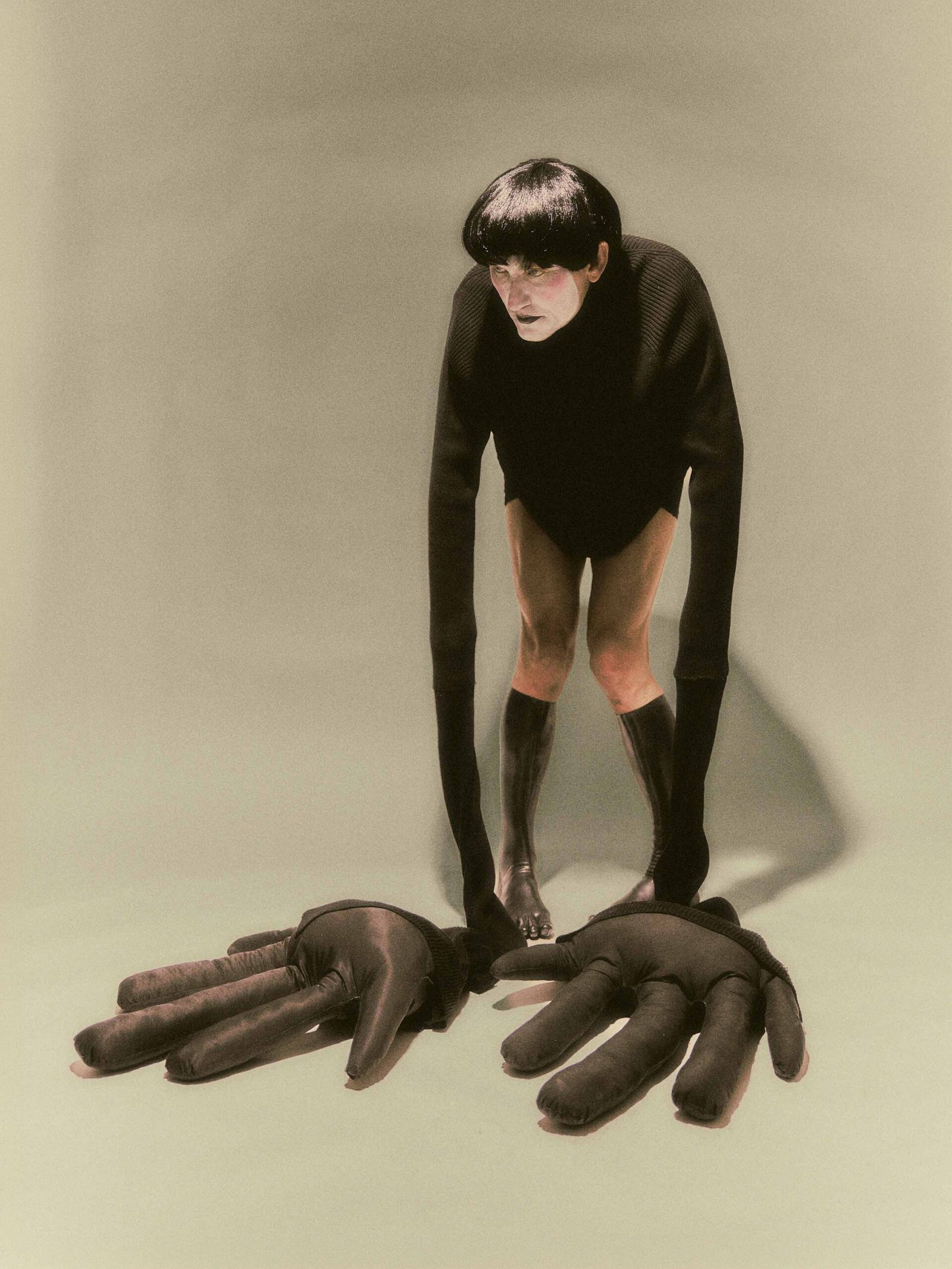
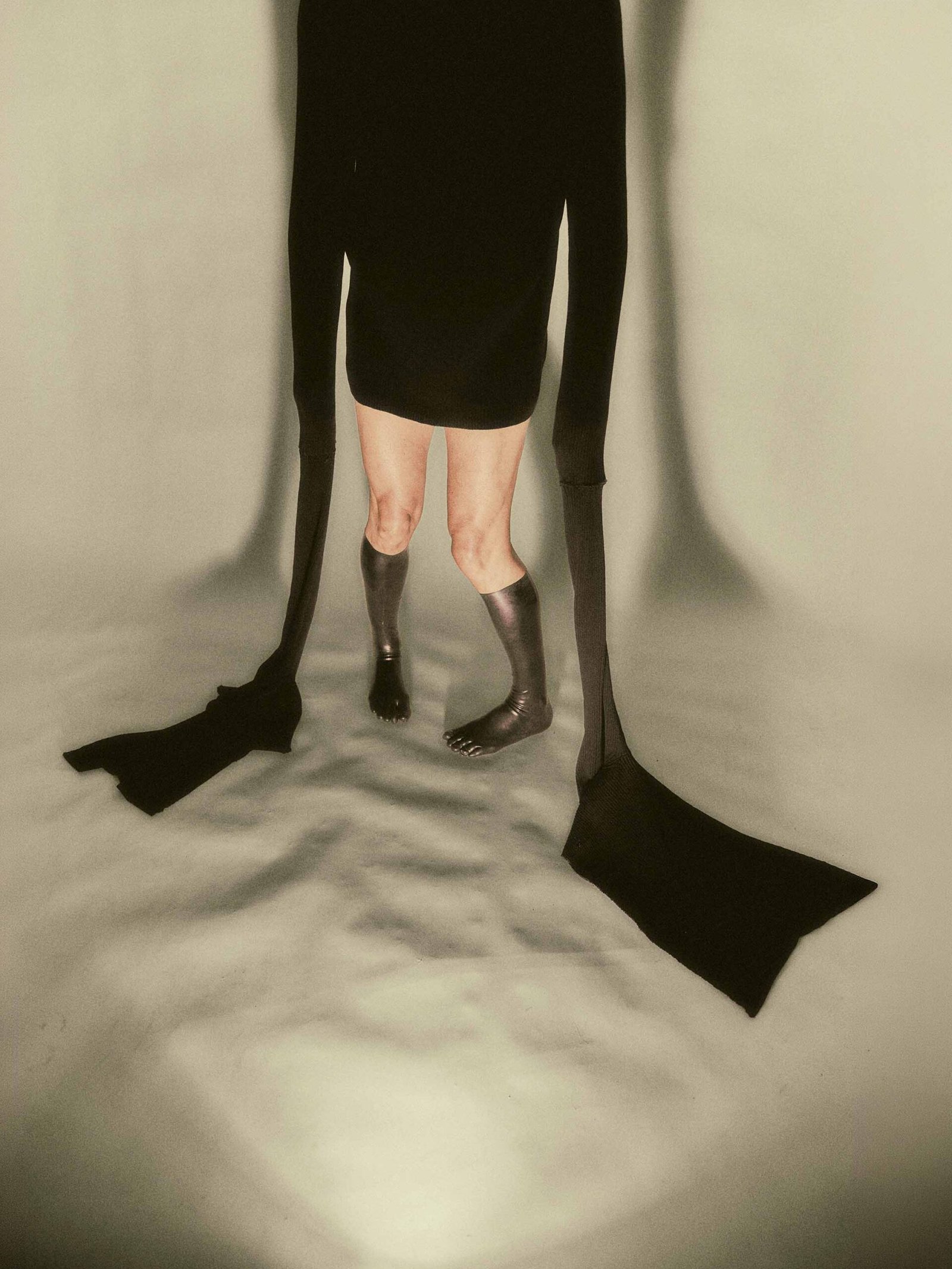
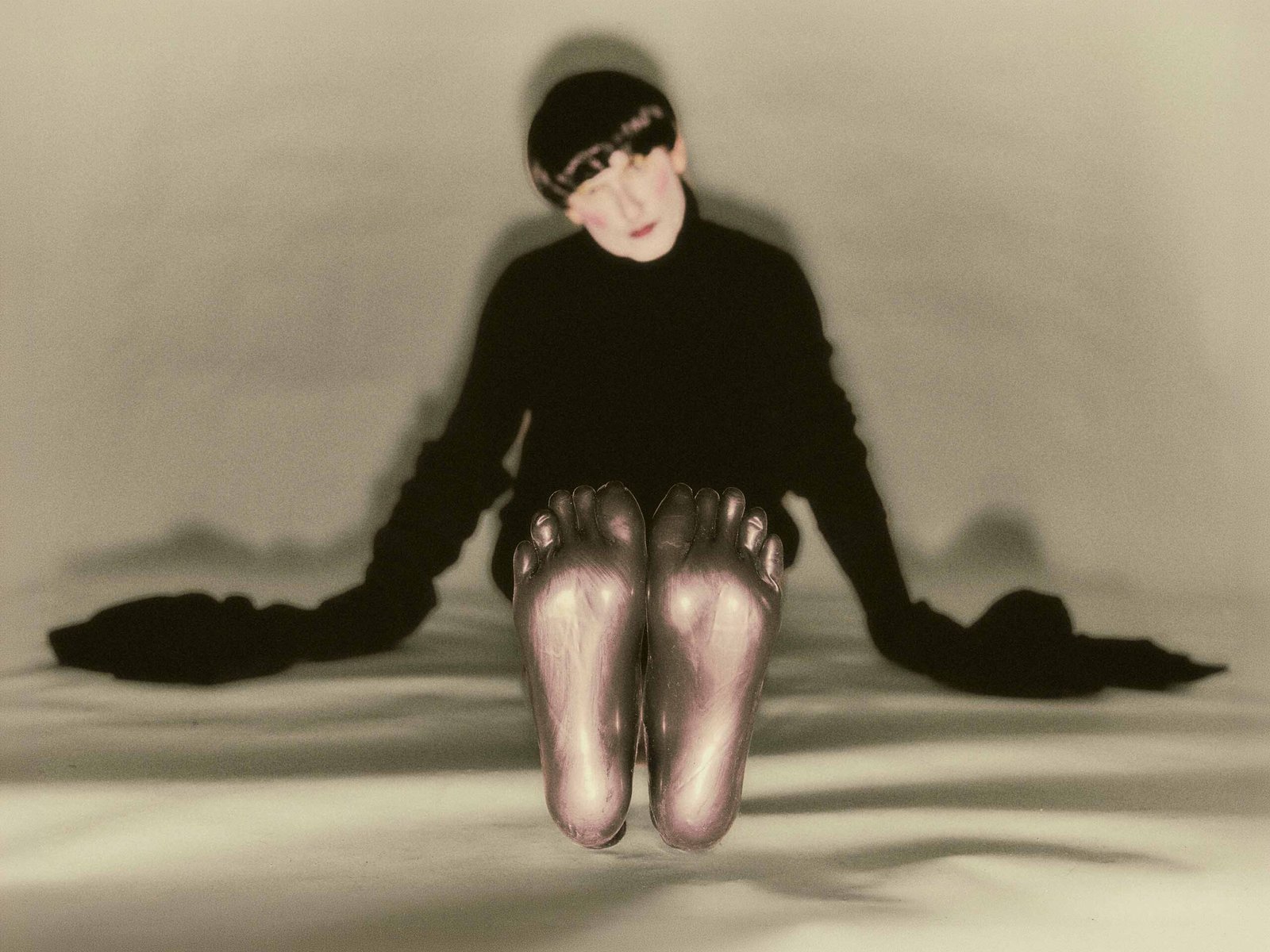
Your performance The Cult of Perfection examines the influence of perfection on identity and self-esteem. In a culture shaped by social media, digital filters and increasingly artificial standards of beauty, what does imperfection mean to you? Could embracing our own vulnerability become a form of resistance?
For me, imperfection means true freedom: accepting and loving myself as I am, without constantly having to correct something about myself. That does not always come easily to me either. “The Cult of Perfection” is therefore an exploration of my own expectations and contradictions.
Embracing our vulnerability can be an act of resistance against the pressure to keep improving ourselves. But for me, it is also deeply personal: the possibility of making peace with ourselves. I believe that is an essential part of finding happiness.
You have expressed a desire to make art accessible to everyone, inviting audiences to recognise their own experiences in your work. What do you hope people take away from an encounter with your art?
I hope my work evokes an emotion that runs deep and prompts reflection. Perhaps someone recognises something of themselves in it; perhaps it touches on something they have not yet found words for.
I believe we need to give our feelings more space. In the rush of everyday life, we often barely take the time to notice what something stirs within us. Art can create a moment in which we pause and feel closer to ourselves or to another person.
Looking ahead, which questions about identity, the body and human expression remain unresolved for you? Is there a medium, an idea or a part of yourself that you have not yet dared to explore artistically?
I continue to question how much of what I consider my own self-image truly comes from me. My relationship with my body also changes over time. What happens to our identity when the body changes and no longer allows itself to be controlled as we might wish? For me, many questions remain open.
In my recent work, I have consciously allowed things I would previously have rejected. That includes finding the courage to reveal aspects of myself that, for years, I did not find beautiful and preferred to hide. There is a great deal of freedom in that. In doing so, I question my own boundaries and assumptions. I want to explore this openness further through performance. With every work, I discover something I have not yet shown or do not yet fully understand myself.
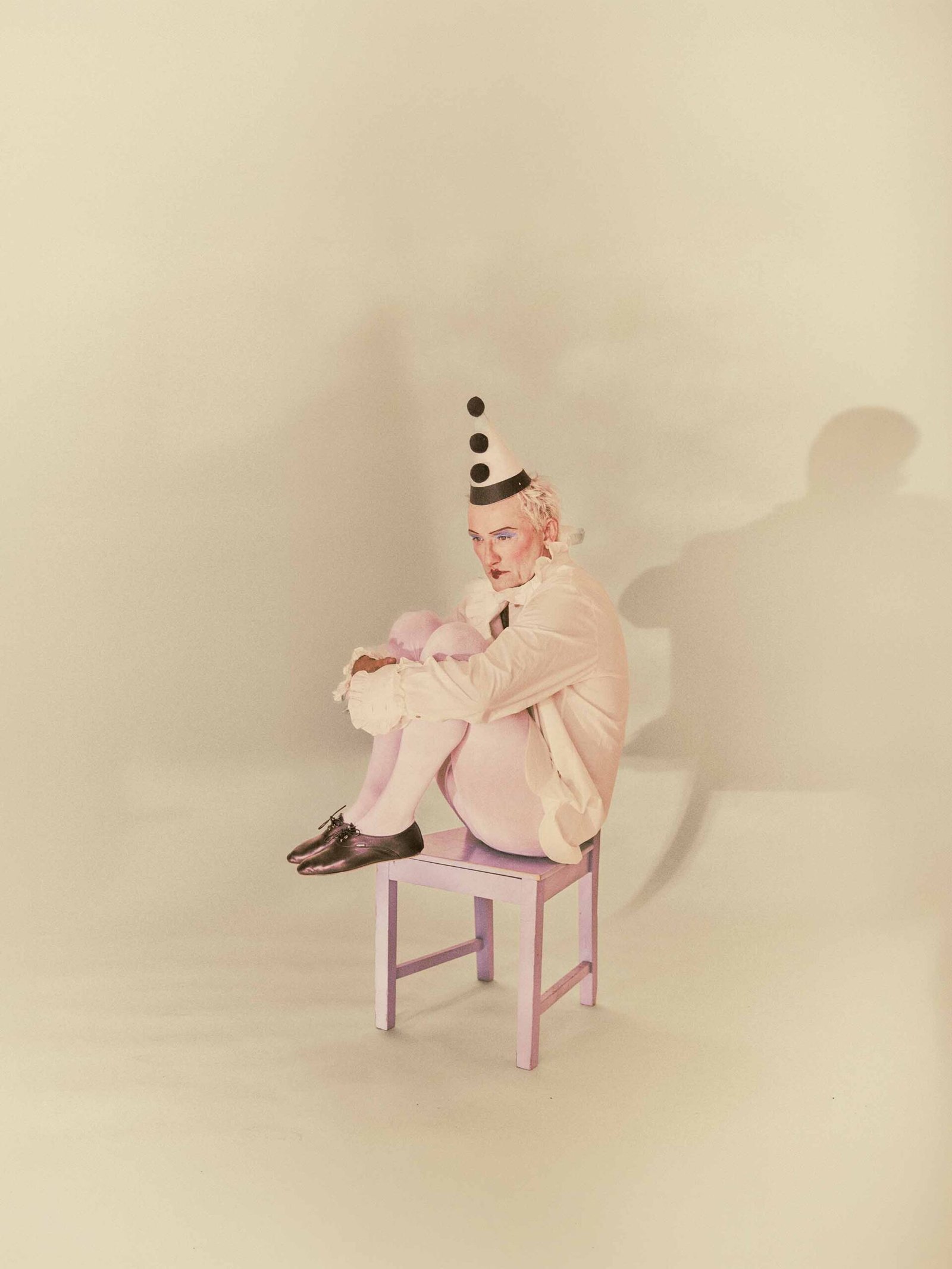
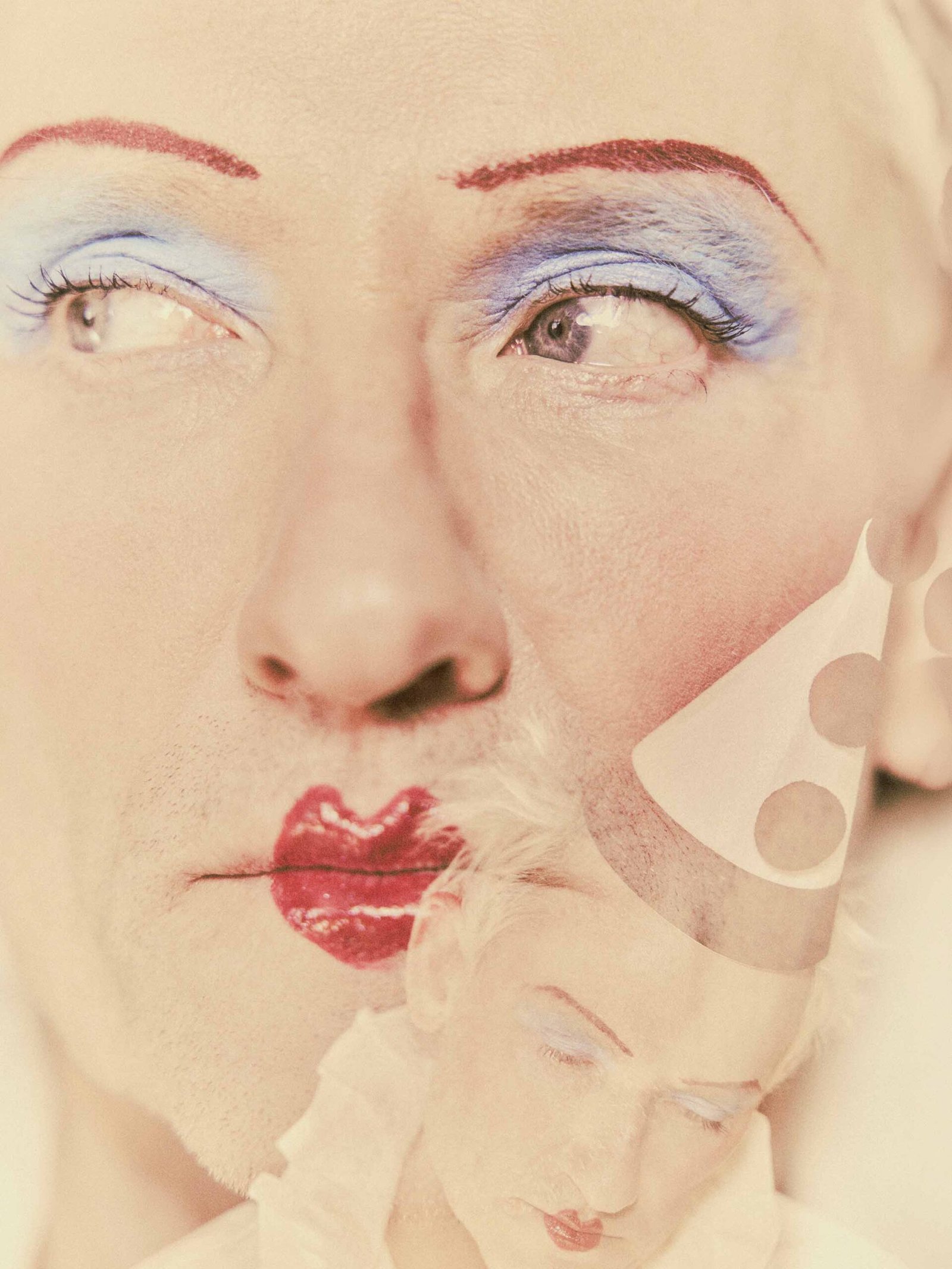
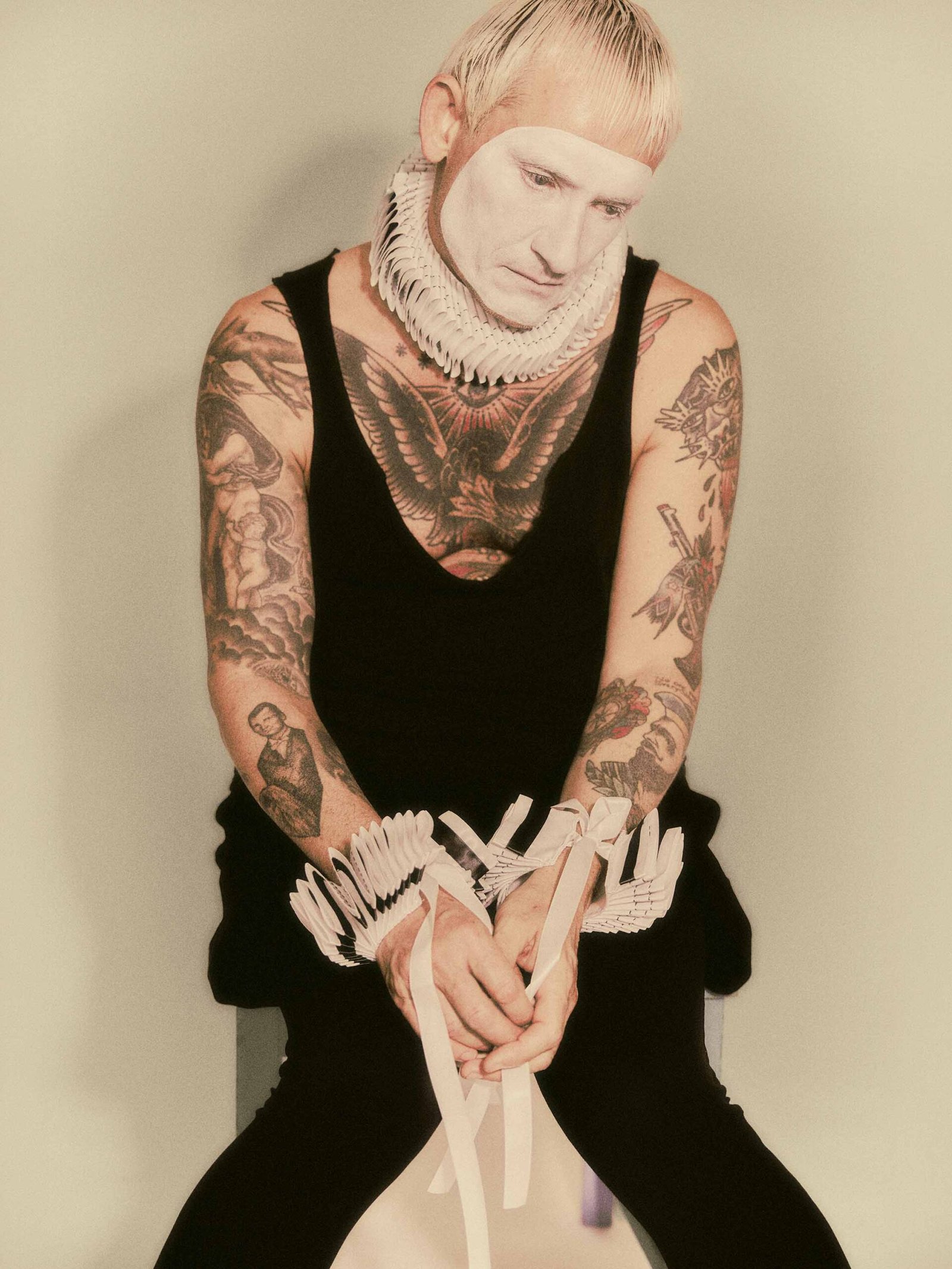
In “Behind the Face,” you draw on the figure of Pierrot. What drew you to him, and what do you explore through him about the roles we play in everyday life?
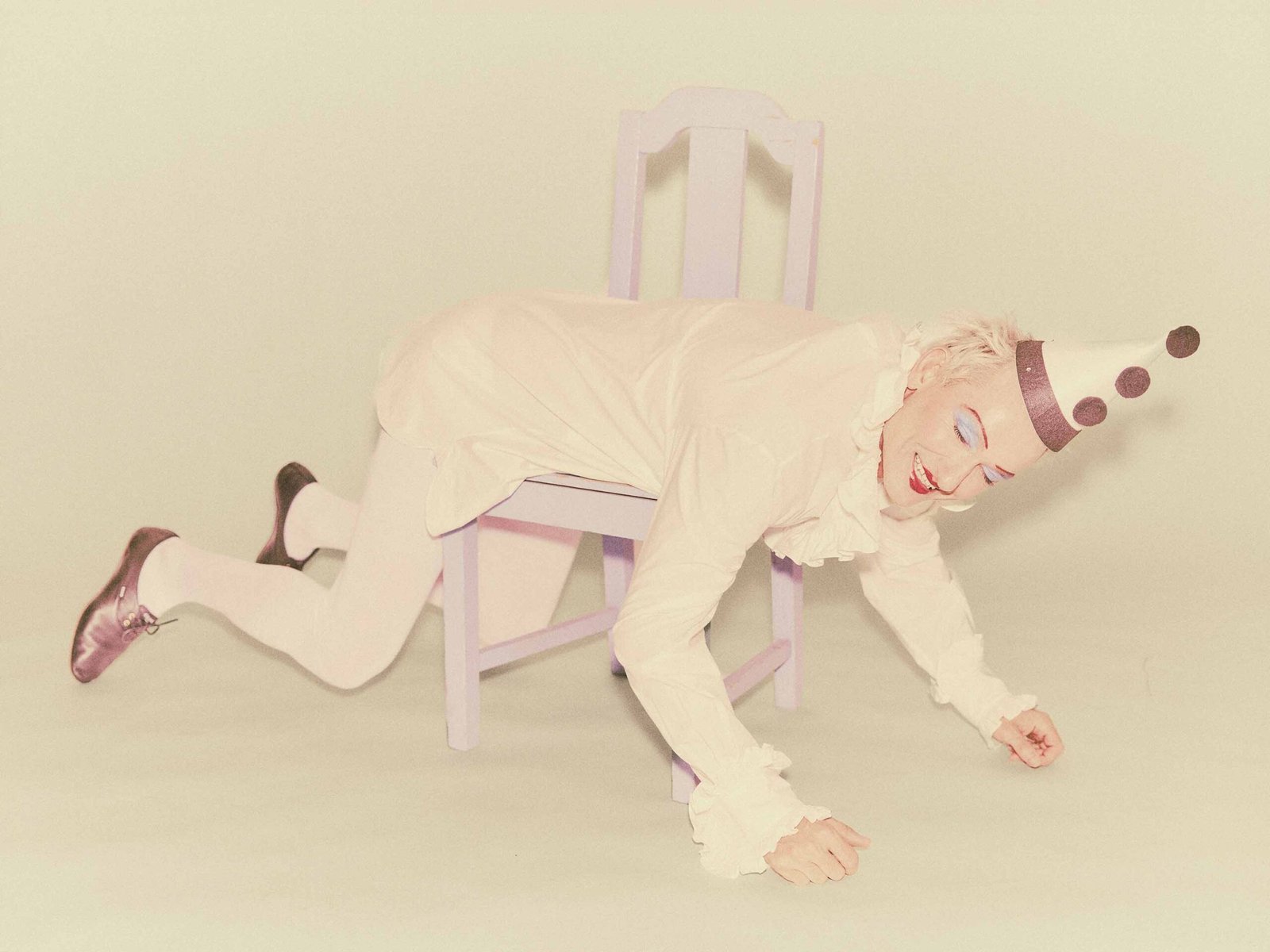
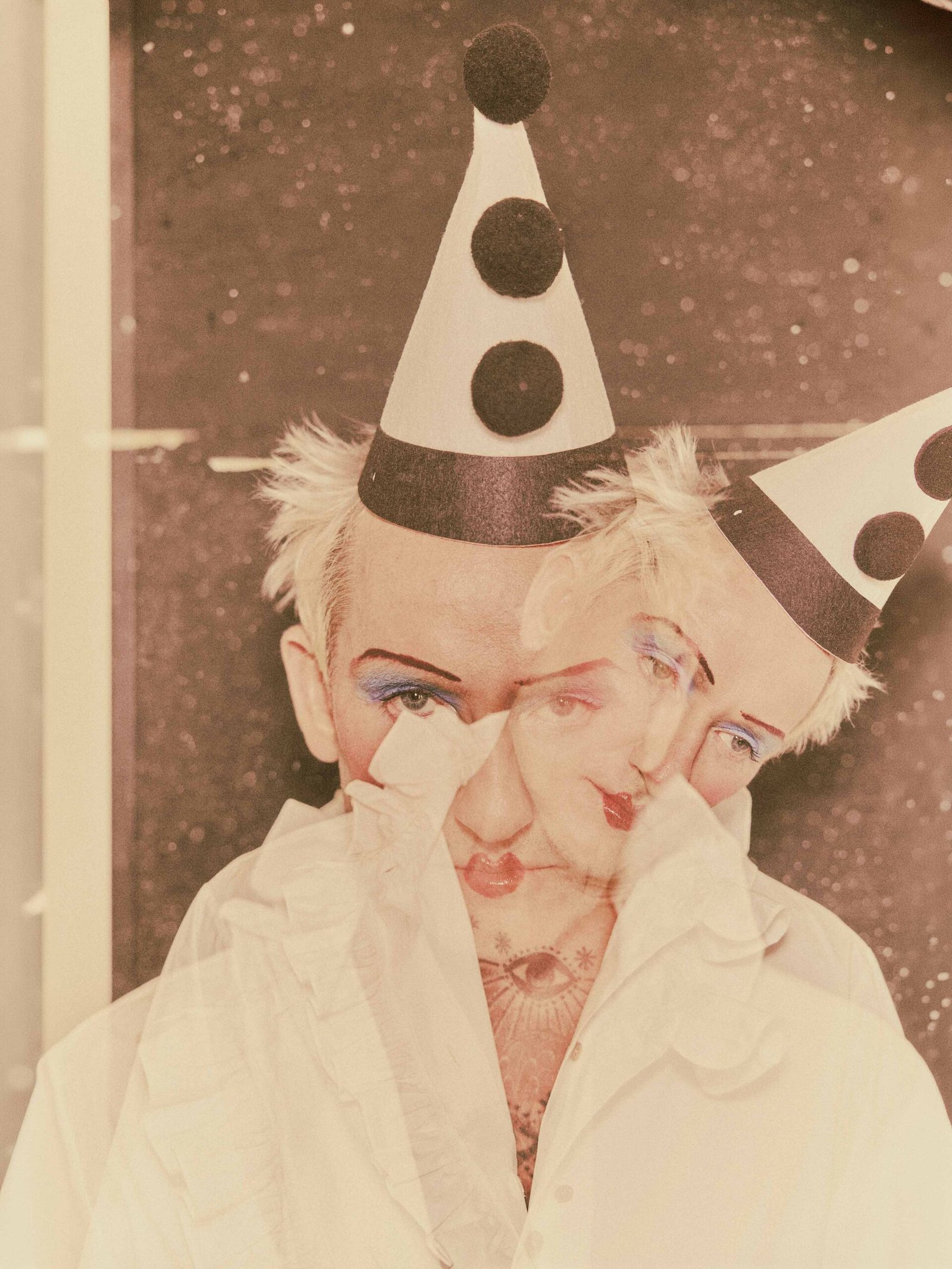
What fascinates me about Pierrot is how closely comedy and sadness coexist within him. He can be playful and naïve, yet he also carries a melancholy: a longing for love and closeness that often remains unfulfilled. I recognise something deeply human in that tension.
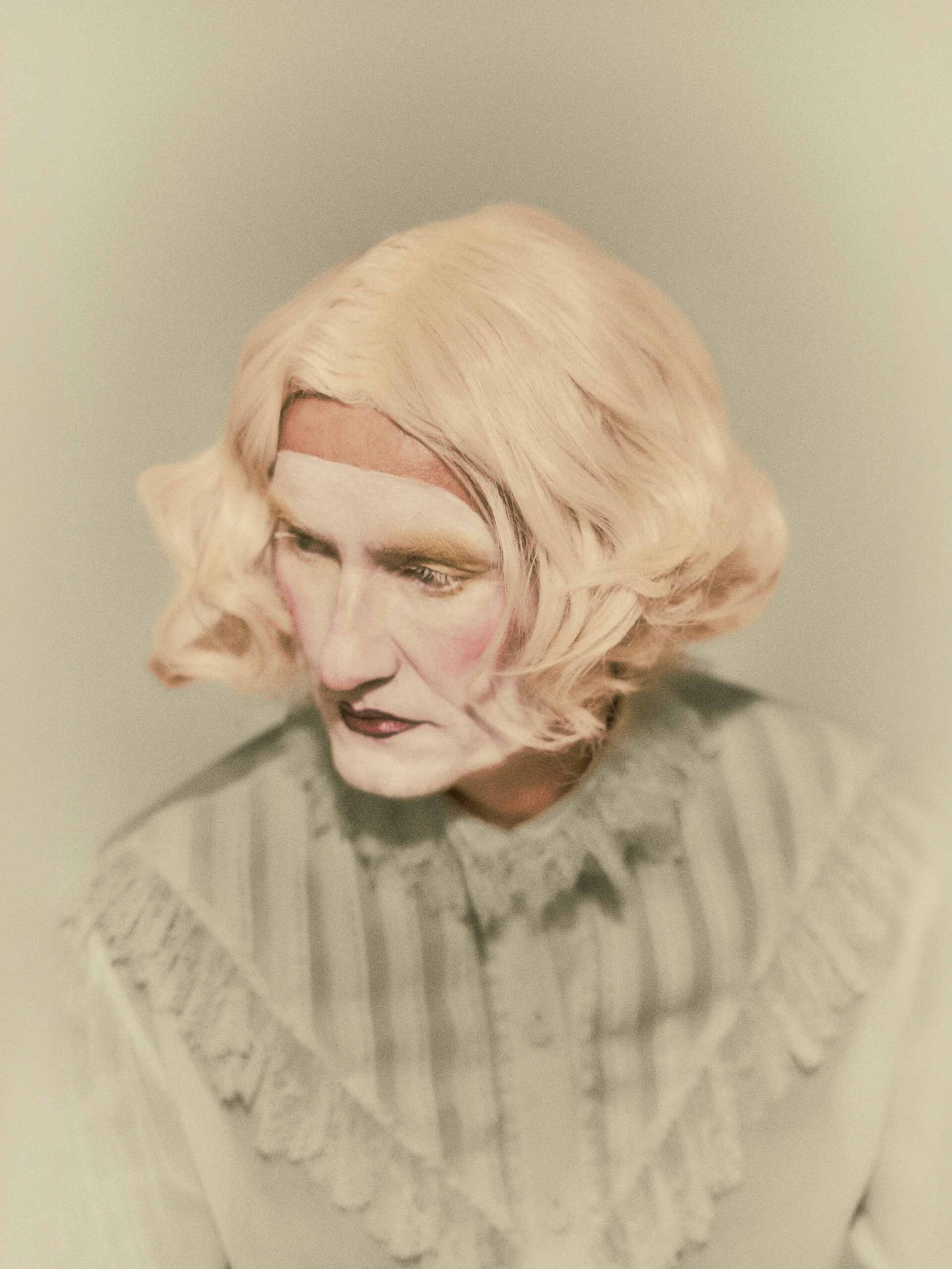
In “Behind the Face,” I explore the roles we take on in everyday life. We entertain, show strength and seek approval. At the same time, we may feel sad, uncertain or long for closeness. Pierrot gives me a way to express these contradictory feelings through my own body.
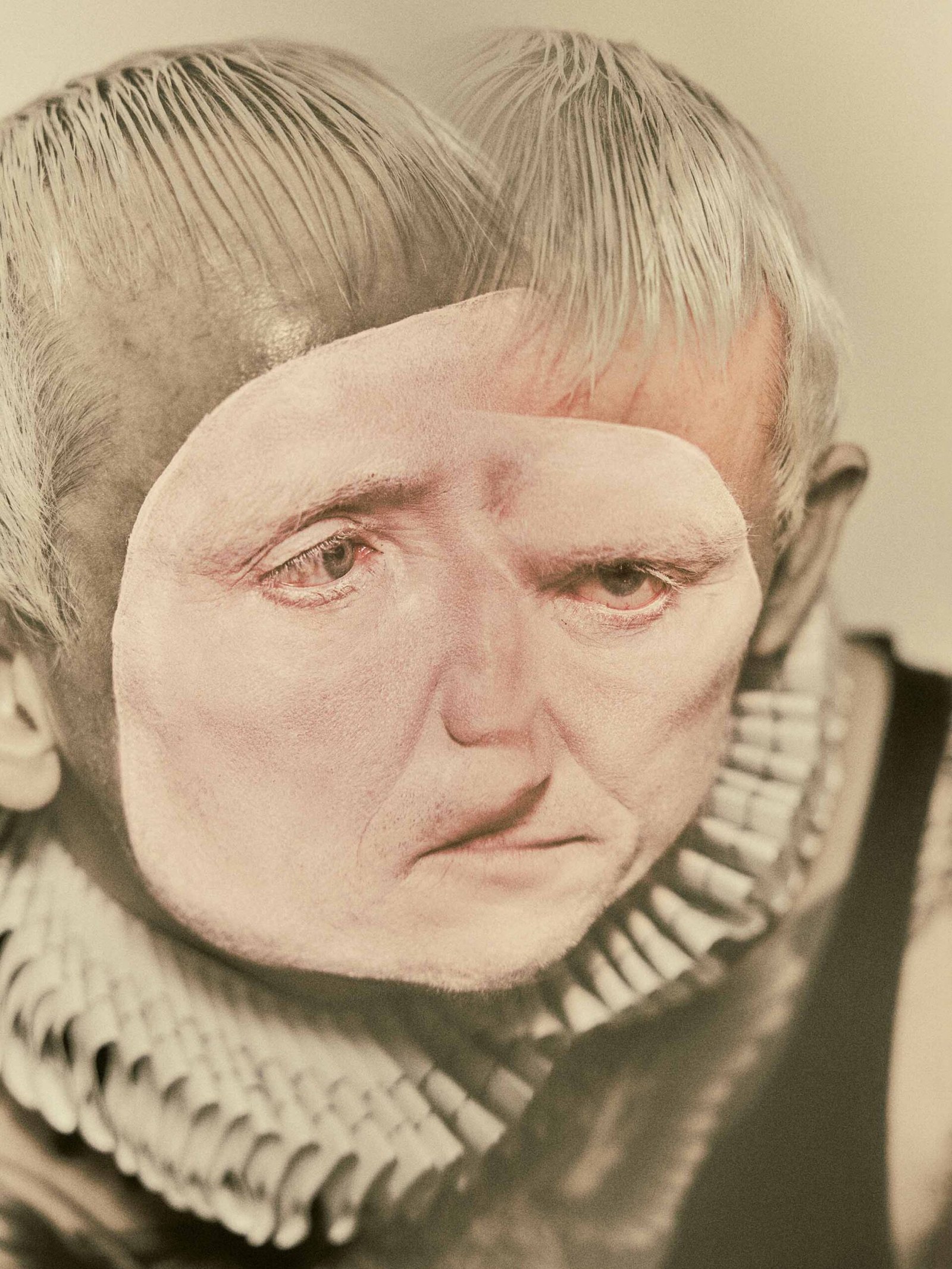
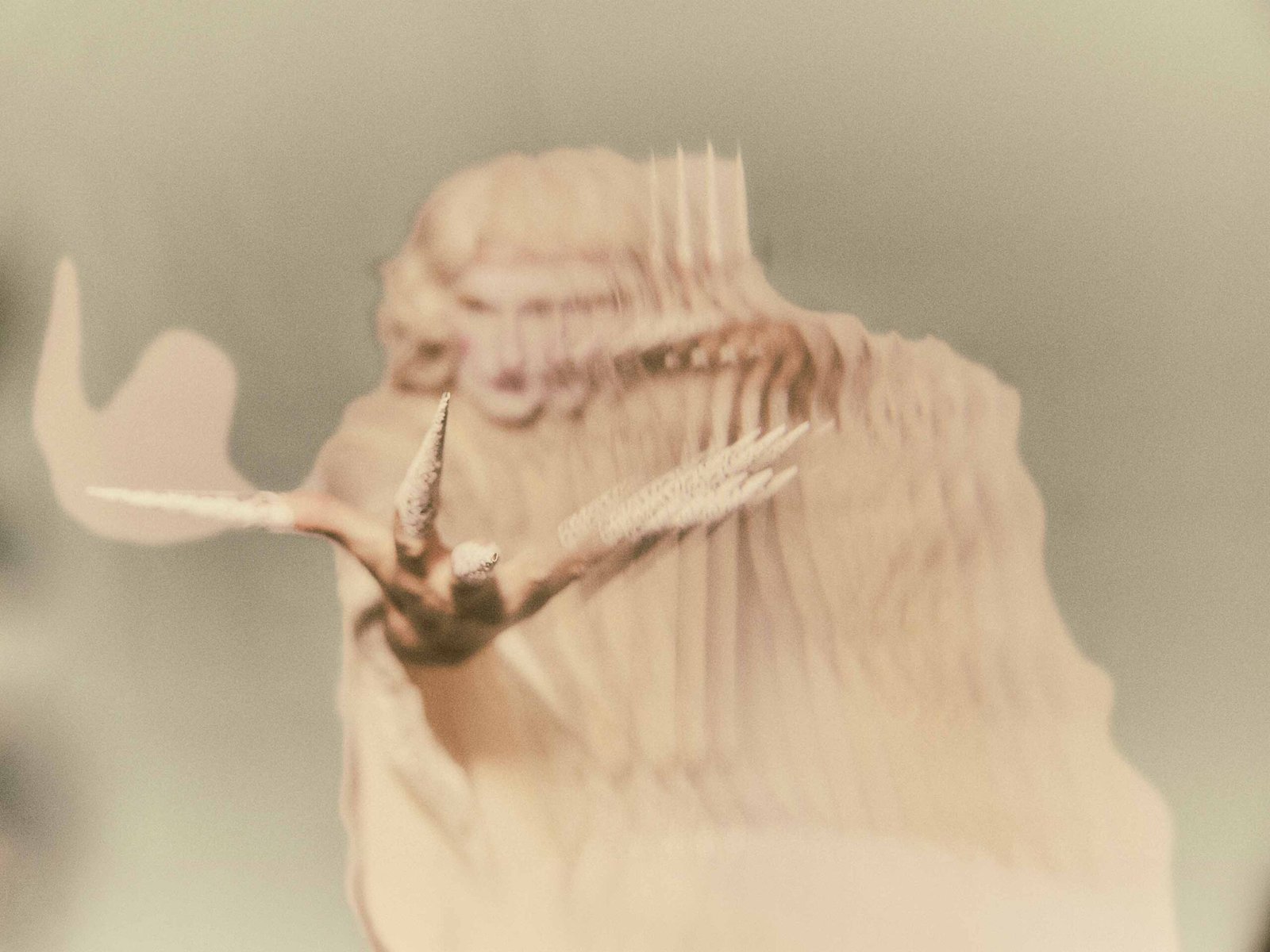
Hilde van Mas makes these multiple layers visible through photographic superimpositions. My face appears several times, with each gaze directed elsewhere. One person, multiple manifestations. The question that stays with me is: Can we reveal ourselves without having to fulfil a role?
Perhaps the most compelling aspect of Franz Josef Baur’s perspective is his ability to leave questions unanswered. In a world where identity, image and perception are constantly evolving, his work reminds us that there are no definitive definitions of who we are. The future, in this sense, lies not in finding answers, but in continuing to explore, question and allow ourselves to change. Because, ultimately, the body, like thought itself, never ceases to transform.
Team credits:
artist and performer FRANZ JOSEF BAUR
photography HILDE VAN MAS
light assistant DANIEL BINDER
photo assistant NADJA SPIEGEL
hair and make-up artist SOPHIA JANE
Interview by SEBASTIÁN MAGUNACELAYA