
June 1, 2026
Ferrari Luce: Ferrari Enters the Electric Era
On May 24th, Ferrari unveiled one of the biggest intrigues of recent years: the brand presented its first fully electric vehicle in Rome. The location choice feels symbolic — the Vela di Calatrava — Città dello Sport in Rome. Ferrari won its first ever victory in Rome on the same day in 1947, with the Ferrari 125 S at the Gran Premio di Roma at the Baths of Caracalla circuit — a reminder that Ferrari’s identity was always built around progress, evolution, and redefining performance for each new era.
Benedetto Vigna, CEO of Ferrari, shares his vision: “We are convinced that a company demonstrates its leadership when it has the courage to dare and to take on the challenge of new technologies. Ferrari Luce was born precisely from this challenge, offering our unprecedented vision of electrification. Never before have we offered our clients such freedom of choice.”
And perhaps this is precisely why the Maranello marque chose to approach the project differently from the very beginning — by collaborating with LoveFrom, the creative collective founded by Jony Ive and Marc Newson. Introducing a team from outside the Ferrari Design Studio, led by Flavio Manzoni, invited a new perspective and cross-fertilization of ideas.
A partnership that sparked a lot of attention: the iconic Italian automotive brand known and loved for its performance, aggressive design, speed, and F1 leadership, and Jony Ive — the designer mind behind the iPhone, iPad, and other iconic Apple products — together with his collective LoveFrom.
Two absolute leaders in their respective worlds who made history.
Ferrari redefined the idea of the sports car, transforming speed, engineering, and racing excellence into a global symbol of performance luxury and aspiration.
Sir Jony Ive defined a new era of human interaction with technology — reshaping how we communicate, connect, and experience the digital world through design.
The result of this encounter is the Ferrari Luce.
The name itself means “light” in Italian — but also clarity, direction, illumination. According to Ferrari, Luce was conceived not simply as “the electric Ferrari,” but as an entirely new interpretation of what a Ferrari could become.
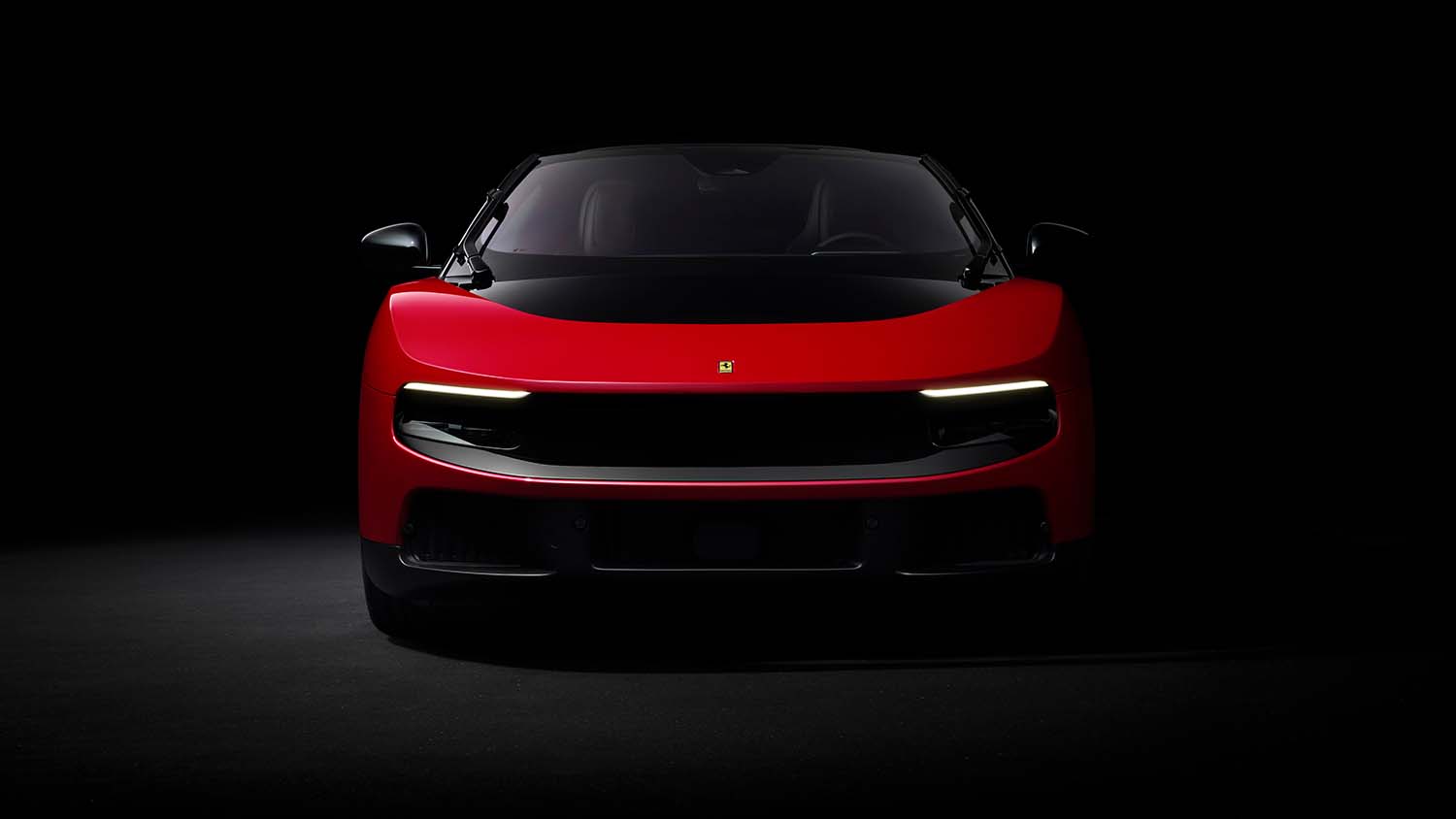
And visually, it immediately feels different.
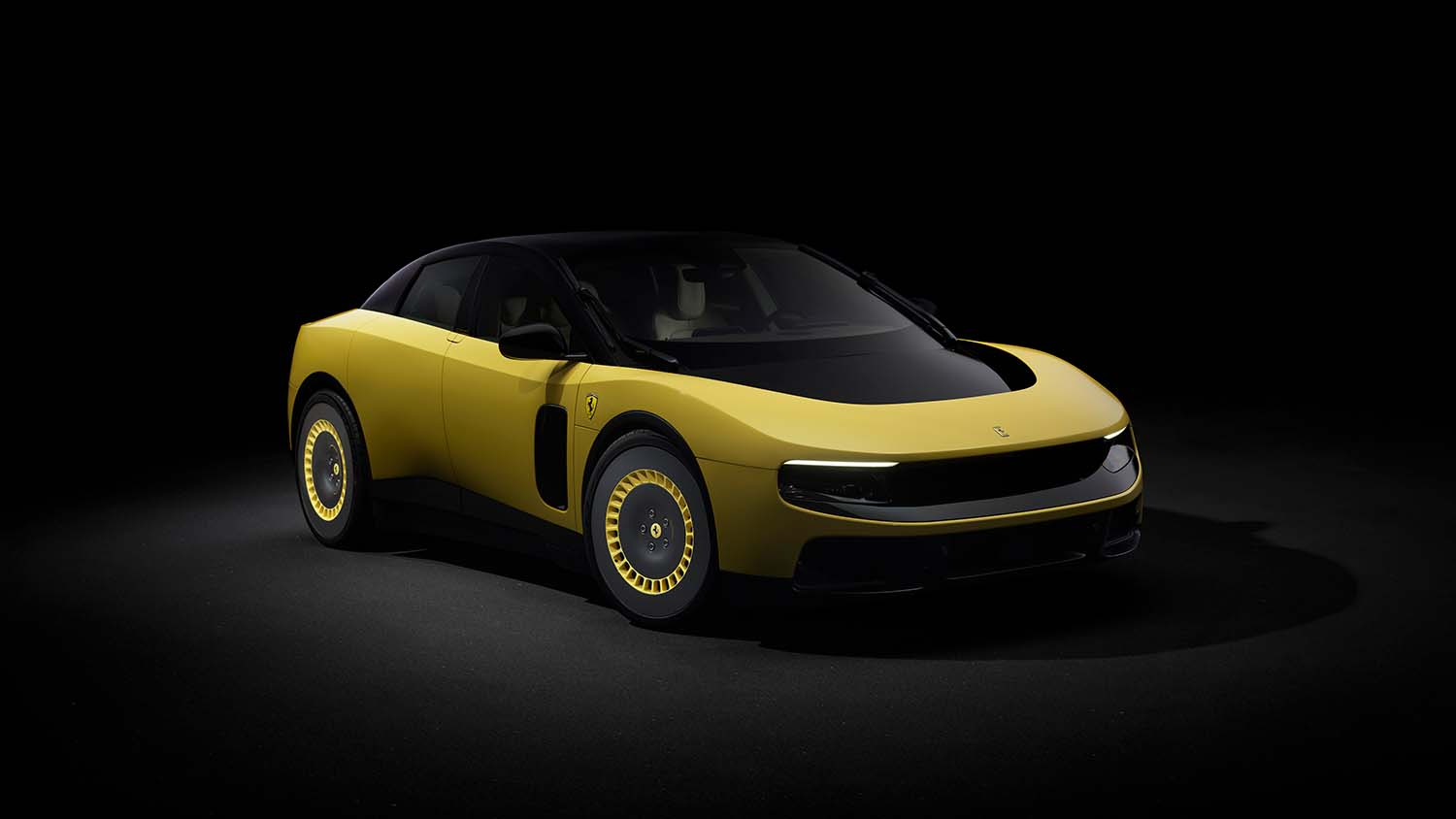
LoveFrom were given the creative freedom to explore what the electric future chapter in the history of the Prancing Horse could look like.
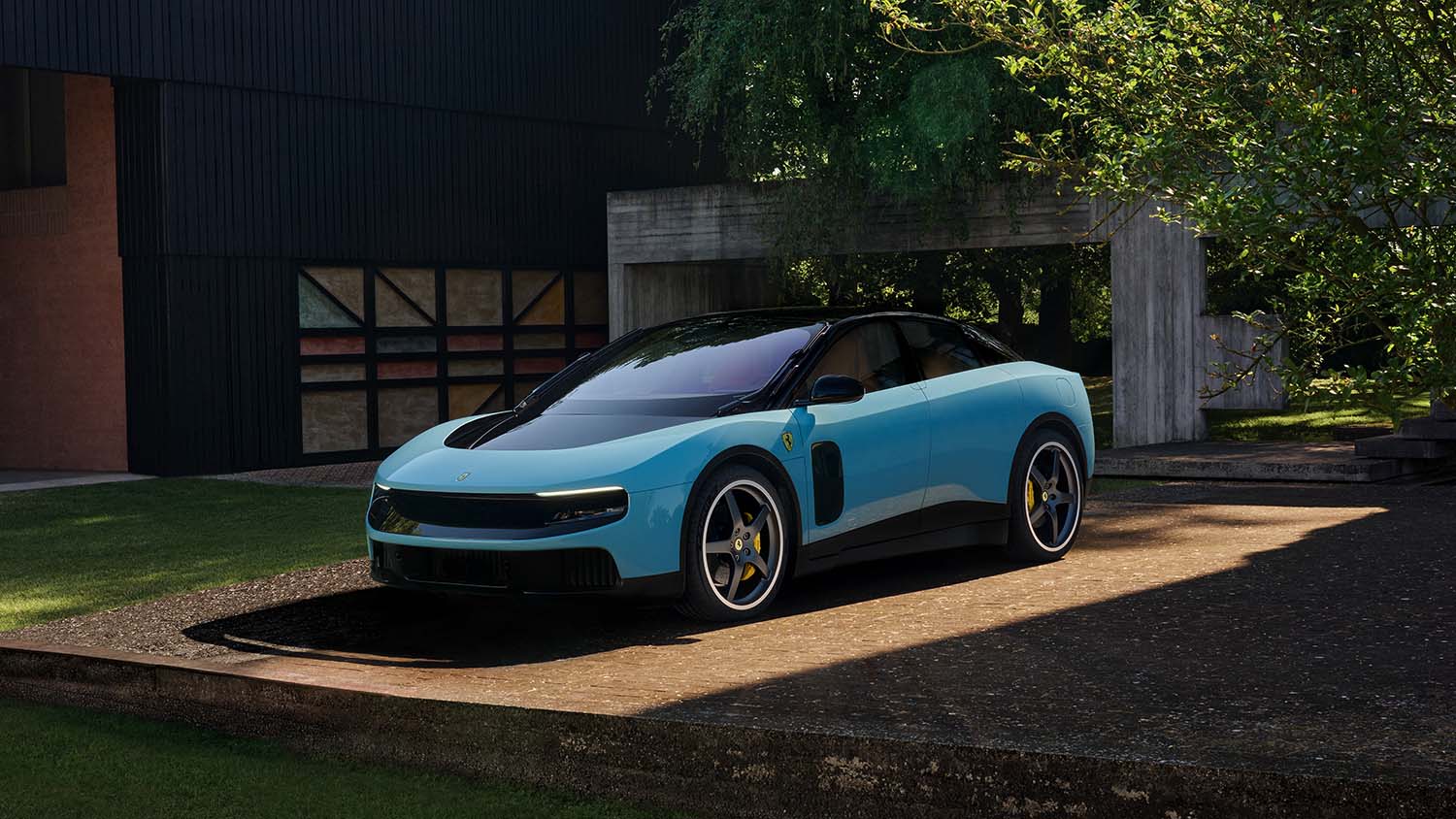
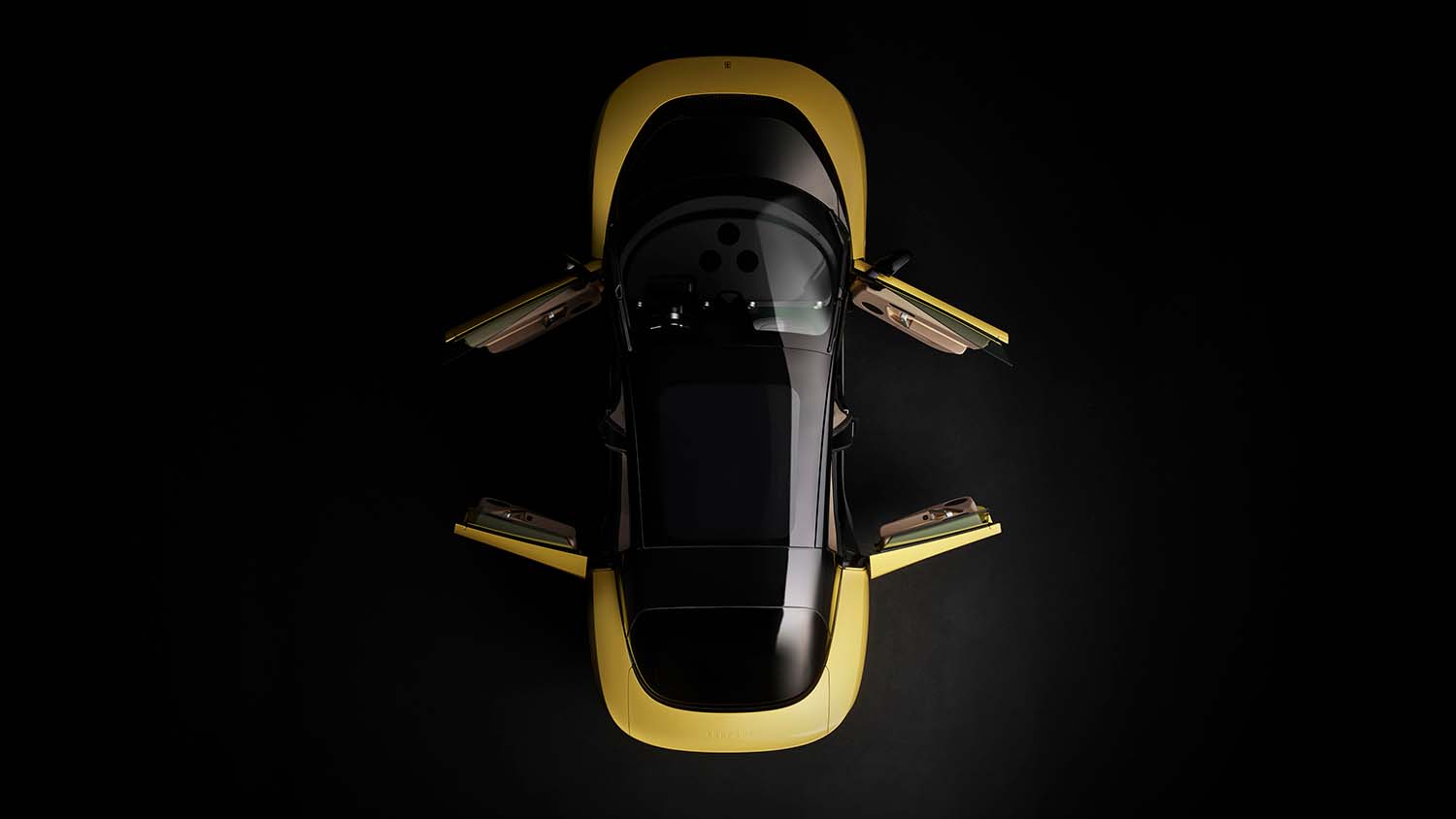
The collecive brought a singular design language that unites the exterior, interior, and interface with clarity and refined simplicity throughout. Unlike the aggressive sculptural tension traditionally associated with Ferrari supercars, the Luce introduces a softer, purer, almost architectural language. The silhouette is defined by a seamless shell-like glass house extending low into the body of the car, while floating aerodynamic wings wrap around it with an unusual sense of lightness.
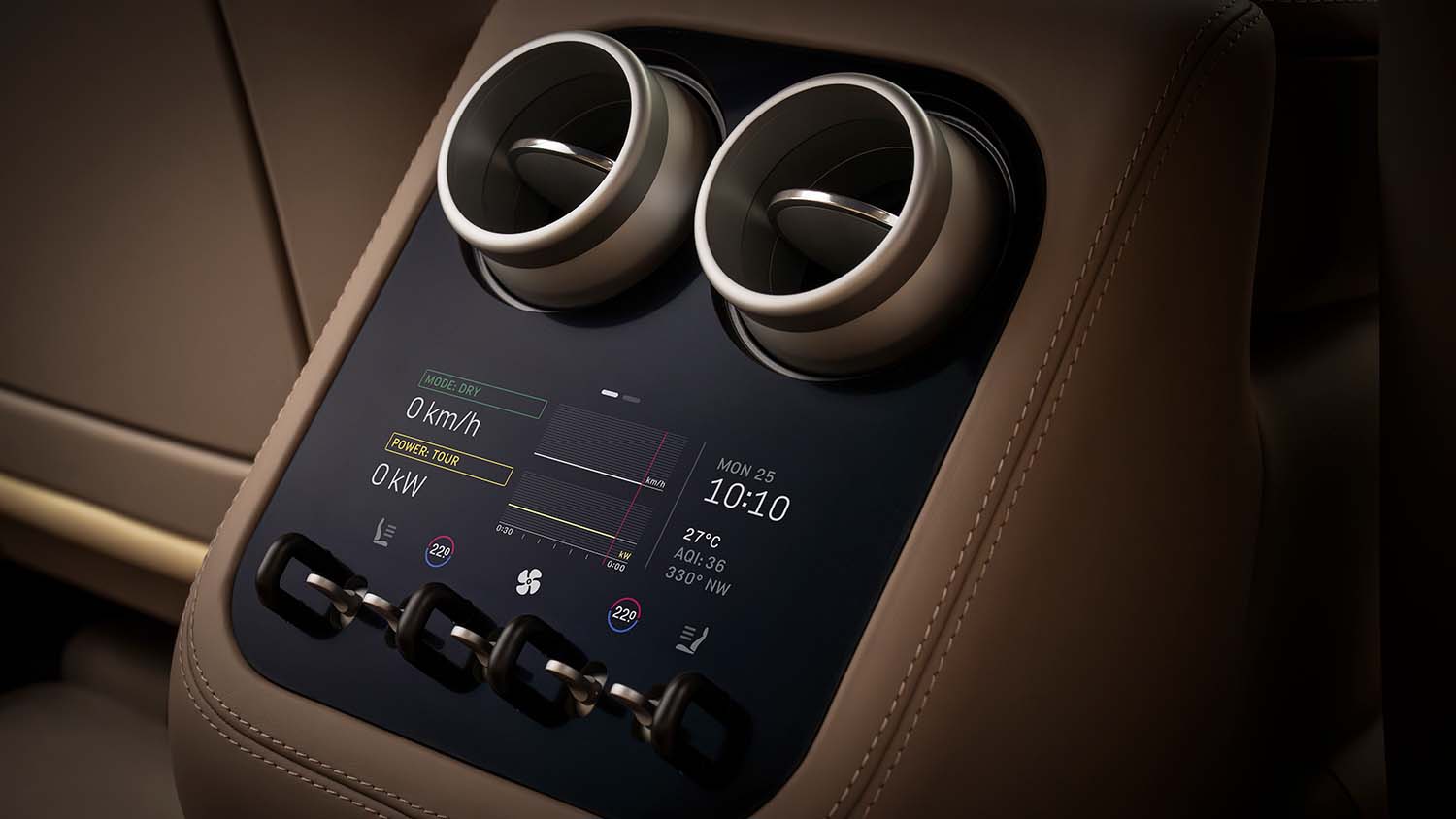
Inside, the Luce moves even further away from conventional automotive design language. The cabin feels closer to a contemporary architectural environment than to a traditional sports car cockpit, bringing back the nostalgic spirit of the ’60s–’80s through recognizable forms and deeply engaging tactile controls. Both design teams worked extensively with glass, recycled aluminium, tactile switches, OLED displays, and physical interactions that intentionally preserve a sensory relationship between driver and machine — making the experience of driving an EV feel more authentic and physical rather than fully digital.
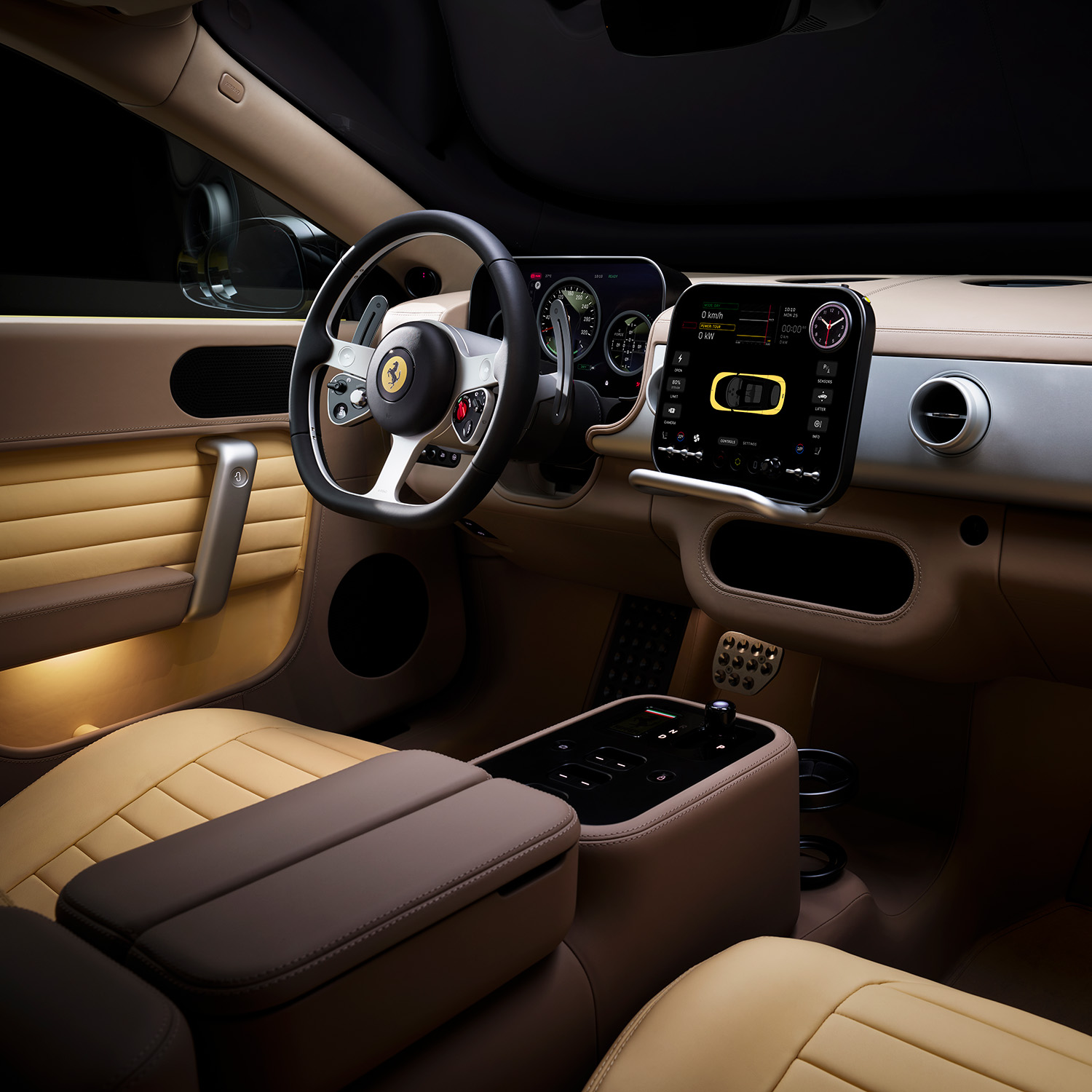
The influence of LoveFrom becomes perceptible not through obvious “tech aesthetics,” but through restraint. Through simplification. Through the obsession with the emotional relationship between object and human.
This is where the philosophy of the car becomes most interesting.
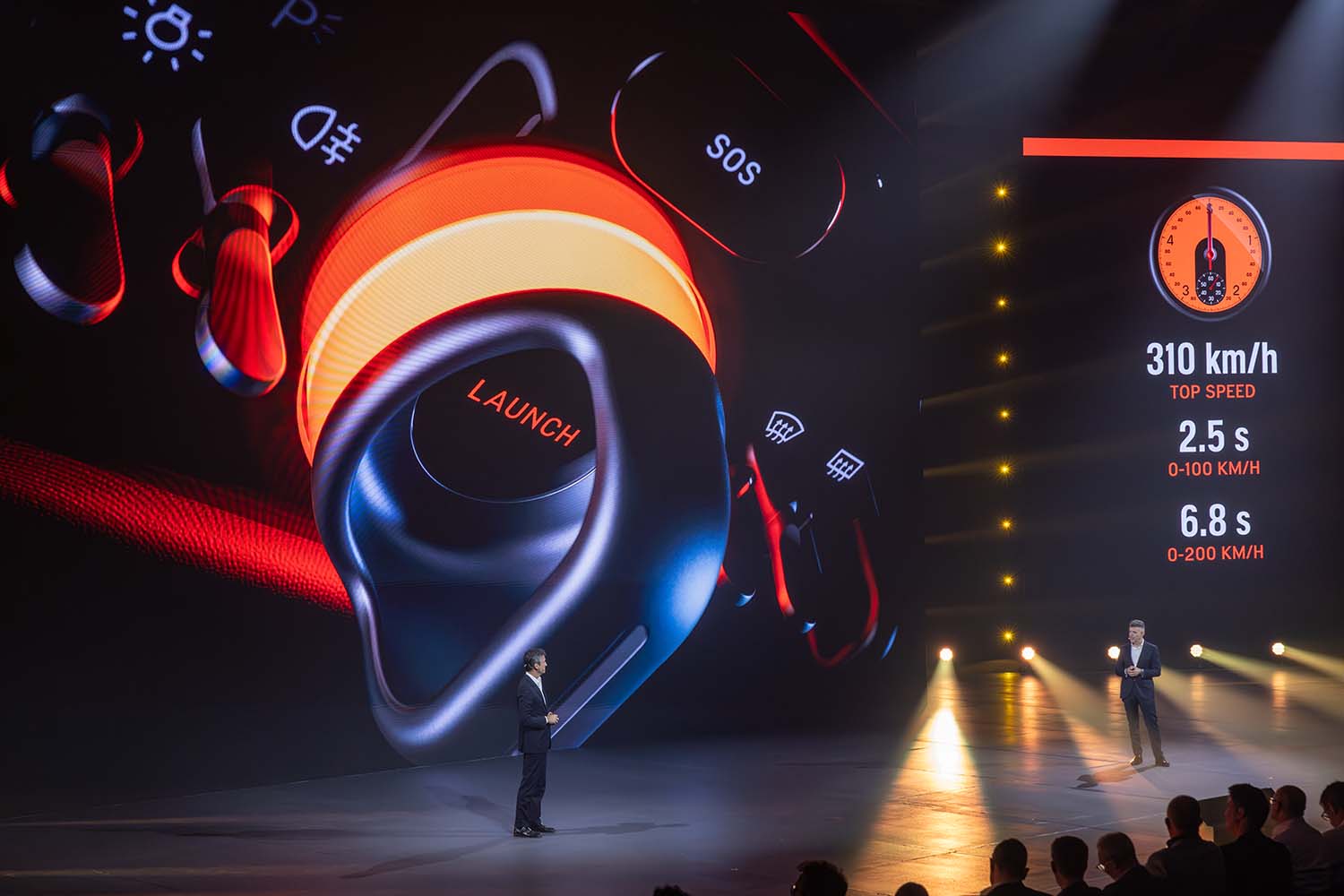
At a moment when most automotive interiors are turning into giant touchscreens, Ferrari Luce deliberately moved in another direction — balancing digital systems with mechanical tactility. Buttons, toggles, paddles, and dials remain central to the experience. The steering wheel itself becomes almost a sculptural object.
There is something very Ferrari in this refusal to surrender fully to digital abstraction. The electric power source allowed, for the first time in Ferrari’s history, the accommodation of four doors and five seats, making Ferrari Luce the first Ferrari that allows the experience to be shared with up to four other people.
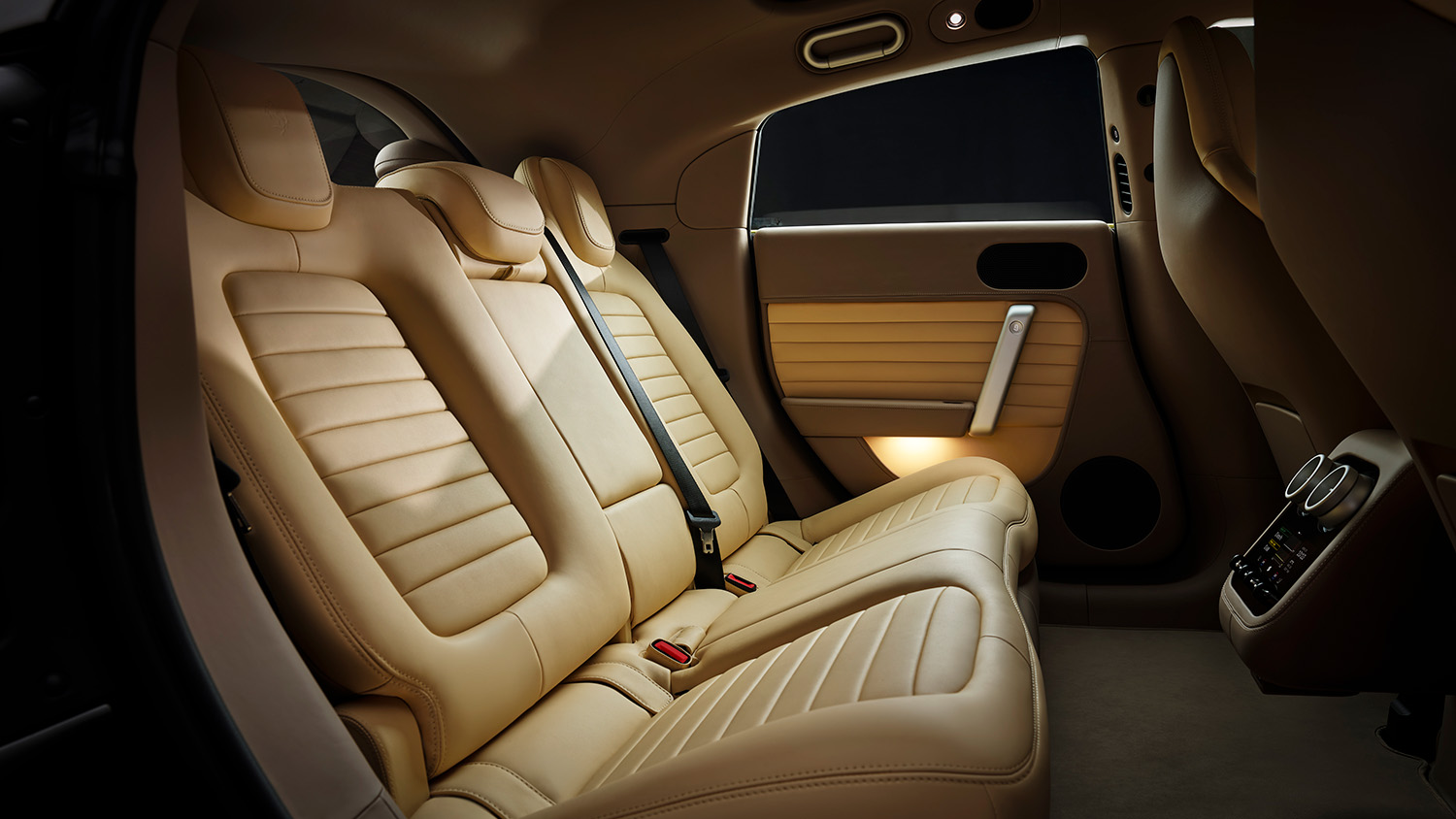
The Ferrari Luce may be one of the boldest moves in the modern history of the marque. Yet despite all the conversation surrounding design and electrification, Ferrari repeatedly insists on one thing: this remains, above all, a Ferrari.
The numbers speak for themselves. The Luce accelerates from 0 to 100 km/h in 2.5 seconds, reaches a top speed exceeding 310 km/h, and delivers more than 1000 horsepower through four independent electric motors — one for each wheel.
But interestingly, Ferrari seems almost less interested in raw specifications than in preserving feeling.
One of the most discussed aspects of the Luce is its approach to sound. In the absence of a combustion engine, Ferrari developed an entirely new acoustic philosophy based not on artificial simulation, but on the amplification of real mechanical vibrations generated by the electric system itself. The company describes it almost like an electric guitar amplifier — enhancing authentic frequencies rather than fabricating them digitally.
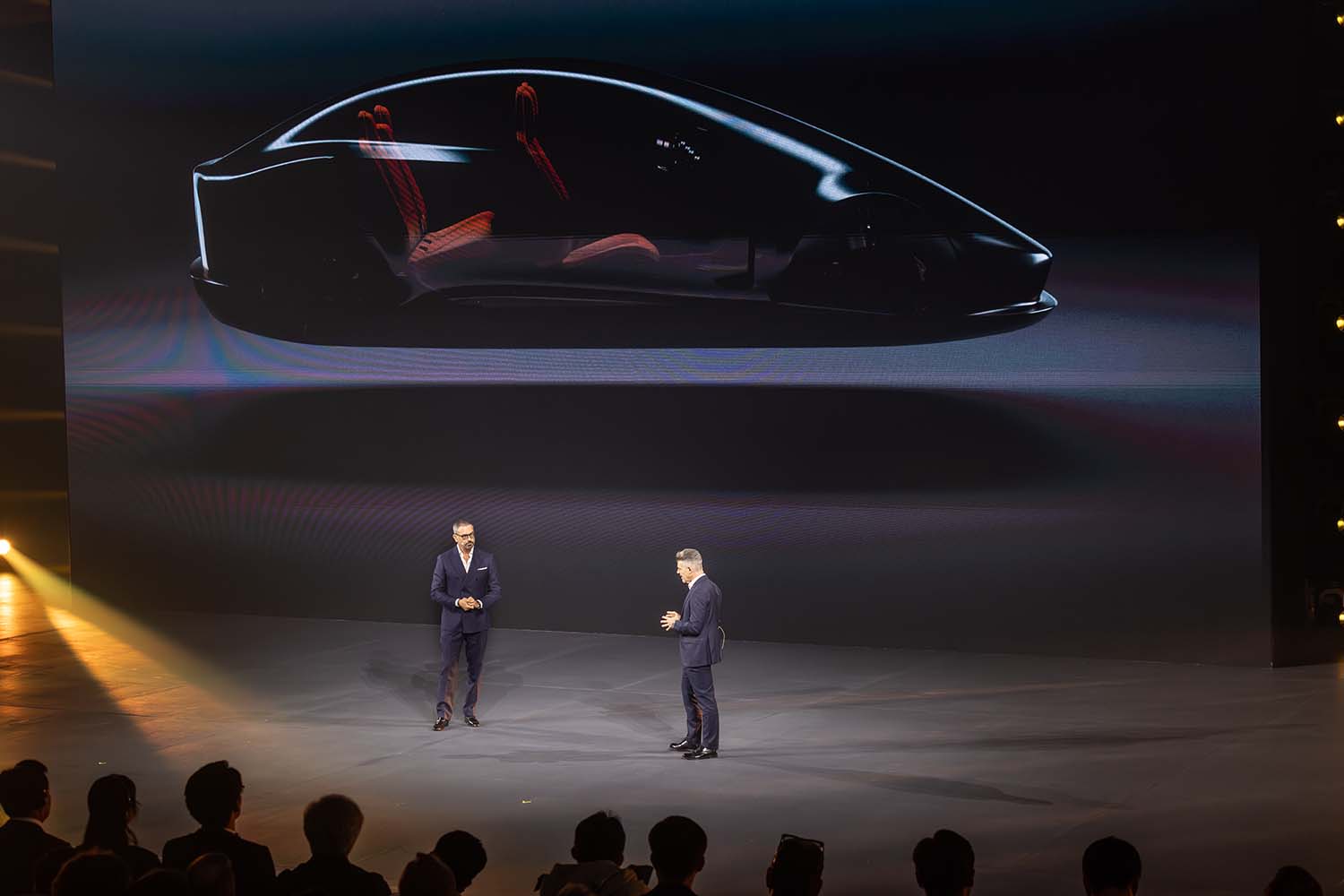
The leadership team of Ferrari shared their vision that, with Ferrari Luce, they are not trying to improve any existing model or concept; instead, they envision a new offering that can either become an addition to existing Ferraristi’s collections — to share the experience of a recreational drive — or open the brand to a new audience that shares sustainability-focused values while still seeking Ferrari’s performance excellence.
The brand continues to pursue “technological neutrality” — meaning hybrid, combustion, and electric architectures will coexist within the Ferrari universe rather than compete against one another.
This feels particularly important in the luxury sector today. Increasingly, the future of luxury is not about abandoning heritage, but about translating it into new forms without losing identity.
And this may ultimately be what makes the Ferrari Luce culturally significant beyond the automotive world itself.
Because this launch is not only about an electric car. It is about one of the world’s most emotionally charged brands choosing to confront transformation publicly— while attempting to preserve its brand values intact.
The Ferrari Luce feels like the result of two visionary forces expanding the boundaries of each other’s worlds — creating a new expression of performance, technology, emotion, and contemporary luxury.
A Ferrari shaped not only by speed — but by interaction, emotion, tactility, and human experience.
And perhaps this is where Ferrari and LoveFrom truly meet.
Both Ferrari and Jony Ive built their legacies around the same idea: transforming engineering into emotion.
author: ANNA TISCHE