


Albert Kriemler x Olga de Amaral: The Art of Unison
At the Palais de Tokyo, where a single language is spoken, art, Albert Kriemler unveiled one of his most sensitive and conceptual collections to date. A dialogue in unison with Colombian artist Olga de Amaral, whose work has long transcended textile to inhabit space as painting, sculpture, and installation.
The collection begins with touch. “I don’t think in words; I think in touch and texture,” Kriemler states, establishing a process where fabric does not merely construct but narrates. It is no coincidence that texere, the shared root of “text” and “textile,” means both to weave and to tell. Within this intersection, Amaral’s work becomes essential. Her weavings of wool, linen, cotton, and horsehair, often layered with gesso and gold leaf, evolve into structures that do not decorate but exist as quiet presences that hold space.
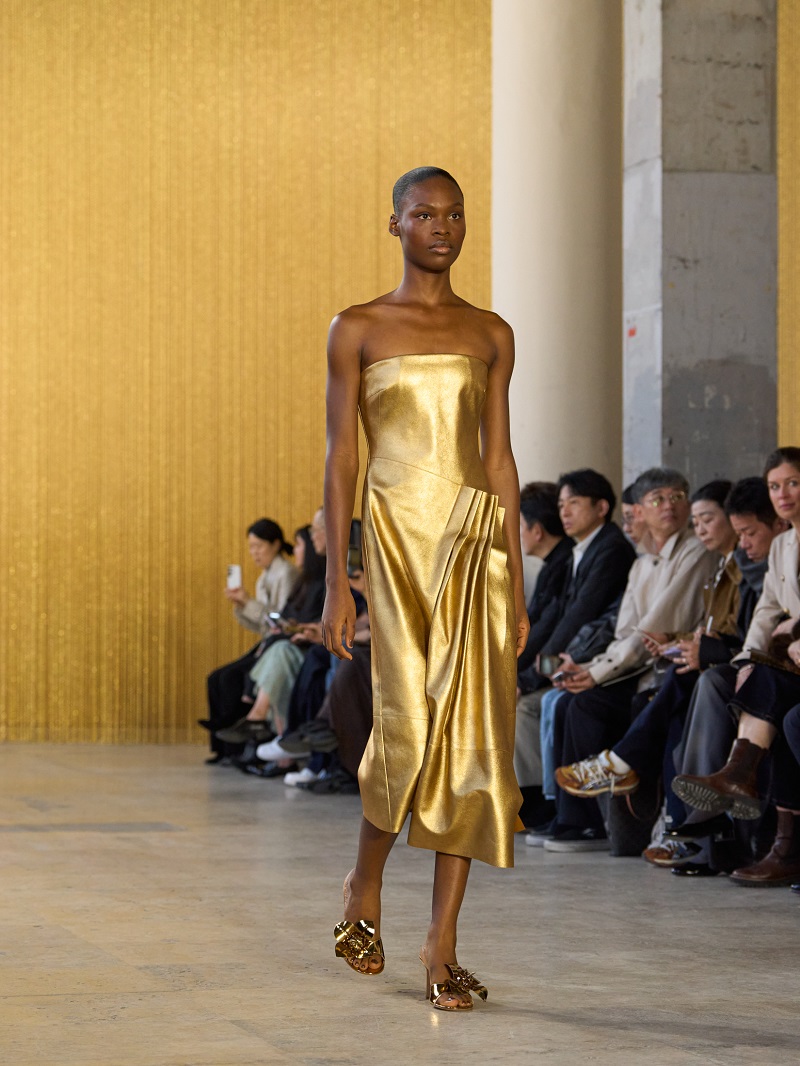
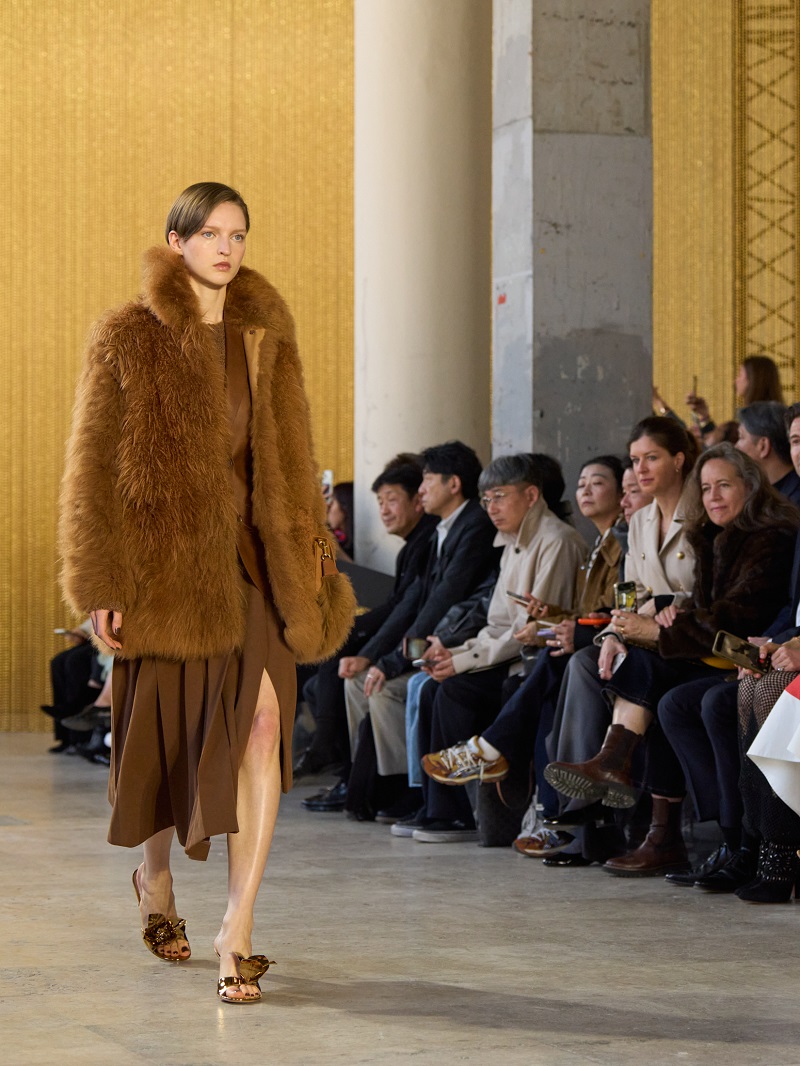
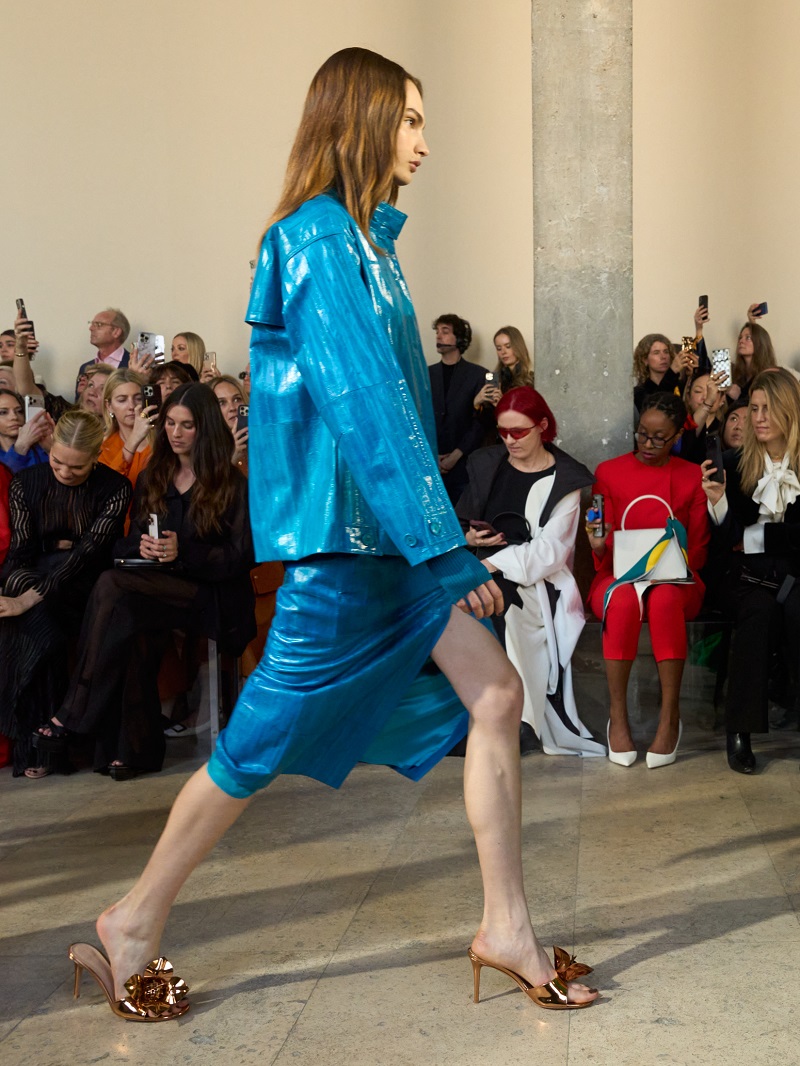
This same philosophy translates onto the runway. The garments do not impose, they reveal. Kriemler shapes materials such as cashmere, nappa leather, organza, bouclé, and silk with an almost architectural precision, allowing the woman to emerge through them. Clothing becomes an extension of the body, a surface where memory and emotion are activated. It is not about dressing, but about making presence felt.
The encounter between these two worlds began in September 2025, when Kriemler traveled to Bogotá to visit Amaral’s studio. There, among looms and suspended fibers, a conversation around craft unfolded, centered on tactility as an elemental experience capable of stimulating the senses, triggering memory, and affirming presence. This idea materializes throughout the collection as a radical exploration of texture.
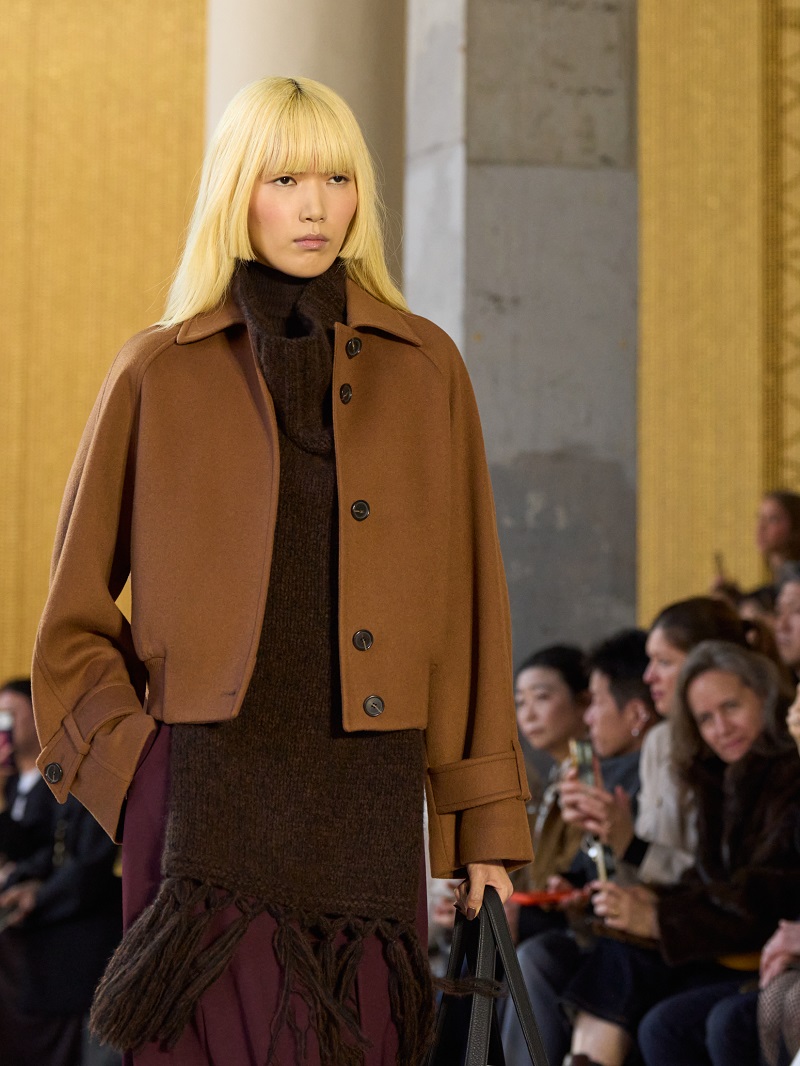
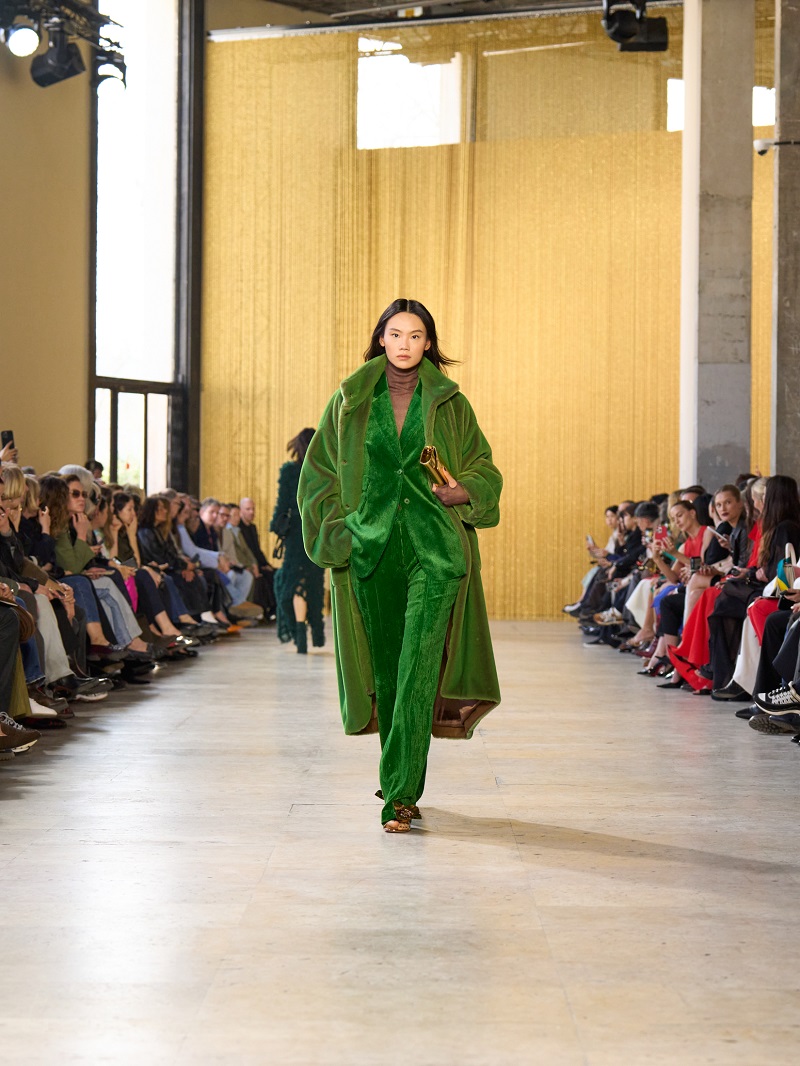
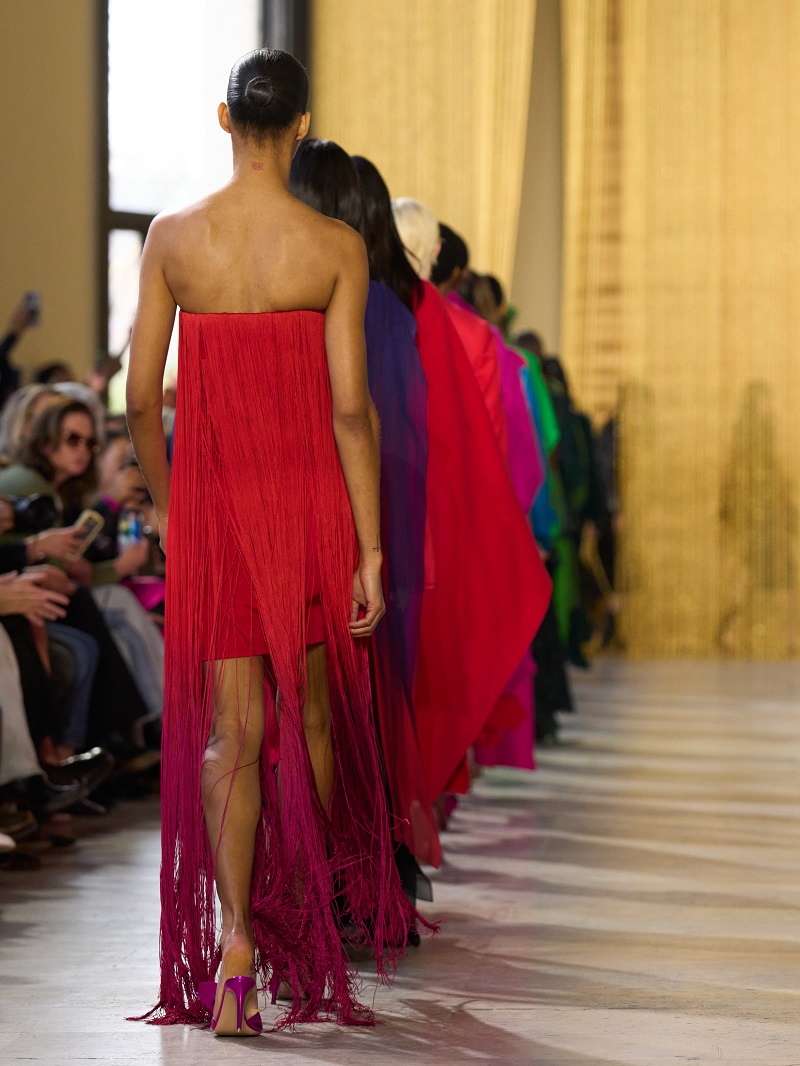
Visually, the collection unfolds as a choreography of matter and light. References to Amaral’s Nudo and Alquimia series emerge through the use of color, vibrant and absolute, and in surfaces that seem to radiate their own luminosity. Fringes fall like suspended threads, textiles dissolve into fragments, and layers of organza evoke floating structures. Gold, a recurring element in Amaral’s work, appears in lamé finishes and metallic reflections that capture light in motion.
The 53 looks operate as variations of a single gesture, to intertwine materials, disciplines, and cultures. A subtle Latin American resonance runs through the collection in its color, tactility, and sense of craft, without ever diluting the DNA of Akris. Instead, it expands it. Swiss precision meets the material richness of Latin America in a dialogue that feels both rare and deeply contemporary.
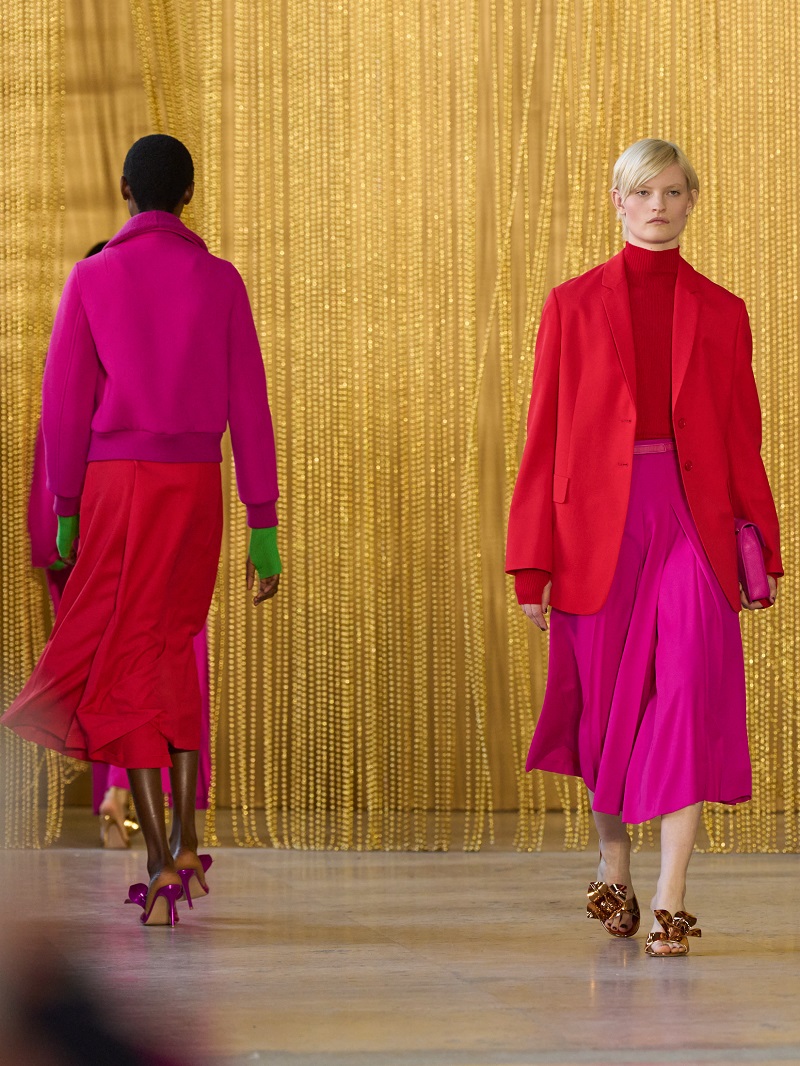
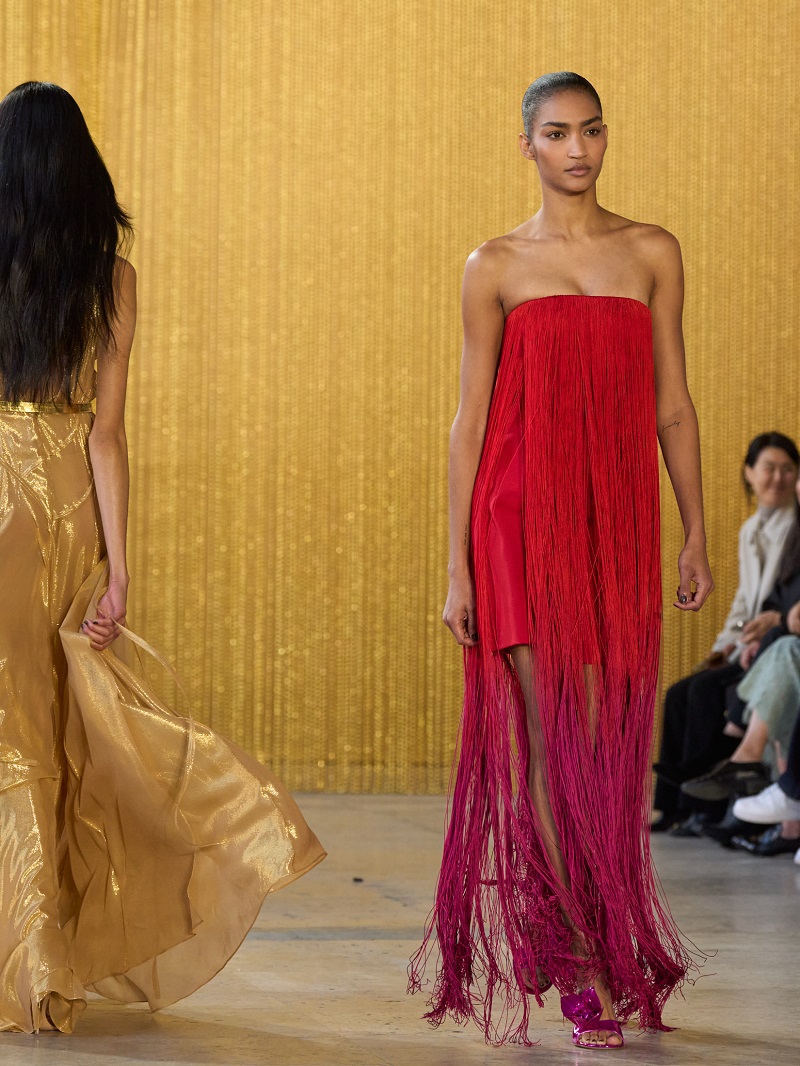
More than a collaboration, this is an act of translation. Kriemler does not reference Amaral, he interprets her. He takes her language, made of knots, grids, density, and light, and transposes it onto the moving body. The result is a collection where fashion moves beyond the visual to become a fully sensory experience. In the end, this is a celebration of AKRIS itself—a collection that embodies the brand’s elegance, precision, and capacity to merge heritage with innovation.
author SEBASTIAN MAGUNACELAYA
images COURTESY OF THE BRAND