

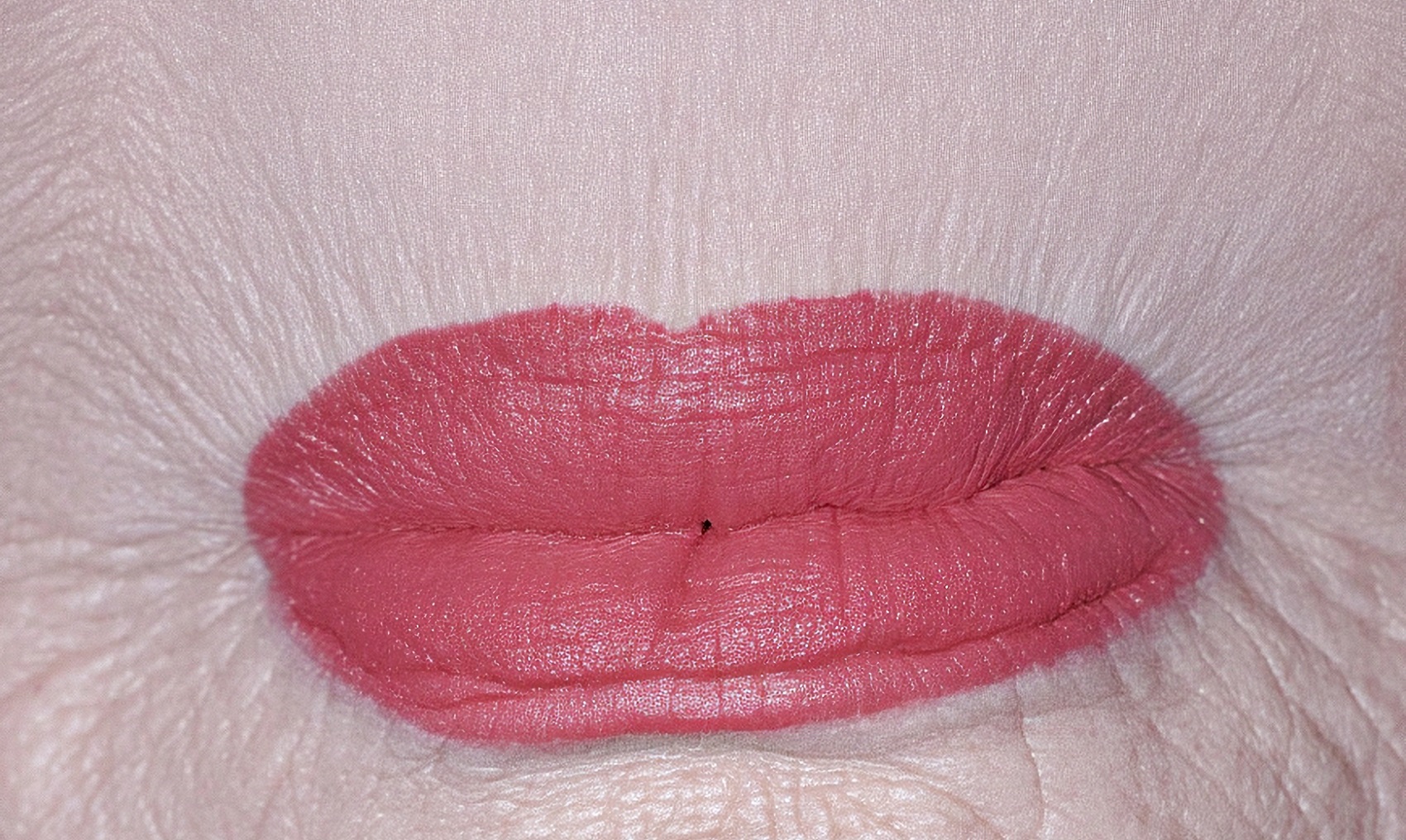
AESTHETIC TESTAMENT
Third place in our third TIMELESS BEAUTY contest is awarded to a profoundly transgressive, contemporary and avant-garde project: AESTHETIC TESTAMENT.
Visual artist, fashion photographer and creative director Sera Zelva, with over a decade of experience in fashion photography, claims this distinguished position with a body of work that is not only aesthetically forward-thinking, but also intelligently and incisively questions the social and cultural parameters through which beauty has historically been defined. Her practice is characterised by the fusion of sculptural silhouettes, conceptual narratives and experimental processes that generate new dialogues between technology, the body and the image.
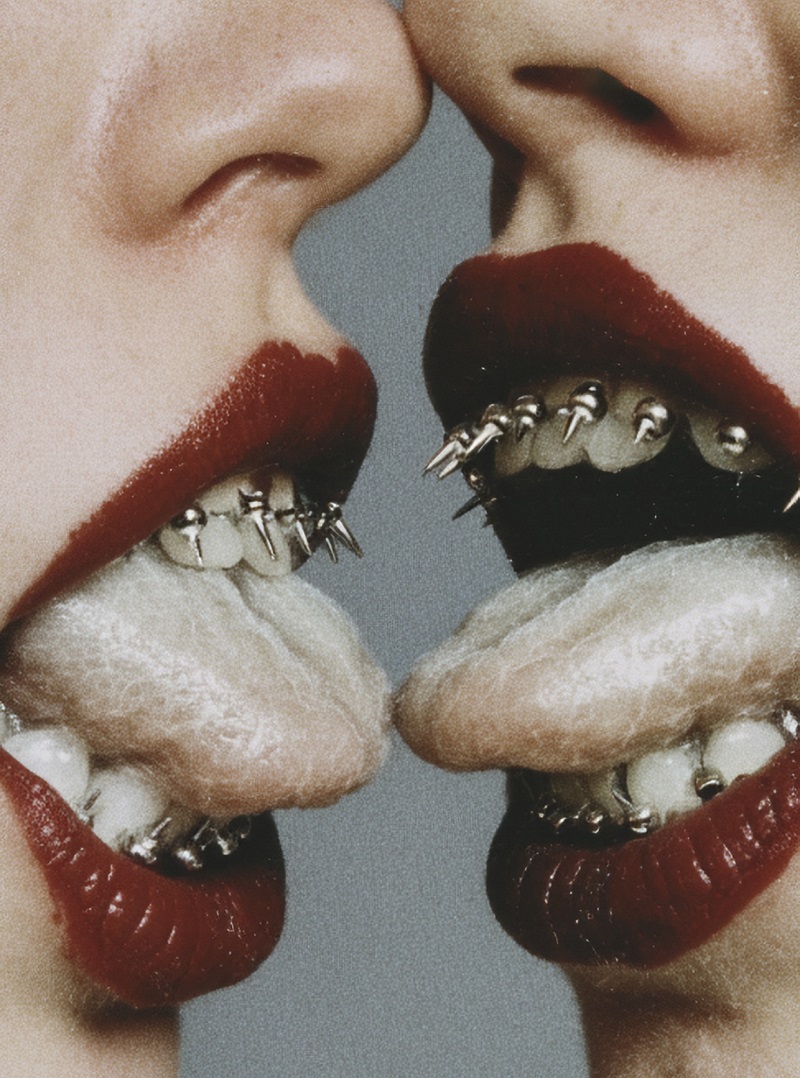
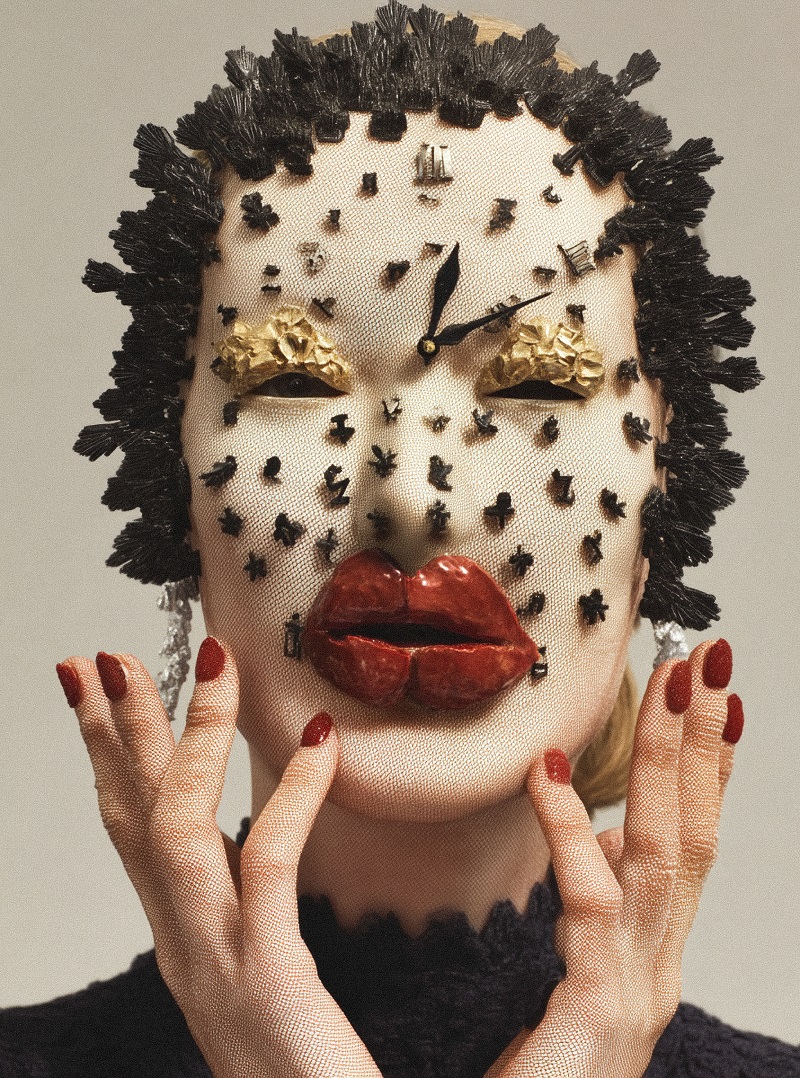
In today’s contemporary landscape — saturated with visual stimuli, where everything appears to have already been seen, and where much creative production resembles a system of mass replication in which labels change but content remains the same — it becomes essential to highlight artists who approach their role with genuine integrity. Artists such as Zelva, who choose to inhabit spaces of doubt, discomfort, inquiry and tension, and from there generate visual propositions that do not seek to please, but rather to question, unsettle and reconfigure established social frameworks.
AESTHETIC TESTAMENT demonstrates how an artist may take advantage of the tools available within their own time, even those that are often judged, feared or demonised — such as artificial intelligence. In Zelva’s hands, AI becomes a compelling instrument: not as a replacement for creative thought, but as a catalyst that expands visual language and assists in the formulation of new aesthetic manifestos within a world permeated by uncertainty.
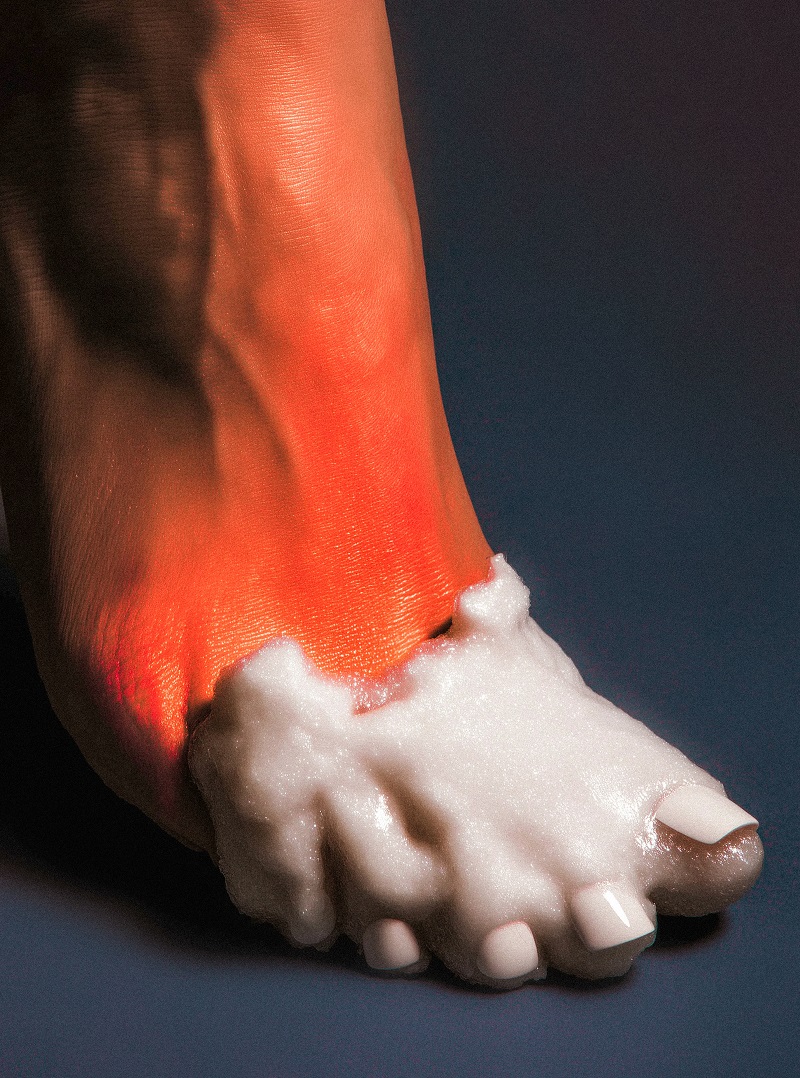
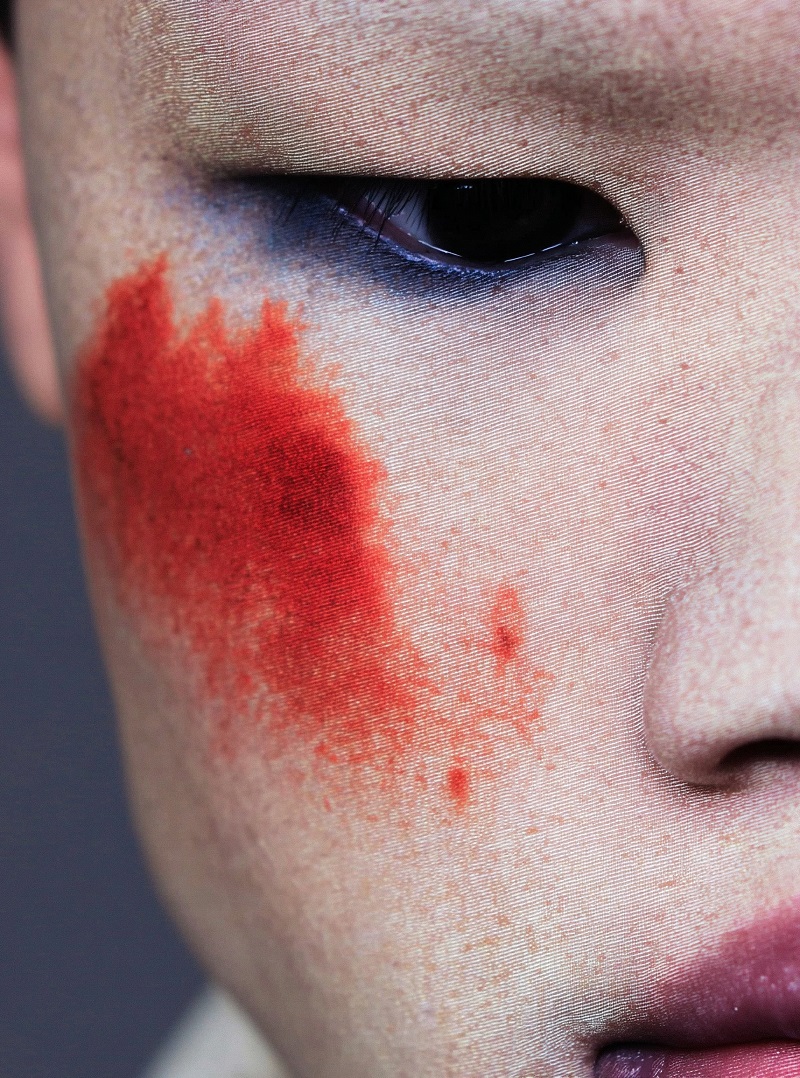
Within this project, the artist not only interrogates the notion of timeless beauty, exposing how beauty has long functioned as a social and cultural convention, but advances further still. Through visual codes, symbolic rituals, gestures and newly constructed identities, Zelva builds a beauty that is entirely transgressive: uncomfortable, unconventional, ironic and rebellious. A beauty that critically engages with contemporary standards while simultaneously challenging them.
As the artist herself states:
The notion of “testament” does not refer here to lineage or inheritance in a biological sense, but rather to a legacy of gestures, codes and visual rituals that shape our relationship with bodies, identity and image. In this project, the signs of beauty — cosmetics, surgery, ornamentation, skin and time — are reconfigured as fragments of a collective memory: what remains after the ritual, what persists when beauty becomes absence.
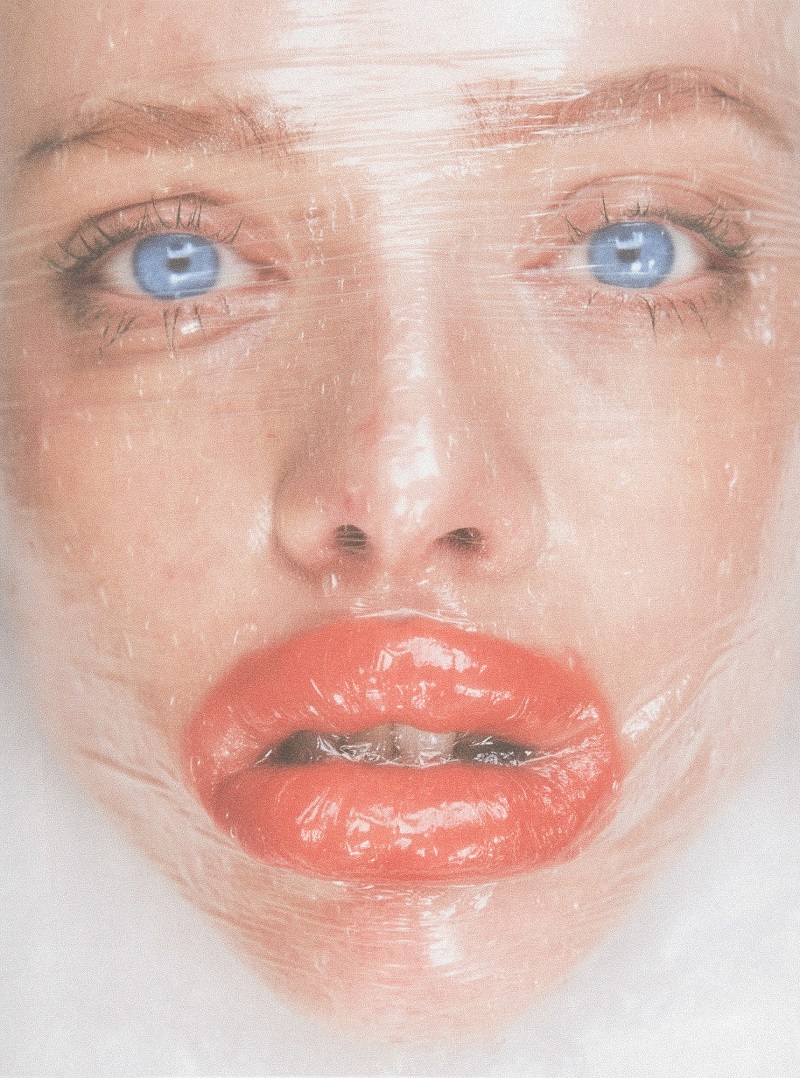
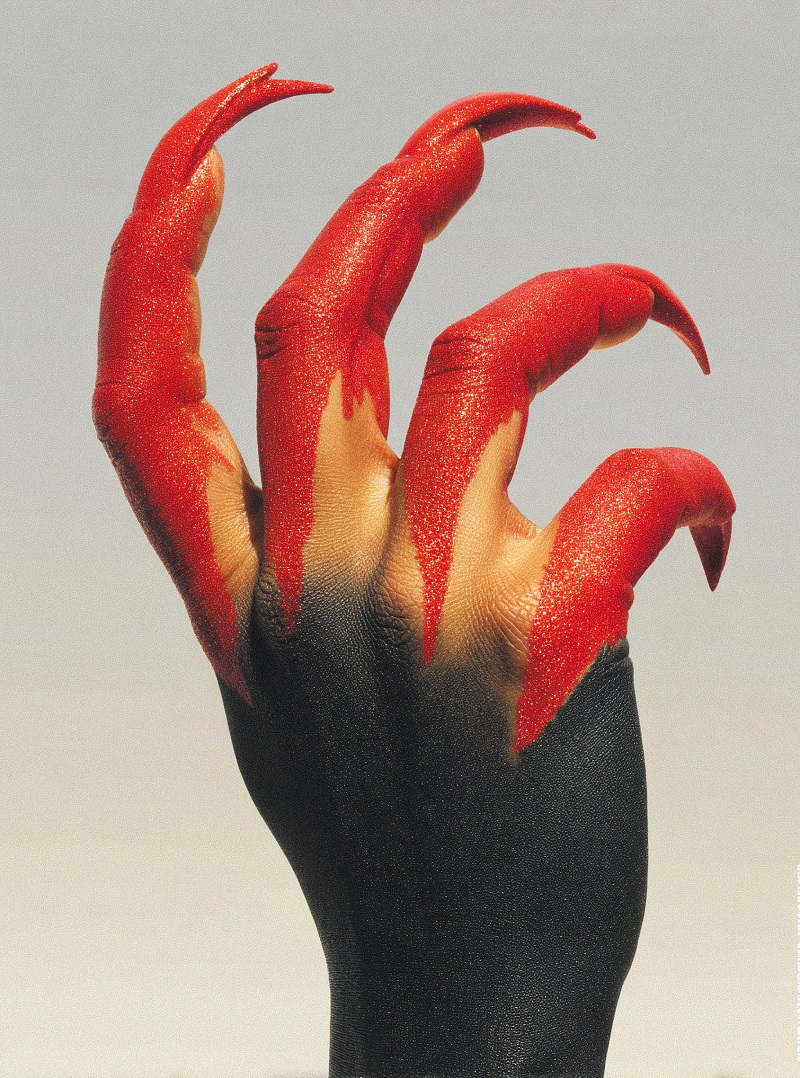
The creative process behind AESTHETIC TESTAMENT might be imagined as a conceptual blender, in which social conventions, critiques of those conventions, contradiction, humour, irony and imposed beauty converge. The mixture becomes saturated, reaching its limit, before being poured onto a digital canvas as images born from conflict and experimentation. Within this metaphor, the blender represents artificial intelligence itself: a tool that, far from diminishing the artist’s role, enables the gestation of new creative possibilities. Perhaps most striking is the realisation that these images exist exclusively within the digital realm, inhabiting a parallel universe that oscillates between reality and artificiality.
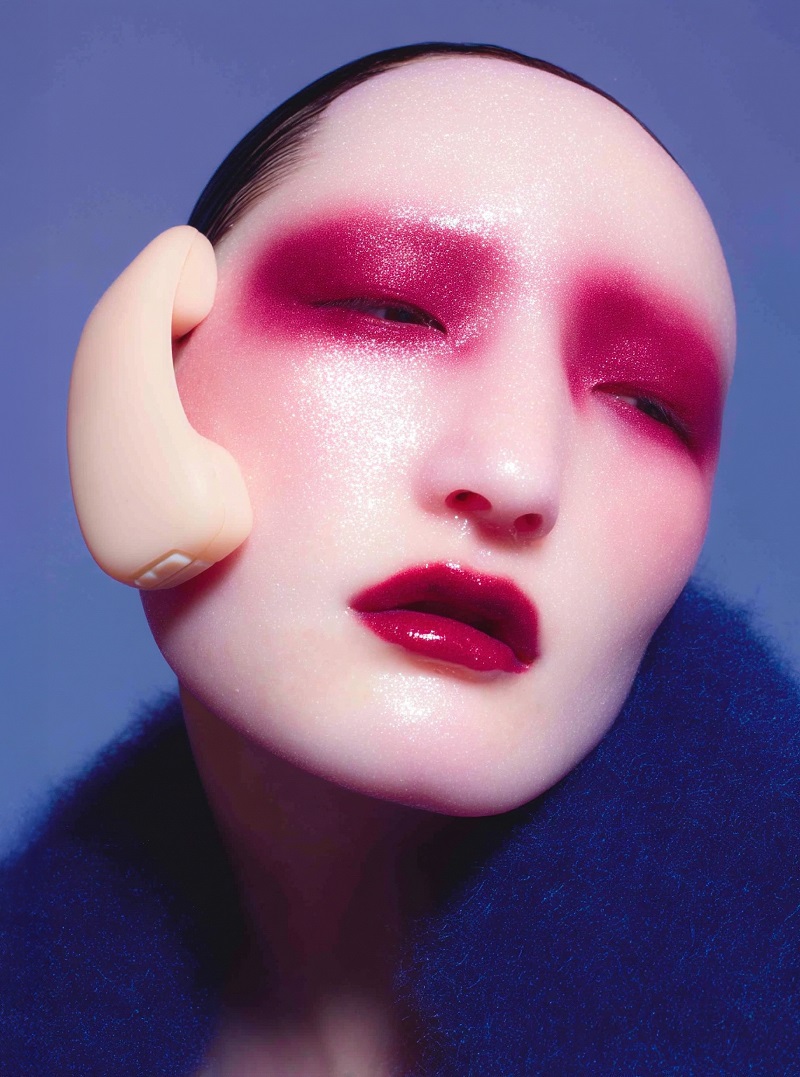
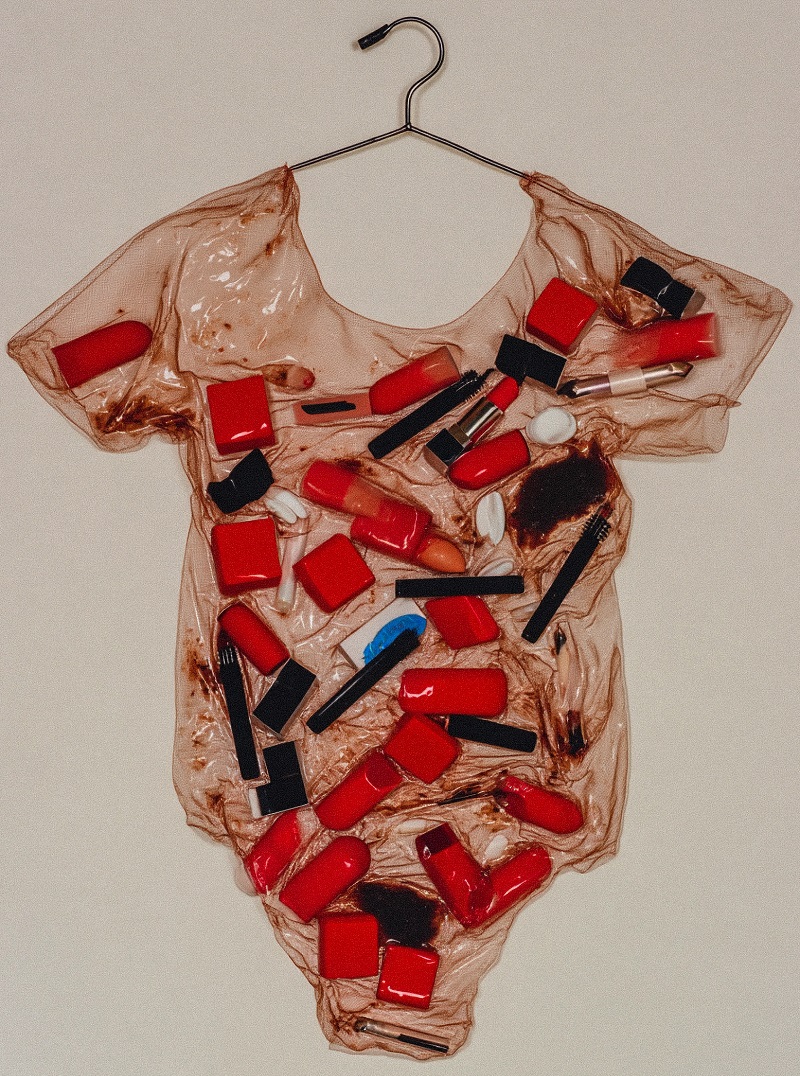
In this way, AESTHETIC TESTAMENT constructs a universe of its own, where images — suspended between corporeal materiality and technological abstraction — present us with a renewed visual manifesto. One in which beauty is not offered as a fixed ideal, but as a field of tension: a beauty that dialogues with, opposes, rebels against and ultimately confronts dominant contemporary notions.
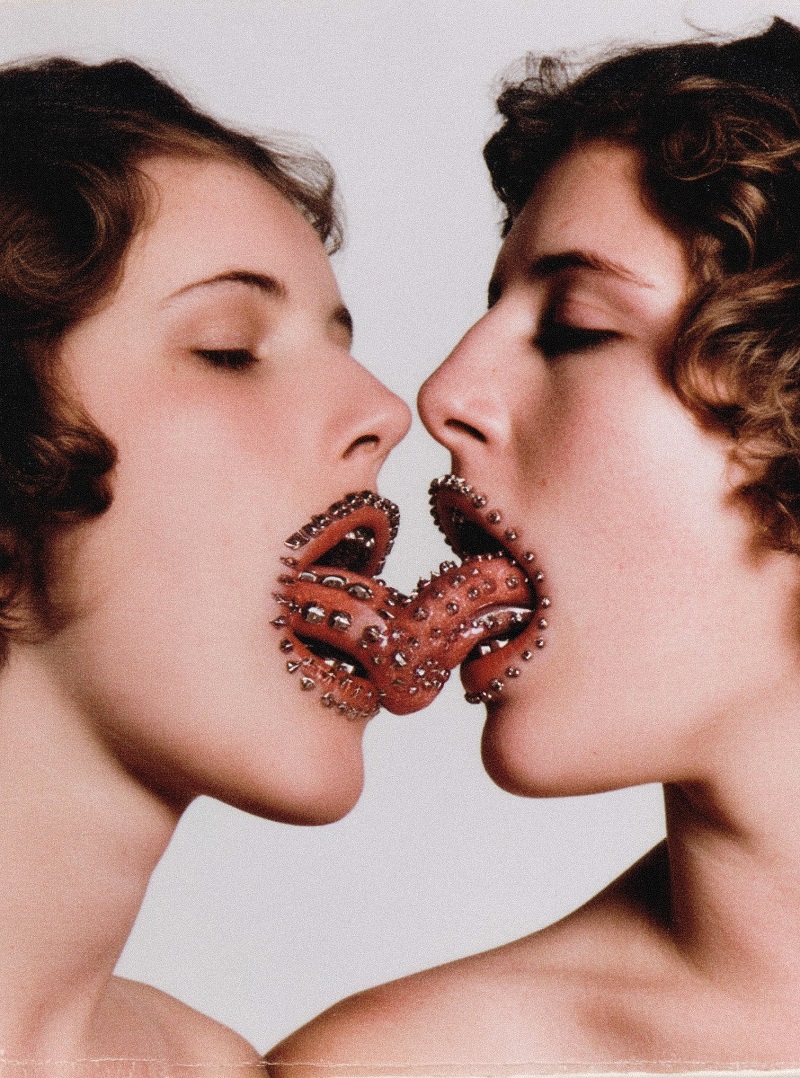
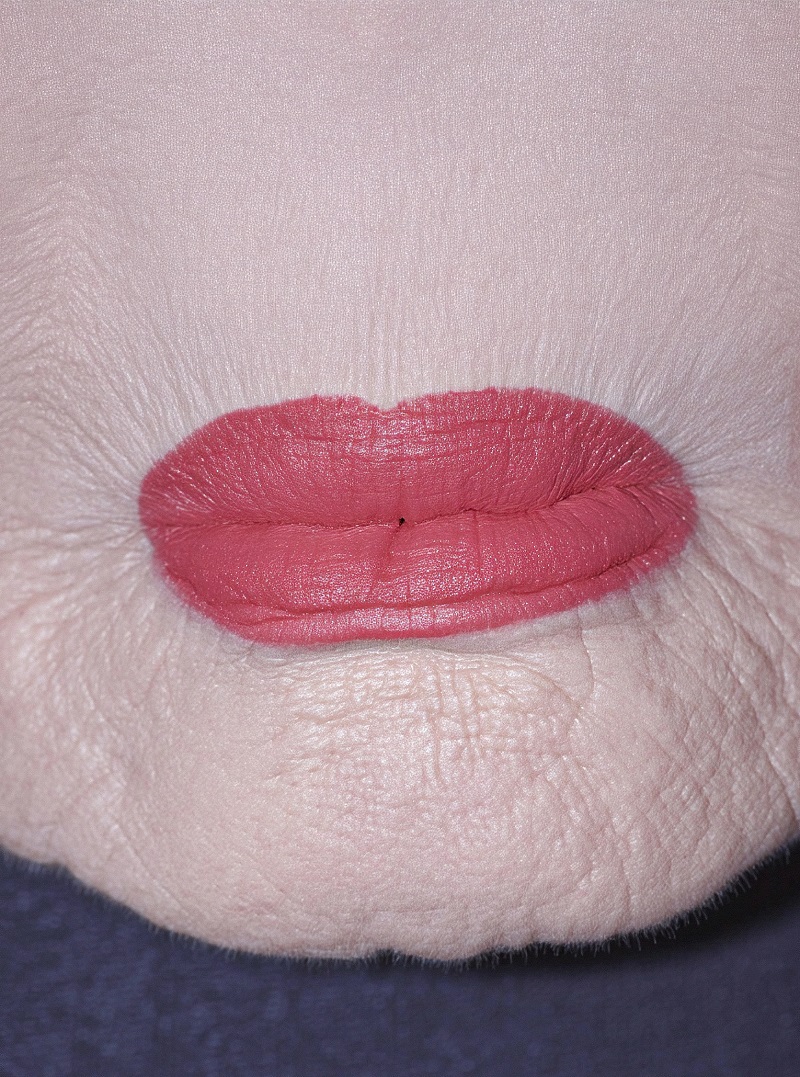
In this sense, Zelva’s project resonates profoundly with Immanuel Kant’s Critique of Judgement (1790), a foundational text in the modern understanding of aesthetics. Just as Kant proposed that aesthetic judgement is not a closed universal truth, but a subjective experience shaped by sensibility and reflection, AESTHETIC TESTAMENT emerges as a potential point of departure for rethinking beauty through new coordinates. A testament not of the past, but of the present and the future: an invitation to reconsider how we see, how we judge, and how we construct that which we call beautiful.
author SEBASTIAN MAGUNACELAYA
images COURTESY OF THE ARTIST