
June 13, 2026
A guide to fashion-diet and abstinence – In conversation with HACOY’s founder Maximilian Rupp
There is a particular kind of courage in deciding to do less. In an industry engineered around appetite: faster cycles, louder logos, cheaper thrills, the founder of HACOY has built his brand on something closer to a refusal. A refusal to overproduce, to mislead, to chase relevance at the cost of integrity. What emerges from a conversation with him is not a manifesto, but something more human and more complicated: a portrait of someone genuinely wrestling with the gap between what he believes and what the world rewards. He is, in equal measure, idealist and pragmatist, artist and strategist, a person who paints in his spare time and reads spreadsheets with the same attention. The contradictions don’t cancel each other out.
They’re the point.
Founded in 2021, HACOY has become one of the more quietly compelling names in considered fashion. This is a conversation about what it actually costs to mean what you say.
HACOY was founded around the philosophy of “Better, not more. ” What emotional or intellectual frustration with the fashion industry led you to create the brand? And what were the biggest challenges you faced early on?
What frustrated me wasn’t one single thing, it was the cumulative absurdity of it all. Closets full of clothes nobody wears. New collections every few weeks. Pieces designed to fall apart within a season so you’d come back and buy the next thing. And on top of it all, the dishonesty: brands calling things “crafted” or “responsibly made” when the reality was anything but, with real people working in toxic environments for wages no one could live on.
“Better, not more” came from that. It’s almost a quiet protest, a refusal to participate in the cycle of disposable abundance, and a refusal to be dishonest about how things are made and who makes them.
The hardest part early on wasn’t production or sourcing. It was the doubt. When you build slowly and intentionally in a world that rewards speed and volume, you constantly ask yourself whether you’re being principled or just naive. I’m still answering that question every day, but the conviction has only deepened.
Entrepreneurship can become emotionally consuming. What parts of yourself have you had to sacrifice, or protect, while building HACOY? And has your idealism ever directly conflicted with keeping the brand financially alive?
There is a kind of freedom in building your own thing, yes. But what people don’t talk about as much is the dependency you create on yourself. You’re never really off. The brand follows you into every dinner, every weekend, every moment that’s supposed to be your own.
What I’ve had to protect is the quieter parts of myself: the part that paints, the part that thinks without producing, the part that’s allowed to be a person and not just a founder. And yes, ideals collide with reality constantly. There have been moments where the financially obvious choice would have meant compromising on a material or a production partner. I’ve said no to most of those, but it’s not free. Every “no” costs something.
I think the test of a brand’s integrity isn’t what it does when things are easy. It’s what it refuses when things are hard.
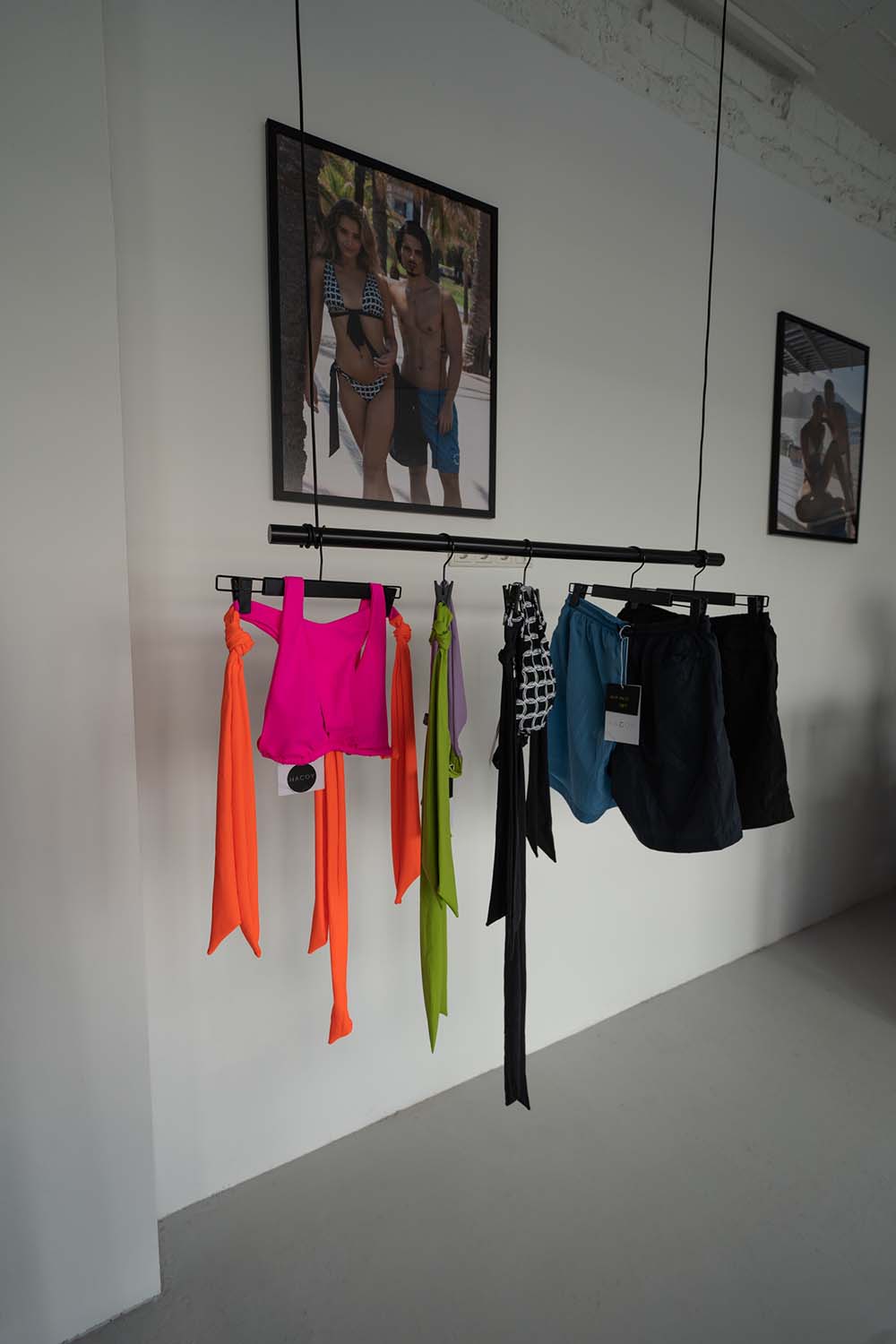
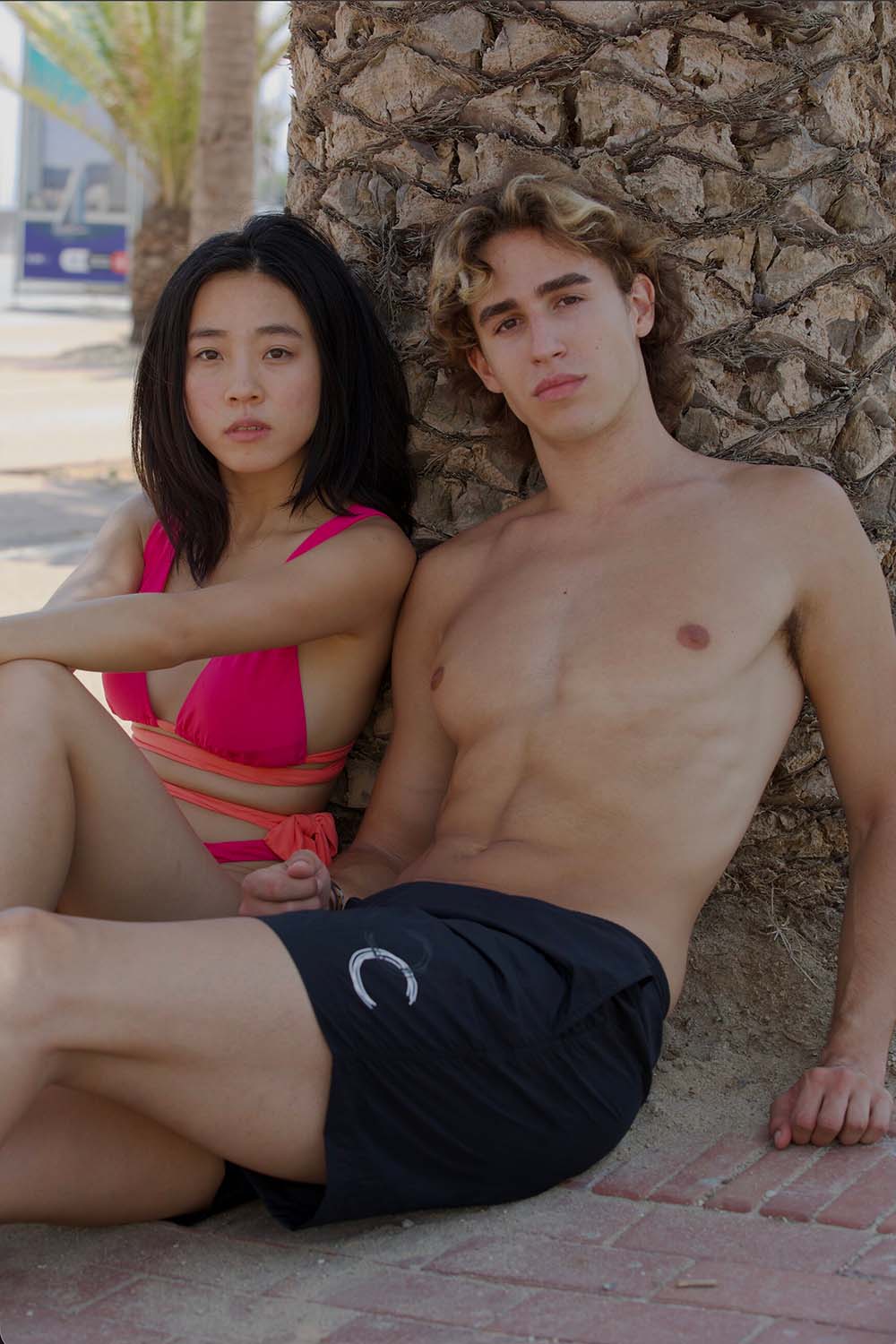
Sustainability today is often reduced to materials and marketing language. What does a truly sustainable fashion brand look like beyond fabrics?
Materials matter, but they’re the easiest part to talk about and the easiest part to perform. Real sustainability is structural — it’s in how often you release, how much you produce, how you treat people in your supply chain, whether you encourage customers to buy more or buy better.
The uncomfortable truth is that the most sustainable thing any fashion brand can do is simply make less. That’s a hard sentence to say when your livelihood depends on selling things, but it’s the truth I try to build around.
There’s an interesting contrast in your journey: strong business structure and strategy on one side, painting and emotional expression on the other. Which feels more honest to you?
I don’t experience them as two different sides. The strategy, the spreadsheets, the structure — those aren’t the opposite of creativity. They’re the scaffolding that allows the creative work to actually reach people. A painting hidden in a studio anda product that never makes it to market fail in the same way: the creation never meets the world.
Whether I’m in front of a canvas or in front of a production plan, I’m doing the same thing: trying to bring something into the world that didn’t exist before, and trying to make it worth existing.
Do you think responsibility for change lies more with brands, consumers, or the larger systems shaping desire and consumption?
It’s tempting to point at consumers, but I don’t think that’s fair. People aren’t buying fast fashion because they’re shallow — they’re buying it because an enormous system has been built to make it cheap, fast, and emotionally rewarding. Brands carry real responsibility because we’re the ones producing. But brands operate inside systems too, and those systems reward the wrong things.
Consumers can shift culture, brands can shift practice, but the systems shape both. What I can control is my own corner of it — and I’d rather build that corner well than wait for the whole system to fix itself.
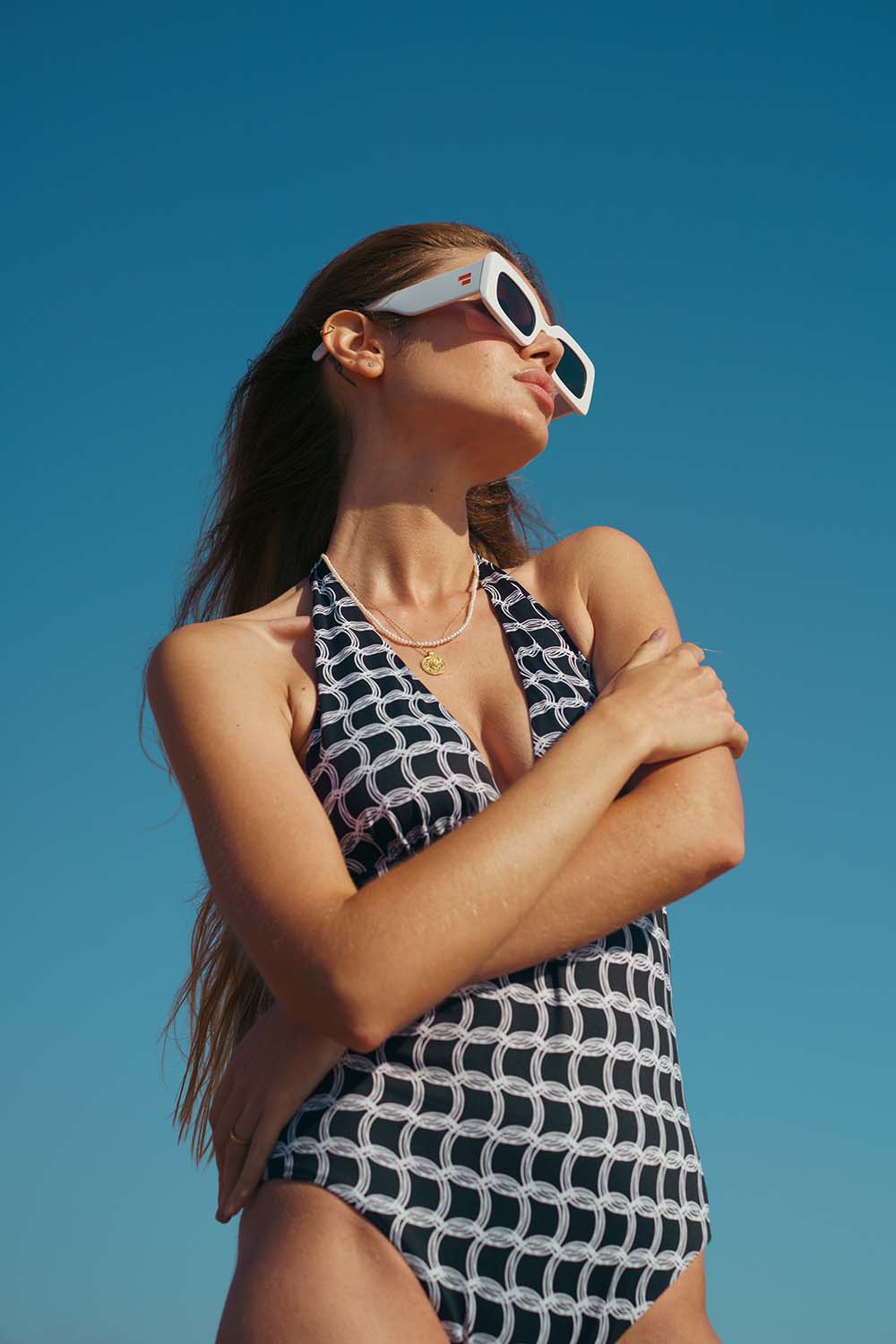
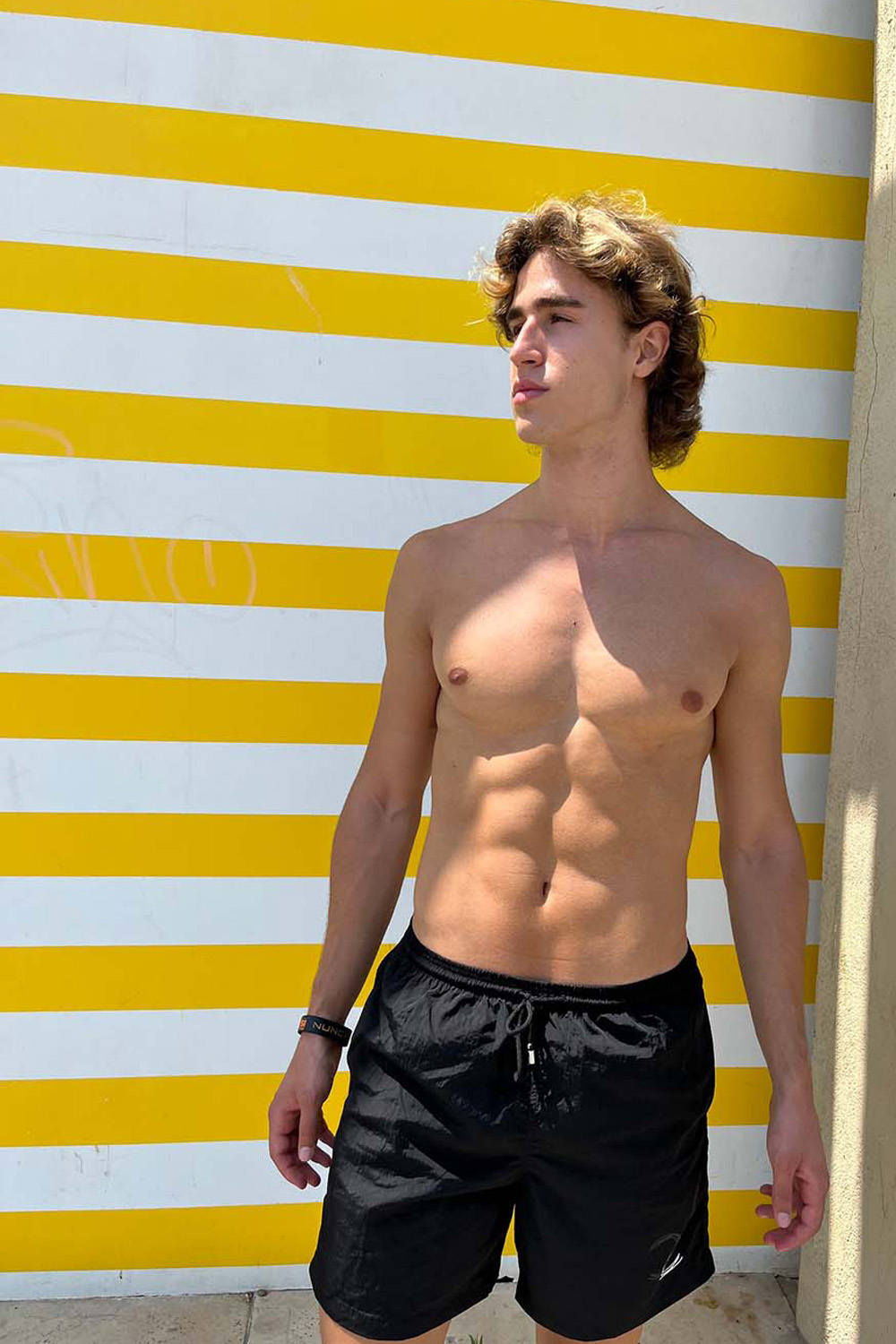
Luxury today often exists in conversation with overconsumption and excess. In your opinion, what does “luxury” mean in a modern world that is becoming more environmentally conscious?
Luxury used to mean rarity. Then it meant logos. Now it’s quietly becoming something else again.
True luxury today is restraint. It’s owning a small number of things you genuinely love. It’s a piece of clothing made by someone who was paid fairly, from a material that didn’t poison a river, designed to last ten years instead of one season. The new luxury isn’t excess. It’s discernment: the ability to choose less, and to choose well.
Running a fashion brand requires constant organization, repetition, and executive decision-making, things many people with ADHD struggle with. What systems or environments have helped you build a sustainable way of working?
I’ve learned that working with my brain is far more productive than working against it. I stopped trying to be the kind of founder who follows a perfect linear schedule.
What works: externalizing everything. I don’t trust my memory, I trust my systems. Ilean heavily on tools that automate repetitive decisions so I can save my attention for the work that actually requires me. I’ve also stopped seeing ADHD as something to overcome. The same brain that struggles with repetition is the brain that connects ideas quickly, sees patterns others miss, and gets genuinely obsessed with the things it loves. That’s not a bug. That’s part of why HACOY exists.
As someone deeply conscious of sustainability, how do you personally navigate the tension between embracing AI and being aware of its environmental cost?
I don’t pretend the tension doesn’t exist. AI has a real environmental footprint, and anyone using it intensively should be honest about that. The way I think about it: if using it thoughtfully helps me keep HACOY small and lean rather than forcing growth I don’t want, that’s a tradeoff I can defend.
But I’d be uncomfortable claiming AI is “green.” It isn’t. The honest answer is that no technology is neutral, and the work is to use it in a way that genuinely reduces overall harm rather than just shifting it somewhere less visible.
Has sustainability changed the way you live personally?
The biggest shift has been in how I relate to having things. I’ve become much more interested in what I keep than what I acquire; my wardrobe, my space, even the tools I work with have all gotten smaller and more intentional.
I want to be honest, though: I’m not perfectly consistent. I still make choices I’m not proud of. Sustainability for me isn’t about being a flawless version of yourself. It’s about trying to close the gap, slowly, between what you believe and how you actually live. I’m still very much in that process.
Looking back now, do you feel HACOY became what you originally imagined it would be, or has the brand evolved alongside your own personal growth?
The core conviction that fashion should be slower, more honest, more intentional has never wavered. But the brand isn’t as sharp or focused as a textbook would say it should be. I have collections going in many directions, and for a long time I was hard on myself about that. Now I understand where it comes from: it’s the part of me that wants to create everything at once.
I don’t actually think it’s a problem. What looks scattered today often looks visionary in retrospect, and I genuinely believe HACOY is ahead of the curve in ways people will understand later. A brand can’t outgrow its founder. HACOY has evolved alongside me, and I think it should keep doing that.
When you imagine the future of HACOY, what do you hope people will remember the brand for beyond clothing itself?
I hope HACOY is remembered as proof that you can build something honest in an industry that mostly isn’t. That you can move slowly, make less, mean more, and still create something people genuinely want to be part of.
More than anything, I want HACOY to be remembered as an invitation, to think differently about what you wear, what you keep, and how you move through your own life. The clothes are how we start the conversation. But the conversation itself is the real work.
author PRIYAM MISHRA
images COURTESY