
June 13, 2026
Two Weeks on the Croisette: Everything That Mattered at Cannes 2026
There is something almost ritualistic about Cannes. Every May, the world’s most watchful eyes converge on a stretch of the French Riviera, and for two weeks, cinema and spectacle become inseparable. The films unspooling inside darkened theatres while, just outside, the red carpet stages its own parallel performance. The 79th edition, which ran from May 12 to 23, was no exception. If anything, it reminded us why the festival endures as the singular meeting point of art and image, be it of the films or the fashion.
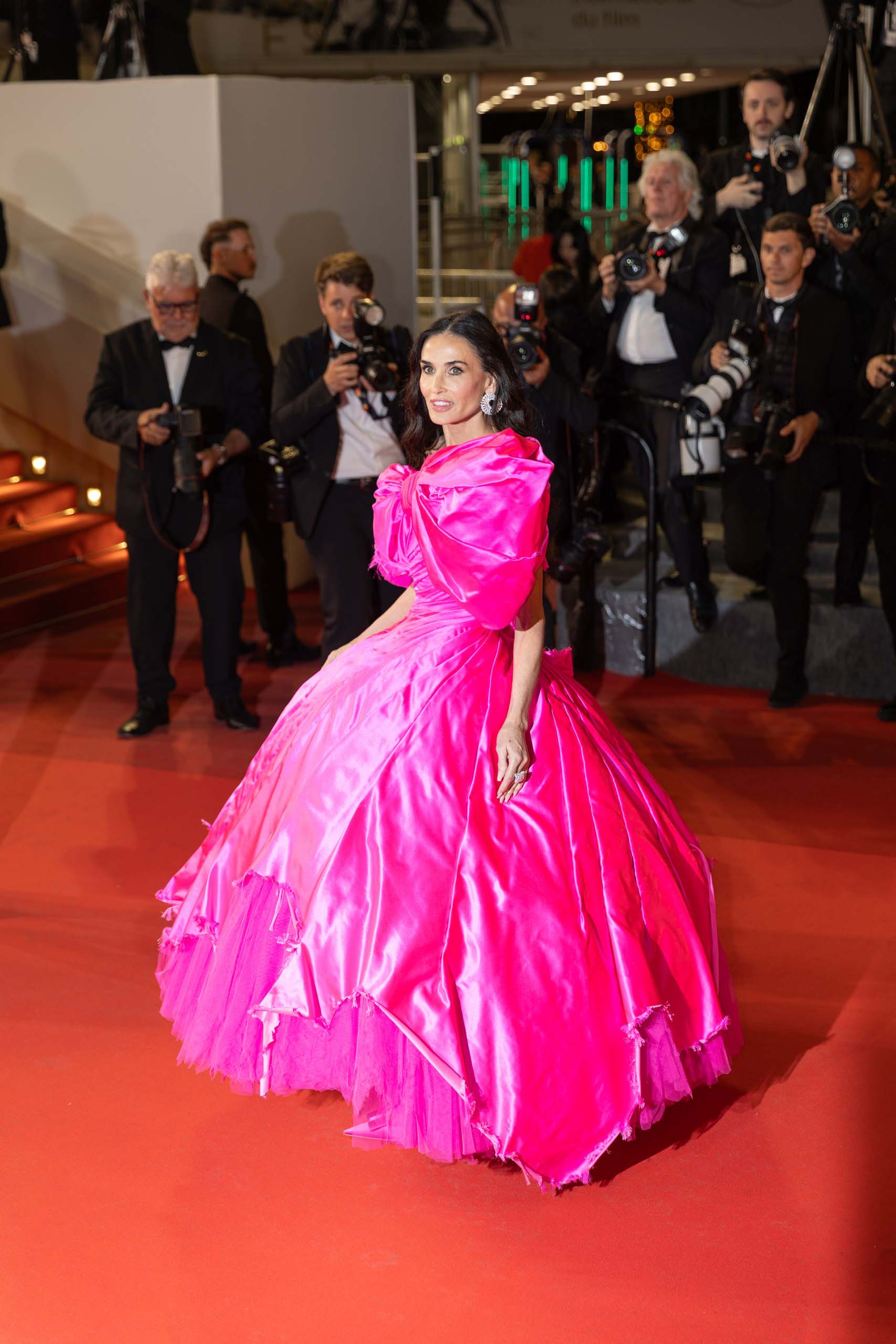
Demi Moore wearing MATIÈRES FÉCALES
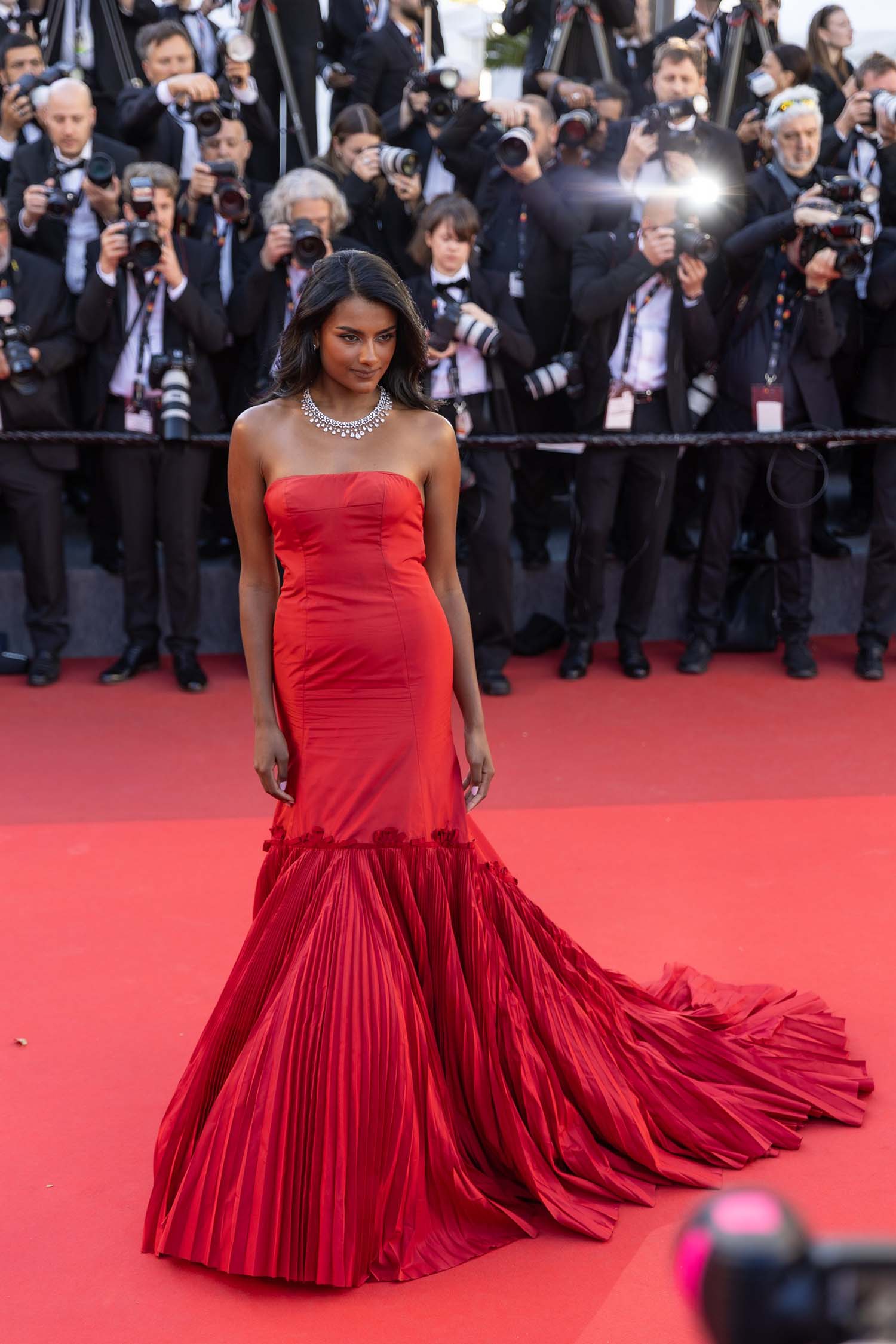
Simone Ashley wearing ALEXANDER MCQUEEN ARCHIVE
This year carried a quietly historic charge. South Korean filmmaker Park Chan-wook presided over the jury, the first Korean director ever to hold the role, bringing with him a committee that is equally decorated as global: Demi Moore, Ruth Negga, Chloé Zhao, Stellan Skarsgård, and other prominent figures in cinema. The festival opened under the sign of Thelma & Louise, whose iconic image of Geena Davis and Susan Sarandon graced the official poster; a nod, perhaps intentional, to a year in which female stories and female gazes dominated the competition. French-Malian actress Eye Haïdara led the ceremonies with effortless authority, while Honorary Palmes went to Peter Jackson, John Travolta, and Barbra Streisand, each a reminder of cinema’s long and sentimental memory.
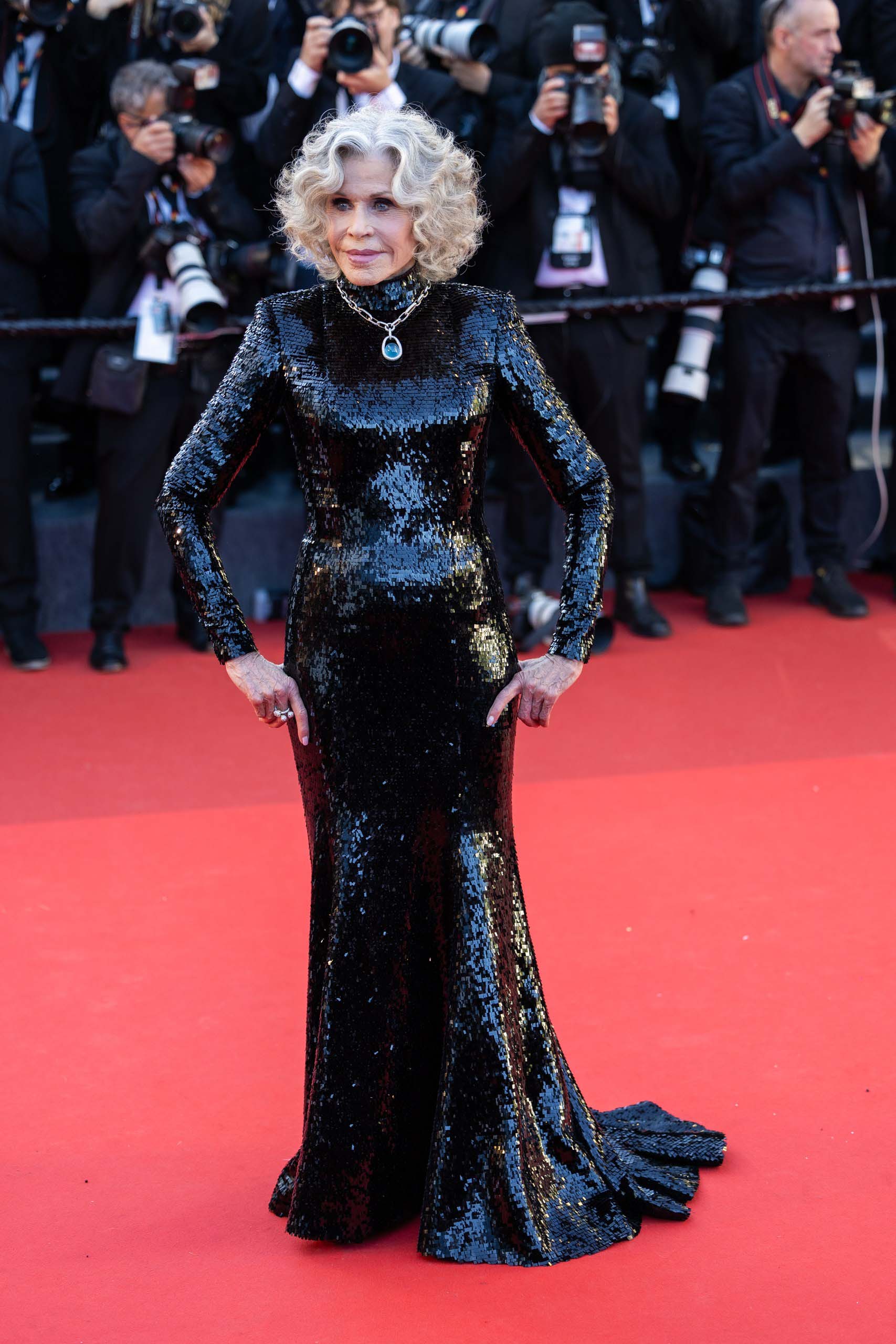
Jane Fonda wearing GUCCI
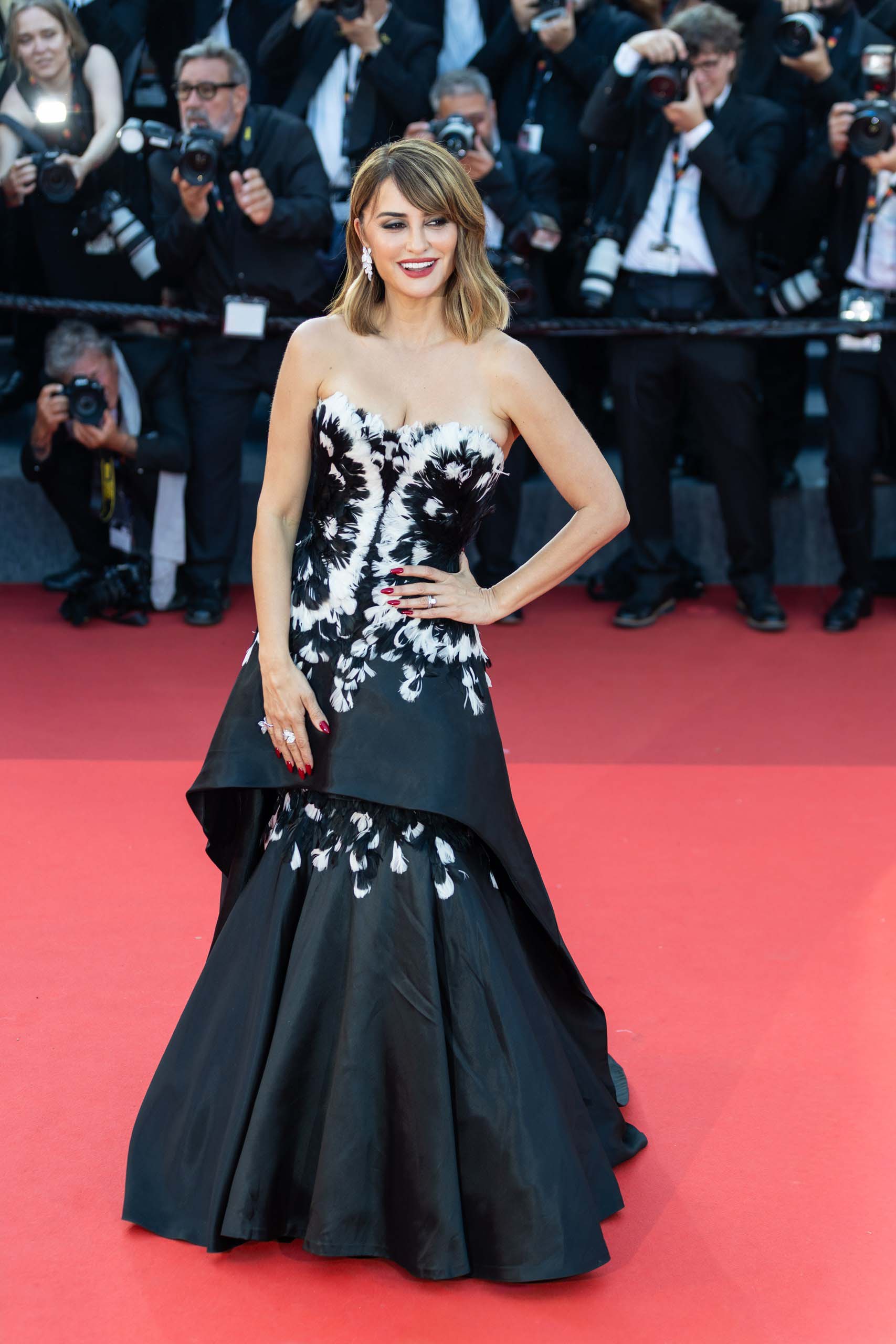
Penelope Cruz wearing GEORGES CHAKRA ARCHIVE
The Palme d’Or ultimately went to Romanian filmmaker Cristian Mungiu for Fjord, his second win after 4 Months, 3 Weeks and 2 Days, a family drama set against Norway’s child protection laws that reportedly left audiences unsettled in the best possible way. Among the other titles generating significant conversation: James Gray’s autobiographical Paper Tiger, a ’80s New York noir with Adam Driver and Miles Teller; Ira Sachs’ The Man I Love, in which Rami Malek delivers what many are calling the performance of his career as an AIDS-era downtown artist; and Ryusuke Hamaguchi’s All of a Sudden, a tender meditation on life and death that earned Virginie Efira and Tao Okamoto a joint Best Actress prize. Léa Seydoux’s work in Marie Kreutzer’s Gentle Monster, a quietly shattering domestic thriller, is already being positioned as an awards contender.
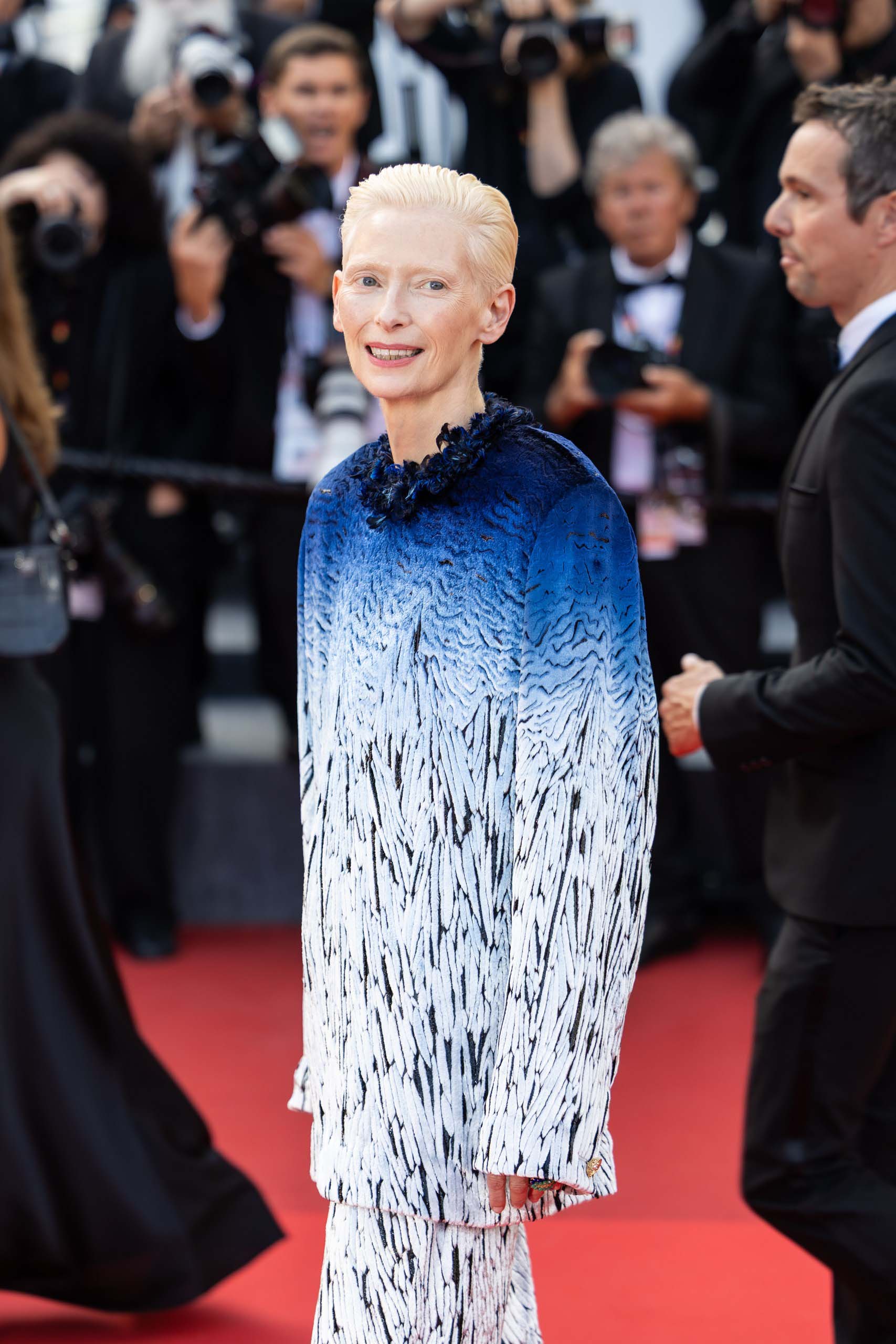
Tilda Swinton wearing CHANEL
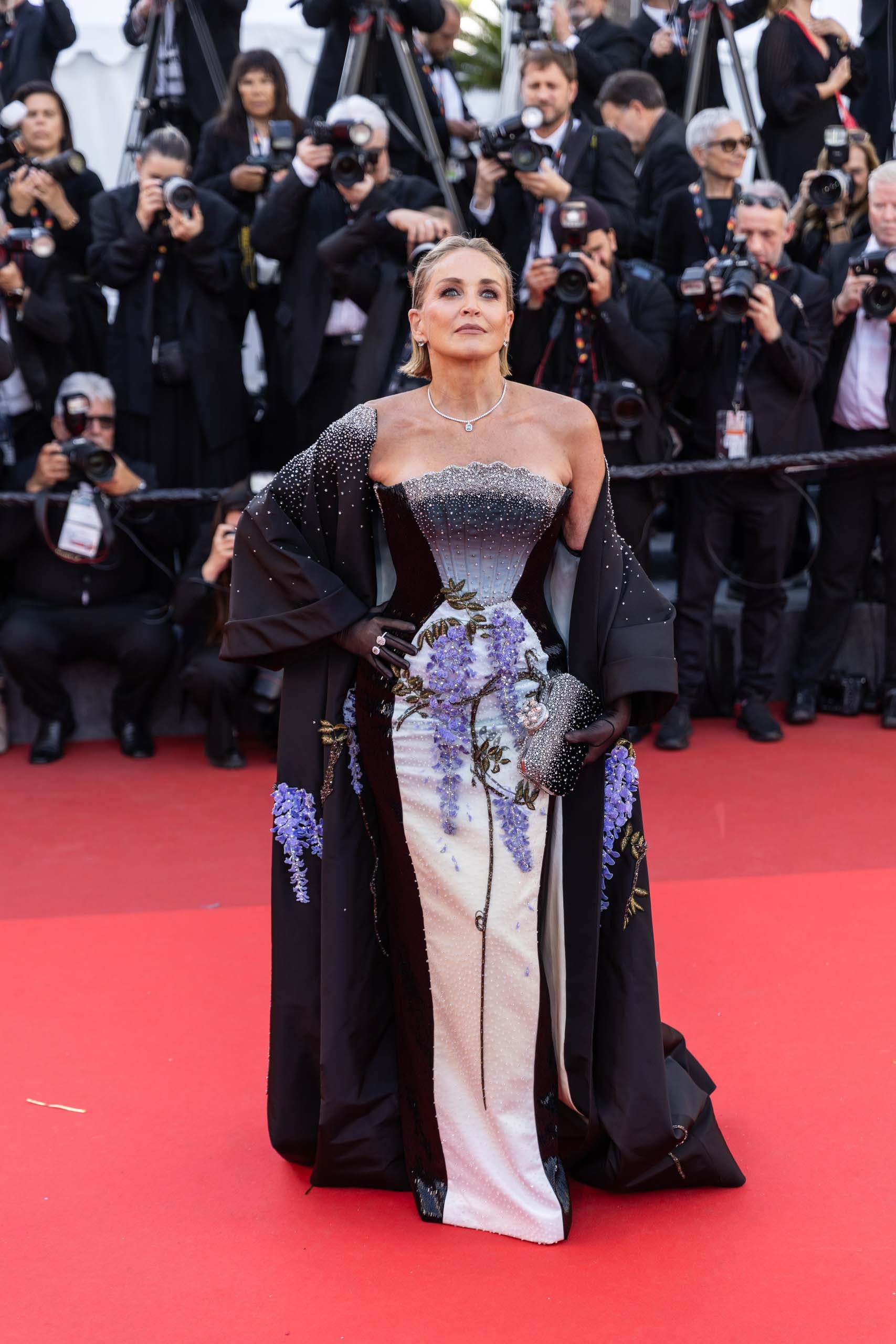
Sharon Stone wearing MISS SOHEE
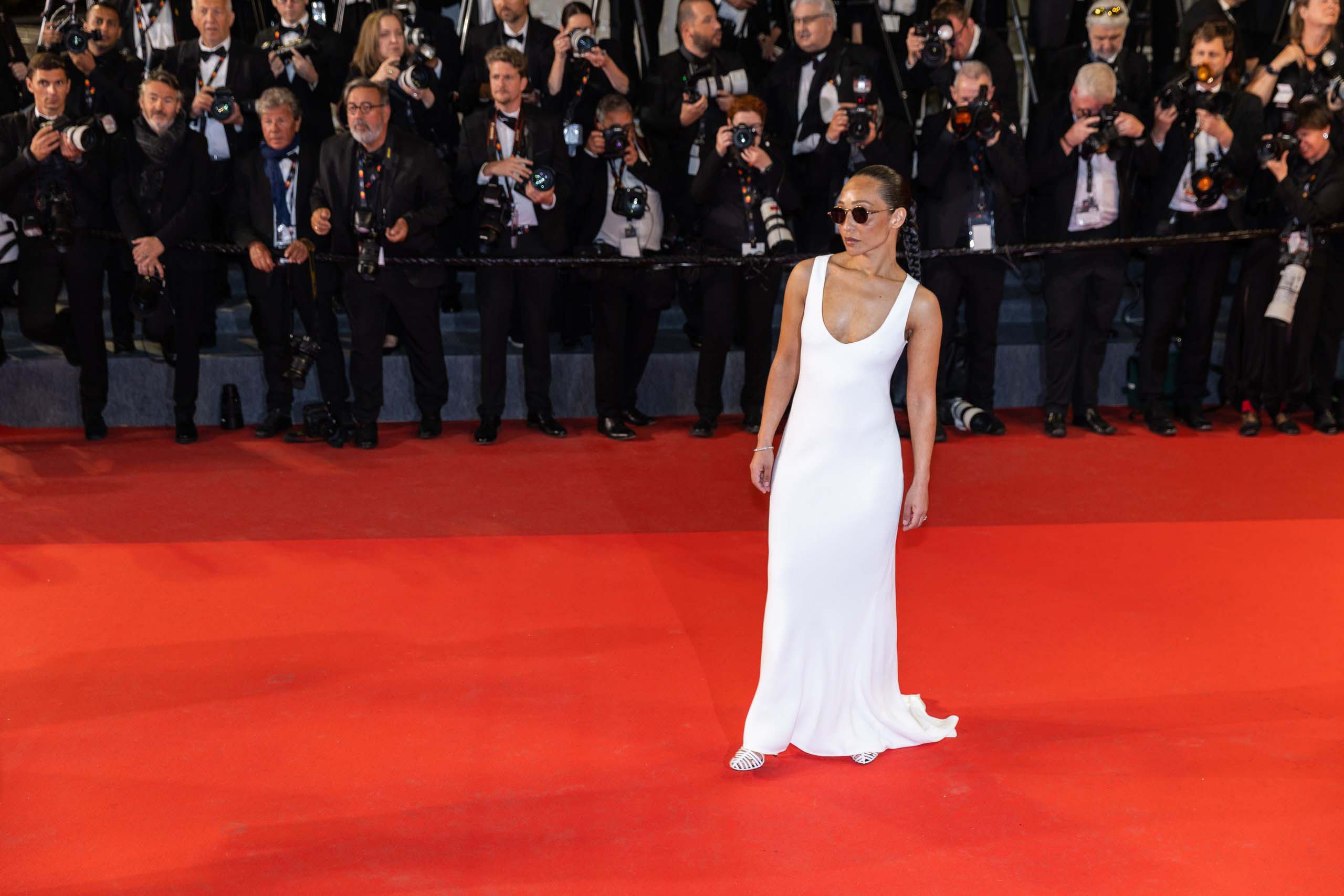
But Cannes is never just about what screens. The Palais steps have always been a stage, and this edition’s red carpet was, to put it plainly, exceptionally well dressed.
Chanel, Saint Laurent, and Prada each carved out a dominant presence on the Croisette, and between the three, they dressed much of what the festival will be remembered for.
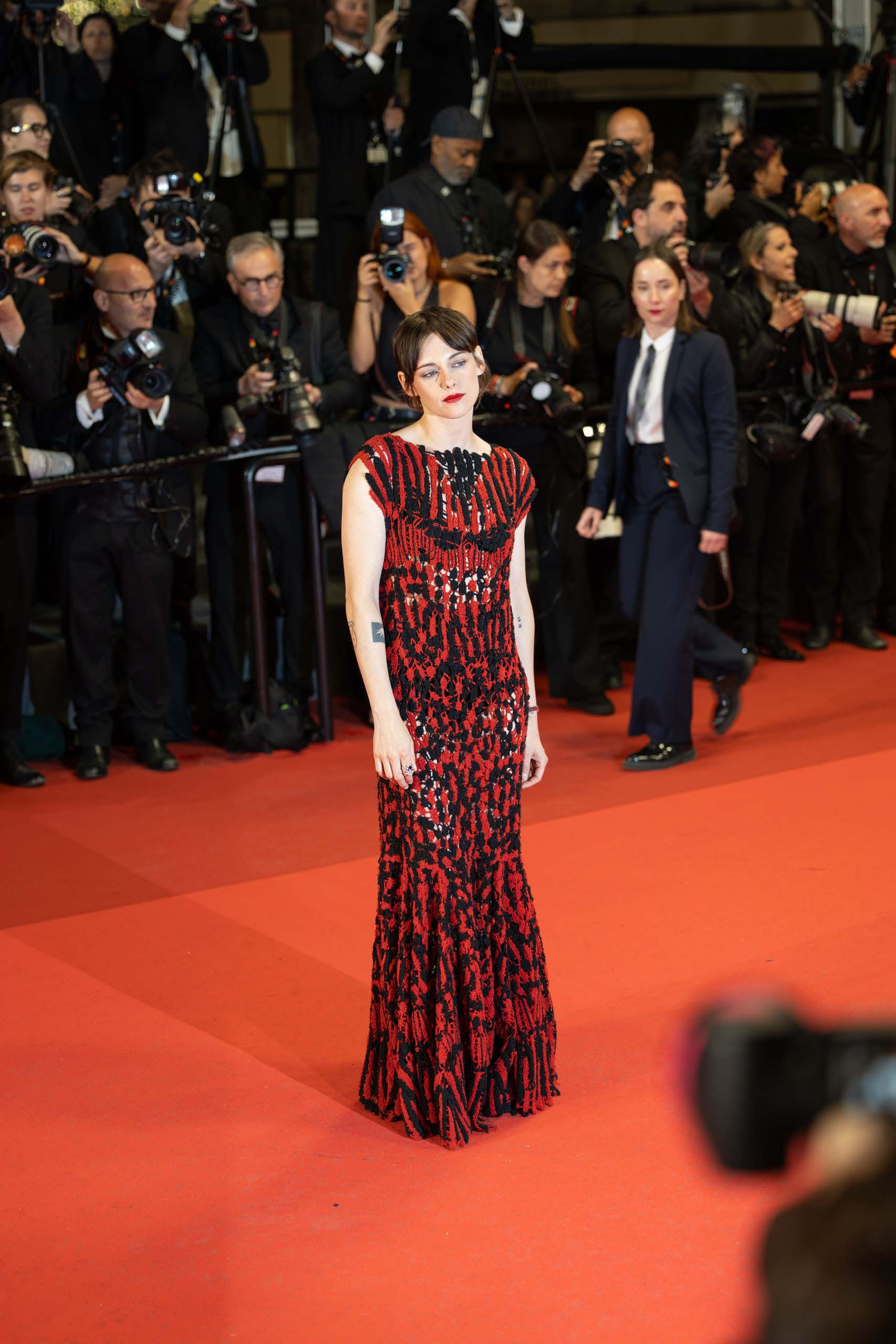
Kristen Stewart wearing CHANEL.
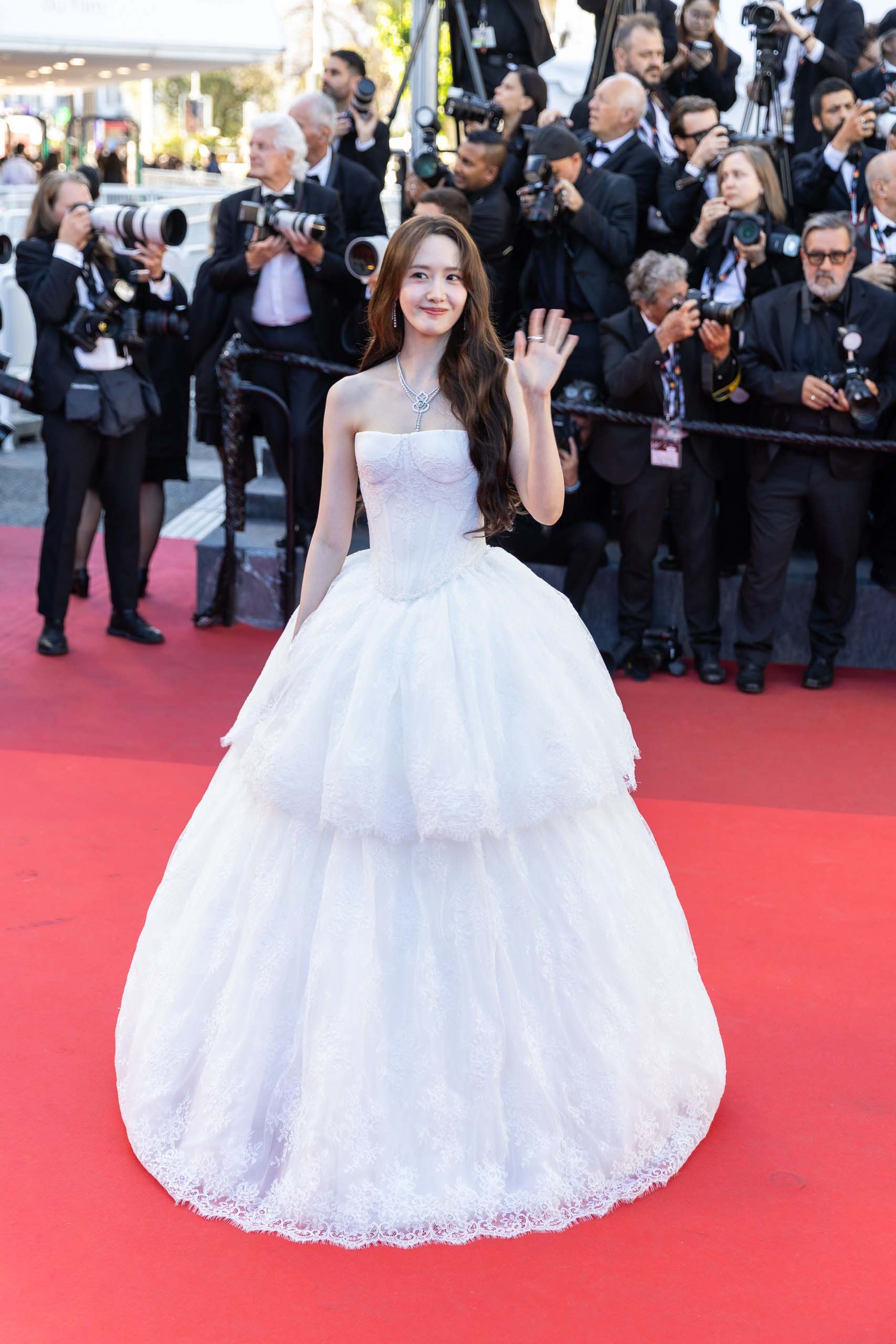
Yoona Lim in KYHA Bridal and QEELIN Jewellery.
Chanel dominated the Croisette with Tilda Swinton appearing on two separate occasions; Tao Okamoto on three. Kristen Stewart’s red dress became one of the most discussed looks of the fortnight. Zoe Saldaña, Marion Cotillard, Penélope Cruz, Kristen Stewart, Riley Keough, and Sandra Hüller all moved through the festival in the house’s pieces, each bringing their own register to the same signature. Saint Laurent, meanwhile, assembled a constellation that included Charlotte Gainsbourg, Adèle Exarchopoulos, Virginie Efira, and Charlotte Cardin, a lineup that read like a particularly good dinner party guest list. Louis Vuitton brought its own gathering: Cate Blanchett, Alicia Vikander, Léa Seydoux, Renate Reinsve, and Hoyeon among them.
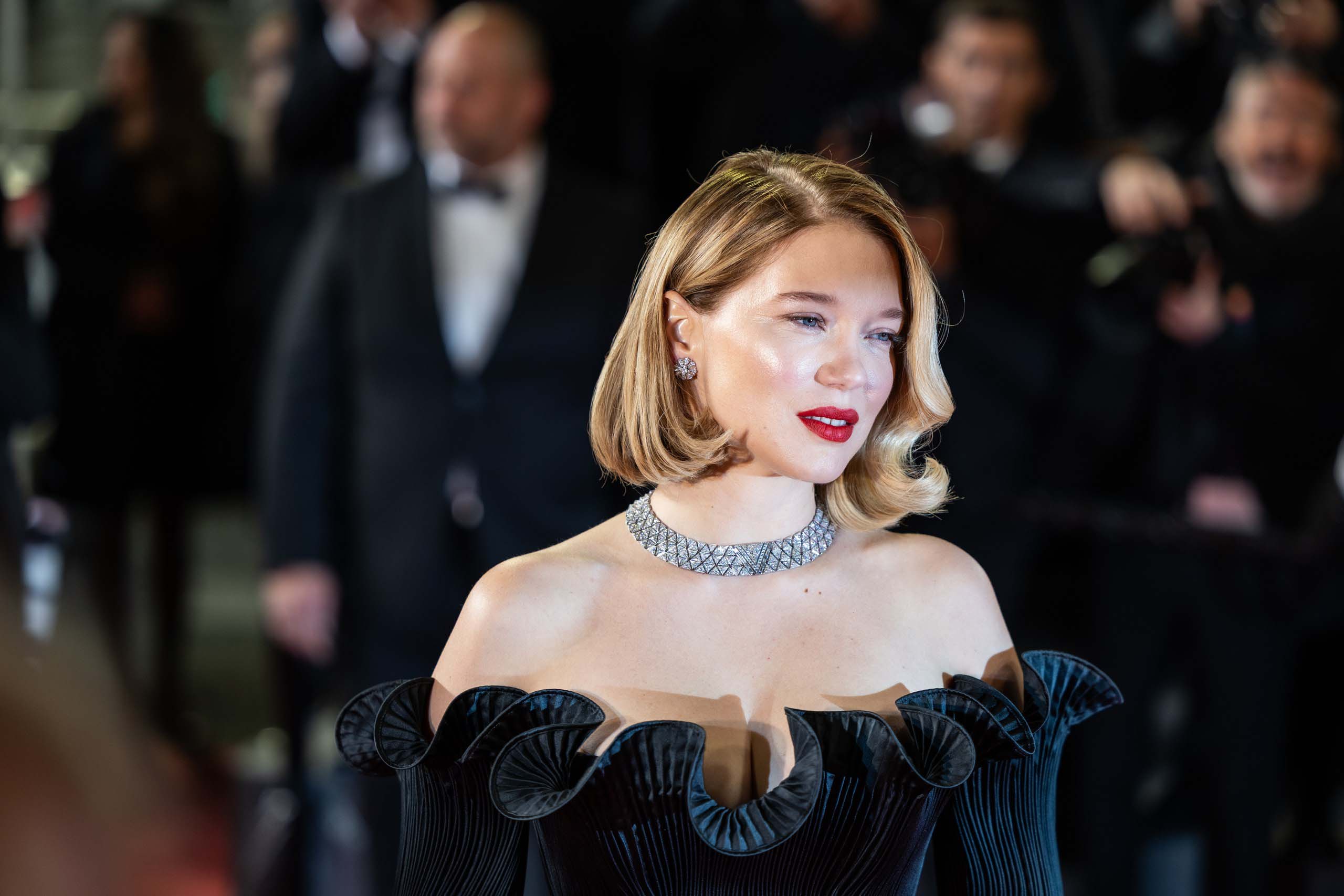
Léa Seydoux in custom LOUIS VUITTON
If Chanel owned the volume, Ruth Negga owned the conversation. The Irish-Ethiopian actress appeared on the carpet in Loewe, Balenciaga, Dior, Louis Vuitton, Celine, Prada, and Ami Paris across the festival, a kind of one-woman tour through the upper echelons of European fashion.
Demi Moore, who also sat on the jury, lest we forget, managed the rare feat of being as talked about for her wardrobe as for her presence inside the Palais. Over the course of the festival she moved through Jacquemus, Gucci, Thom Browne, Balenciaga, and the more unexpected Matières Fécales, with the kind of ease that suggests someone genuinely enjoying the exercise rather than simply fulfilling it. Each appearance felt deliberate, each choice slightly surprising, which is, of course, the whole point.
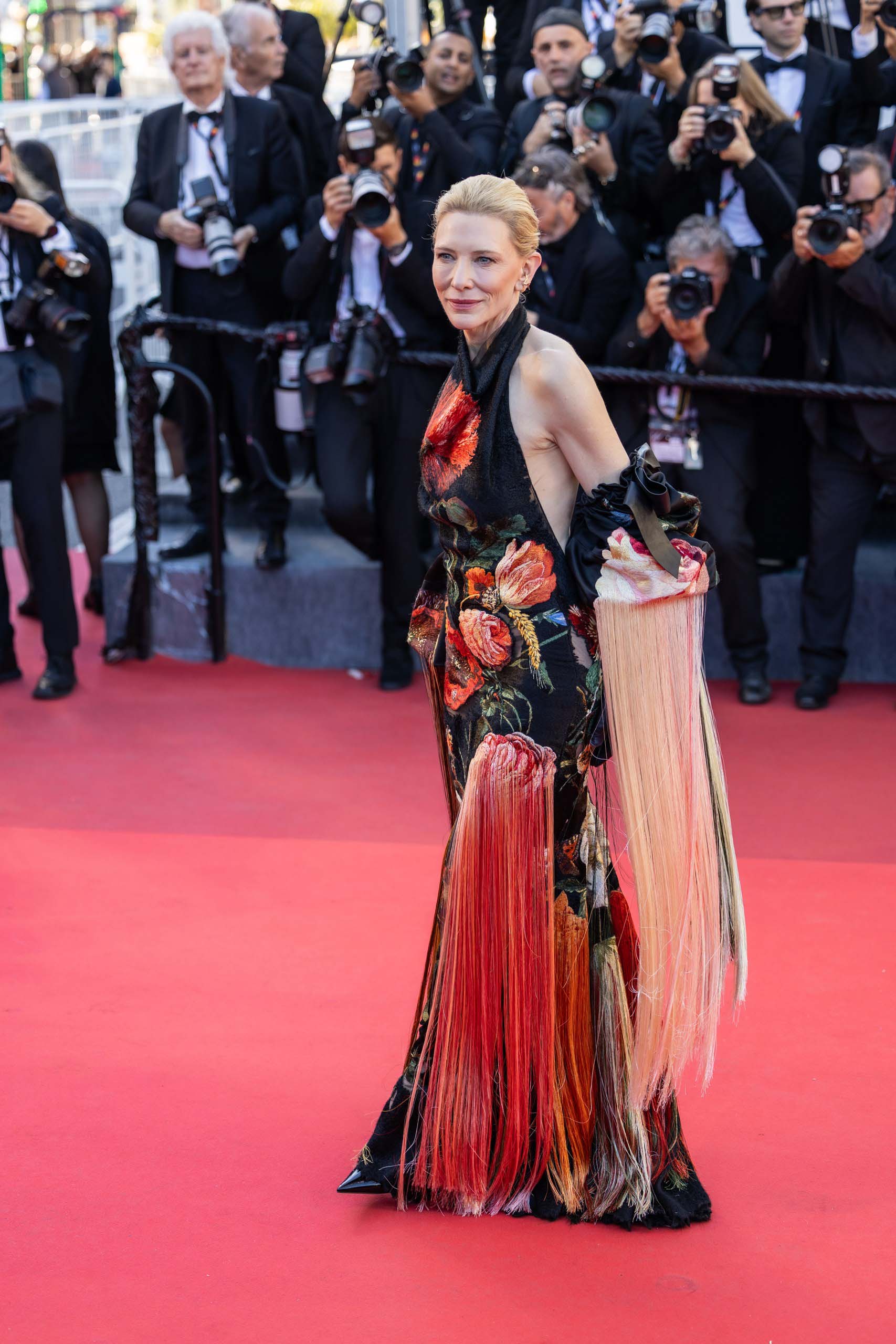
Cate Blanchett wearing GIVENCHY
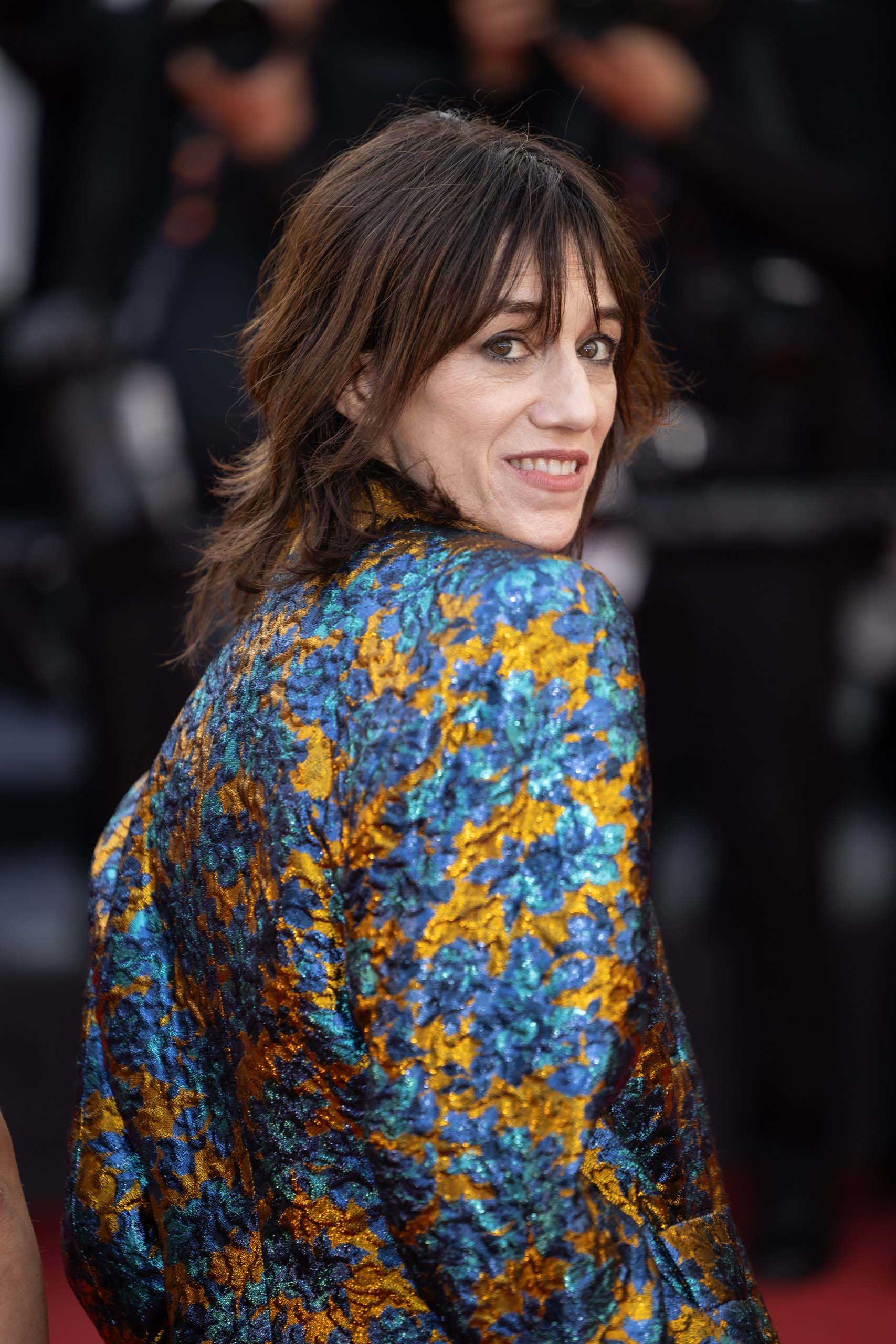
Charlotte Gainsbourg wearing SAINT LAURENT
Aishwarya Rai’s arrivals on the Croisette carried a different kind of weight altogether. The actress, a Cannes fixture whose red carpet presence has long been treated as an event in itself, appeared in Asian designers Cheney Chan and Amit Aggarwal, a choice that felt both personal and pointed. In a festival that can sometimes default to the same rotation of European houses, it was a welcome reminder that the carpet is large enough for more than one conversation about beauty and craft.
And then there was Barbara Palvin in Miu Miu, a blue dress that took on a life entirely its own, not least because it carried a secret. The appearance marked Palvin’s pregnancy reveal and the image sparked conversation well beyond the festival itself, generating half a million views on Numéro Switzerland Instagram alone. Many drew a parallel to Angelina Jolie’s iconic 2008 Cannes appearance, when Jolie walked the Palais steps visibly pregnant with twins in a feather-trimmed green maxidress. It’s the kind of image Cannes produces almost accidentally: a single frame that crystallises something about beauty, timing, and the particular electricity of that particular place.
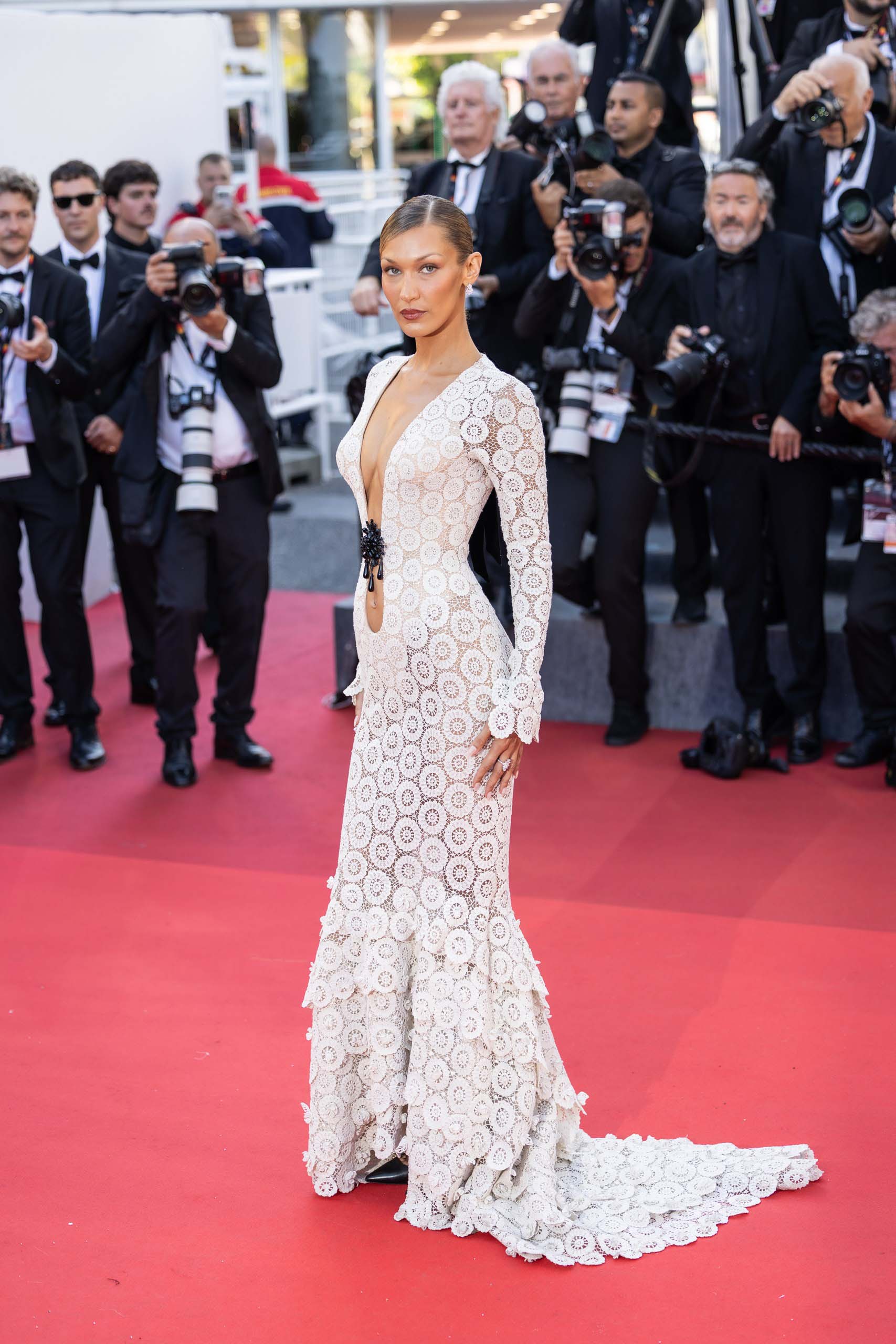
Bella Hadid wearing SCHIAPARELLI
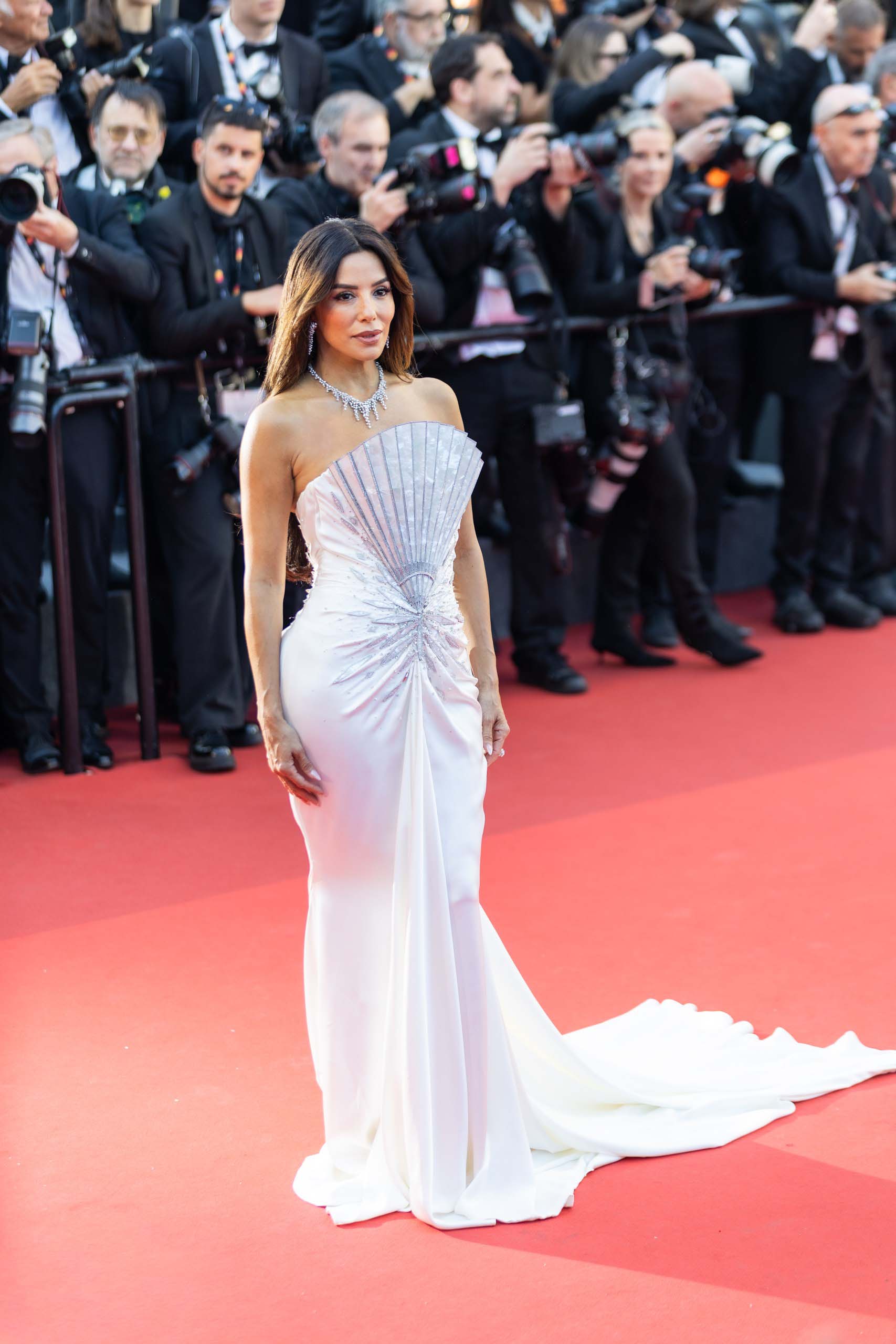
Eva Longoria
Two weeks, twenty-some films, and more fashion than most cities see in a year. The 79th edition was, by most accounts, a quieter Cannes, and yet quiet, at Cannes, is never quite the right word.
Bella Hadid wearing PRADA ARCHIVE
Barbara Palvin wearing MIU MIU
author PRYAM MISHRA
Images TATIANA VOLOBUEVA
Videos DARIA BASOVA