April 9, 2026
The Iron Butterfly: In Conversation With Anastasiia Tsybuliak
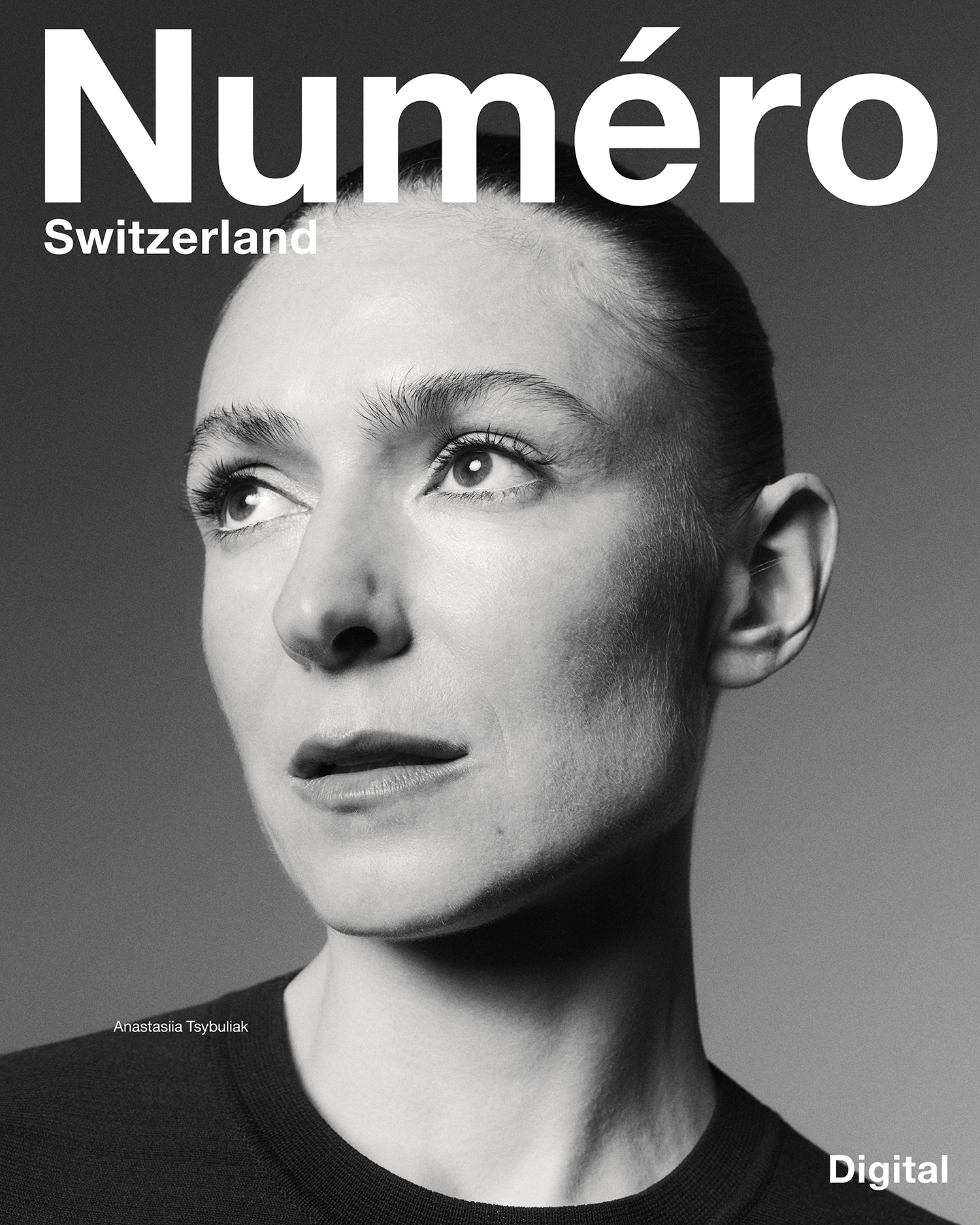
Anastasiia Tsybuliak (Instagram) is a Ukrainian scientist, entrepreneur, activist, and mother of three. Hers is a story about how intellect becomes a form of action, and how an unshakable belief in one’s mission can turn into a force capable of reshaping reality.
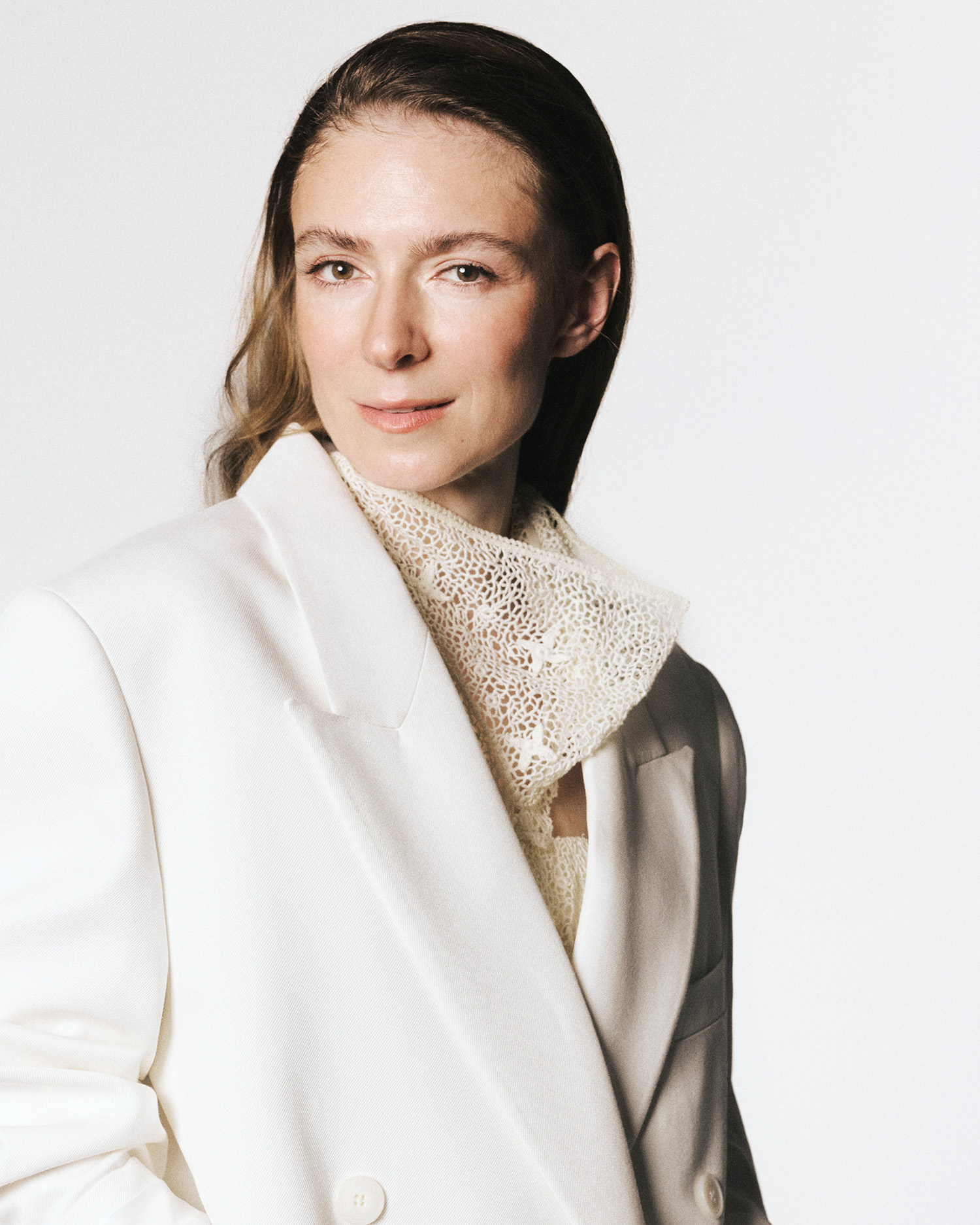
full look DRIES VAN NOTEN
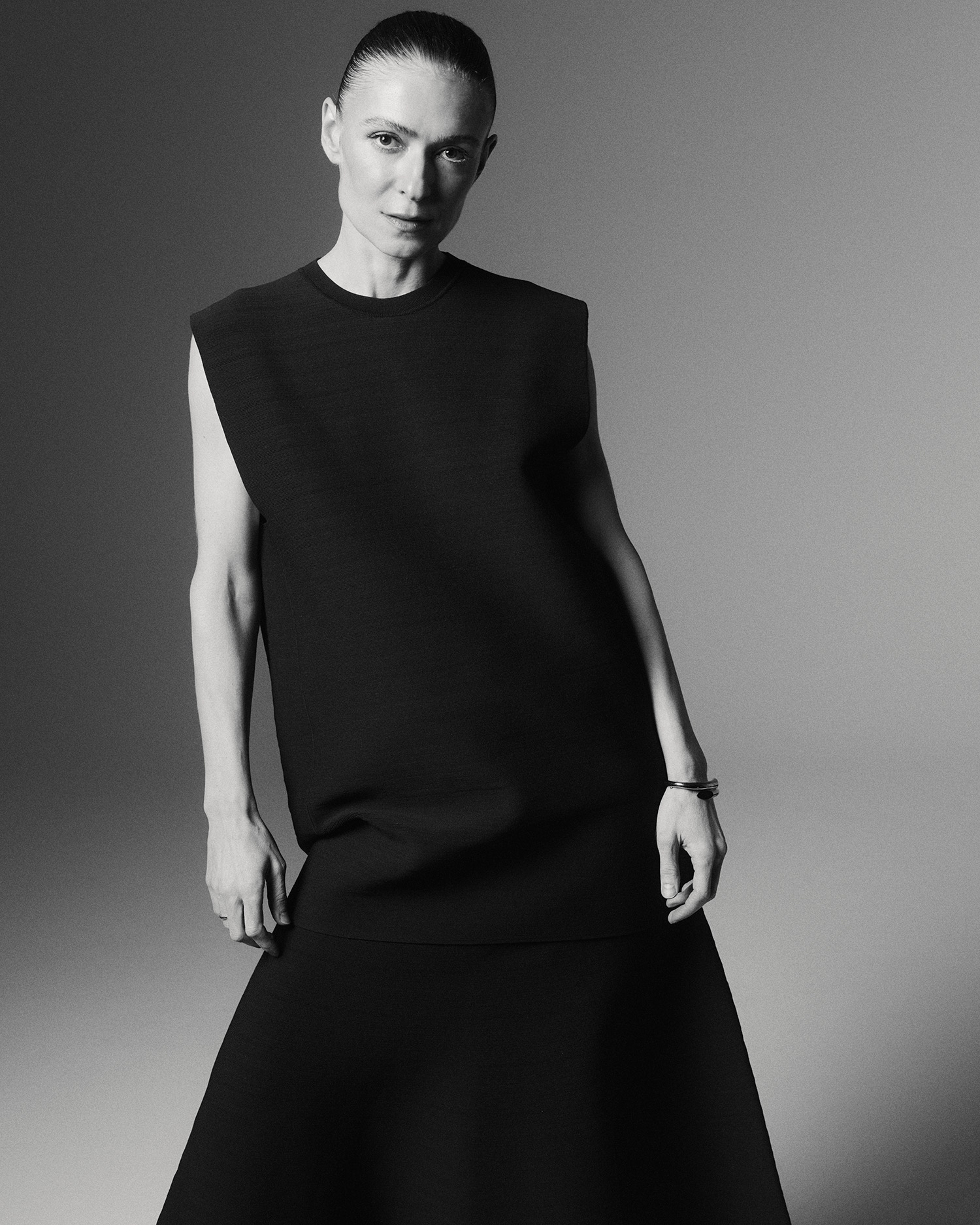
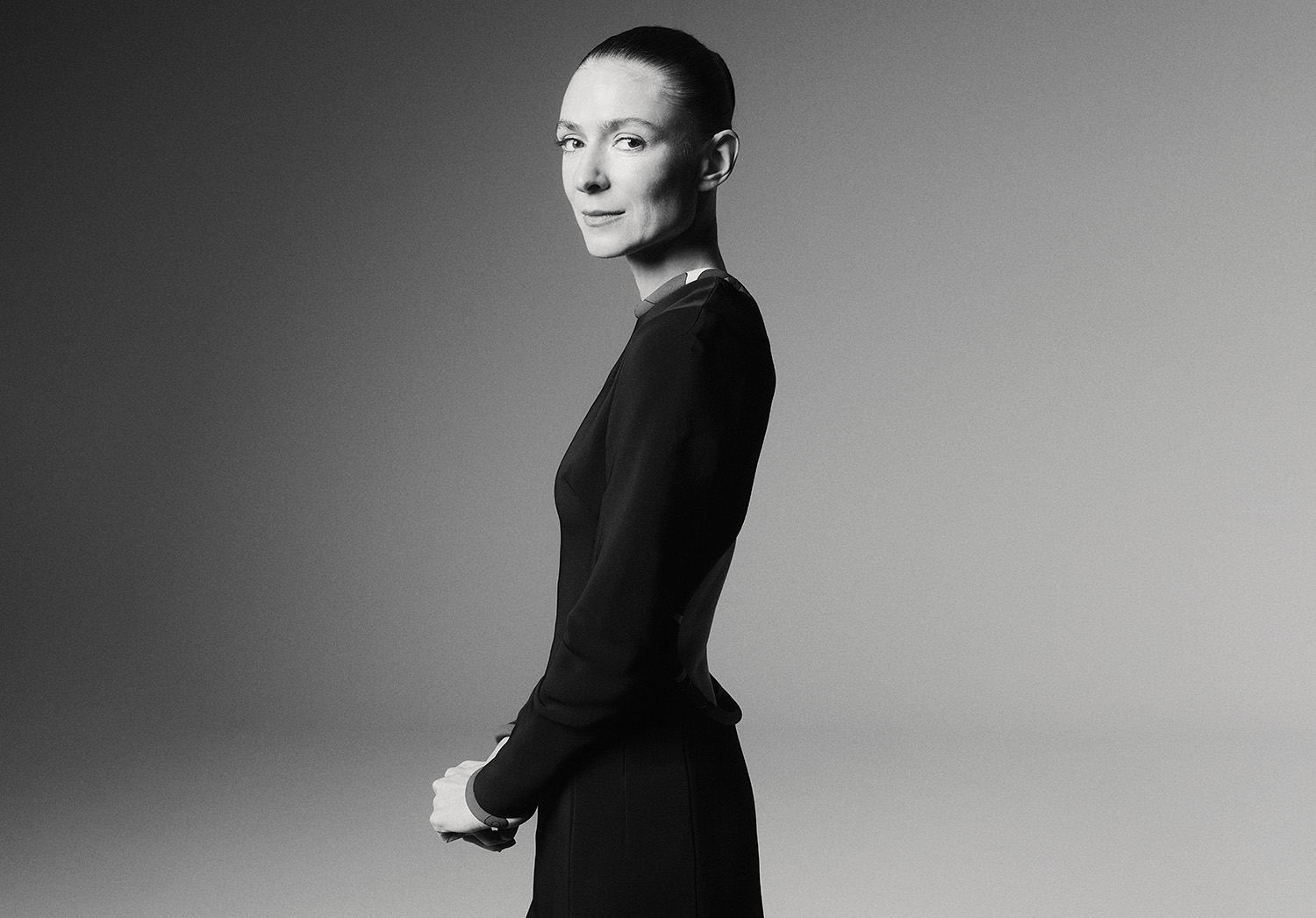
dress ICICLE
In the quiet light of a Swiss morning, amid glass architecture and alpine air, Anastasiia Tsybuliak appears almost paradoxical. Small, delicate, restrained in her gestures, she gives the impression of someone who belongs more to the world of ideas than to the world of business. Yet the longer the conversation lasts, the clearer it becomes: behind that outward lightness lies a rare combination of intellectual discipline, entrepreneurial resolve, and a quiet, almost philosophical form of activism. In contemporary Europe, such a combination is uncommon.
Tsybuliak is a scientist, entrepreneur, professor, public figure, founder of the Glossary Eco
Foundation and the “School Under the Sun” (glossaryecofoundation.org ) program, which installs solar panels in Ukrainian schools. But listing roles here does not function as a catalogue of achievements. Rather, they are different expressions of the same inner axis—an attempt to unite knowledge, action, and responsibility. Perhaps that is why she speaks about her career without the usual entrepreneurial division into separate domains.
“To be honest, I never truly perceived these worlds as separate. Perhaps it was more of an intuitive feeling than a conscious decision. I was always naturally drawn to all three directions—academia, business, and activism—and at that stage of my life I simply had enough energy and curiosity to pursue them simultaneously.”
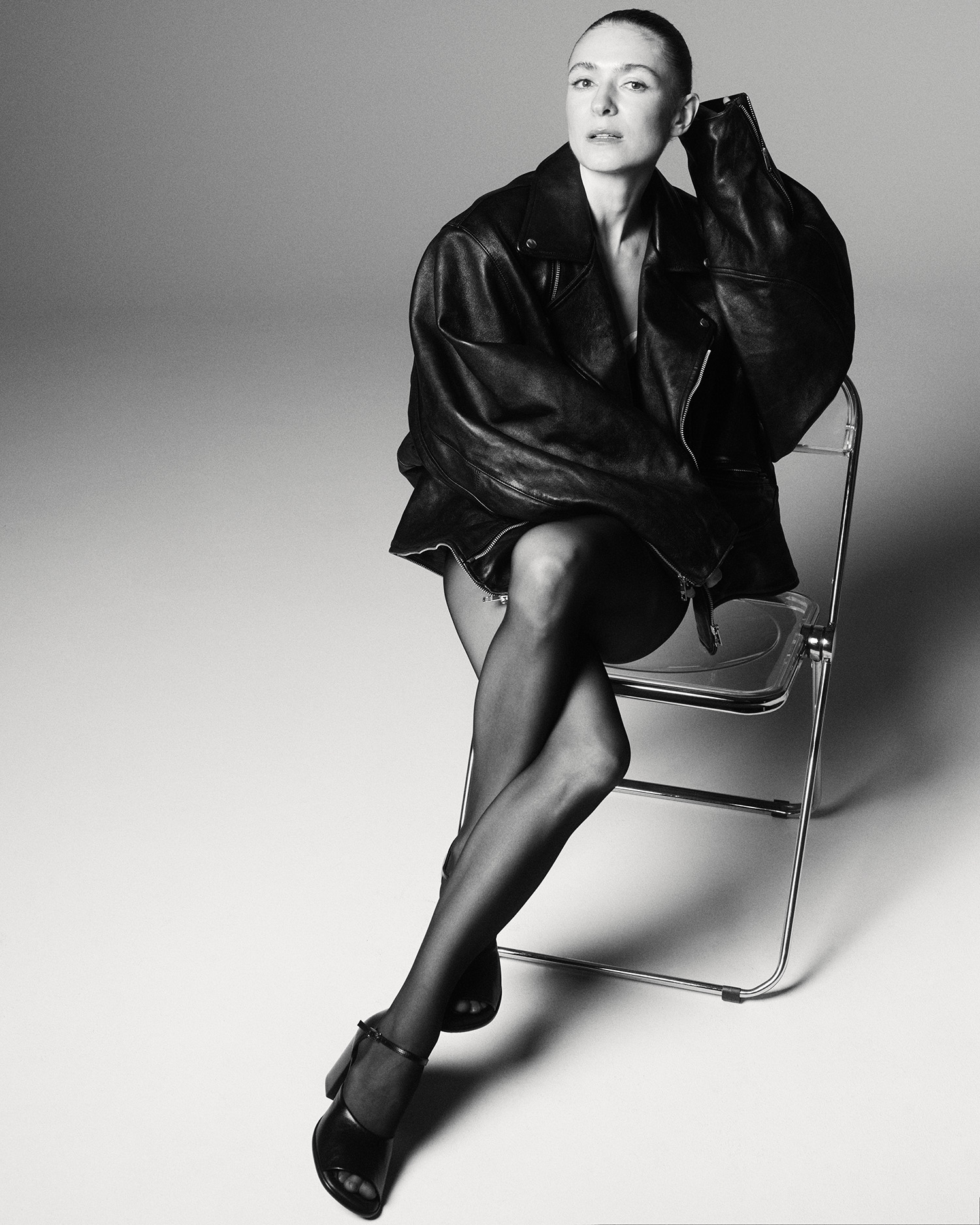
jacket BEAUTIFUL PEOPLE
shoes LEMAIRE
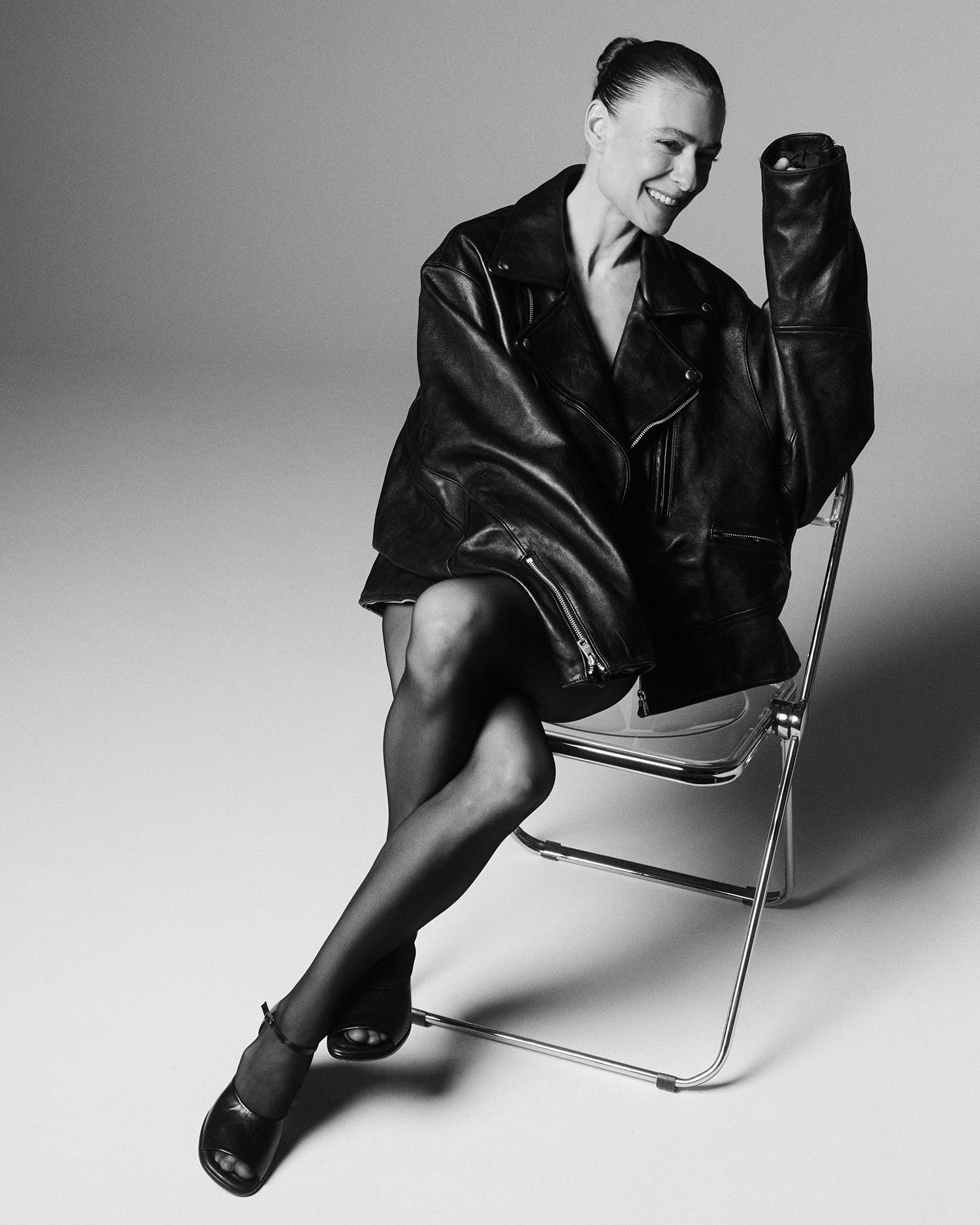
jacket BEAUTIFUL PEOPLE
shoes LEMAIRE
For Anastasiia, the academic world is, above all, a way of perceiving the structure of reality.
“For me, the academic environment provides depth: it teaches structured thinking, an understanding of systems and long-term consequences.” Yet ideas, as she explains, cannot exist only in the realm of theory. “Business, on the other hand, allows ideas to become reality—it is where concepts turn into practical solutions.” And this is where the third element of her worldview appears: activism.
“Activism brings meaning. It reminds us why all this is being done. In a sense, activism warms the soul of the projects you create, because it connects them to something greater than yourself.” In this triad—depth of thought, practical implementation, and moral purpose—a form of modern leadership emerges that rarely fits into conventional categories.
The origins of this worldview, Tsybuliak explains, are surprisingly simple. When the conversation turns to mentors, she speaks of her family. “In many ways, my mentors were my parents. In that sense, I was truly very fortunate.” Her father, she says, was her guide in business. “Our conversations were not very frequent, but they were always precise and meaningful—the kind that stay with you for a long time. He had an ability to see the essence of things and to help me understand how decisions are made in the real world.” Her mother played a different role—an intellectual one. “In academia, that role was played by my mother. It was she who shaped my intellectual discipline and my respect for knowledge.” In retrospect, she frames it almost as a simple formula for the beginning of her path: “Looking back, the two most important mentors at the start of my professional life were my parents—each in their own domain.”
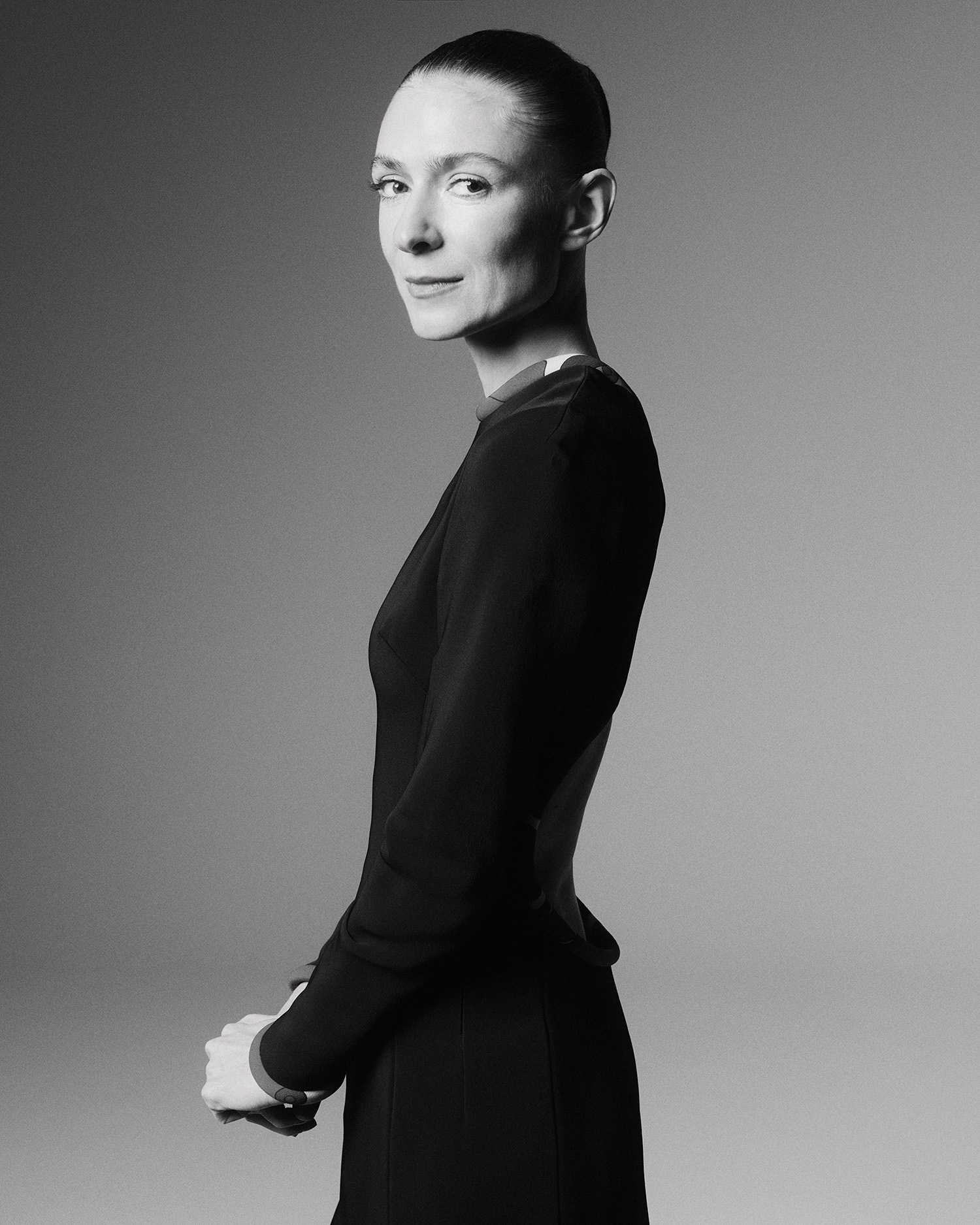
dress PUCCI
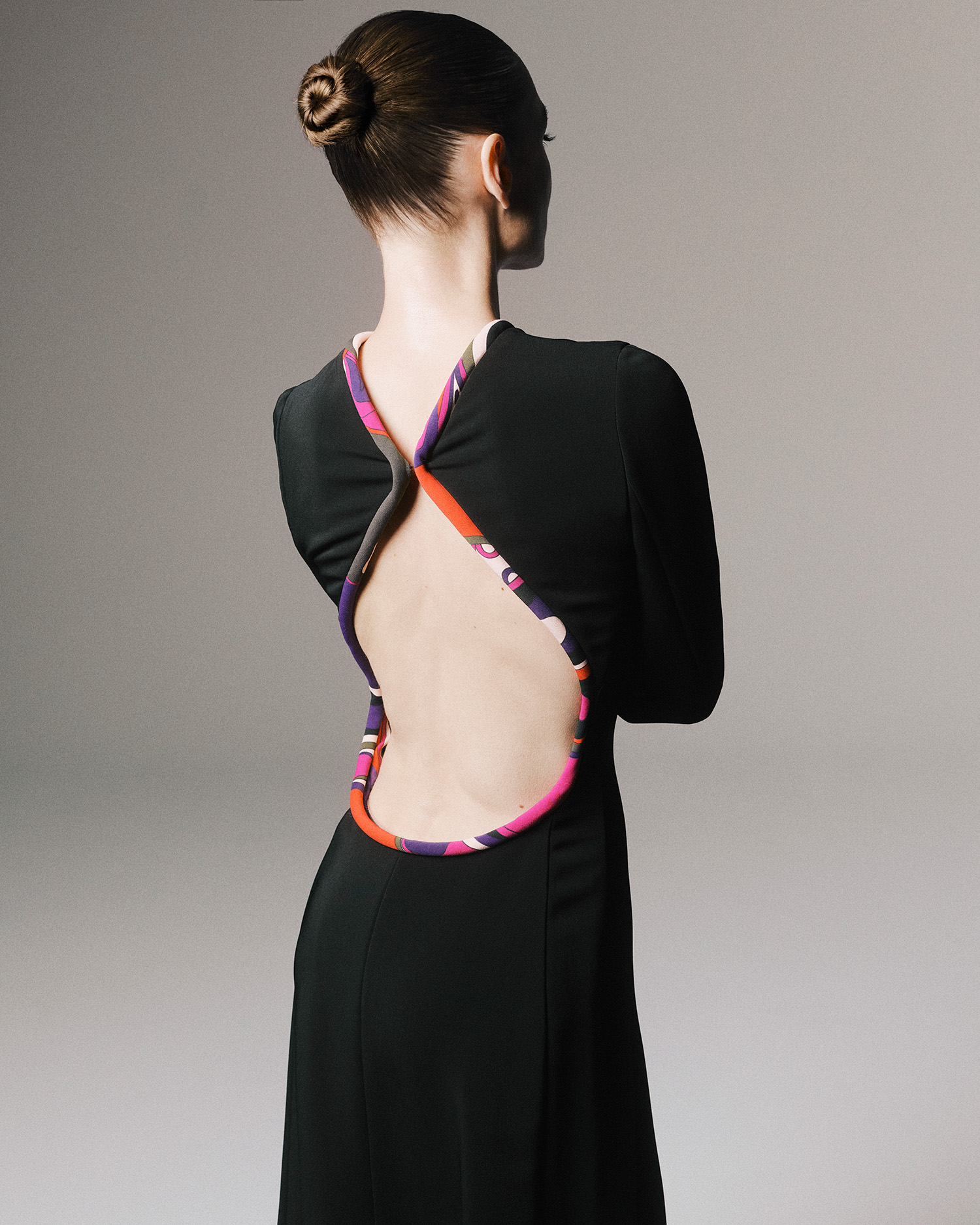
dress PUCCI
Interestingly, despite her academic background, Tsybuliak never built a public identity around it.
“To be honest, I never really ‘advertised’ my academic education or saw it as something to be showcased. For many years, it was simply a natural part of me, not a professional asset to be promoted.” Only in recent years—years marked by war in Ukraine—has her perspective shifted. “Perhaps only in the last four years, during the war, have I truly begun to feel the value of this experience. In periods of turbulence, knowledge and intellectual depth become especially important. They help you slow down, reflect on what is happening, and see a broader strategic picture rather than merely reacting to immediate circumstances.”
Thus, she says, her academic reputation neither eased nor complicated her entrepreneurial path. It simply gave her a different mode of thinking. “It gave me a certain depth—the ability to analyze systems, to question assumptions, and to approach decisions with a long-term perspective. In unstable times, that becomes particularly valuable.”
When speaking about her personal life, she pauses—and for the first time in the interview, a word appears that carries special weight in her system of coordinates: motherhood. “Motherhood is a very independent role, perhaps the fifth on this list. And it is a full and meaningful role in itself.” Then she carefully adds something that unexpectedly shifts the scale of that definition. “In terms of responsibility, emotional depth, and the scope of decisions it entails, it may even be more significant than the others. Being a scientist, entrepreneur, or activist shapes how I act in the world. But motherhood shapes how I see the world.”
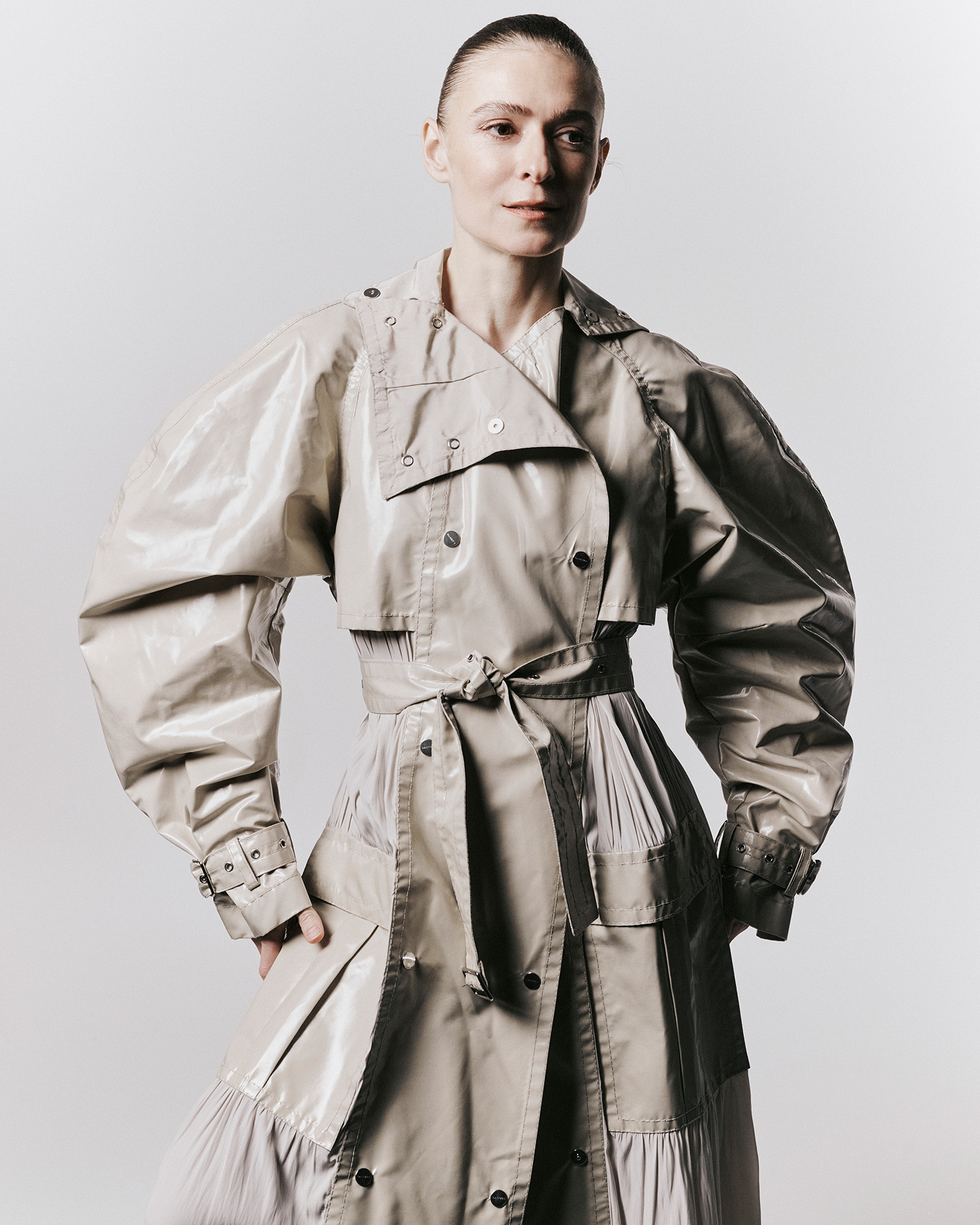
coat LANVIN
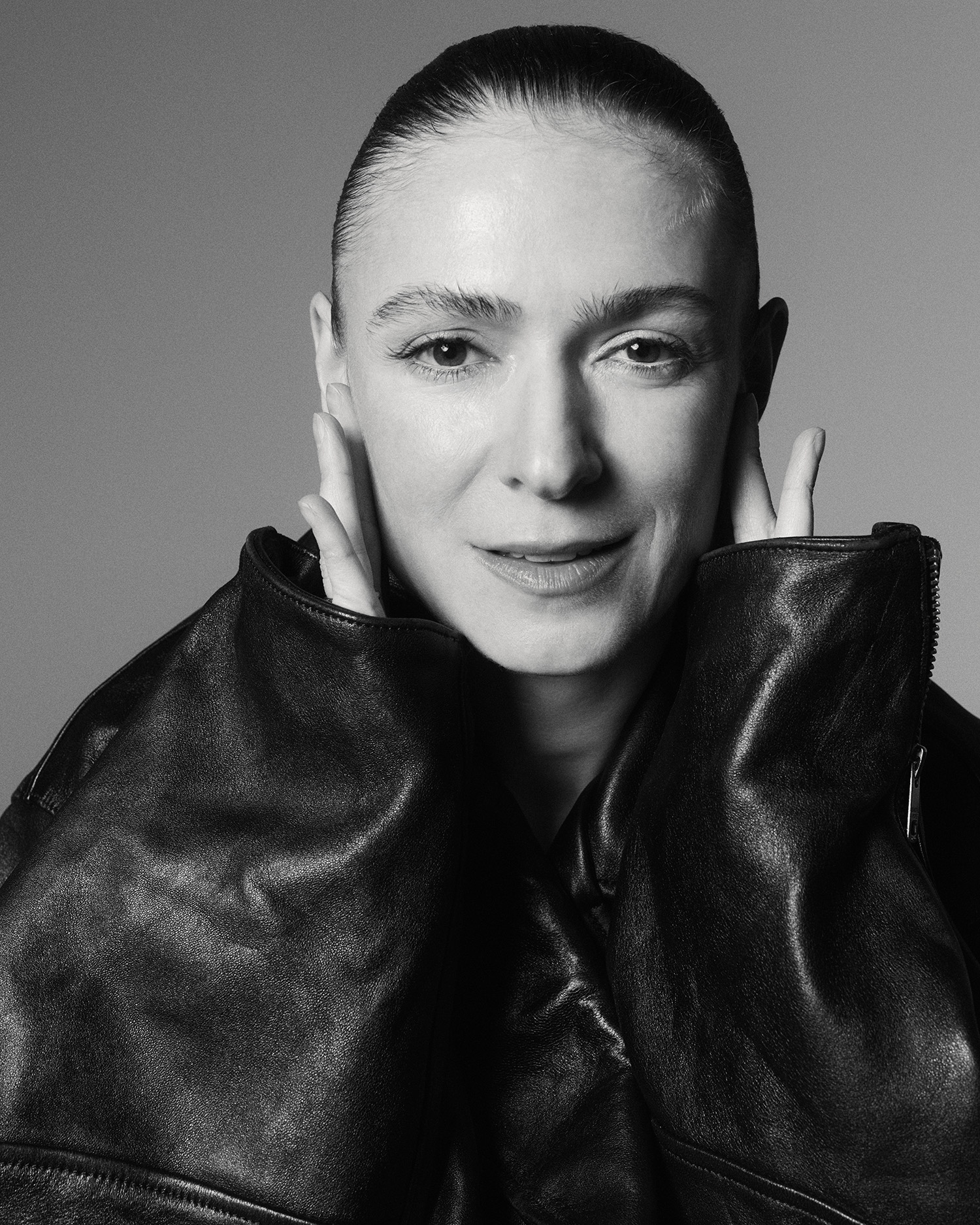
jacket BEAUTIFUL PEOPLE
In that sentence, one can almost hear the underlying logic of all her projects. “It constantly reminds me that every professional decision ultimately affects the next generation. In that sense, motherhood is not separate from my other roles—it gives them perspective and meaning.”
This sense of responsibility for the future is one of the central motives of her work. When asked about professional decisions, she answers without hesitation: “I always think about the consequences. Like many parents today, I deeply hope that the world our children inherit will be a world without war—a world where human energy is directed toward knowledge, discovery, and creation, rather than survival.”
Her idea of progress sounds almost old-fashioned, yet that may be precisely where its strength lies.
“I would very much like to see a generation that once again feels free to study philosophy, explore environmental sciences, and devote itself to innovation and research. For me, that is the true measure of progress: when young people choose to create, to think, and to care for the planet.”
For Tsybuliak, ecology is not a fashionable agenda but a philosophy of life.“I believe humanity is gradually beginning to understand that economic success and harmony with nature do not necessarily have to contradict each other. On the contrary, more and more opportunities are emerging to build businesses that are both profitable and respectful toward the environment.” She speaks of this not as a trend, but as lived experience. “What is interesting is that this approach also brings a deeper sense of fulfillment. When people understand that their work not only creates economic value but also genuinely benefits the planet, a special sense of meaning arises.”
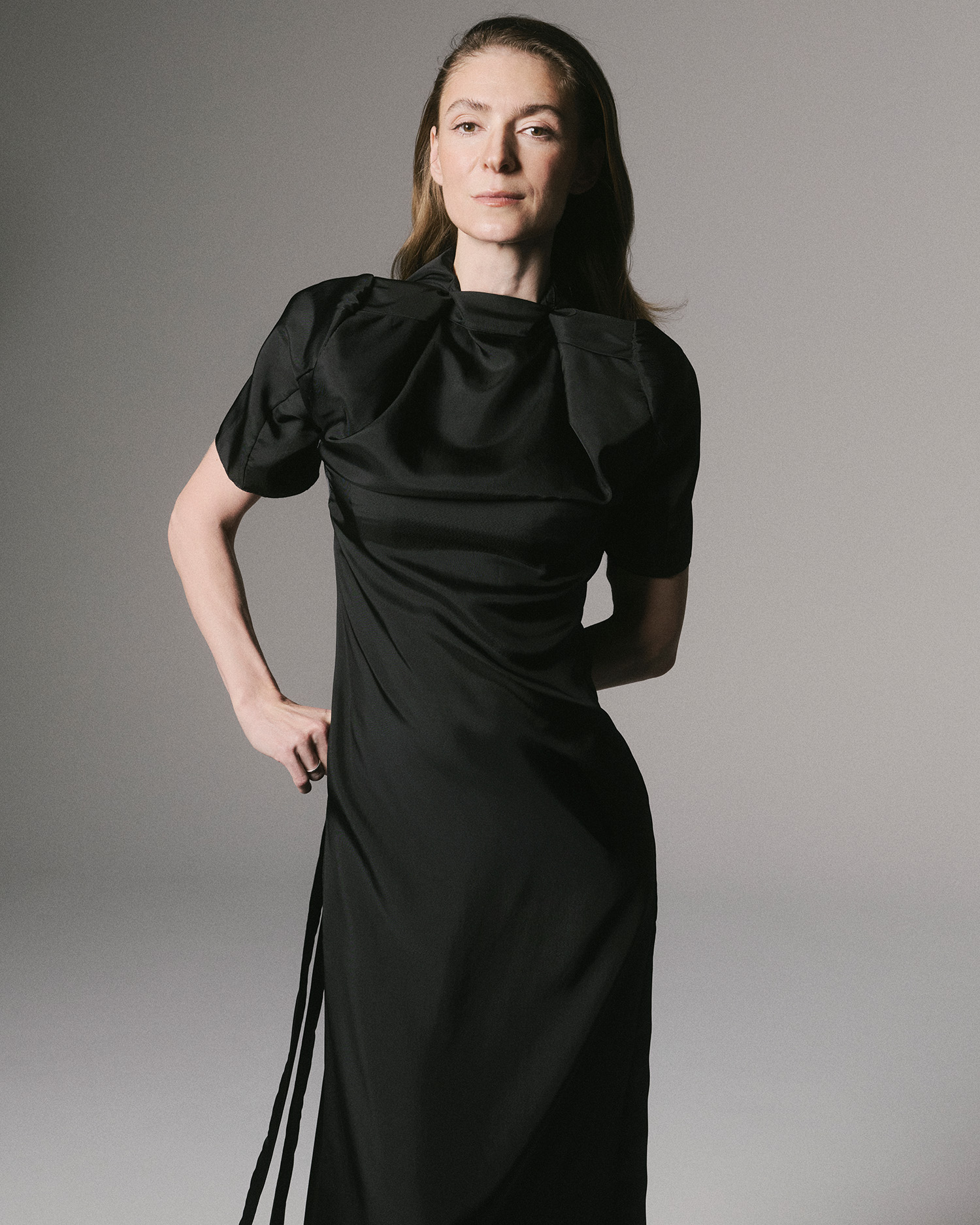
dress TORISHÉJU
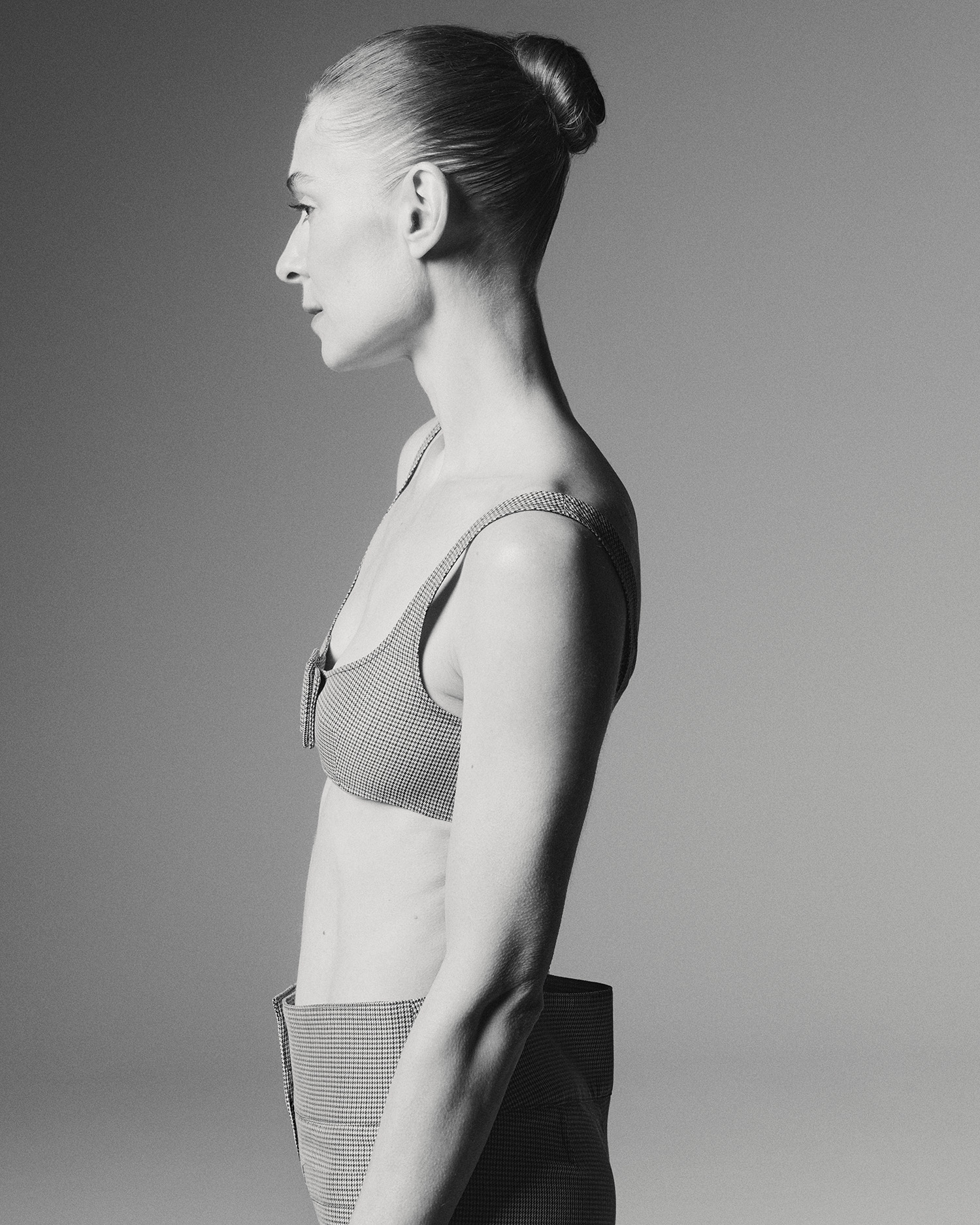
full look COURRÈGES
For her, this is not theory. “I work on environmental protection both as a researcher and as an entrepreneur. And it is the same philosophy we try to follow in our family. Our way of life, as much as possible, is built around ecological choices.”
One of her most well-known projects is the “School Under the Sun” program, through which Ukrainian schools receive solar panels. Before the war, the project seemed idealistic to many. Today, it has become essential. “One of the most difficult ethical moments for me was connected with a project I deeply believed in—the installation of solar panels in schools within the ‘School Under the Sun’ initiative.”
She recalls the atmosphere of pre-war Ukraine almost as a historical moment of hope. “Before the war, there was a very special atmosphere in Ukraine. It was almost a golden time—there was so much hope in the air. It seemed obvious that the country could modernize, that business could grow while becoming more ecological and responsible.” Yet at the time, the project encountered cold indifference. “The difficulty was that I faced a certain indifference from parts of the state system. At that moment, the urgency of these ideas was not fully understood.”
As so often happens, reality intervened—and changed everything overnight. “The irony is that today the same idea has become vital. Because of the war, solar panels in schools are no longer just a matter of sustainability. They provide electricity during outages, allow kitchens and food storage systems to function, support heating, and make it possible for children to continue learning even during blackouts.”
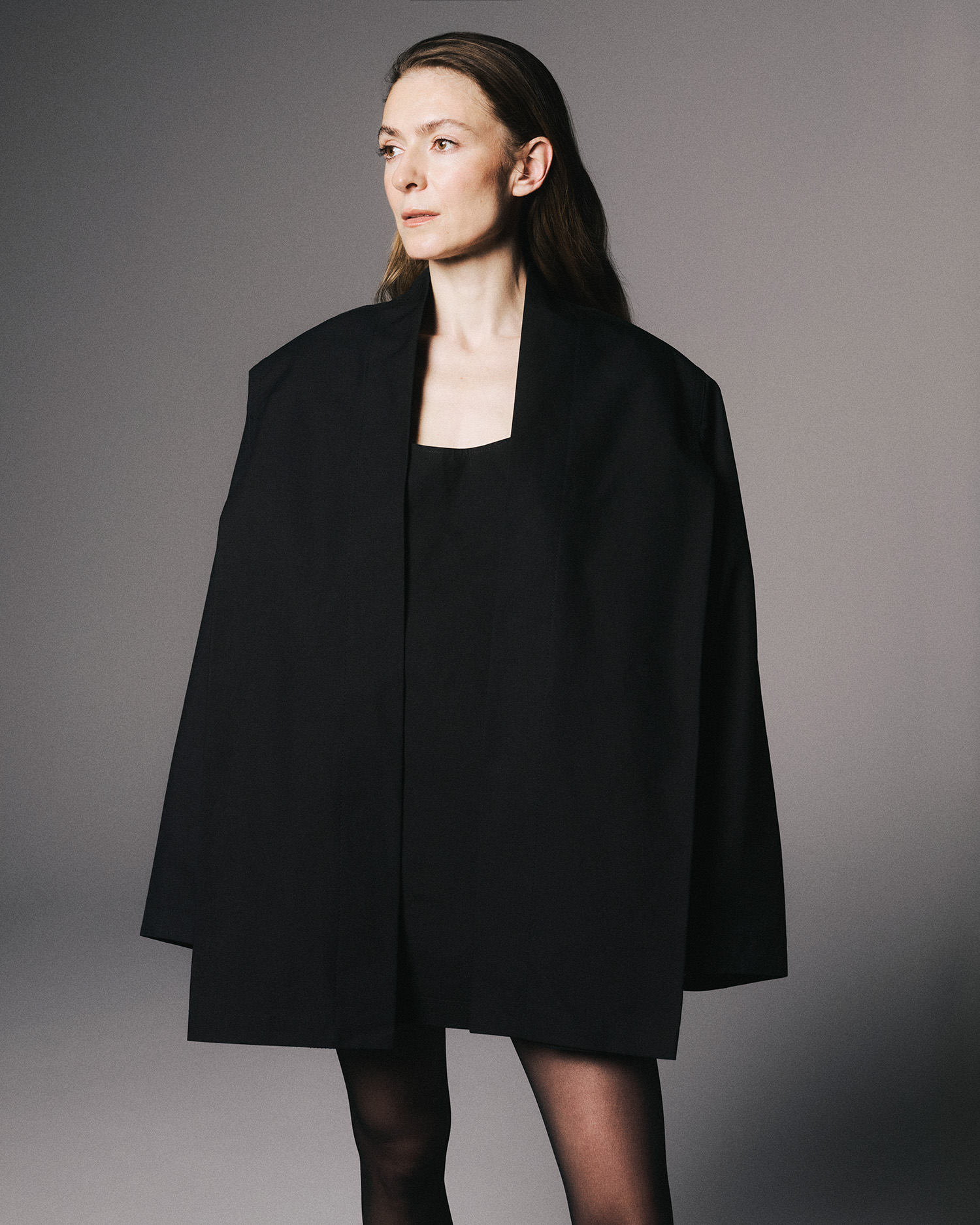
full look ALAЇА
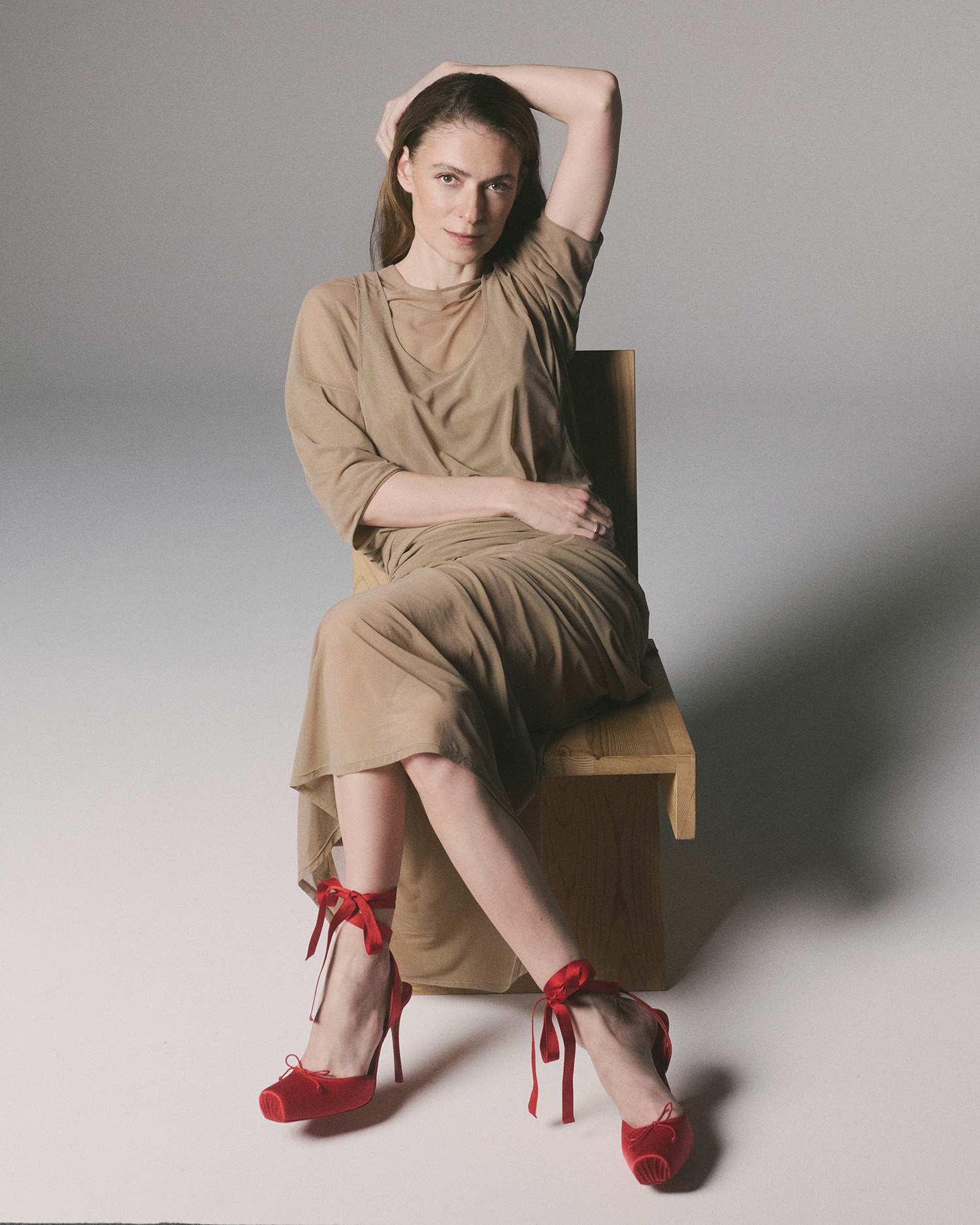
top & skirt LEMAIRE
shoes CHRISTIAN LOUBOUTIN
When the conversation turns to the future of Ukraine, she answers without hesitation, as if she has asked herself this question many times before. “Of course, I would very much like Ukraine to become a global leader in sustainable agriculture and energy. The country has enormous natural potential—fertile land, strong scientific traditions, and a generation of people who understand the importance of sustainable development.” Then she adds, with a note of realism: “However, speaking honestly and objectively, I do not think this will happen in the next twenty years. Even that timeframe may be too optimistic. The factor of war changes everything.”
And yet her answer ends not in pessimism but in strategic realism. “The aspiration itself remains important. If peace and stability return, Ukraine has every reason to move in this direction. But for now, the country’s priority is survival and recovery.”
Glancing at her watch from time to time, Anastasiia signals that our conversation is drawing to a close, and the final question about the future feels almost inevitable. Fifty years from now—what gives her hope, and what worries her?
For the first time during the entire conversation, she looks at a single point for a long moment before carefully formulating what is perhaps the central idea of our meeting. “What worries me most is that people continue to kill one another. I truly do not believe in the destructive idea that fear, domination, and violence can create sustainable outcomes. Perhaps such methods produce short-term effects, but in the long run they lead nowhere.”
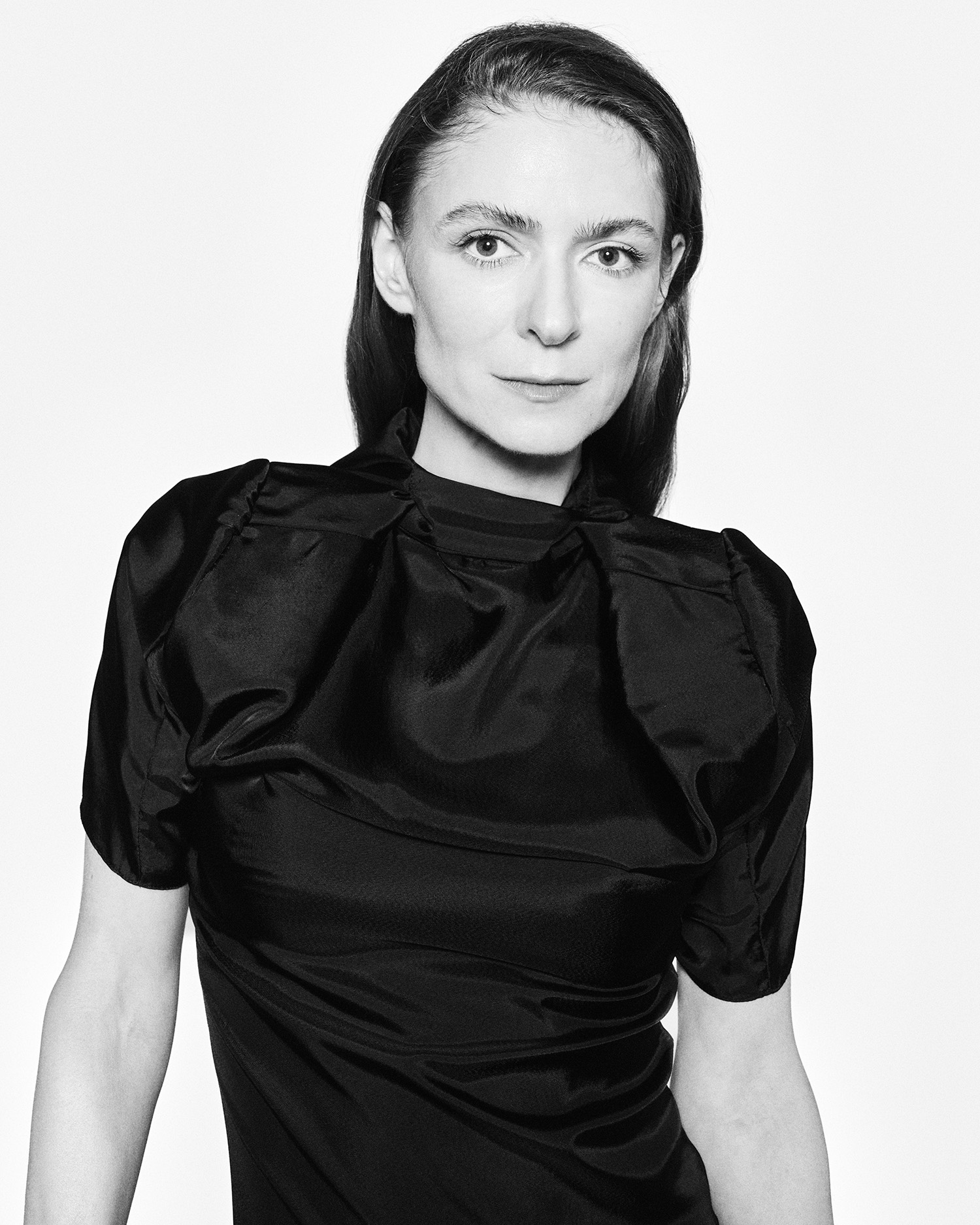
dress TORISHÉJU
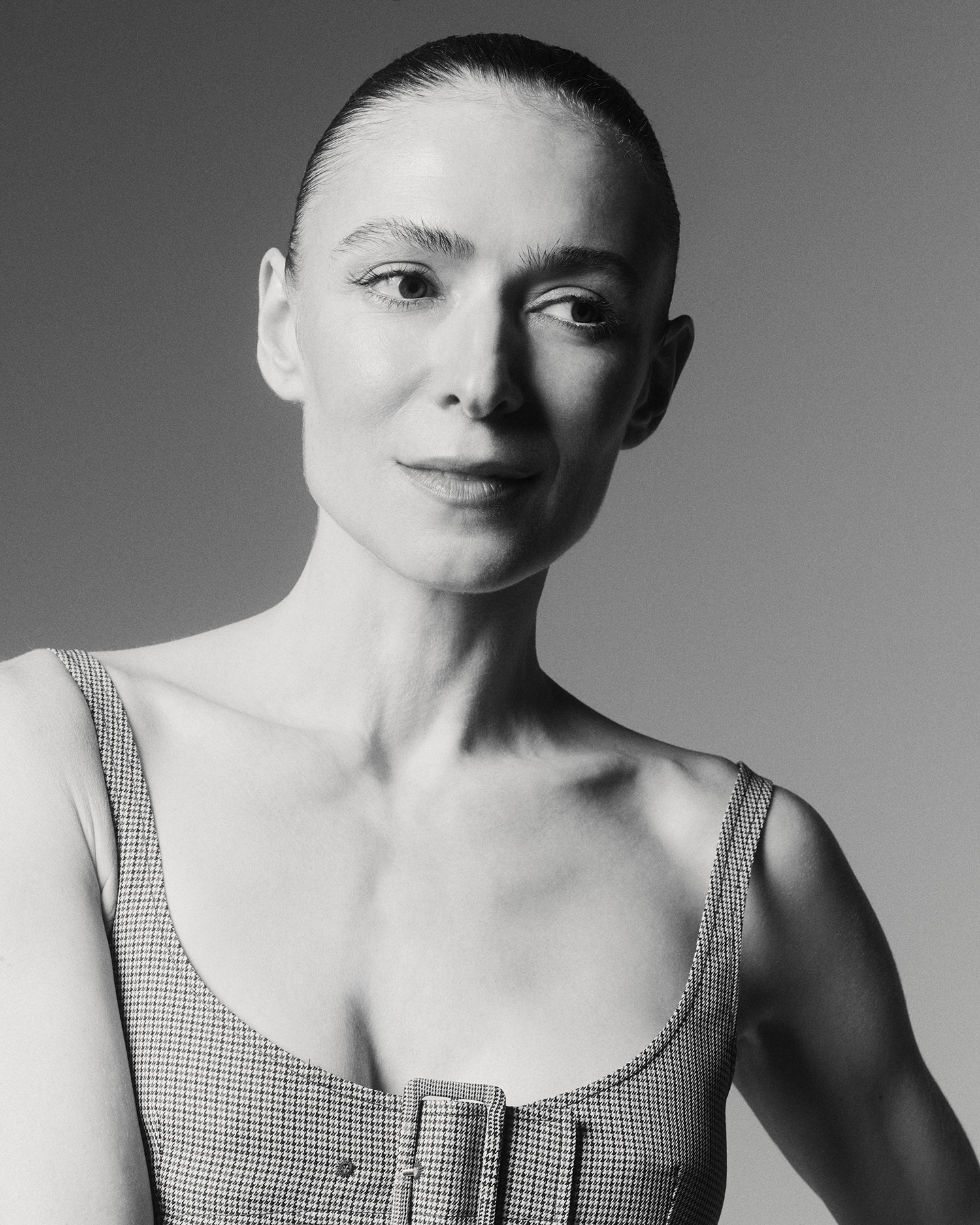
top COURRÈGES
Then, in a serious, almost professorial tone, she adds: “What gives me hope today is the boundless potential of the human mind. Human beings are the only creatures on this planetcapable of consciously creating the reality in which they live. We can destroy, but we can also build. We can submit to fear, but we can choose to think. And thought is the most powerful energy humanity possesses.”
“History has never belonged to those who simply followed circumstances. It belonged to those who were able to see further than others, who dared to think independently and to take responsibility for their own ideas. I believe in one very simple thing: as long as human beings continue to think, to ask questions, to doubt, to create, and to search for new solutions—humanity will always have a future.”
Perhaps this is what explains the phenomenon of Anastasiia Tsybuliak—a person who unites science, entrepreneurship, and activism not because a career demands it, but because her way of thinking does. And in this sense, the image that remains after the conversation is the opposite of the one at the beginning: she is not an “iron lady,” but rather an iron butterfly—a fragile form of strength capable of changing the direction of the wind. And the world around it.
author ANASTASIA YOVANOVSKA