
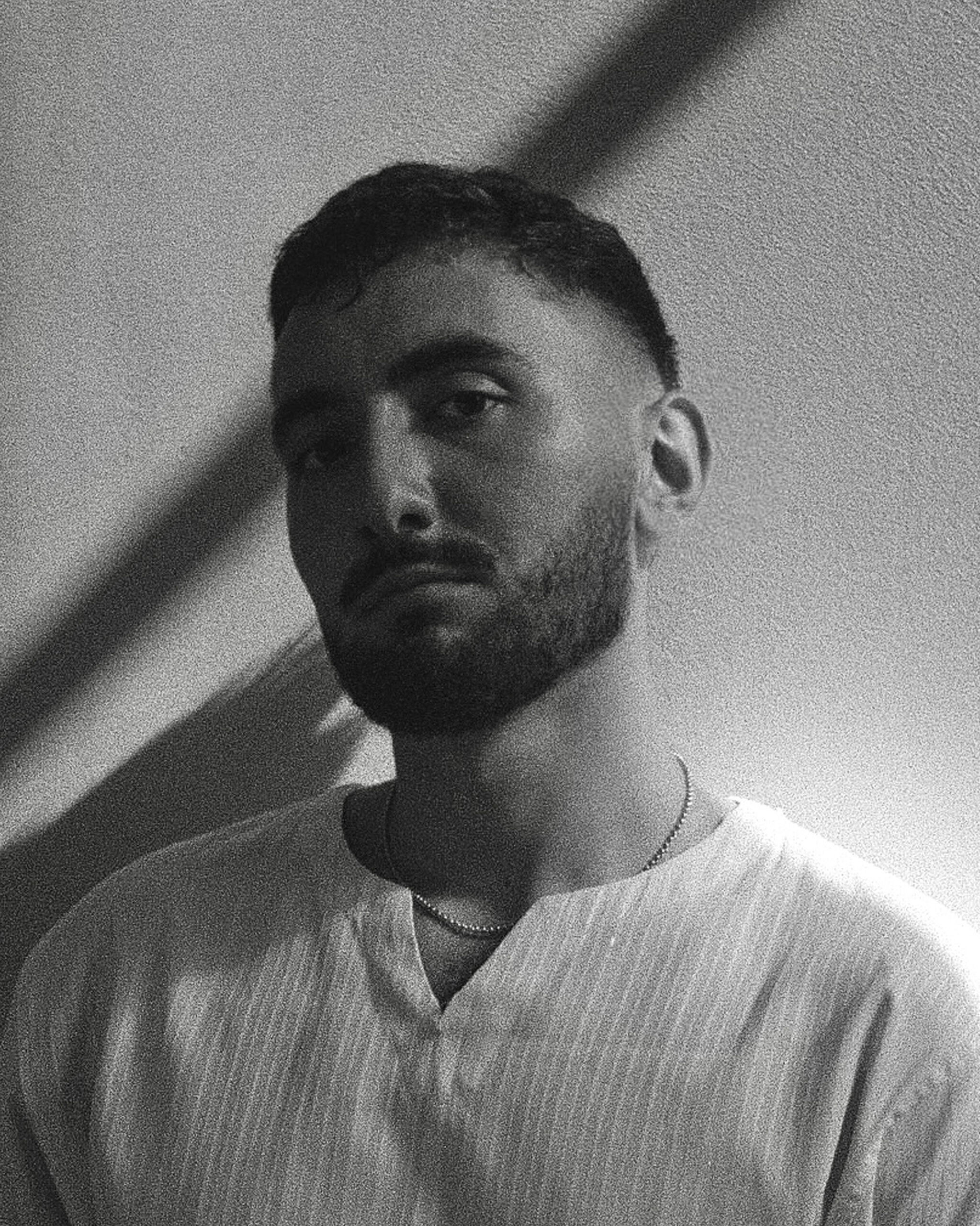
Erik Melikyan: The Language Beyond Words
March 5, 2026
In a world drowning in content, Erik Melikyan makes you stop scrolling.
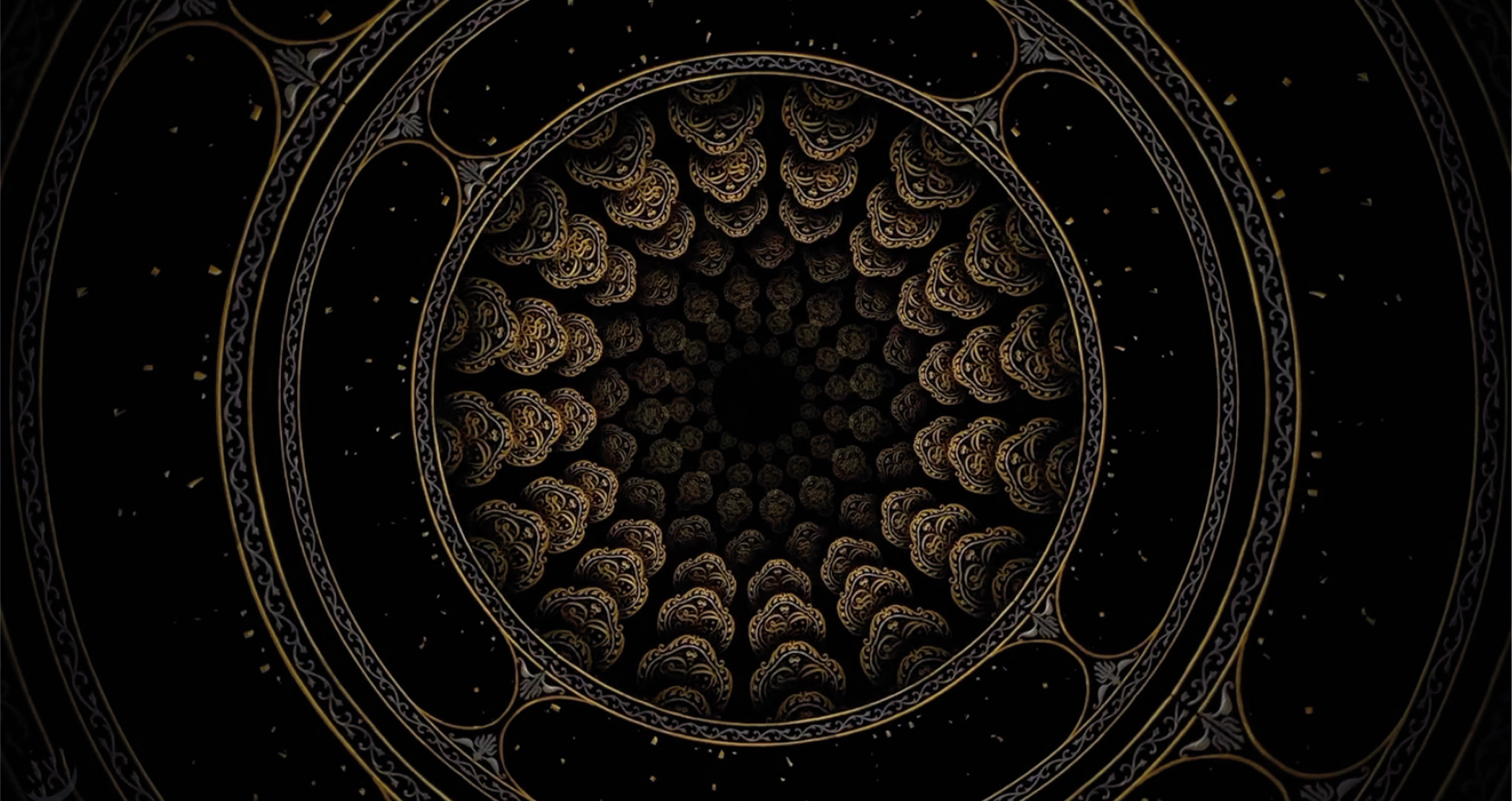
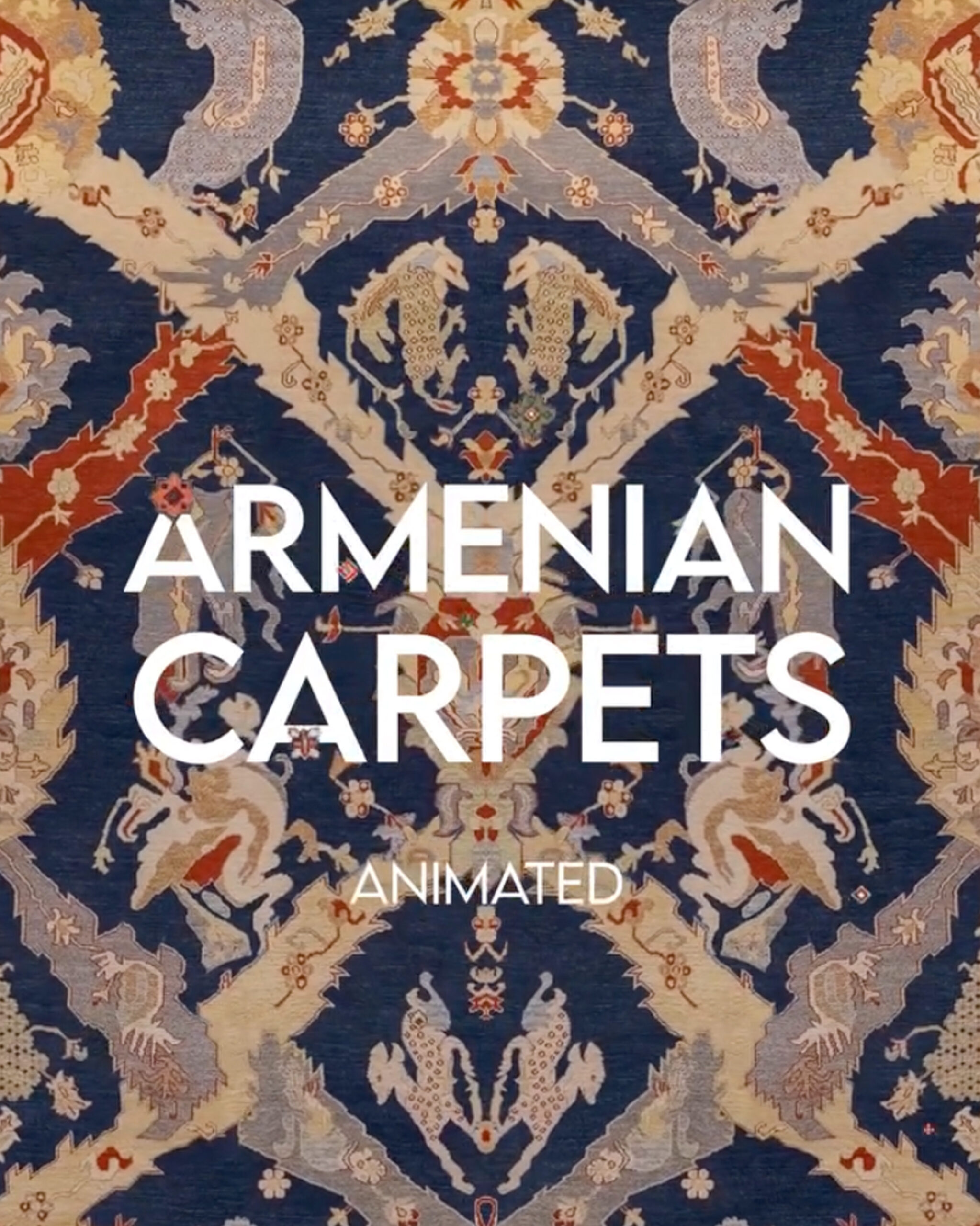
His collages don’t whisper, they command. Geometric, kaleidoscopic, hypnotic. Architecture folds into religious symbolism, fashion campaigns collapse into celestial bodies, and motion design becomes a kind of visual prayer. It’s the kind of work that grabs your attention in the first three seconds and refuses to let go, answering our fractured attention spans while simultaneously demanding we pay closer attention than we’re used to.
This isn’t AI art, Melikyan is quick to clarify that. In an era where generative tools churn out endless variations of “content,” his work stands apart: deliberate, personal, painstakingly human. Each piece is a story told in fragments, a medium built for the scroll but elevated far beyond it. His most viral reel, from his religion series exploring Hinduism, became a gateway for thousands, including me, into a world where storytelling doesn’t rely on words but on visual architecture that speaks its own language.
And that language? It was born out of necessity.
“Collage became an obsession for me during my army days,” Melikyan explains. “A period when I was going through a lot and had very limited resources to create. It started as a coping mechanism. I struggled to communicate with people and spent most of my energy inside my own head. I often felt misunderstood, or that words simply weren’t enough.”
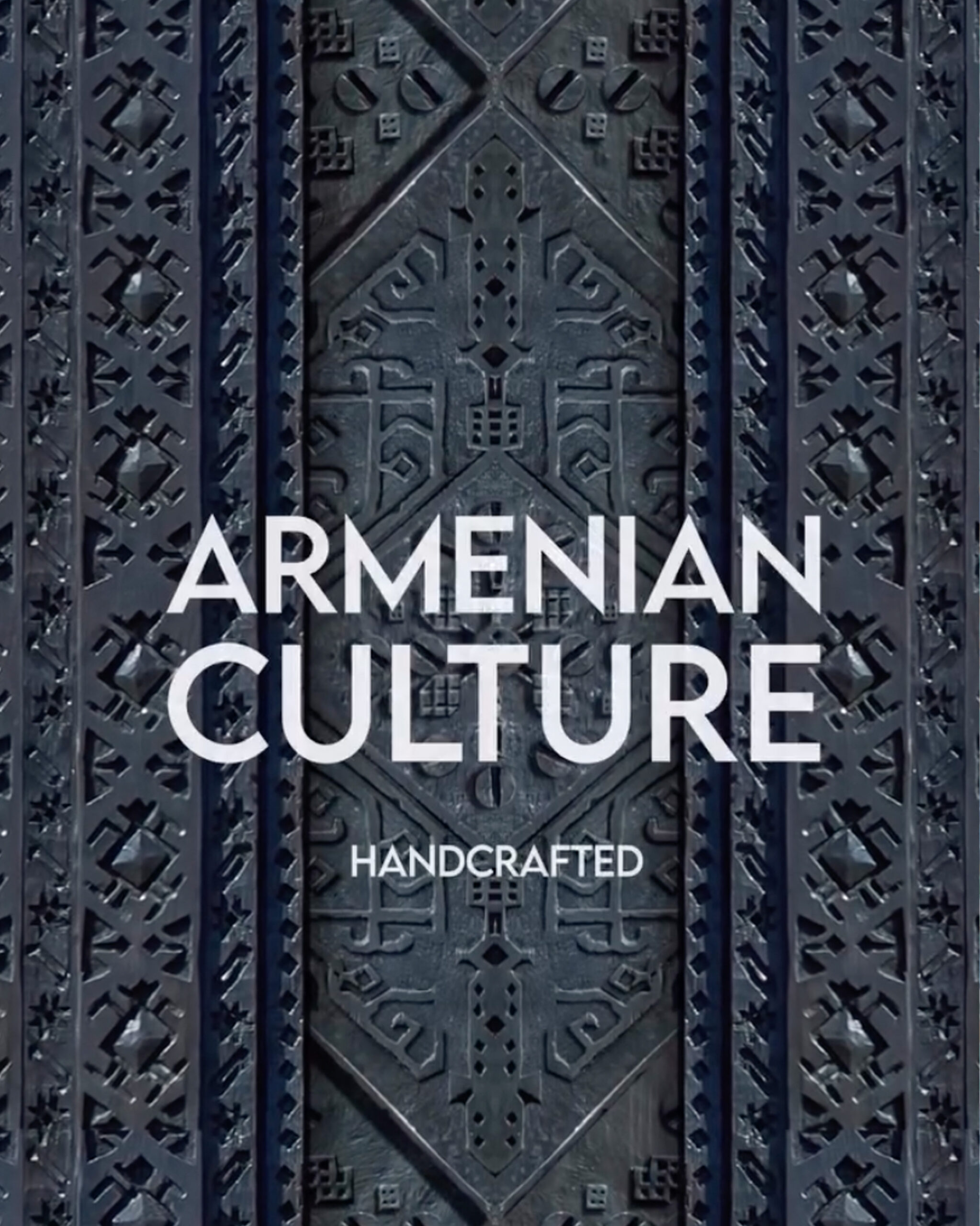
It’s a striking origin story for an artist whose work now reaches audiences across continents. The army: a place of structure, rules, conformity, became the unlikely birthplace of a visual language defined by total freedom. “That was the moment I realized collage was my language,” he says. “It gave me total freedom, a way to communicate without speaking, to intuitively combine images, emotions, and ideas. It allows me to be as imaginative as I want, without being restricted by strict technical rules. I hate rules, and collage has none.”
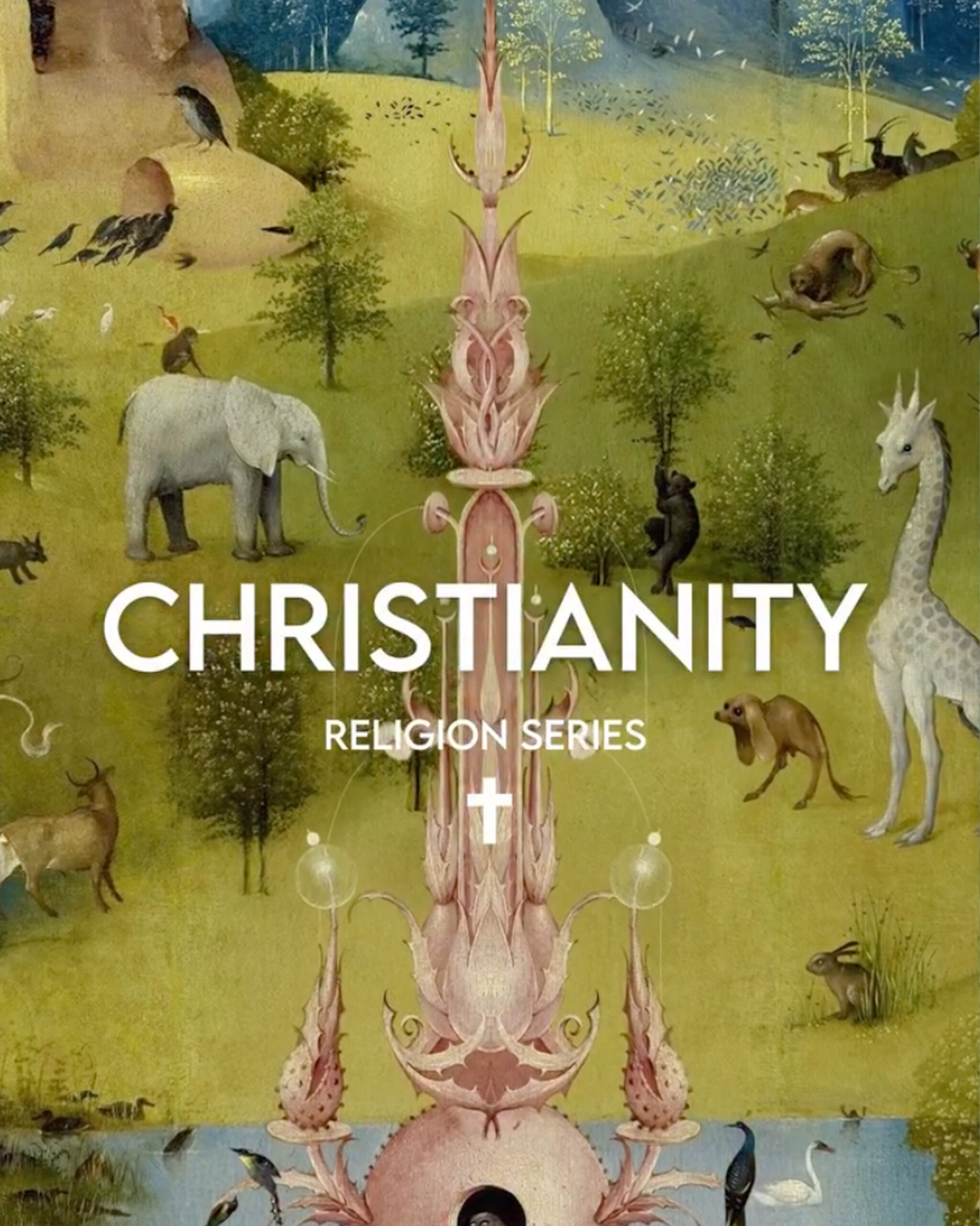
Through collage, Melikyan doesn’t explain. He releases. And in doing so, he’s created something rare: a new form of expression that bridges the gap between information and emotion, concept and feeling. His religion series, exploring Christianity, Islam, Hinduism, and most recently Brutalism, doesn’t just showcase architectural beauty or religious iconography. It captures something deeper, something intuitive. The details matter: the symmetry, the layering, the motion. But what lingers is the feeling, the sense that you’ve just witnessed something sacred being translated into a universal visual vocabulary.
This vocabulary didn’t just catch attention, it caught the right attention. The Ekavalli Foundation, based in India, commissioned him for their 2026 calendar project, The Kanjivaram Mandalas, reimagining twelve heritage kanjivaram saris as deconstructed, animated mandalas. It’s a collaboration that proves his sensitivity to craft and tradition transcends borders and mediums. Together, they’ve created something that cuts across both fashion and art, a meditation on heritage, craftsmanship, and the stories we tell through what we make.
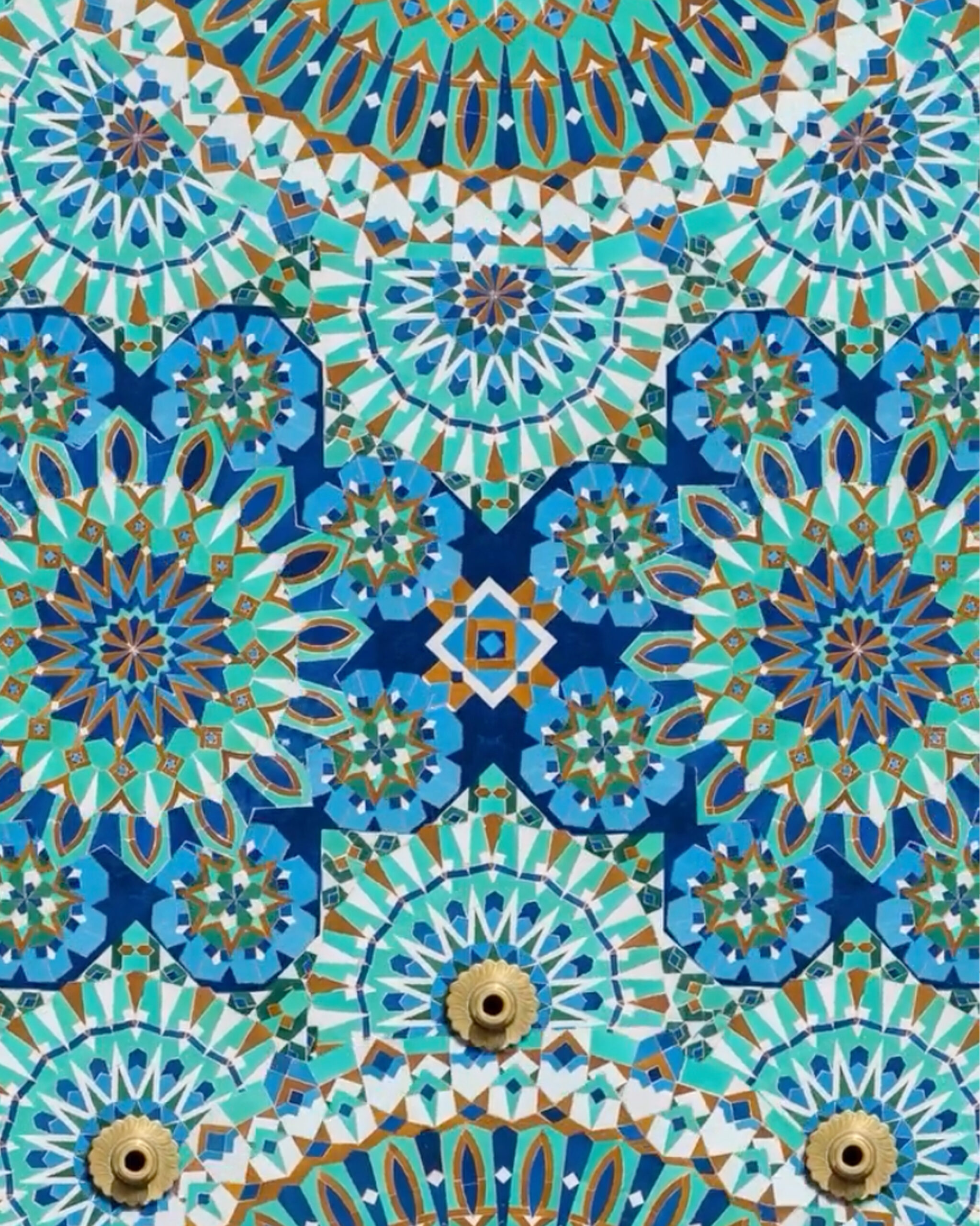
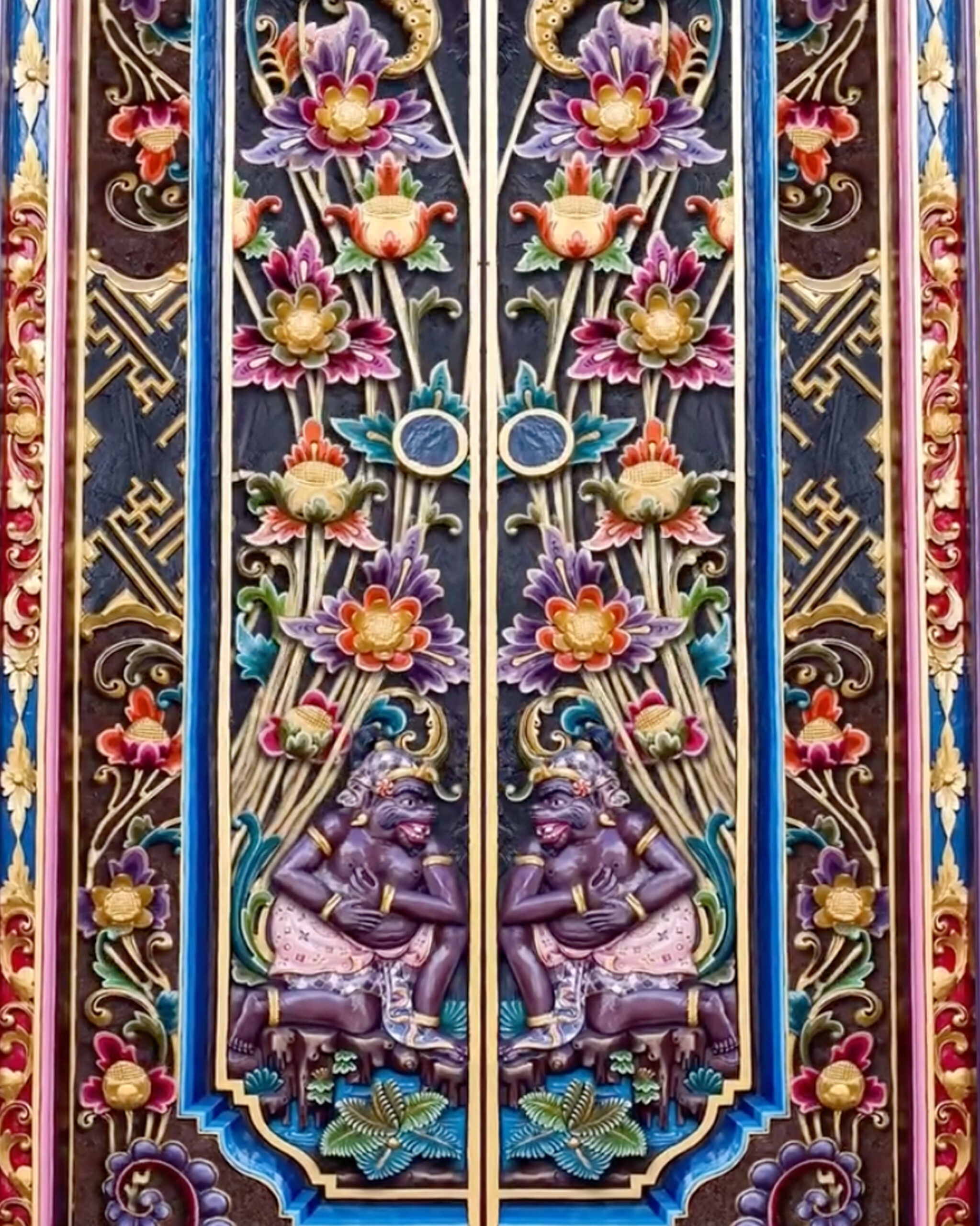
“When I become obsessed with a theme, I want to give it space and attention rather than fully reveal it at once,” he says. “I’ve always loved collecting, and these videos work in the same way. My love for fashion has influenced this approach: each piece is unique, yet together they share an identity.” He references his concept collages for Versace Astrology SS23, Balenciaga Resort 2024, and Balenciaga SS24, works that should be required viewing in every fashion house’s communication and marketing departments. These aren’t just pretty animations. They’re case studies in how to be innovative, imaginative, and daring in an industry that too often plays it safe with the same tired campaigns.
Melikyan’s work reminds us why we turned to social media in the first place: to learn, to discover stories foreign to us, to be inspired by concepts that expand our worldview. We’ve become numb to the overflow, trapped in echo chambers where algorithms feed us more of what we already know. His collages break through that noise, not by shouting louder, but by offering something genuinely new. They make us more informed, more empathetic, more curious.
“I think both the topic and the visual idea emerge together,” he says when asked about his process. “I usually start by visualizing the idea in my head, imagining how it might look or feel, and then I try to bring it as close as possible to that vision. Often, I experiment by mixing things that seem unmixable, exploring until the visuals and the idea come together into something consumable.”
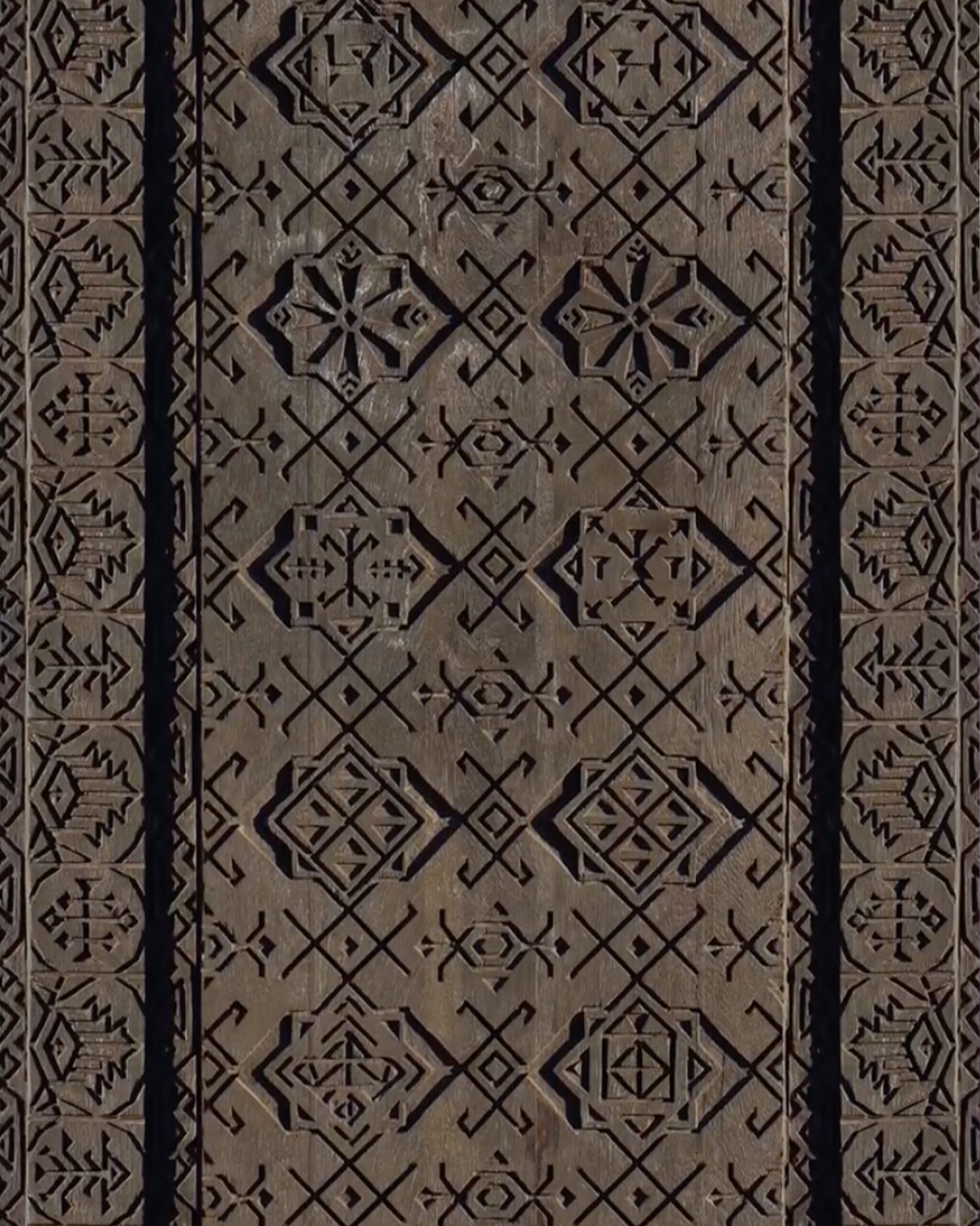
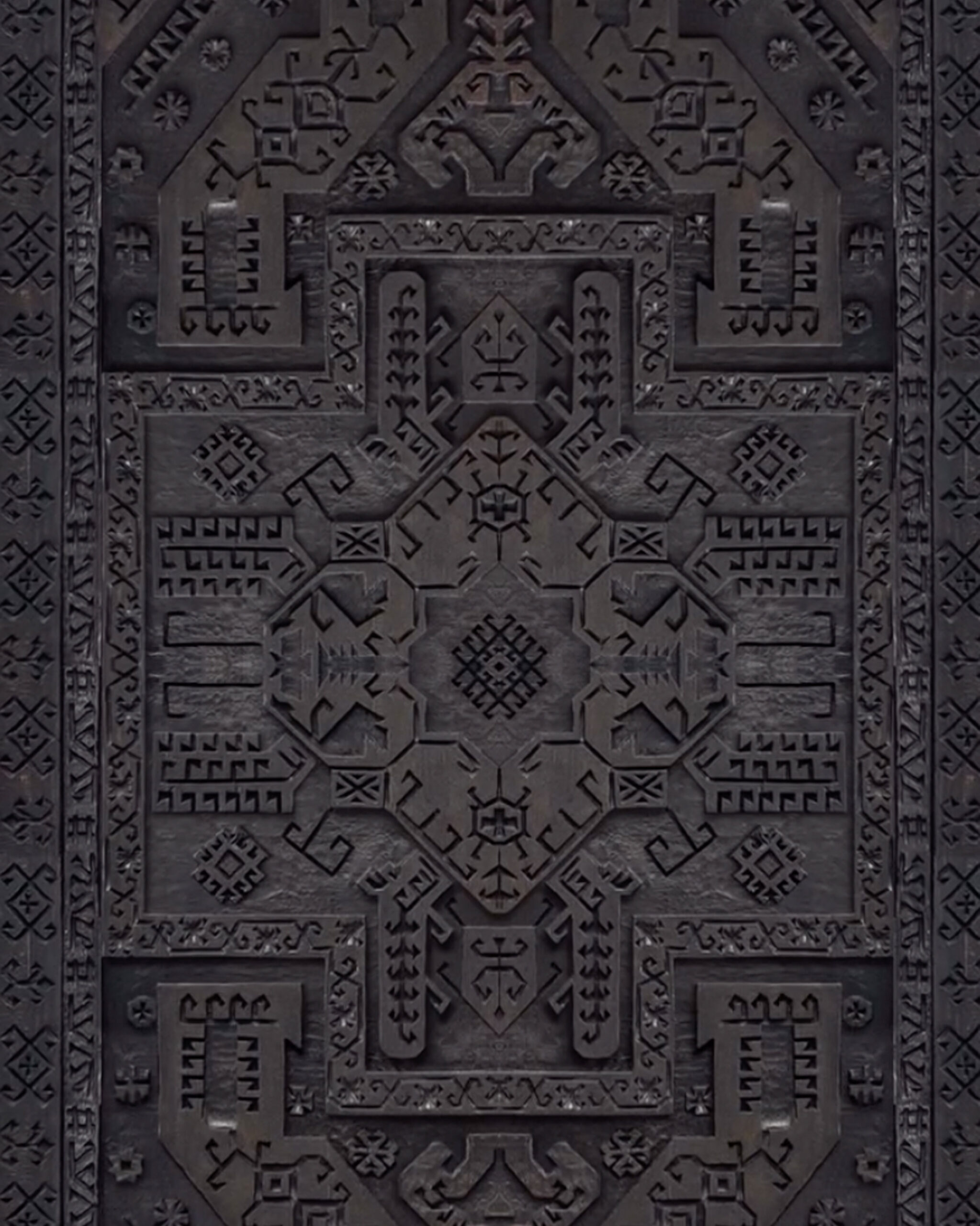
The influences make sense once you know them. Sergei Parajanov, the Armenian filmmaker whose The Color of Pomegranates remains one of cinema’s most visually arresting works, is a constant touchstone. “His collages and films are visually striking and rule-free, pure expression,” Melikyan, Armenian himself, says. “His rebellious spirit is a constant inspiration.” Then there’s Thierry Mugler, the French designer whose daring, sculptural approach to fashion informs how Melikyan thinks about visual storytelling. Two wildly different worlds, Armenian cinema and French couture, colliding in one artist. That tension is Erik Melikyan.
He’s most surprised, he admits, by the global reach of his work. “I receive messages of support and love not just from my country but from abroad. It’s striking to see that the visuals aren’t only local, they resonate with people everywhere. Sometimes it even feels surreal, and I still can’t fully relate myself to my own work.”
But he protects the process fiercely. “I always try to protect my creative process because it’s deeply personal,” he says. “Feedback doesn’t shape what I make. The work comes from my own vision and experiences.” In an age where audience metrics dictate creative decisions, where virality is often mistaken for value, Melikyan’s refusal to compromise is itself an act of rebellion.
When asked what he hopes viewers take away from his work, his answer cuts straight to the heart of why it matters: “I want my audience to feel that, even in this fast, AI-driven world, identity remains unshakable and is becoming more valuable than ever. I hope my work encourages them to explore their inner selves and find their own ways to express it.”
Identity in an AI world. A visual language born from silence. Collage as rebellion, as healing, as storytelling. Erik Melikyan’s work doesn’t just demand attention, it demands we remember what it means to be human in a world increasingly designed to make us forget.
And he does it all without saying a word.
author PRIYAM MISHRA
images COURTESY