
“I Want My Work to Be Obvious, Brutal, and Direct” Julian Farade at La Galerie du 19M
At la Galerie du 19M in Aubervilliers, Beyond Our Horizons proposes a form of attention that is increasingly rare. First presented in Tokyo and now reimagined for Paris, the exhibition brings Japanese and French artisans and designers into a sustained dialogue about gesture, material, and the ways knowledge is carried forward. Instead of highlighting differences, the exhibition concentrates on the process of how practices change through use, collaboration, and time.
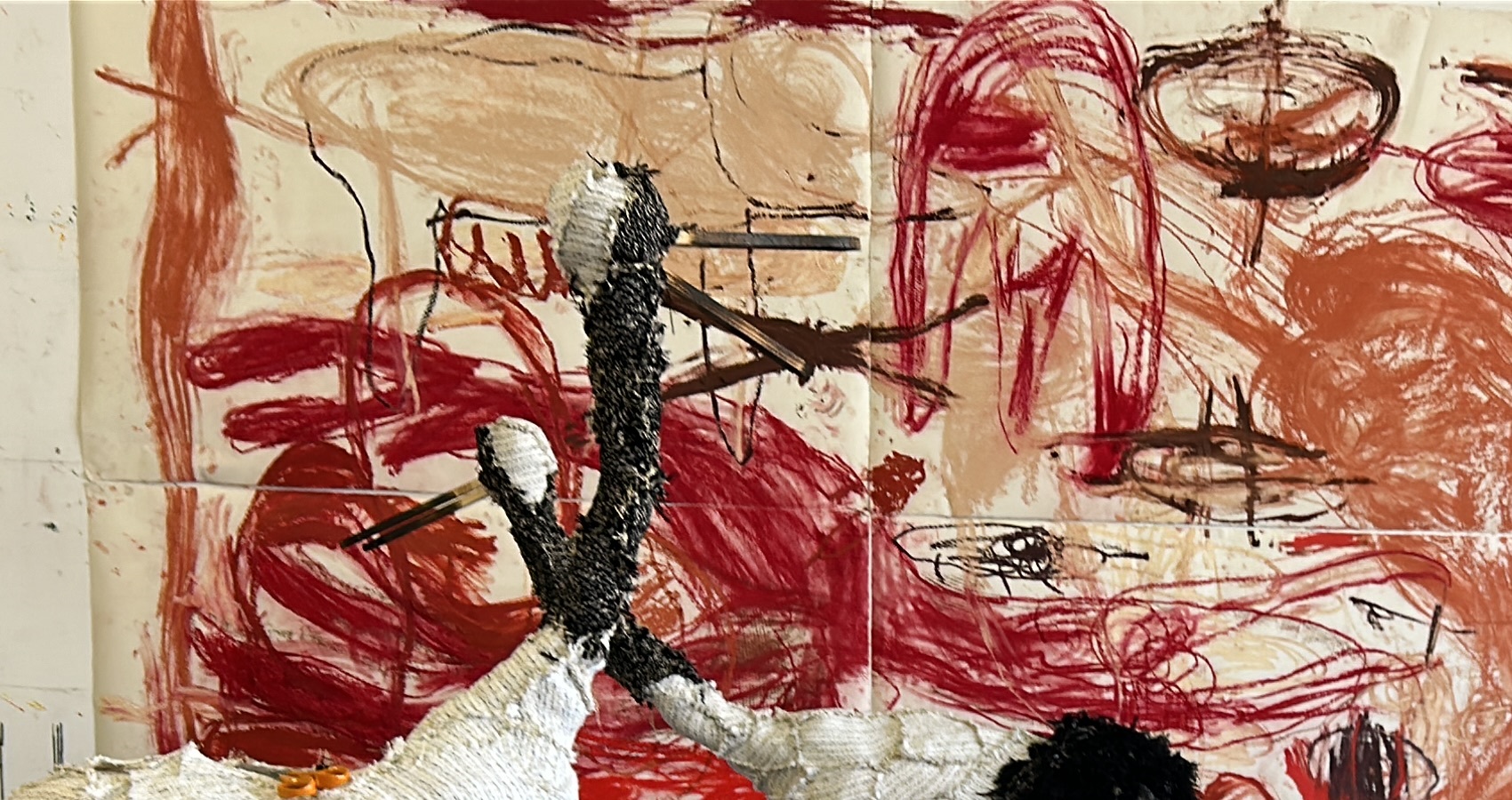
Within this context, the work of Julian Farade feels quietly attuned to the exhibition’s logic. Shifting his focus from painting to sculpture and soft forms, Farade lays bare his idea through a process of reduction and resistance, in which his color and surface are treated as physical experiences rather than signs. His method of creation is inclined towards presence rather than story, exploring the question of an artwork’s spatial habitation and how meaning can arise from contact. At la Galerie du 19M, his work becomes part of a larger conversation about making as an active, living condition.
Color plays a crucial role in your practice — not as a cultural signifier but as pure emotion. How has your relationship to color evolved over time, and what might your current palette reveal about your inner world?
Over time, at this stage of my practice, when I think about it, I work less with the “push and pull” concept of composition. I try to reduce my palette to three or four colors per composition. This has to do with my desire to say more with less, for now.
At the moment, I like working with pink, brown, grey, and white, but tomorrow it might be yellow and green—I don’t know! I think my palette also reveals what I have seen, how I react to other artists or exhibitions, and what I take from them.
As for my inner world, pink, for example, reveals a kind of melancholy. It is a color I
associate with grey. But pink is also red plus white: it is also a desire to exist and to resist.
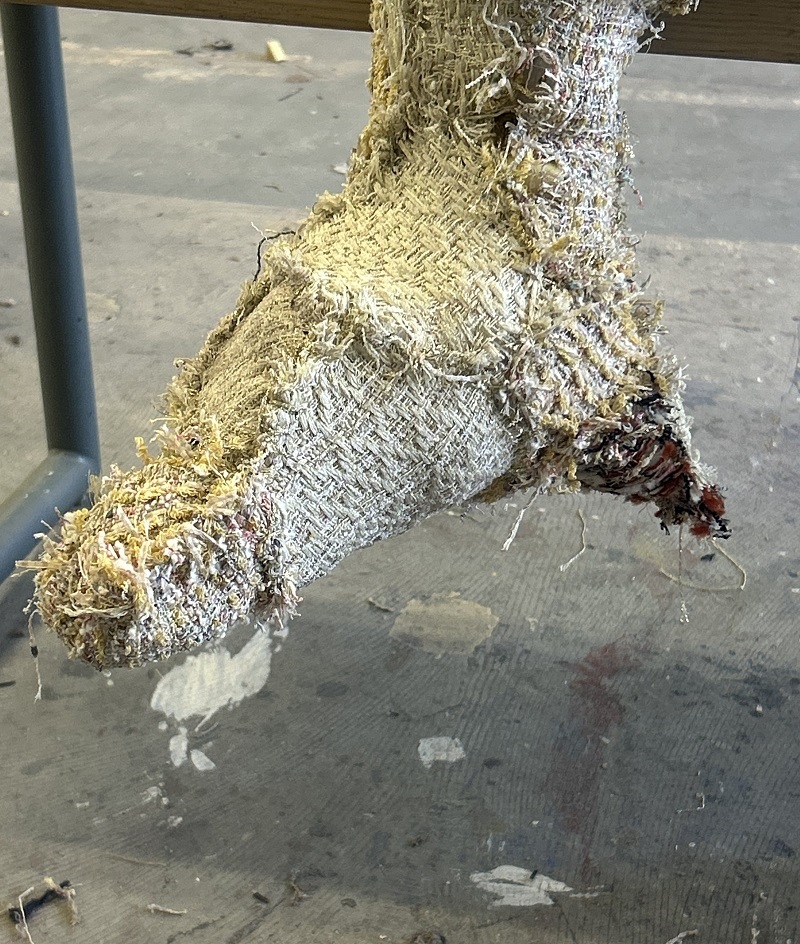
You often paint above the canvas to feel the resistance of the material beneath your hand. Can you talk about how gesture and physical engagement shape your ideas as much as your imagery?
It has to do with being present; it has to do with finding a state in which you feel your whole body. A visitor to my studio once told me that singers sometimes have to bend their bodies to find a note. I apply this to myself: I think that if I simply sit and paint in a traditional way, I might never find that note.
Coffee, ink, oil pastels, paint—your material palette is wide. How does each medium inform the emotional or conceptual content of a piece?
Each material offers its own resistance. Coffee, for example, I use as a trap for ink, and then oil comes as a breakthrough. Oil and water don’t mix. For me, the emotional and the conceptual are the same—they are inseparable.
You’ve worked in velvet and other unconventional surfaces. What do these surface choices invite from you that conventional canvas does not?
A conventional canvas is too accommodating; it is made for painting. A velvet surface, by contrast, resists paint.
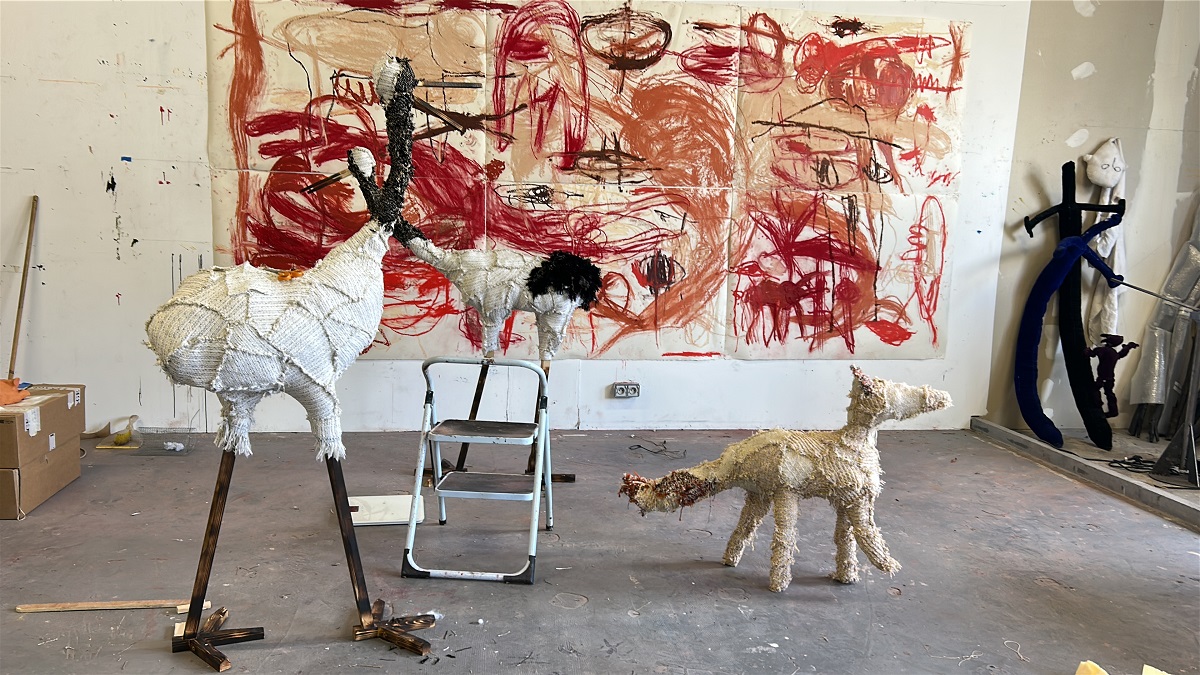
How does your practice engage with ideas of power—whether social, political, or internal—and how do those ideas manifest in your visual vocabulary?
It is a big question. I want my work to be obvious, brutal, and direct. I don’t know if I engage with ideas of power; it has more to do with determinism, or with reduction. I am against definition.
You’ve collaborated with fashion brands and studios like Balenciaga and Études Studio. What elements of your visual identity do you consider non‐negotiable in collaborations, and which are open to play?
I am open to playing if the vision is clear and if I can offer something singular. I wouldn’t want to simply “give” a painting as a print, or a sculpture as a prop, but I think bridges can exist—especially through creation. If I can be part of the creative process, that is what makes a collaboration meaningful to me.
Both Balenciaga and Études Studio trusted me to apply my way of drawing and using color after discussions around their mood boards and the ideas behind their collections. It is a fun exercise when we both play our part. La Galerie du 19M, for example, enabled this mutual trust, allowing me to explore new methods of blending colors.
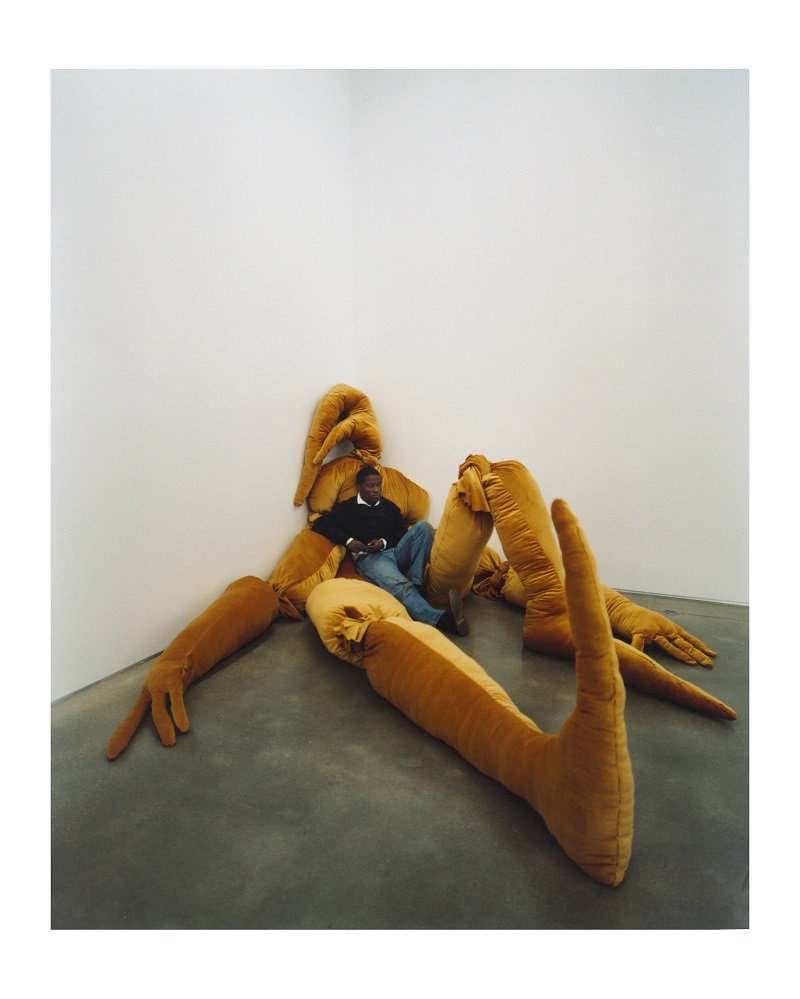
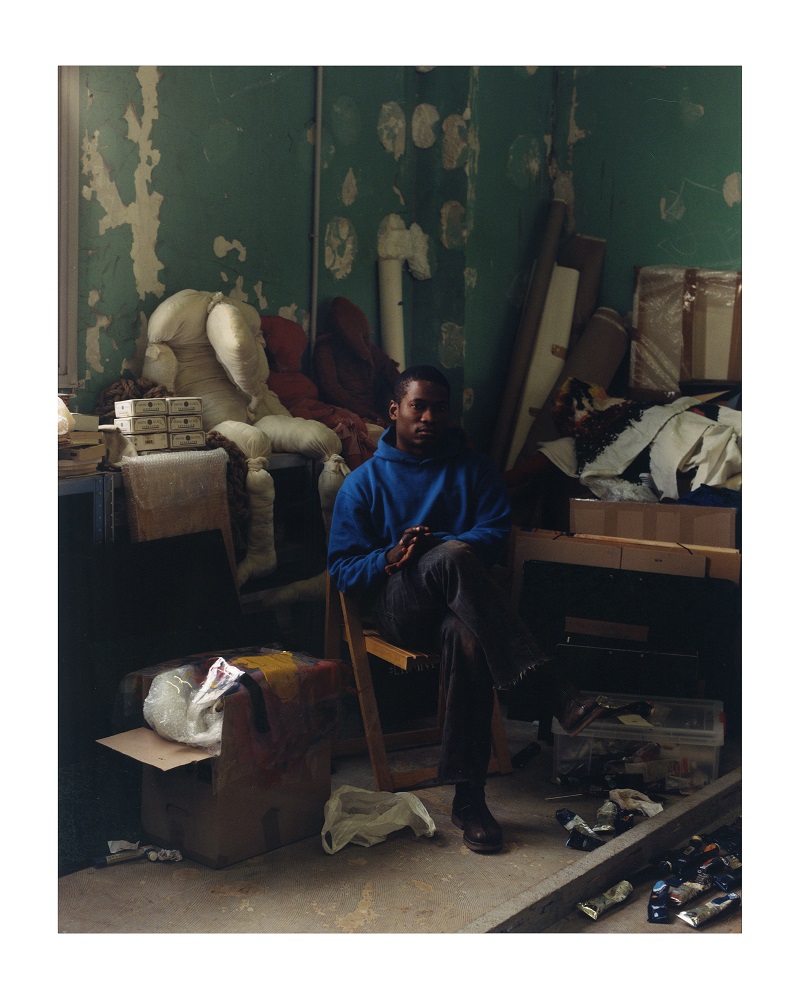
How do you think your symbolic vocabulary has changed as your work evolved into sculpture and soft forms?
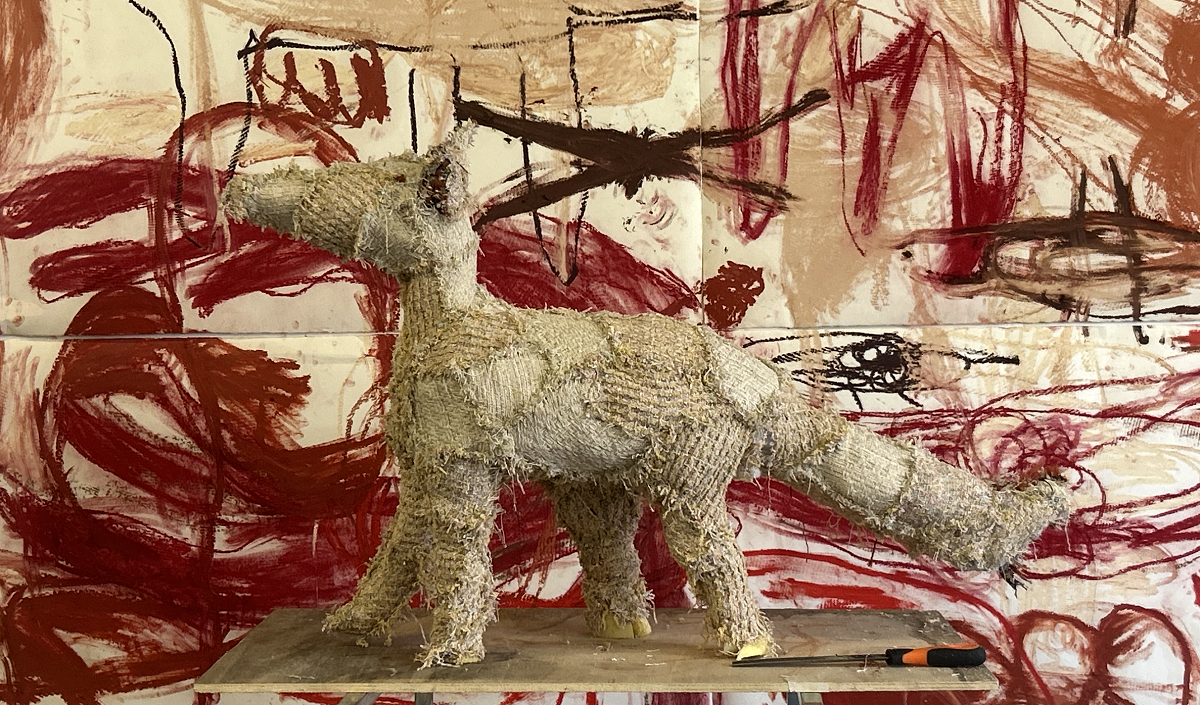
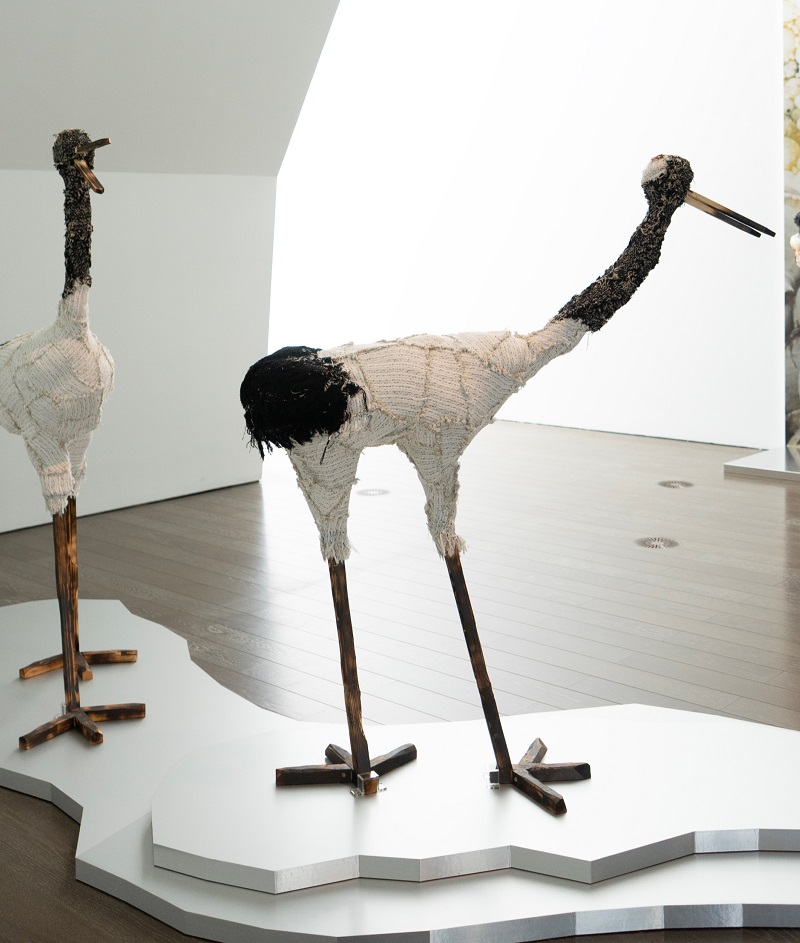
It is less hidden, less in “camouflage,” so to speak. Sculpture is a full realization, because it occupies space. Painting is flat; it relates more to the internal, to the eyes first. Sculpture is a presence. Exhibiting at La Galerie du 19M allowed me to explore how my sculptures and soft forms occupy space and connect with people.
Painting and sculpture feed into each other, as I work on everything simultaneously.
Sculpture has made my vision clearer. I can now detach some of these symbols and give them a physical form; I can break, twist, or move those feelings. Sculpture and soft forms have given me more control and a greater sense of empowerment in the way I work.
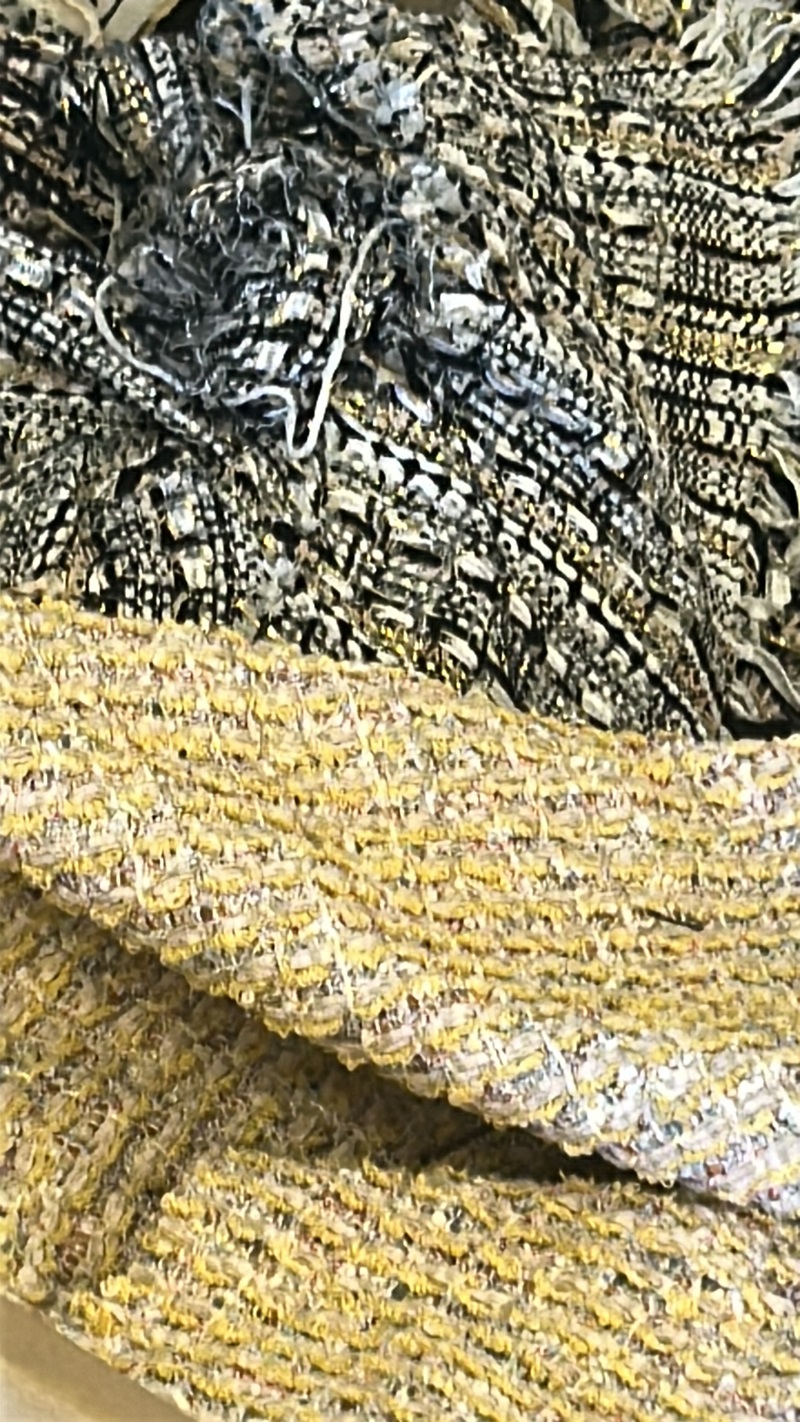
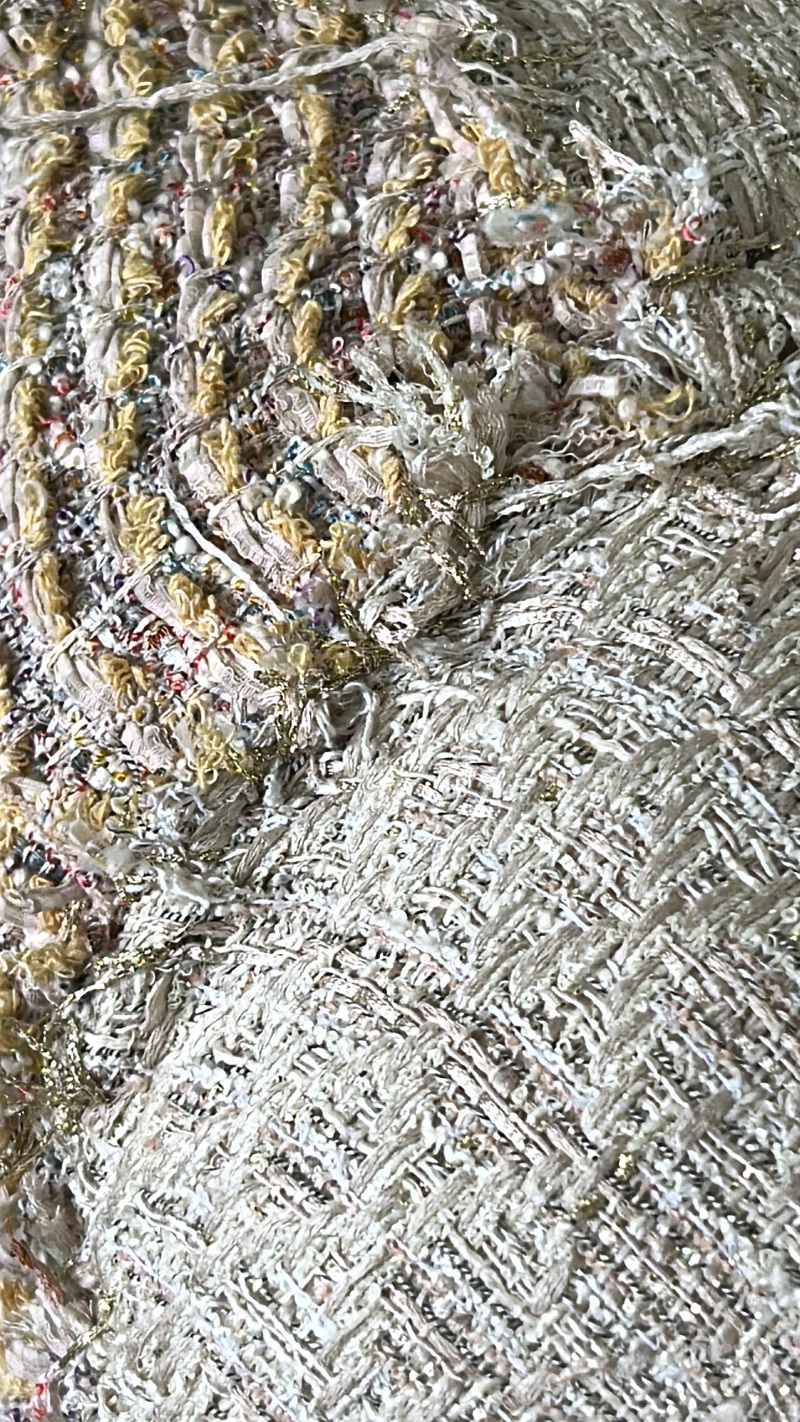
Can you walk me through a typical day in your studio? How do the rhythms, habits, and small rituals of your practice shape your daily routine?
Sure. I swim three times a week; if I don’t swim, I do some cardio at the gym. Then it’s coffee—black coffee (a lot of it). I like the rush.
The studio day starts with cleaning my desk, and if I’m going to paint, cleaning my brushes. I open one of my sketchbooks and work with lines, without thinking too much. I just do it, and then a drawing leads to a painting, which leads to a sculpture, and I move in a circle between the three.
I often listen—or re-listen—to podcasts about art and philosophy. I like listening to theory while I work; my mind bounces back to ideas I’m drawn to, and I work around them. Then it’s lunchtime. After more coffee, I go back to work, but this time it’s mostly staring. I can stare at the work for hours, in silence. I literally digest it, and then I go back to doing! And voilà, that’s a day in the studio!
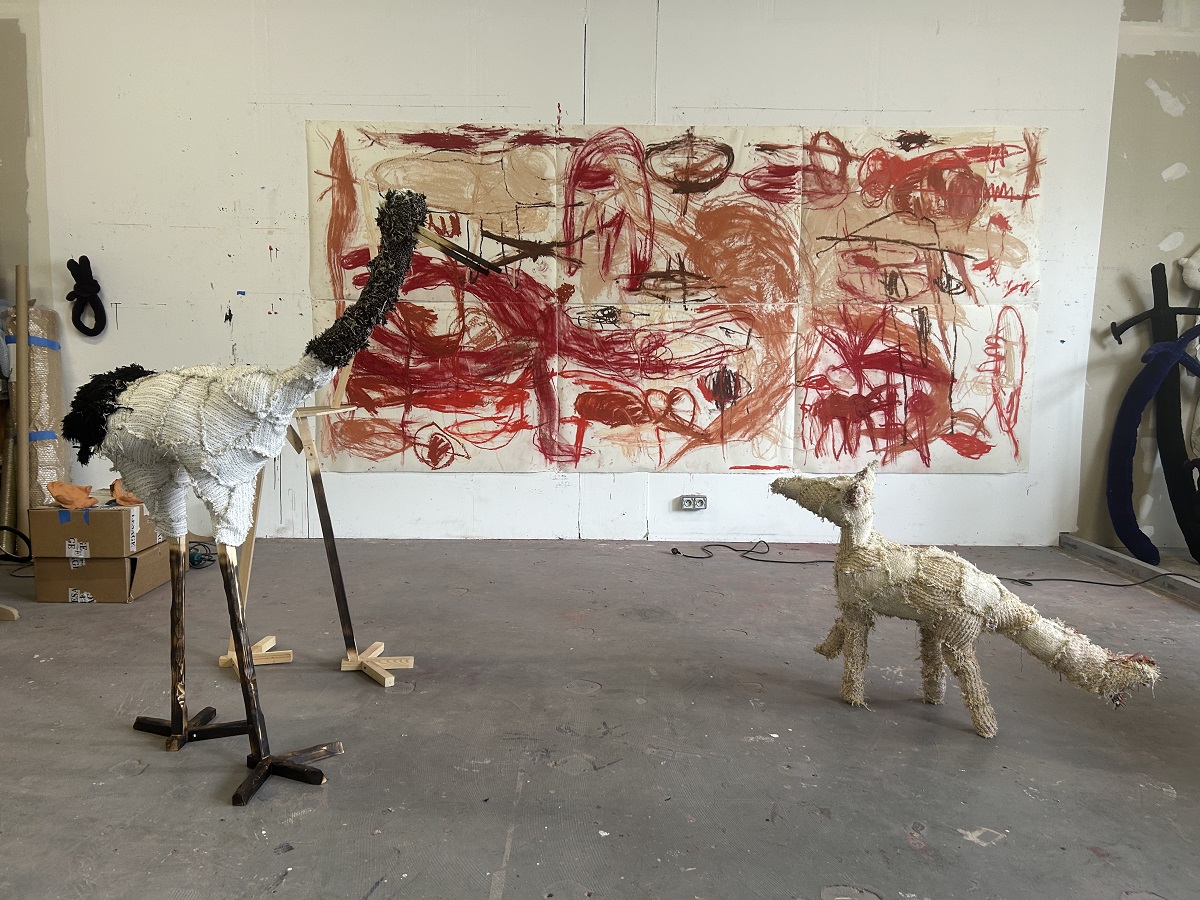
On view from 29 January to 26 April 2026 at la Galerie du 19M in Aubervilliers, Beyond Our Horizons brings together French and Japanese artisans and designers in an exhibition conceived as a space for meeting, exchanging, and experimenting. Anchored in the Métiers d’art, the exhibition foregrounds gesture, material, and collaboration, presenting original works and new creations developed with the resident Maisons d’art of le19M—among them works by Julian Farade, which can be seen within the exhibition. As Bruno Pavlovsky, President of le19M and President of CHANEL SAS, notes, “This exhibition embodies the dialogue between the French artisans of the Maisons d’art of le19M and their Japanese counterparts. It illustrates how heritage and innovation can coexist and feed off each other.”
author ANASTASIA YOVANOVSKA
images COURTESY OF THE ARTIST