
Bardot Beyond the Icon
Elora Thevenet’s film confronts the magnetism of Bardot – dancer, activist, symbol – and her enduring hold on global culture.
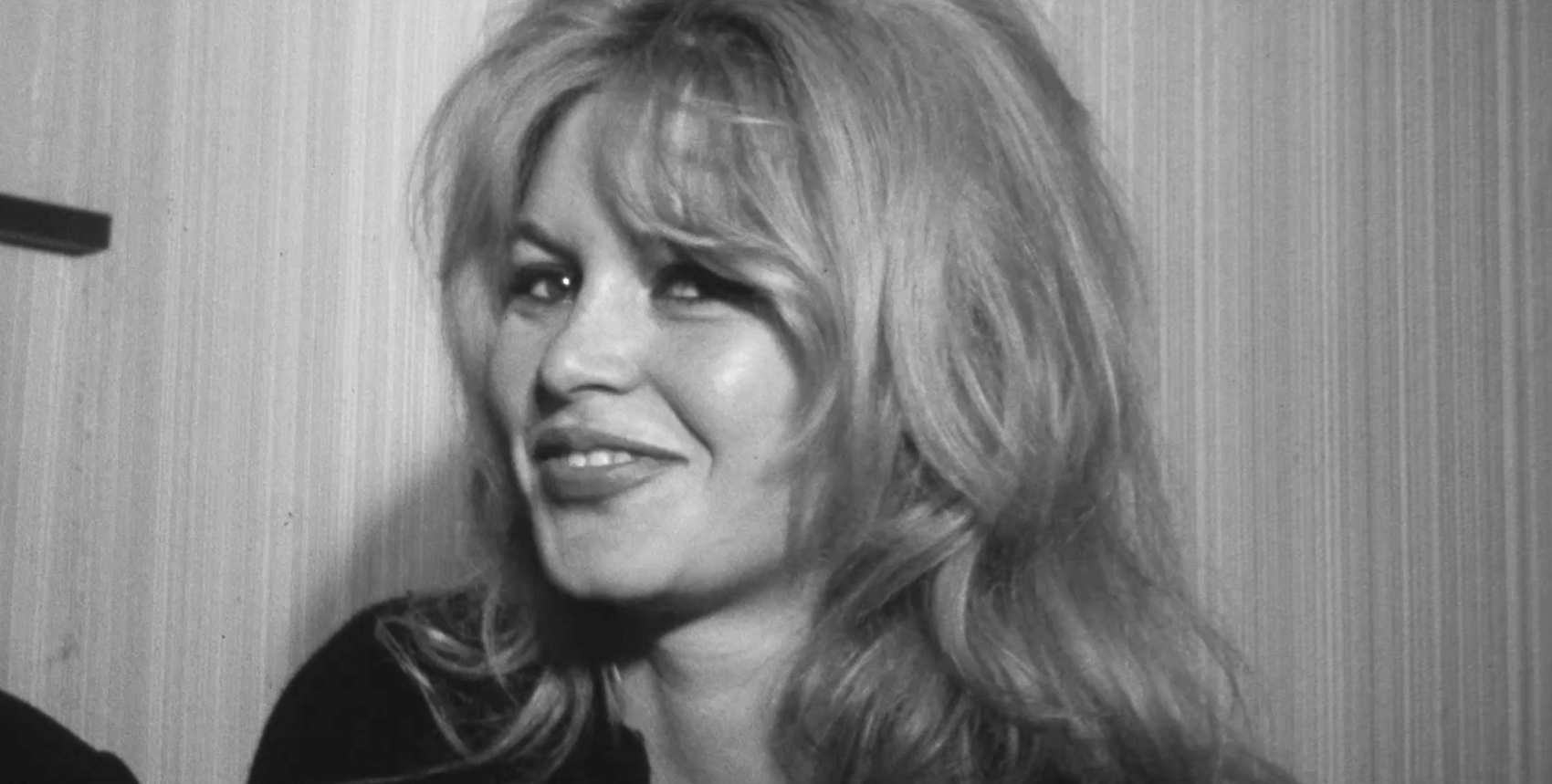
Elora Thevenet did not meet Bardot by chance. Before any set, she was there as an activist: years behind the camera as a volunteer, filming and editing for animal-protection groups – including the Brigitte Bardot Foundation. In that time, she wrote to Bardot and received a handwritten reply. A small gesture, yes, but intimate. “Which star answers letters like this?” she says. In 2025, Elora arrives to Brigitte with work behind her: three features in the year (among them Bardot in Cannes) and a sci-fi short awarded in Tokyo and Seoul.
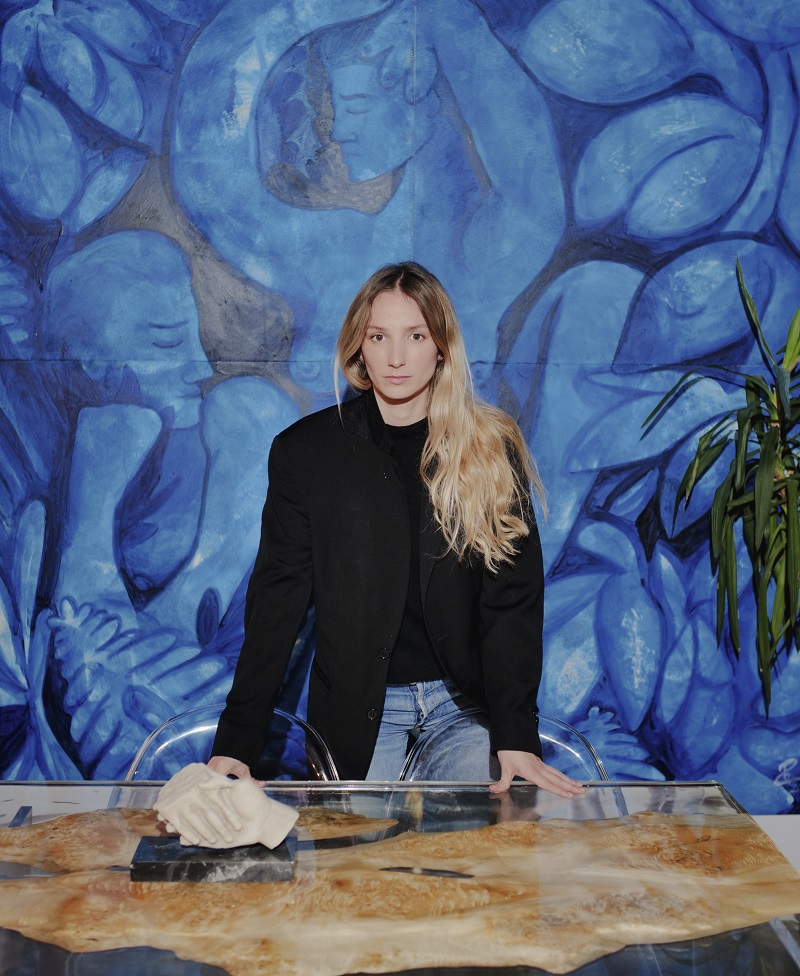
Elora Thevenet
Photo credit : Warren Dupuy
When the documentary opportunity came, Elora was inside private grief: the loss of her maternal grandparents, from Bardot’s generation. The grandmother copied dresses from magazines and asked for the same hair bleaching at the salon. The grandfather kept a poster in his office and repeated on building sites that the most beautiful face in the world was French. That memory guided her.
To speak about Bardot is to accept the scale. The film doesn’t stop at the famous actress. Elora looks at the constellation: the singer with a pop spirit, the woman who set tendencies before “trends,” and one of the first major stars to place animal activism at the center of public life. A multiple figure, hard to fit in a single frame.
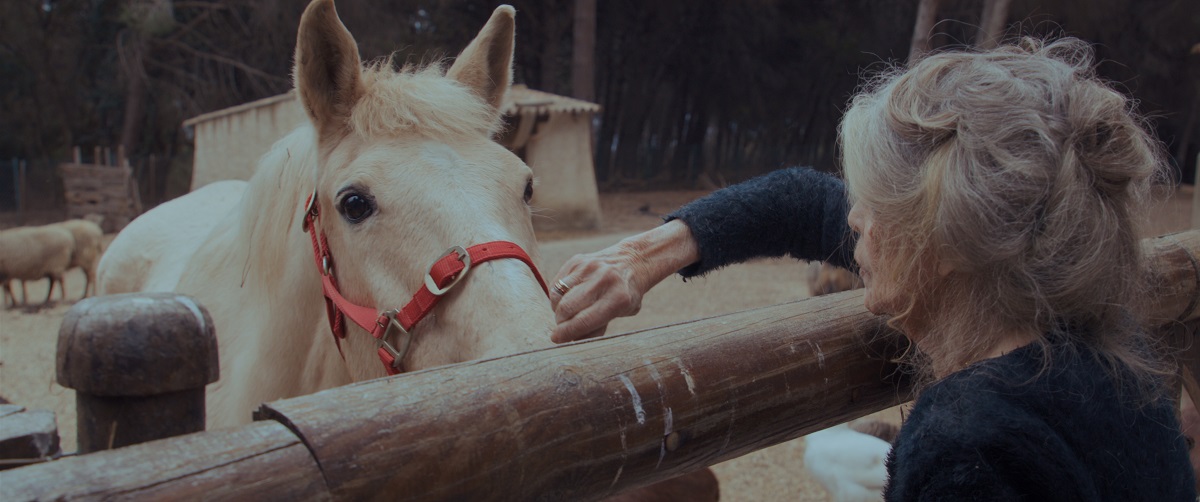
Meeting Bardot in person, already far from public life, Elora saw what images rarely hold: immediate empathy for animal pain; tenderness when speaking of the women who, for her, were mothers; attention to the leaves on the trees; a near-frugal simplicity, in rhythm with nature; and a generosity ready for whoever asks. “They caricature Bardot. What I saw is deeper and more combative – someone who steps to the front for those who can’t.”
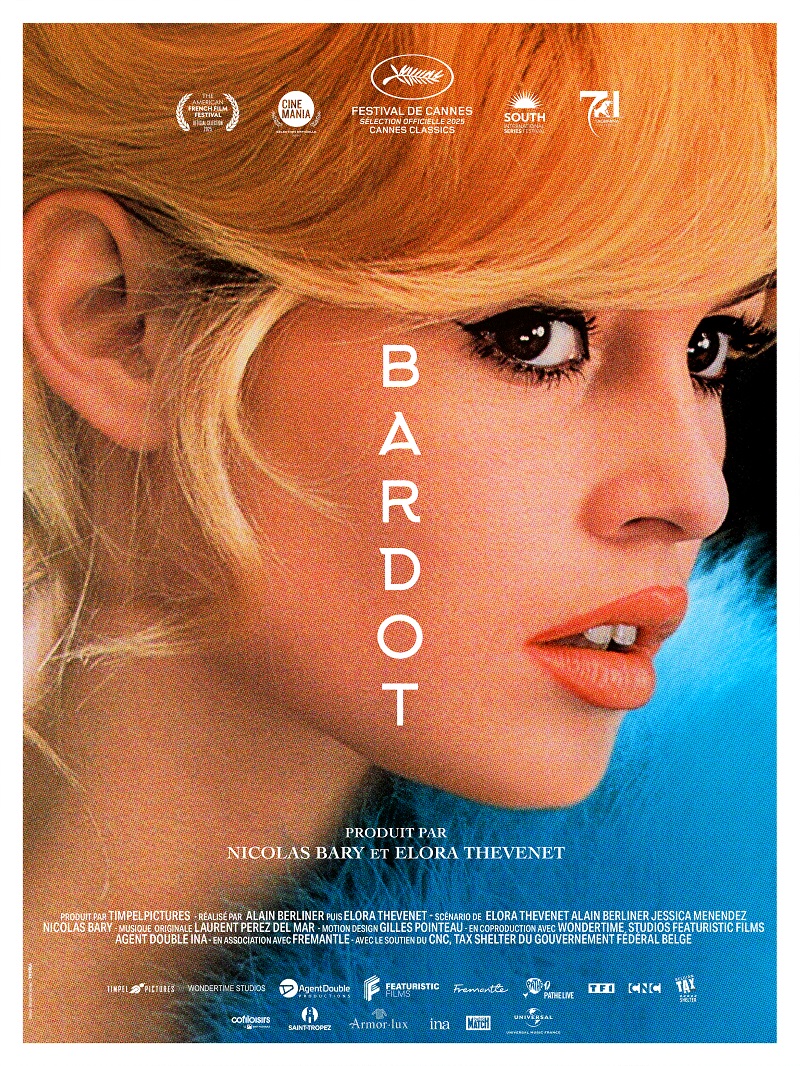
Avoiding visual clichés did not mean refusing the icon; it meant moving it. The documentary brings back the crafts hidden by the famous face: the dancer, the performer. Graphic panels when needed; above all, trust in the raw power of the image. The most photographed woman in France is still hard to edit. The problem isn’t a lack of material; it’s too much photogenic force. Between the actress and the myth, Elora chooses the myth. Not as a thesis, as a way to work. She organizes, listens, lets the shots breathe. “In the end I just wanted to say thank you for what she gave us,”
she says.
Bardot carried a natural kind of luxury that fashion still chases: bare feet, light dresses, the look of no effort. Often she wore her own clothes on set. Leaving the dance conservatory, she pushed open Rose Repetto’s atelier asking for a comfortable city shoe: street ballerinas were born. The marinière and denim, work pieces, became in her a direct, lasting femininity. As a continuation of that legacy,
the documentary sets a collaboration with Armorlux, launching a limited edition in homage to Brigitte. No catalog nostalgia here; the film prefers an ethic of simplicity over costume tricks.
BB (and from here the nickname fits; after hearing her story up close, formality falls away) also mirrors the French maisons that turn simplicity into global desire. She frowned at the haute couture of her time (“expensive, uncomfortable, volatile”) and still remains a reference across editorials and moodboards. Stella McCartney,
Naomi Campbell, Marina Abramović, Ester Expósito and Gaia Wesse
appear in the film as witnesses of that persistence.
In Saint-Tropez, BB is presence, not memory. The seaside house, the first frames, the face in the square and in the shop windows fix an image; the decisive thing, though, is the magnetism. Bardot’s fame pulled the place into orbit. People came from everywhere to breathe the same air – to appear, to circulate, to take a photo, to leave. In summer, the village competes with Paris not by institutions, but by the codes of the season: who arrives, how one arrives, where one sits, what one wears. As Elora puts it: there are muses, yes, but there isn’t another case of one woman turning a fishing port into a global showcase and redrawing a region’s social calendar.
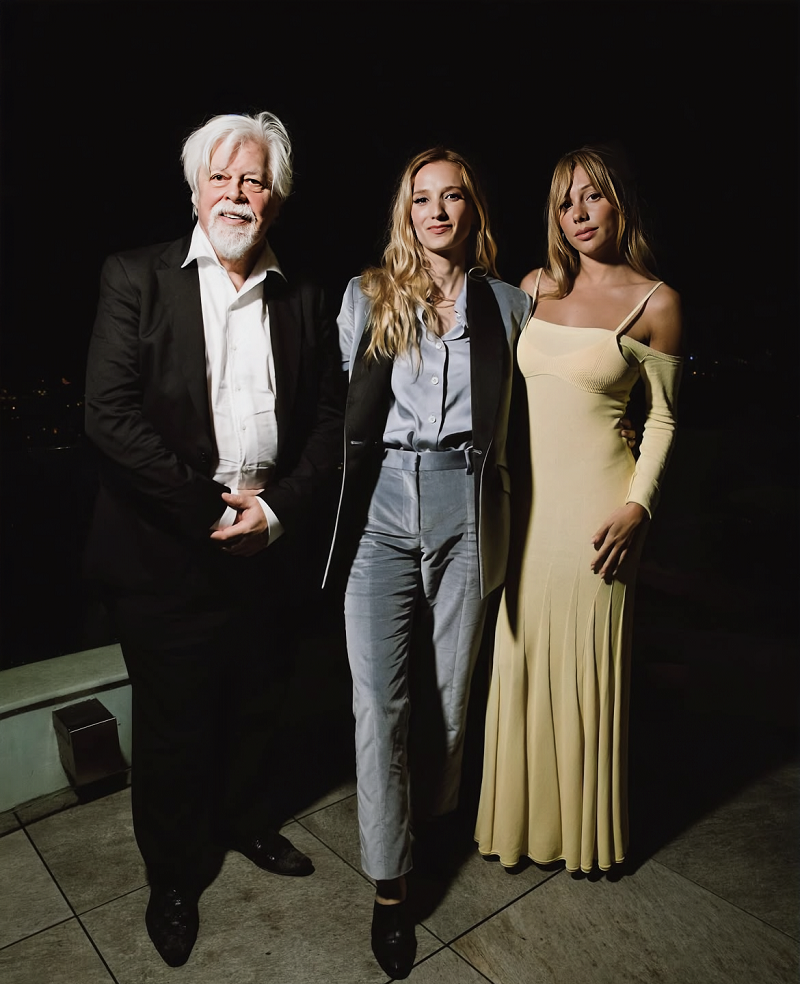
Paul Watson, Elora Thevenet, Ester Exposito
BB’s modernity makes her readable in any decade. Her freedom was not a pose or a visibility plan; it was a way of living. Today, the photo, the pose, the right soirée are calculated to “be seen.” In the 1950s and 60s she moved in the other direction. She didn’t avoid the flash out of fear of fame, but out of conviction: in privacy she found the only way to live with truth.
To reproduce that magnetism now is unlikely. Celebrities invent reasons to appear; BB learned how to disappear. In the logic of real time, she chooses the interlude, the half-light. Too much light wipes the stars from view.
Brigitte Bardot will not fade.
By Regina Soares Valverde