
November 23, 2026
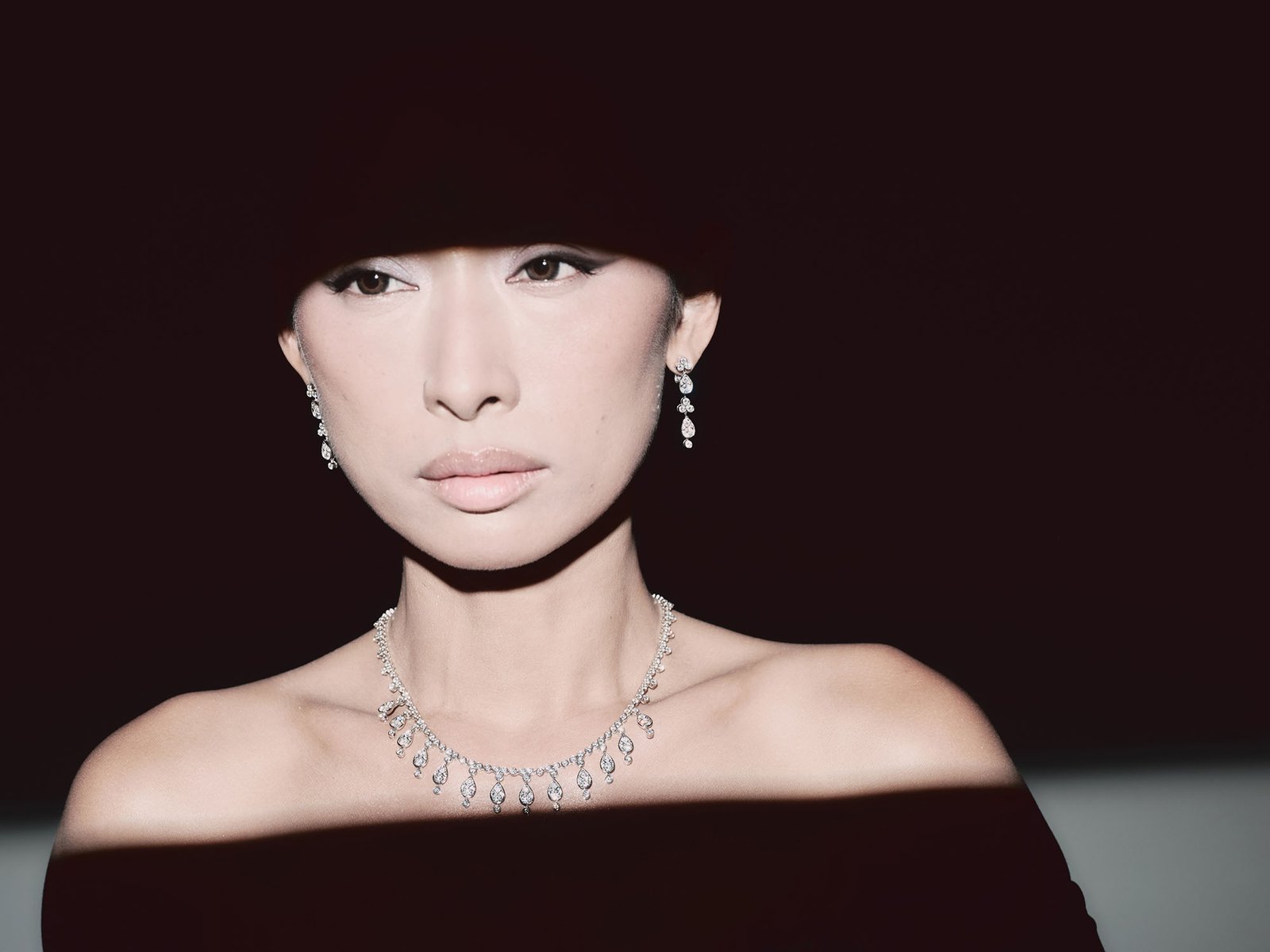
Upon A Time We Loved cover star Quynh Thy
From the runways of Asia to international fashion editorials and the world of cinema, Quỳnh Thy has built a career shaped by instinct, adaptability and a constant desire for self-expression. One of Vietnam’s early faces on the international fashion scene, she has gradually expanded her practice beyond modelling, exploring music, television and film. In Once Upon a Time We Loved, her latest film, she steps into a deeply tragic role that draws on the complexities of human emotion. In conversation with Numéro Switzerland, Quỳnh Thy reflects on the experiences that have shaped her journey, the evolving meaning of representation, and the irreplaceable role of human connection in an increasingly digital creative landscape.
- You’ve said that adaptability comes naturally to you, having moved between Vietnam and international work since the early 2000s. What is something you still carry with you wherever you go? A habit, an instinct, something from home that has never left you?
At the beginning of my career, I started modelling for local magazines in my hometown of Vũng Tàu. As I became better known and received more job offers, I moved to Saigon. At the time, Saigon was a bustling, bewildering and exciting city of six million people, and the experience was quite a shock. I had to adapt not only to different working conditions and the demands of clients and photographers, but also to the temptations of city life.
Over the years, working in different places and with many different people, I developed a strong sense of intuition, a gut feeling, a persistent sensation in my stomach that has served me well. If I felt the results were not good enough or sensed that the clients were not entirely satisfied, I would work beyond the agreed hours and continue the photoshoot until I felt they were happy with the results, no matter how long it took. I would often review the photographs myself and ask for additional poses until my instinct told me I had the best shots. On other occasions, I would turn down a job because I felt it was not right for me. This instinct has stayed with me and continues to guide me wherever I go.
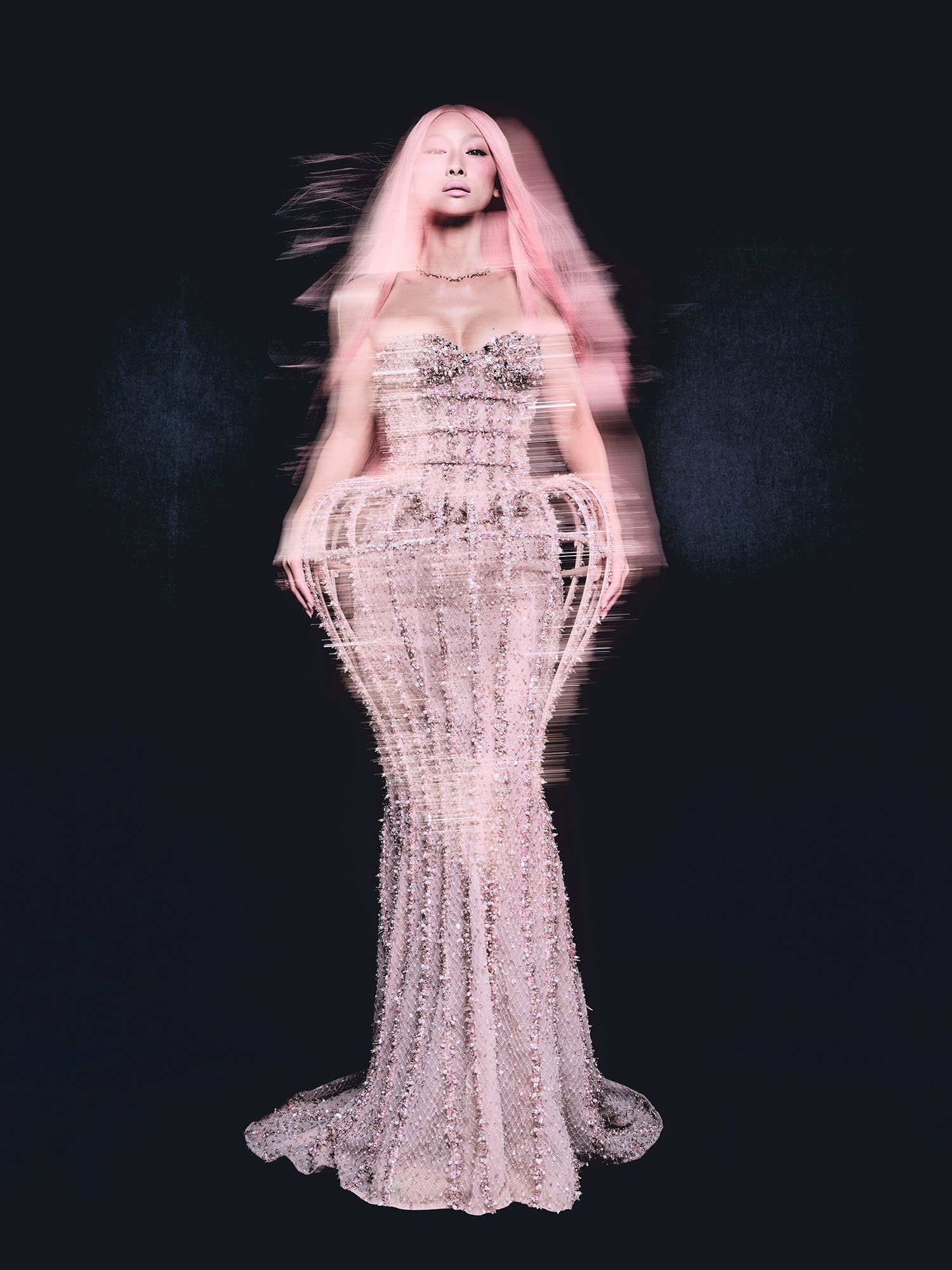
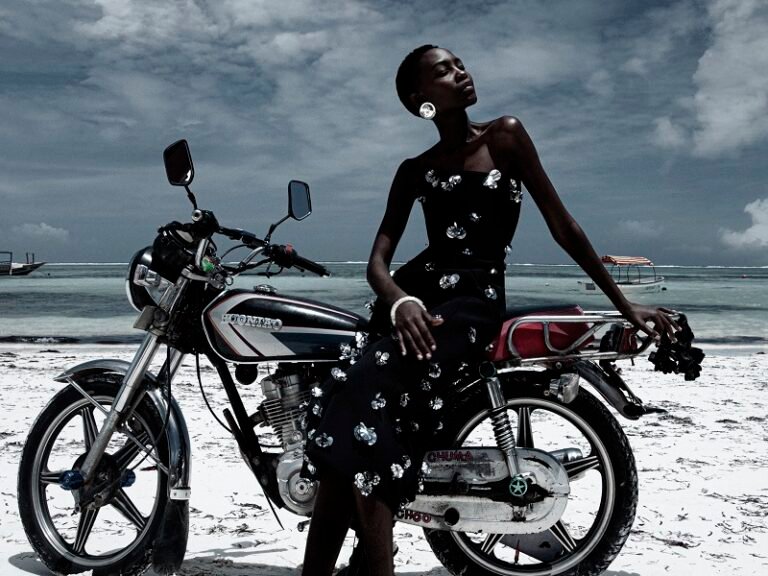
dress YARA SHOEMAKER
jewellery APARTMENT6
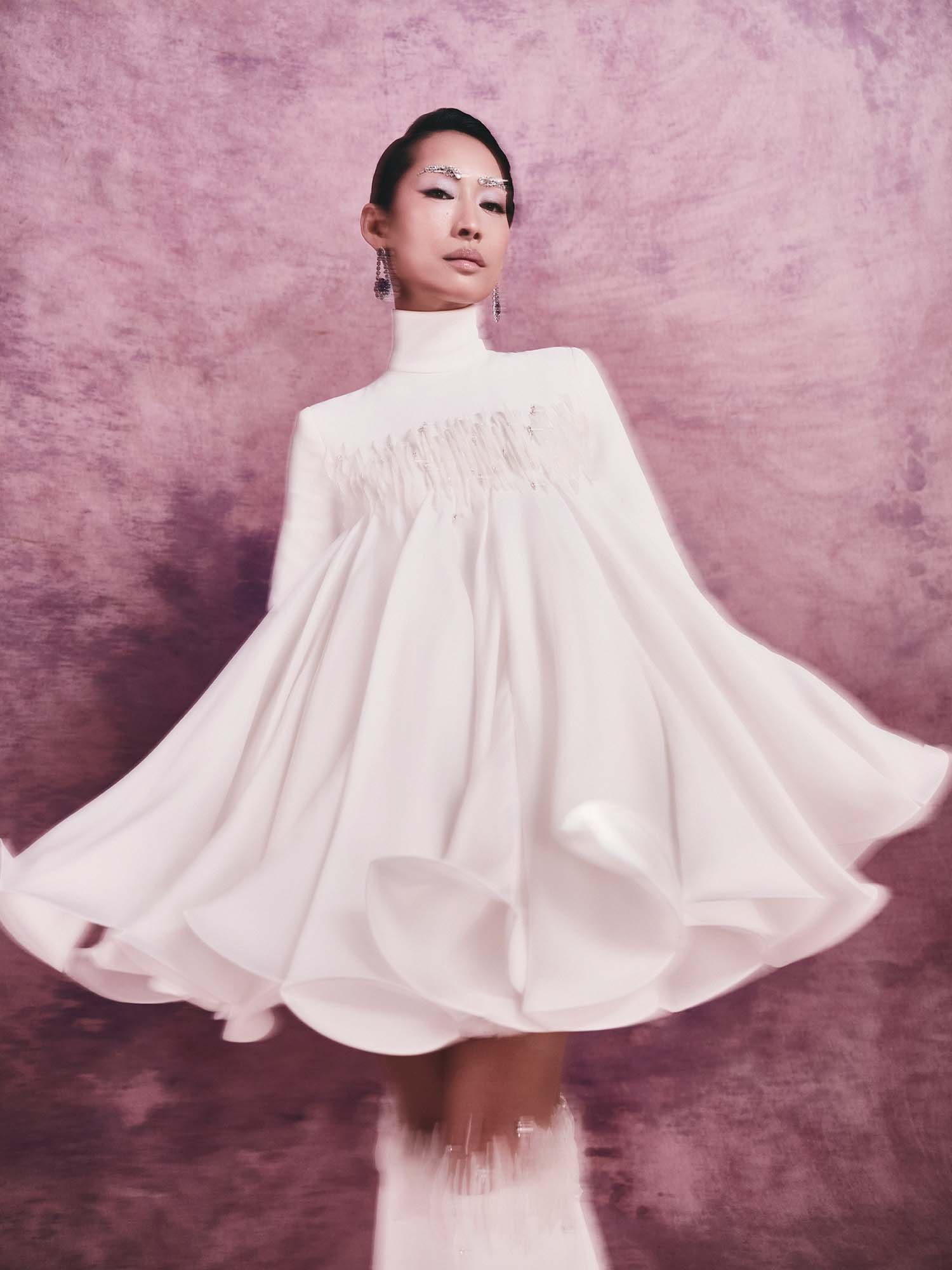
dress STÉPHANE ROLLAND
jewellery CHOPARD
- Your music videos have attracted millions of views, and you’ve described each project as a fusion of music, fashion and cinematic storytelling. Of everything you do, from film and television to modelling and music, which allows you to feel most like yourself?
Modelling has been the main focus of my professional life so far, and it is the field in which I have the most experience. However, modelling has its limits when it comes to self-expression, and as I gained experience, I began to feel the need to transform myself.
Fortunately, I have had the opportunity to experiment with music, create several music videos and appear in films and television productions. Of all these forms of expression, cinema fascinates me the most because it is the only medium that can create an entire world of its own and allow me to become part of it. A film can exist undisturbed, like a foreign land, until it is discovered and experienced by an audience.
When working on a film, I have sometimes inhabited a role so completely that I felt as though I had become that person. As I continue to develop my acting, I feel that cinematic art allows me to be most fully myself. My latest film, Once Upon a Time We Loved, truly confirmed this for me.
- Is there a role or type of character you have yet to play but would like to explore? And how would you describe your approach to acting: is it instinctive, or do you prefer to experiment with a role?
I have not yet appeared in an action film, and I would love to do one. So far, all my roles have been in romantic dramas.
Once I am offered a role, I read the script repeatedly until I have memorised the plot and the characters. I then begin to build a history for my own character, a biography through which I create her life and personality, including her likes and dislikes. I draw on the information provided in the script and discuss the character with the director and writer.
When certain details are missing, I give the character some of my own characteristics and draw on experiences from my life. This was my approach to Once Upon a Time We Loved, a film I spent three years, from 2023 to 2026, working on in production and preparing for the lead female role.
In the film, my character had lost both of her parents, whereas I am fortunate enough to still have both of mine. I therefore had to imagine the details of her life and gradually immerse myself in her world. Through this process, I discovered emotions I might not otherwise have been able to access. I believe it allowed me to portray this tragic character as truthfully as possible.
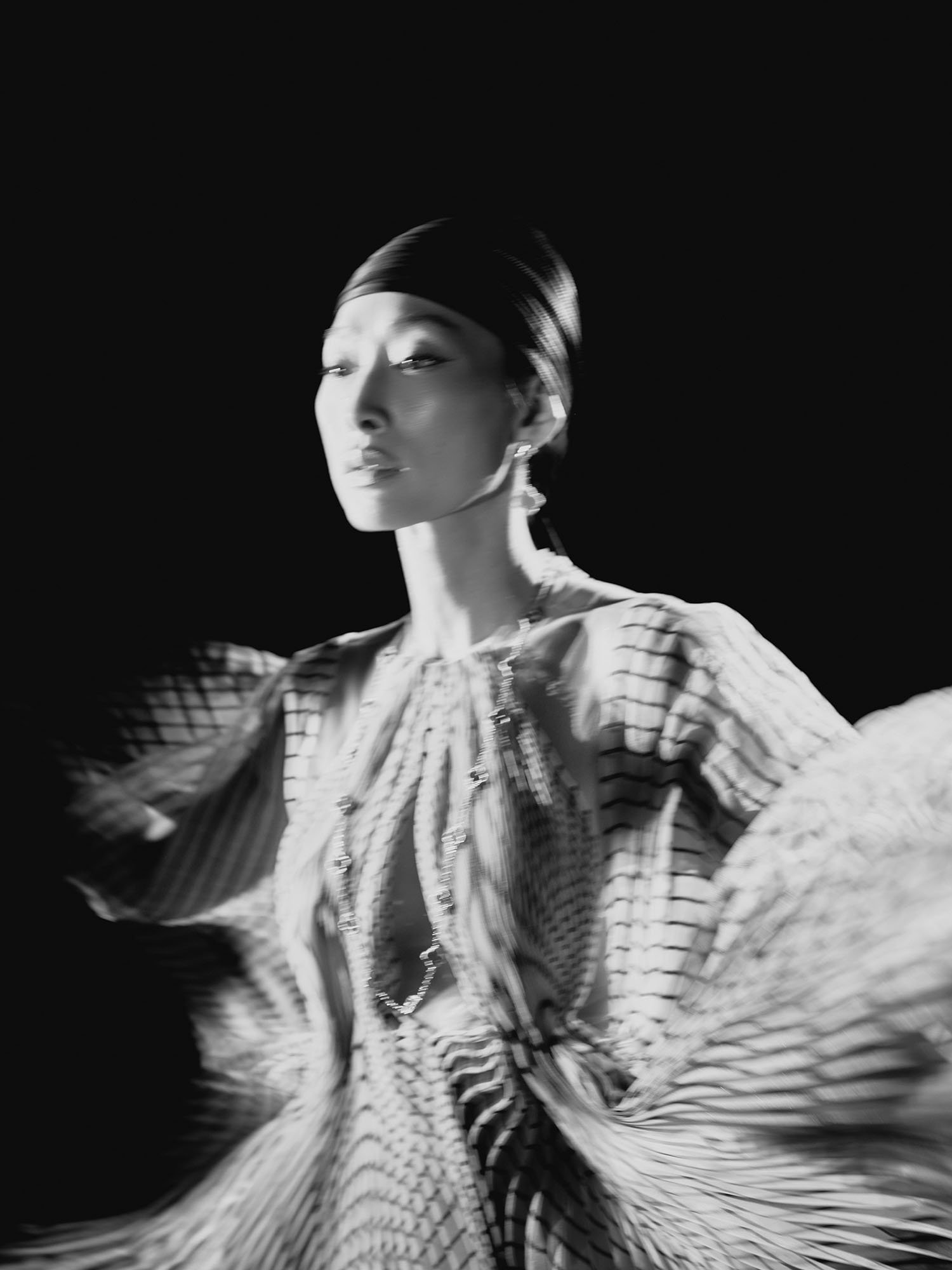
dress IRIS VAN HERPEN
jewellery VAN CLEEF & ARPELS
hat MERVE BAYINDIR
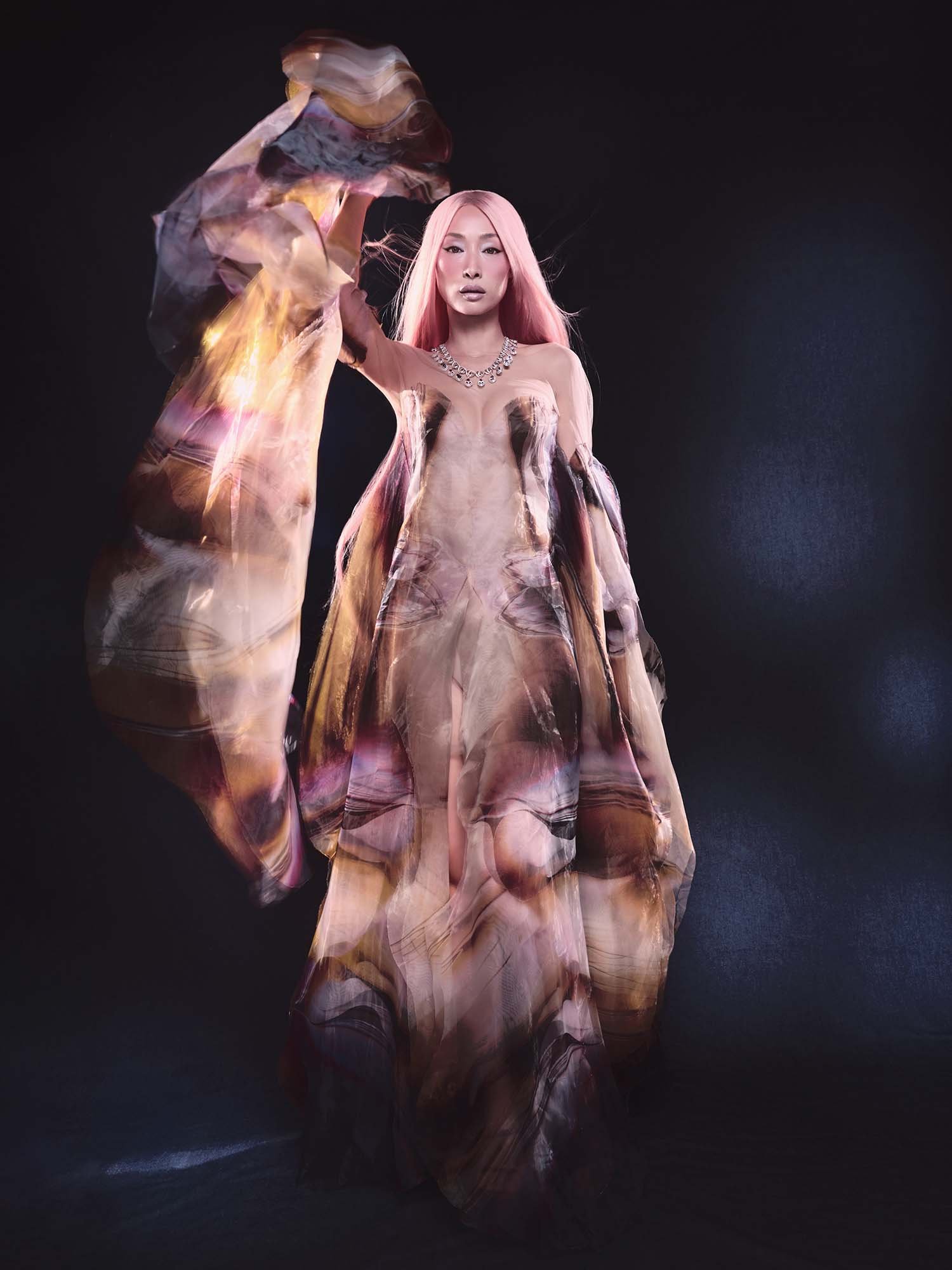
dress IRIS VAN HERPEN
jewellery CHOPARD
- You were among the first Vietnamese faces to appear in international magazines and on Asian Fashion Week runways, at a time when this kind of representation was still rare. Did you ever feel the pressure of being seen as a representative of your country? And did you encounter resistance because of it?
For me, being a model has always meant facing considerable pressure from different aspects of the industry, from maintaining the right mindset and a certain physique to continually developing a distinctive personal signature, whether through posing or walking the runway. I was therefore accustomed to pressure.
Being selected to appear in international magazines was a tremendous source of pride and an honour, but it also brought a new burden. I was expected to maintain a certain standard in both my professional and personal life, and I found myself under greater public scrutiny. Honestly, the pressure was overwhelming at times.
I also faced more intense competition as I worked to maintain my position. However, I learned to adapt and use these experiences as opportunities to advance my career and challenge myself. I came through that period with a stronger understanding of my own mental resilience, and I have always been grateful for the opportunities I was given.
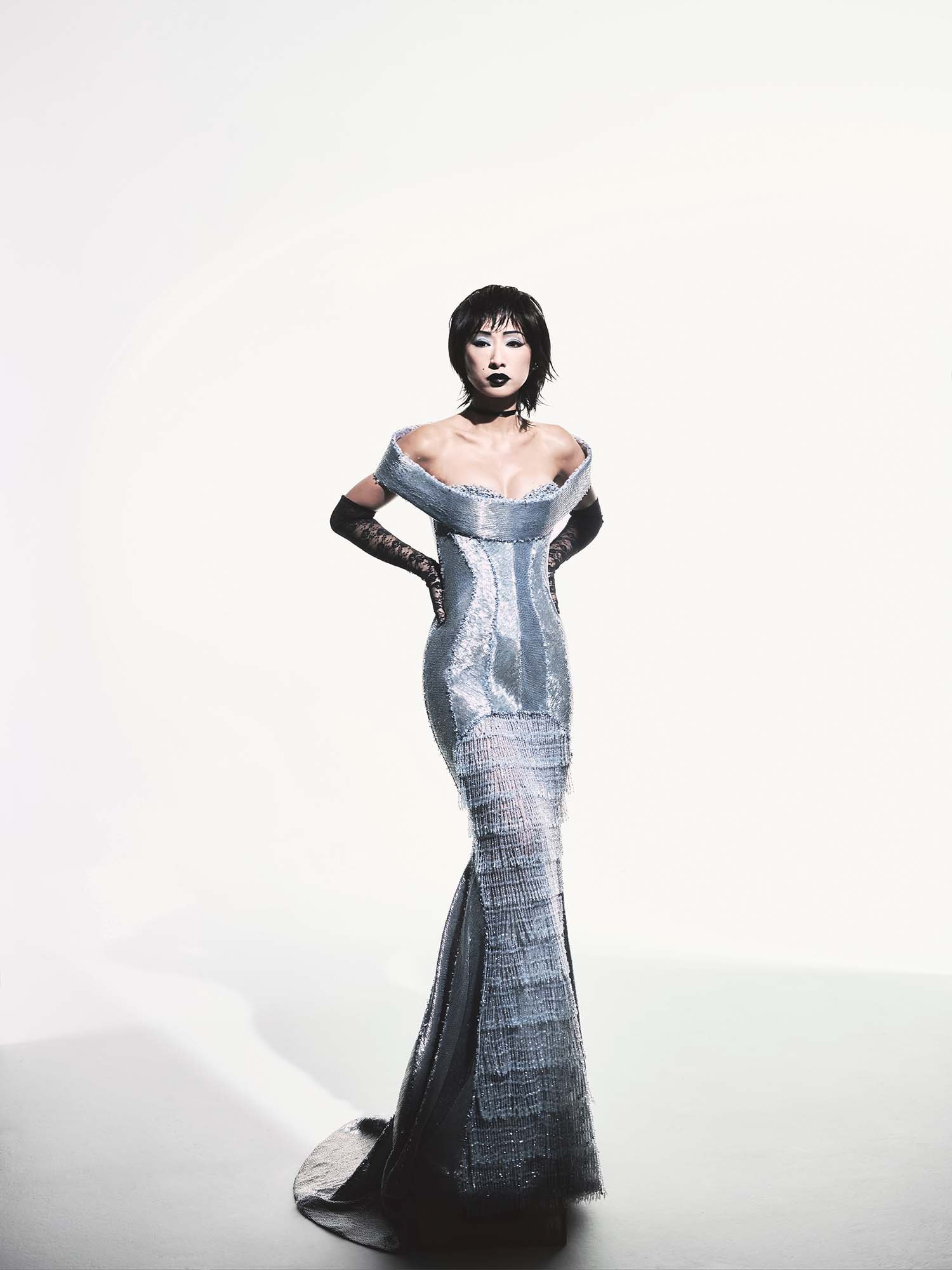
dress YARA SHOEMAKER
jewellery MARIA&LUISA JEWELS
gloves DUECCI GLOVES
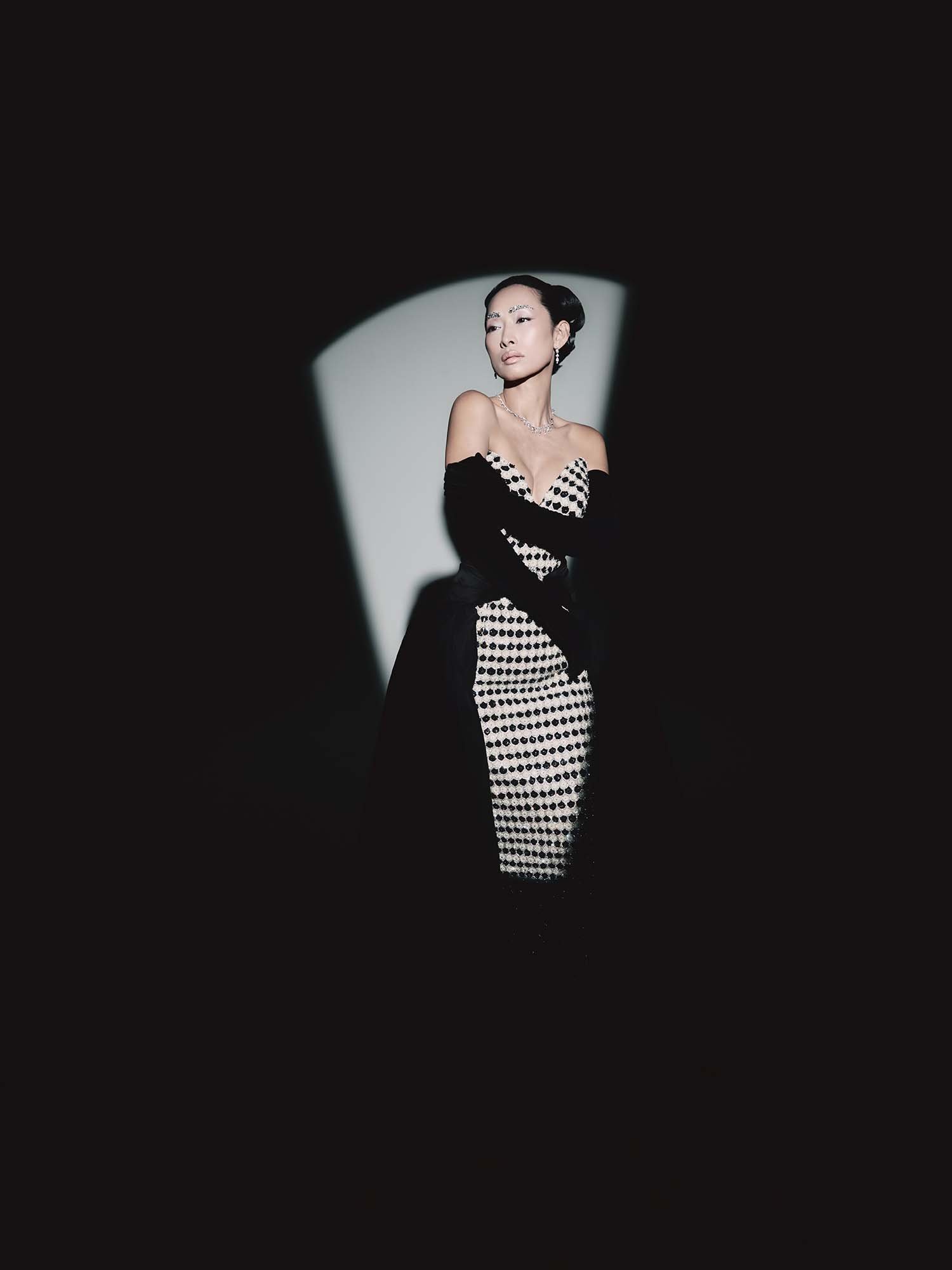
dress RICHARD QUINN
jewellery CARTIER
- Representation has come a long way since then, although there is still progress to be made. What would you say to the industry, from brands and casting directors to editorial teams, about what is still missing?
I can only speak from what I have witnessed in Vietnam. When I began my modelling career there, the fashion industry was still in its infancy. Most magazines and brands were local, casting was largely based on personal connections or professional recommendations, and the editorial landscape lacked the depth of talent and discerning eye often found in more developed markets.
Gradually, Western industry standards reached Vietnam alongside brands such as Ford, Honda, Audi, Kodak and Ducati, which I had the opportunity to represent.
I have witnessed the evolution of representation in Vietnam, and I am pleased to see the industry modernising and the definition of beauty becoming more diverse. However, I would like to see this diversity extend further to include more people from Vietnam’s ethnic minorities. Their distinctive features can broaden our understanding of what beauty can be. After all, people everywhere are beautiful in their own way.
- You divide your time and work between Vietnam and the United States. What is the most striking difference you have noticed, either in the way people work or in how audiences respond to you?
The most striking difference between Vietnam and the United States is, of course, the culture, along with the expectations and social norms that come with it.
In Vietnam, professional relationships depend heavily on personal connections. People in the industry often see one another as more than colleagues; they become friends. They frequently form close-knit circles for networking and sometimes prefer to work only with people they already know.
In the United States, by contrast, I find that professional relationships tend to be more clearly defined, with greater distance maintained between colleagues.
Audience interactions are also strongly influenced by culture. In Vietnam, people often want to engage with celebrities on a personal level, expecting replies to online messages or showing an interest in their private lives. In the United States, audiences generally seem more content with the entertainment celebrities provide through their work and less concerned with their personal lives. These are, of course, only my own observations and experiences.
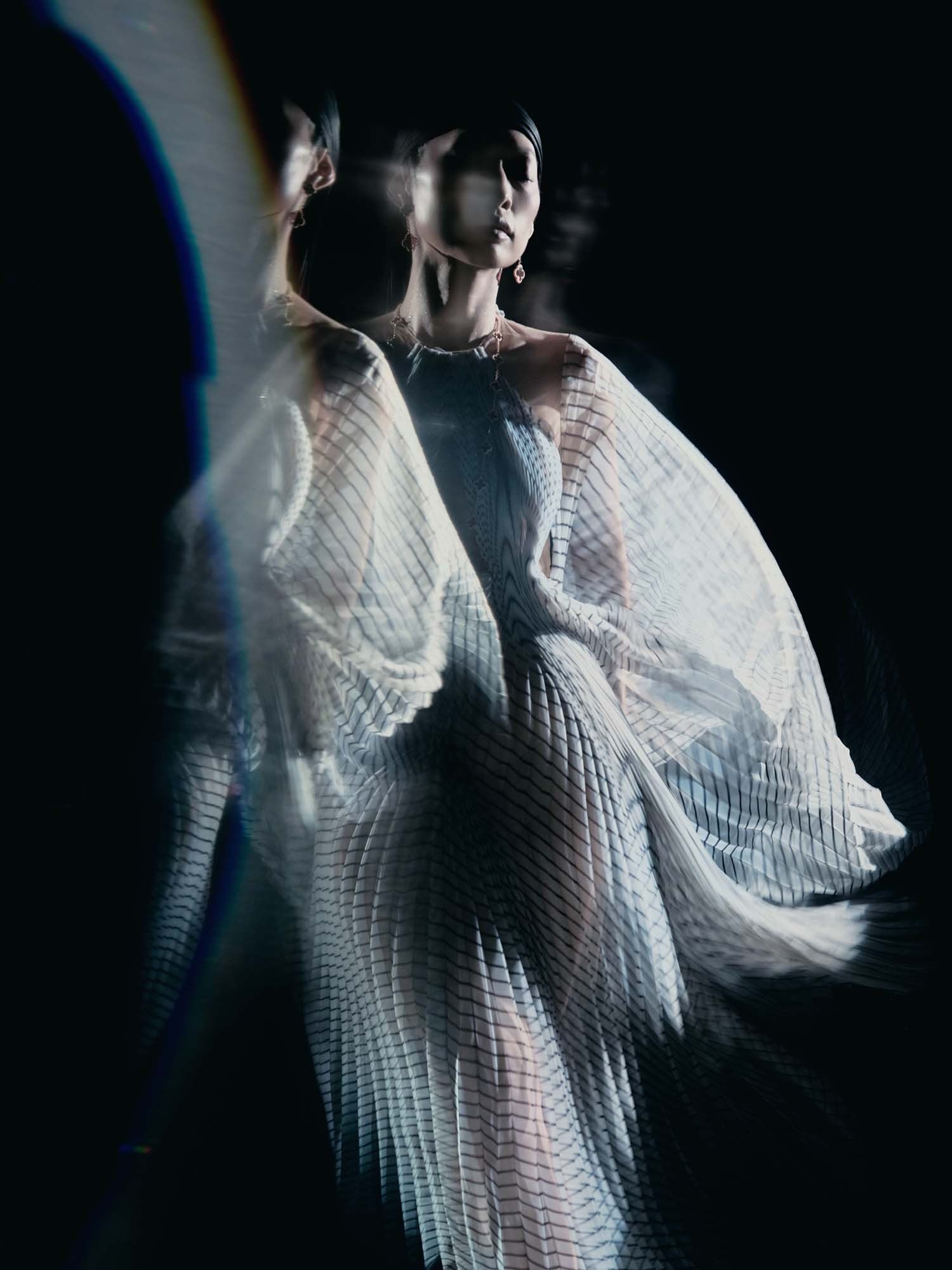
dress IRIS VAN HERPEN
jewellery VAN CLEEF & ARPELS
hat MERVE BAYINDIR
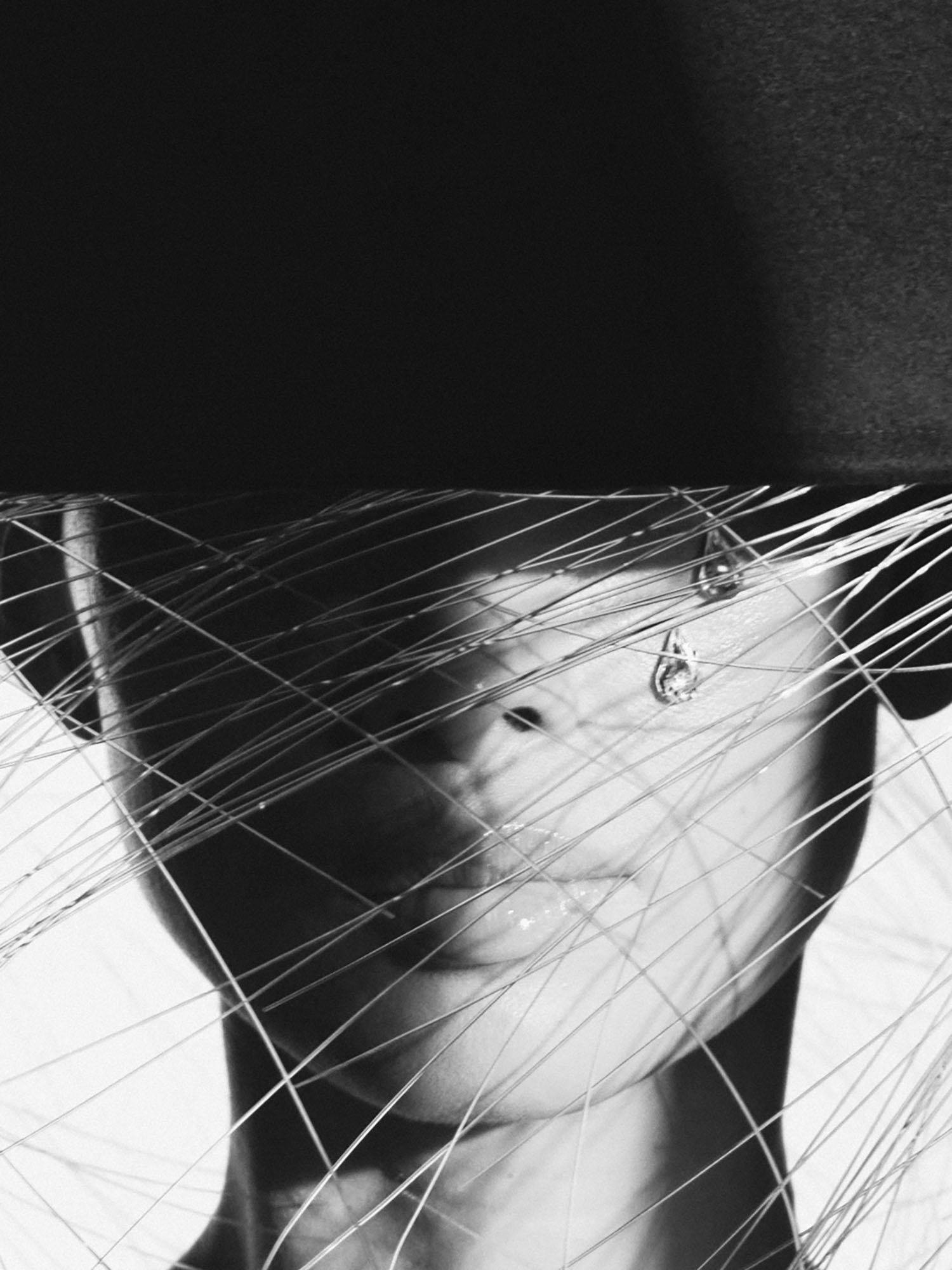
hat MERVE BAYINDIR
- You’ve mentioned that your family includes many doctors and professors, and that your parents were initially hesitant about your decision to pursue modelling. How do you explain what you do today, and how do you measure your success against more traditional expectations?
Despite its recent development, Vietnam remains a traditional society in which parents often expect their children to pursue stable professions such as medicine, law or other white-collar careers.
When I was young, a local photographer took pictures of me and was able to sell them. Before long, other photographers began asking to photograph me as well. I have always regarded my career as something that happened almost by chance.
At first, I struggled to convince my parents to let me pursue modelling, but they eventually agreed on the condition that I treat it only as a hobby. Before long, however, I was devoting most of my time to it and had become financially independent. This eventually led my parents to accept my career choice.
I measure success, both professionally and in life, by my ability to do what I love, express myself and bring joy to others.
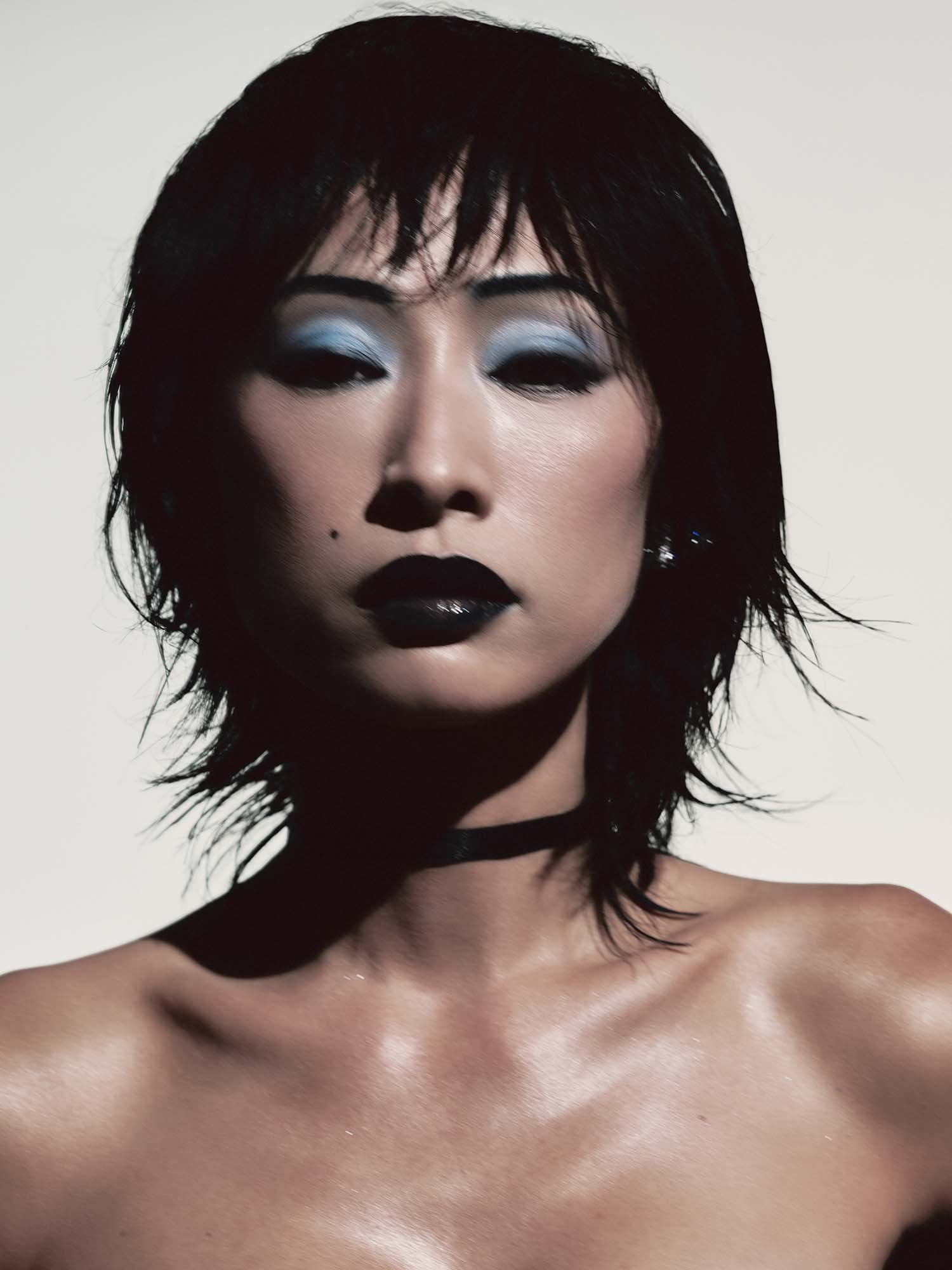
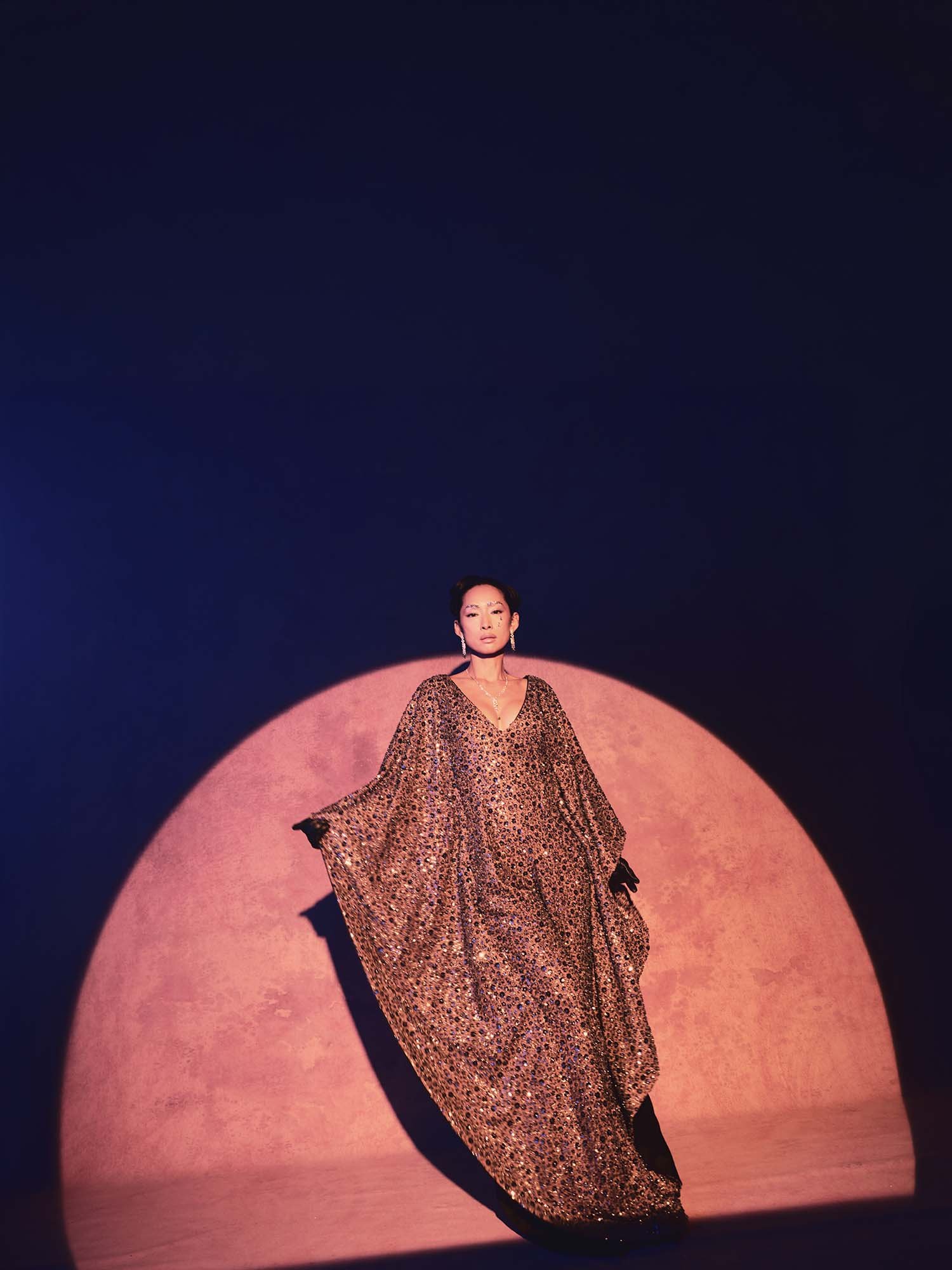
dress ALEXIS MABILLE
jewellery CARTIER
gloves DUECCI GLOVES
- If you could return to the beginning of your career, what would you tell your younger self, or what do you wish you had known?
When I started my career, I devoted my heart and soul to my work. I would often take part in several shows or photoshoots in a single day. In doing so, I neglected my family and personal relationships, taking them for granted and assuming they would always be there.
If I could go back, I would try to find a better balance between my career and the people closest to me.
As I grow older, I realise that age influences how we experience our relationships with others. A person at 20 experiences a relationship differently from that same person at 30. I think of the intensity, recklessness and passion of being 20, sensations that someone much older might no longer experience in quite the same way. I would have loved to experience all those youthful emotions more fully.
- What advice would you give a young Vietnamese artist who hopes to build a career abroad today?
From my own experience, making the transition from Vietnam to the international stage is extremely challenging because of language and cultural barriers. It has taken me many years to learn and adapt.
My first piece of advice to a young Vietnamese artist aspiring to work abroad would be to establish a solid career in Vietnam first, building a strong foundation from which to step onto the international stage. It is important to develop as much as possible and establish your own style and identity in your home country before venturing abroad.
Secondly, I would recommend mastering English, an international language that will allow you to communicate effectively wherever you go. Thirdly, you should take the time to understand the culture of the country you are moving to.
Above all, wherever you go, remain true to yourself, embrace your originality and share what makes you unique with the world.
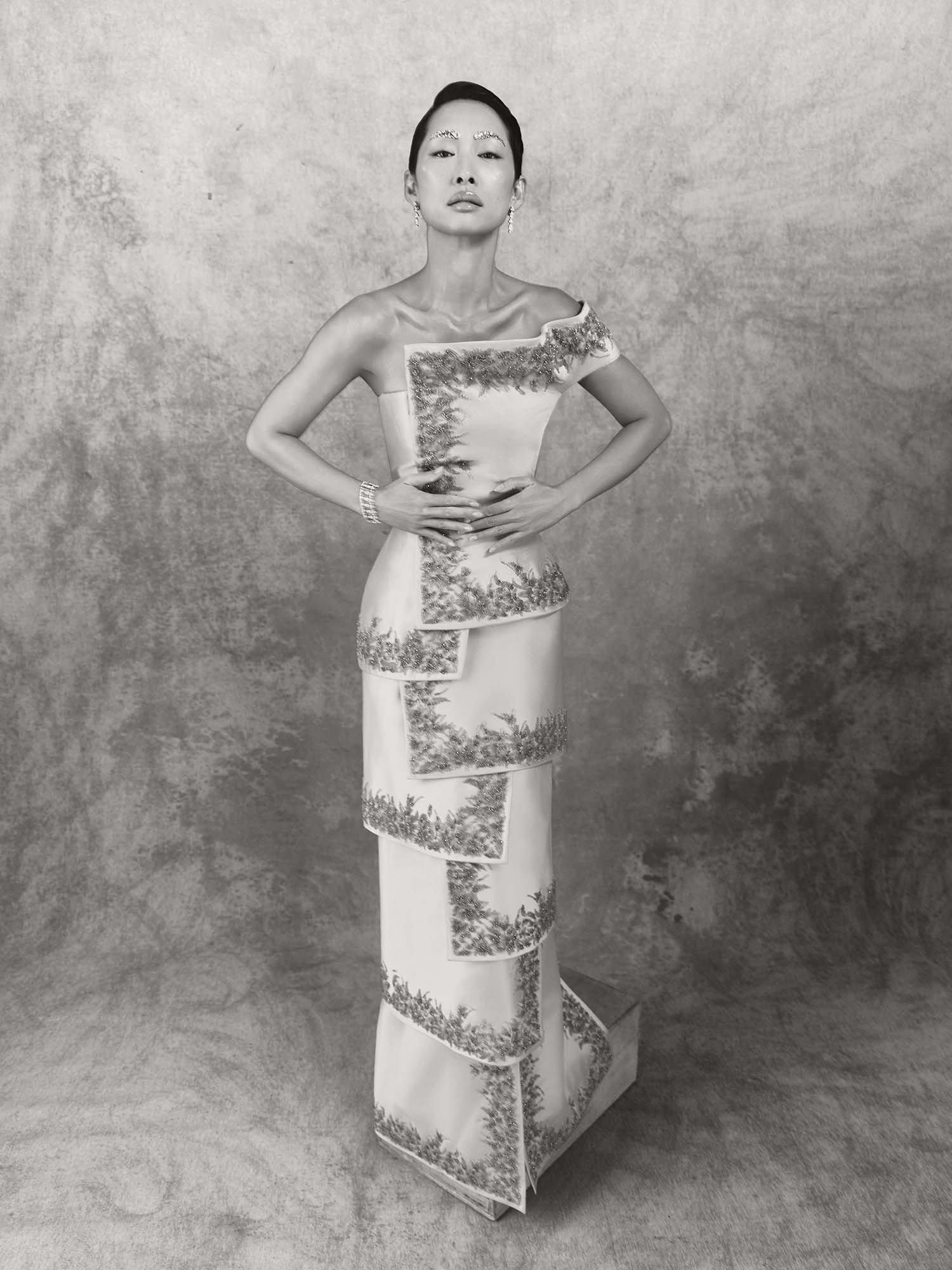
dress RAMI AL ALI
jewellery CARTIER
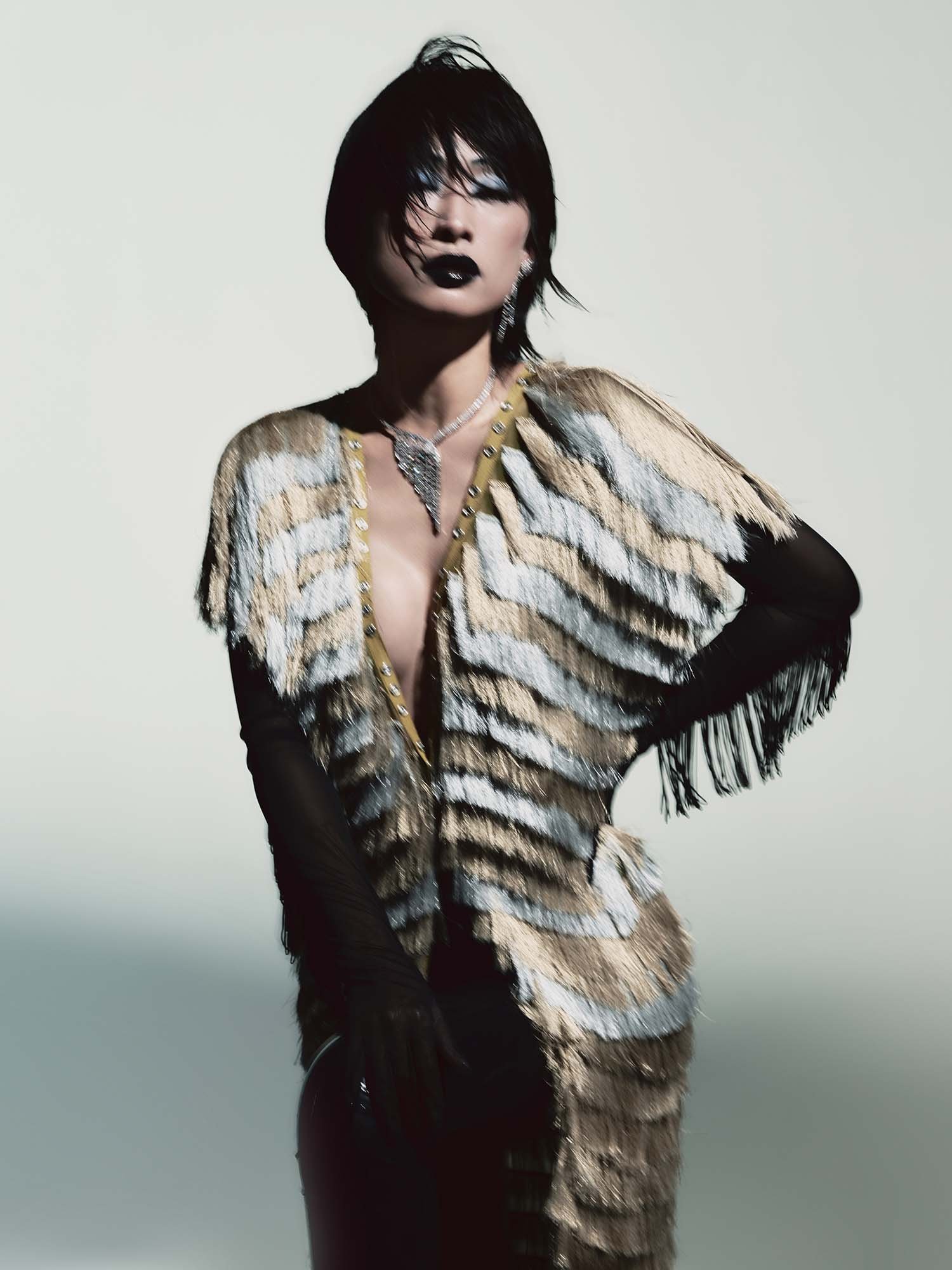
dress JULIE DE LIBRAN
jewellery SWAROVSKI
gloves DUECCI GLOVES
tights RICHARD QUINN
- You work across film, music and fashion, all fields being reshaped by AI. What do you think about its growing role in creative work, and where do you believe the human touch remains most important?
When I consider the effects of AI on the creative process, I am amazed by its capabilities. AI can certainly be useful for creating special effects and developing ideas. However, I believe it is a mistake to rely on it to generate original concepts, such as screenplays, because, at present, AI produces ideas based on those created by humans on which it has been trained. This may change in the future.
After reflecting further on AI, I have come to believe that human beings remain best equipped to originate ideas and create works that speak to the human heart. Based on my experience in several films, including my latest production, Once Upon a Time We Loved, which was produced in April 2026, I believe that human beings are still the most capable of creating genuine emotional connections with one another.
Once Upon a Time We Loved tells the story of an 18-year-old man who falls in love with a woman twice his age, and the tragic consequences of that passion. I played the female lead, a woman who has experienced the profound loss of her parents and must endure yet another tragedy.
To prepare for the role, I had to delve deeply into my own past, drawing on both pain and happiness. I layered emotions such as loss, bitterness, sadness, self-pity and anger to express my character’s state of mind as truthfully as possible. I doubt that an AI-generated character could convey such emotional depth.
Furthermore, I believe that once audiences discover that characters have been generated by AI, they may find it difficult to form a deep psychological connection with them, viewing them instead as curiosities. I firmly believe that the profound connections between human beings can never be replaced by artificial intelligence.
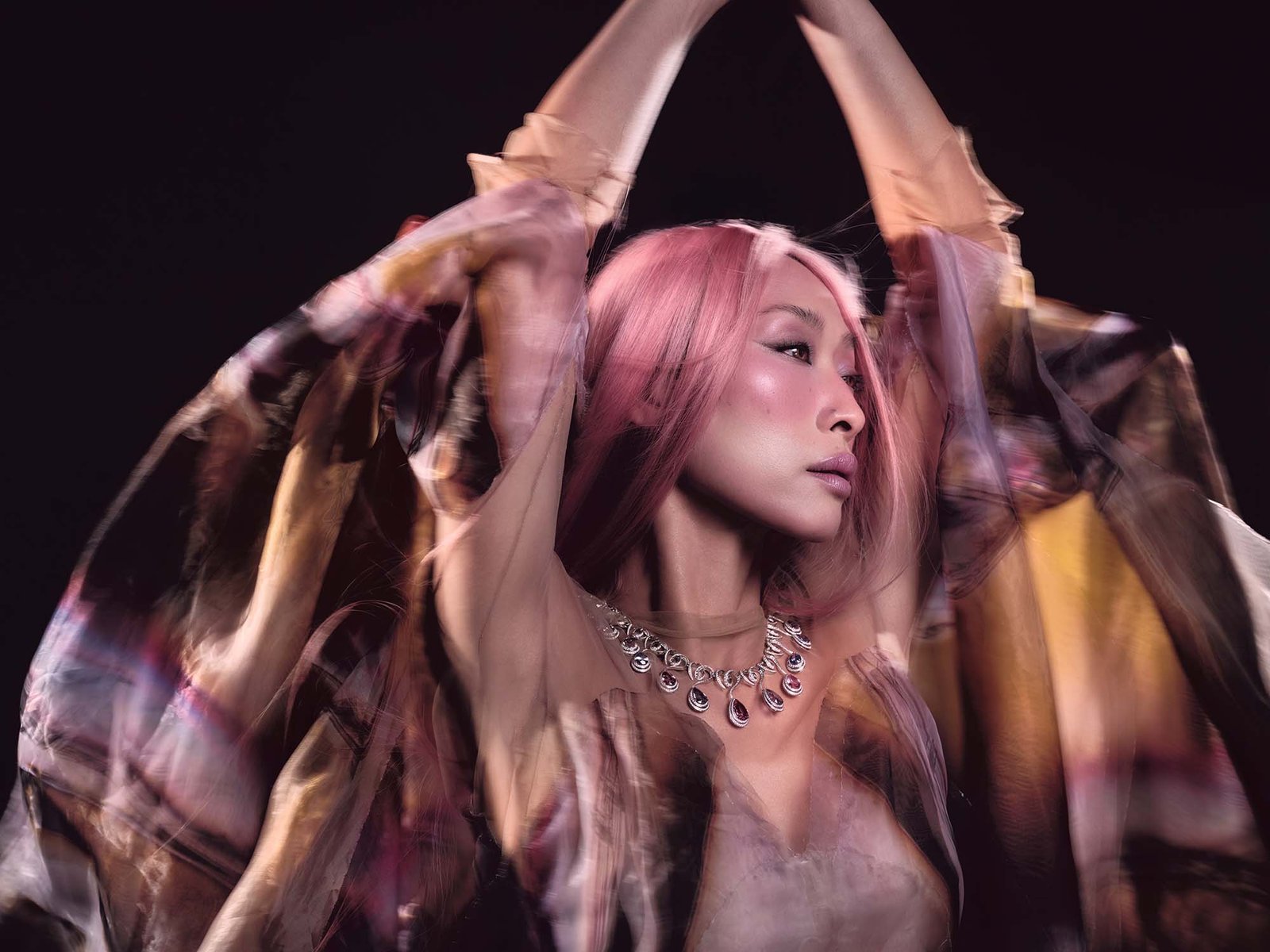
dress IRIS VAN HERPEN
jewellery CHOPARD
Team credits:
talent QUYNH THY
photographer GIUSEPPE VITARIELLO
stylist VINCENZO PALATIELLO
make-up Artist KELVIN NGUYEN using 111SKIN, WESTMAN ATELIER
hair Artist DOMENICO CASELLA at NEVILLE HAIR & BEAUTY
videographer JANICE LAI
producer GLIMEYE
stylist Assistant GIULIA RISALITI
special Thanks SEASON CAR RENTAL, GILGAMESH LONDON
Interview by PRIYAM MISHRA

Comments