
Septembre 15, 2026
THE ART OF DOING LESS
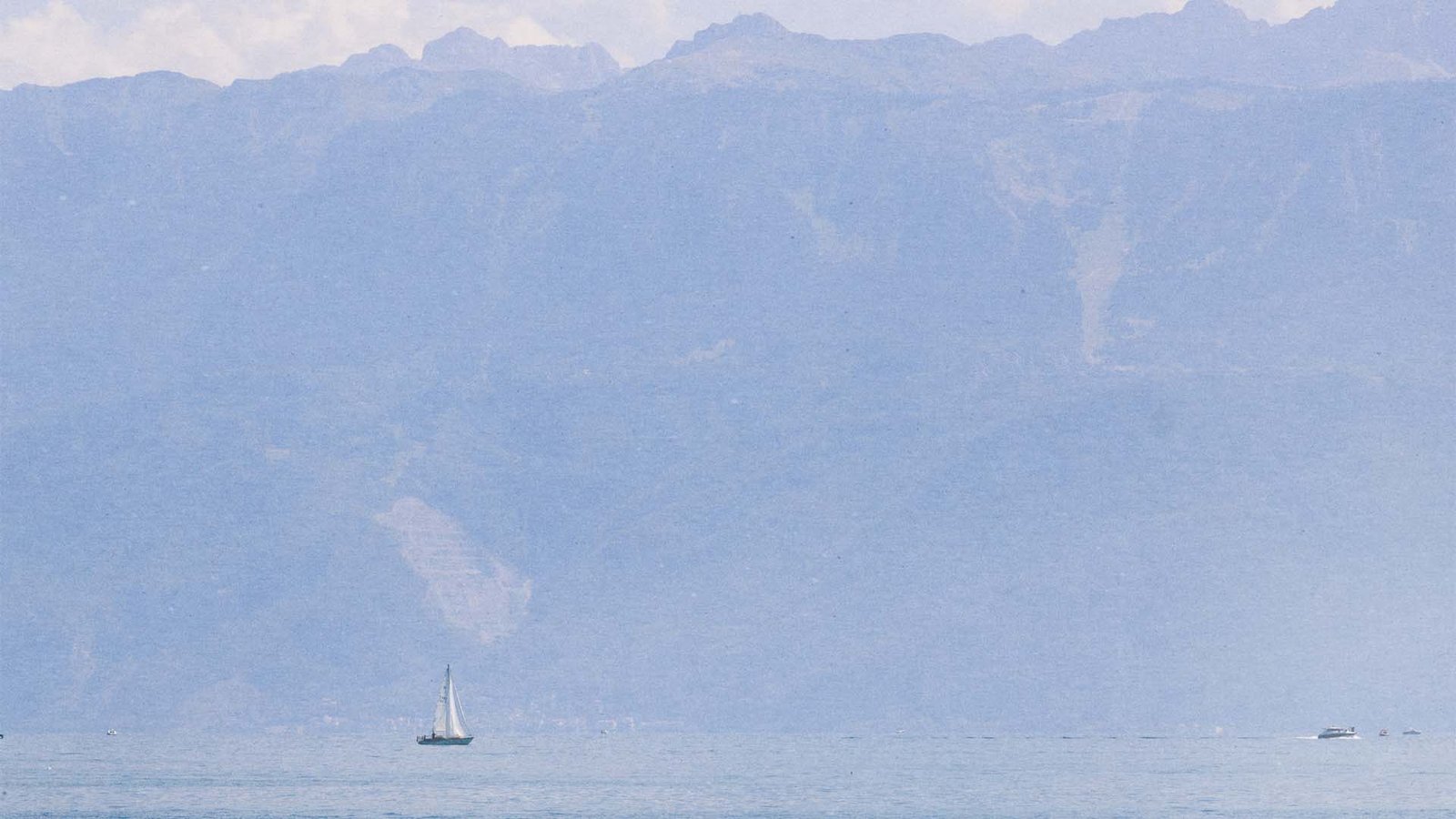
There is something about Lake Geneva that makes slowing down feel less like an instruction than an inevitability.
Perhaps it is the water. Or the peculiar Swiss ability to make everything appear perfectly ordered without ever seeming hurried. Coming from Paris, where even a coffee can acquire a sense of urgency, I arrived looking for a weekend that required very little from me.
No transformation. No heroic detox. No schedule designed to optimize every waking hour.
A terrace would do.
La Réserve Genève Hotel & Spa seemed like a good place to test the theory.
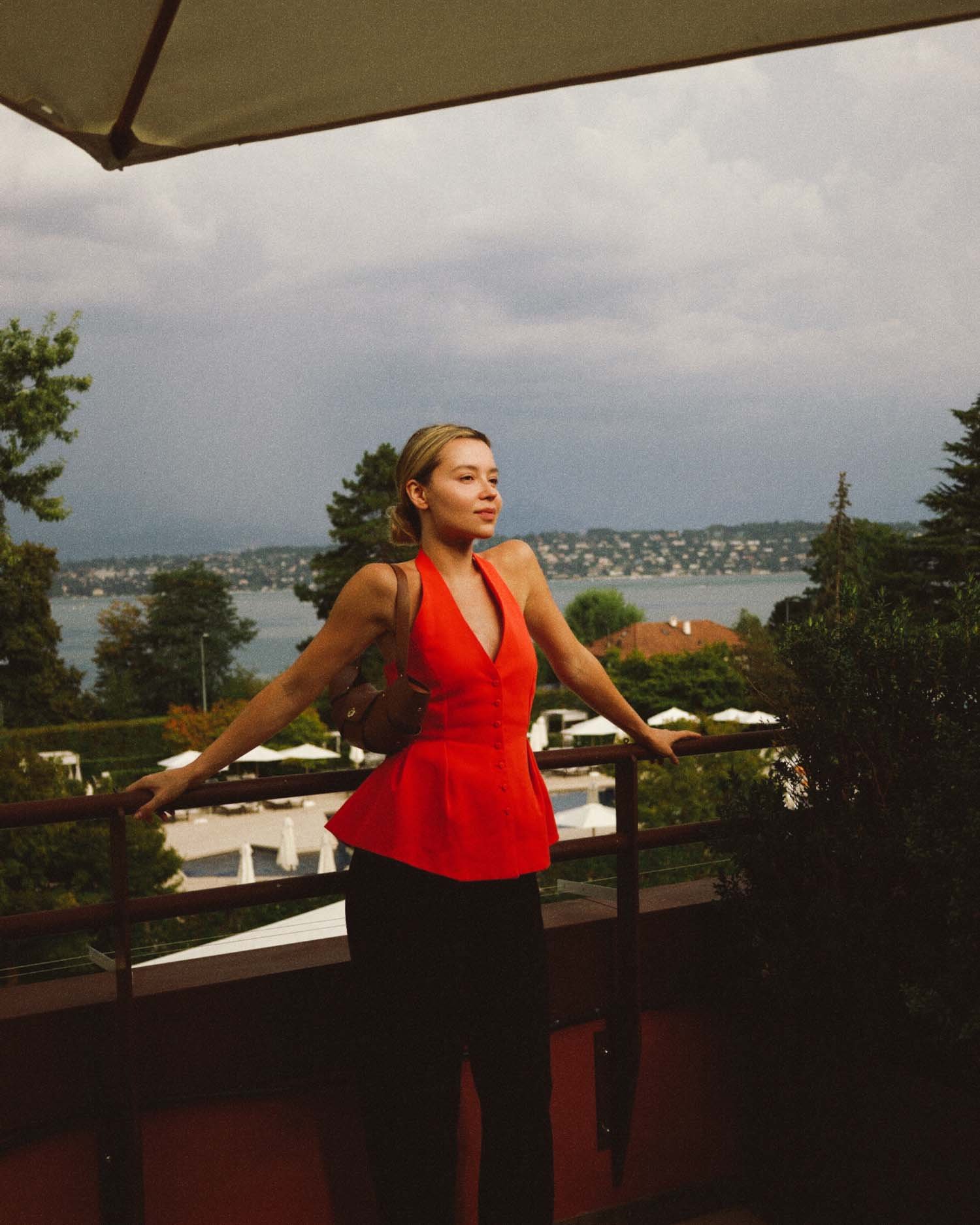
Just outside central Geneva, on the shores of Lake Geneva in Bellevue, the hotel feels removed from the city despite being only a short distance from it. There is Geneva, with its watches, banks and trams; and then there is La Réserve, a quieter world of gardens, dark wood and water, where time seems to loosen its grip.
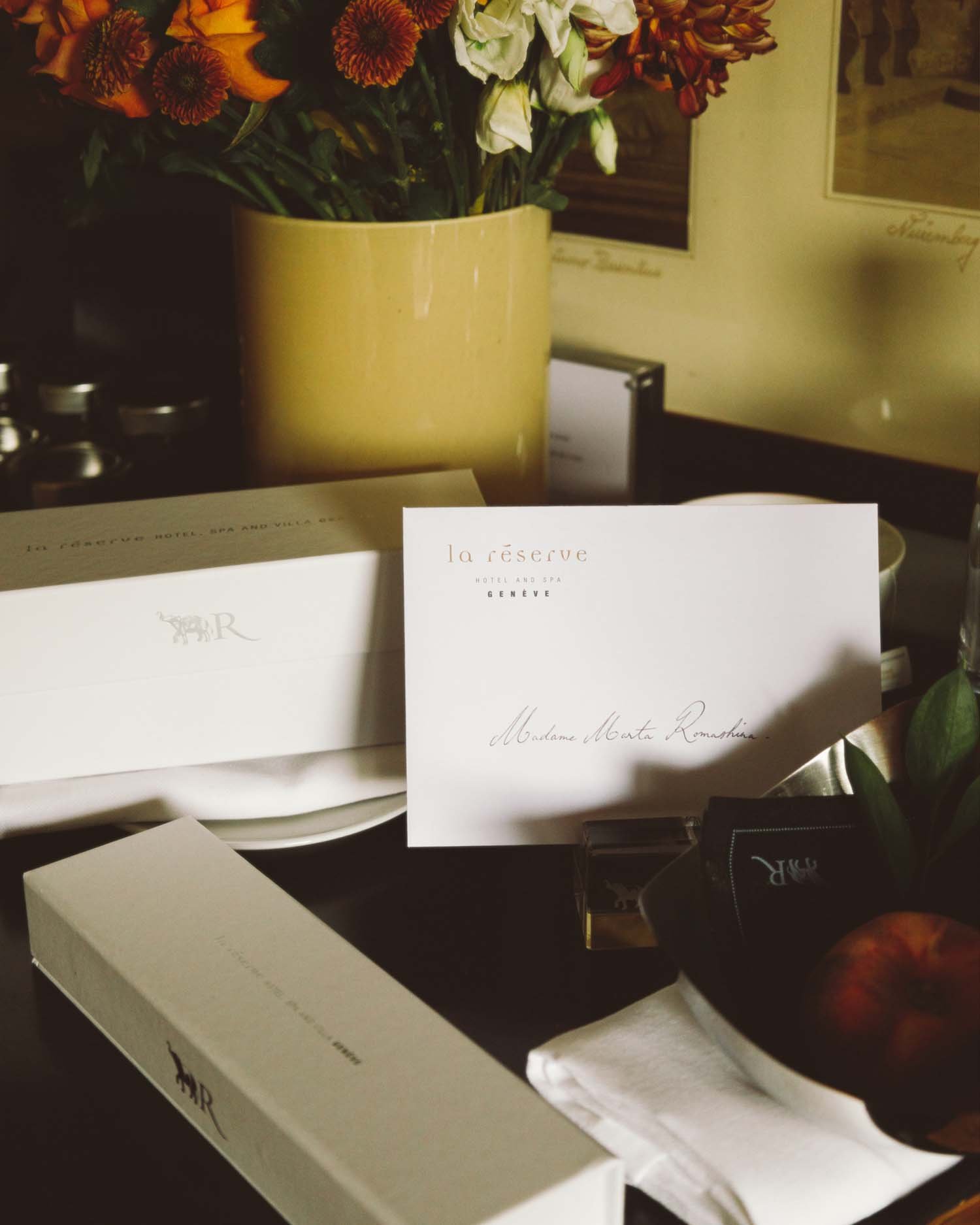
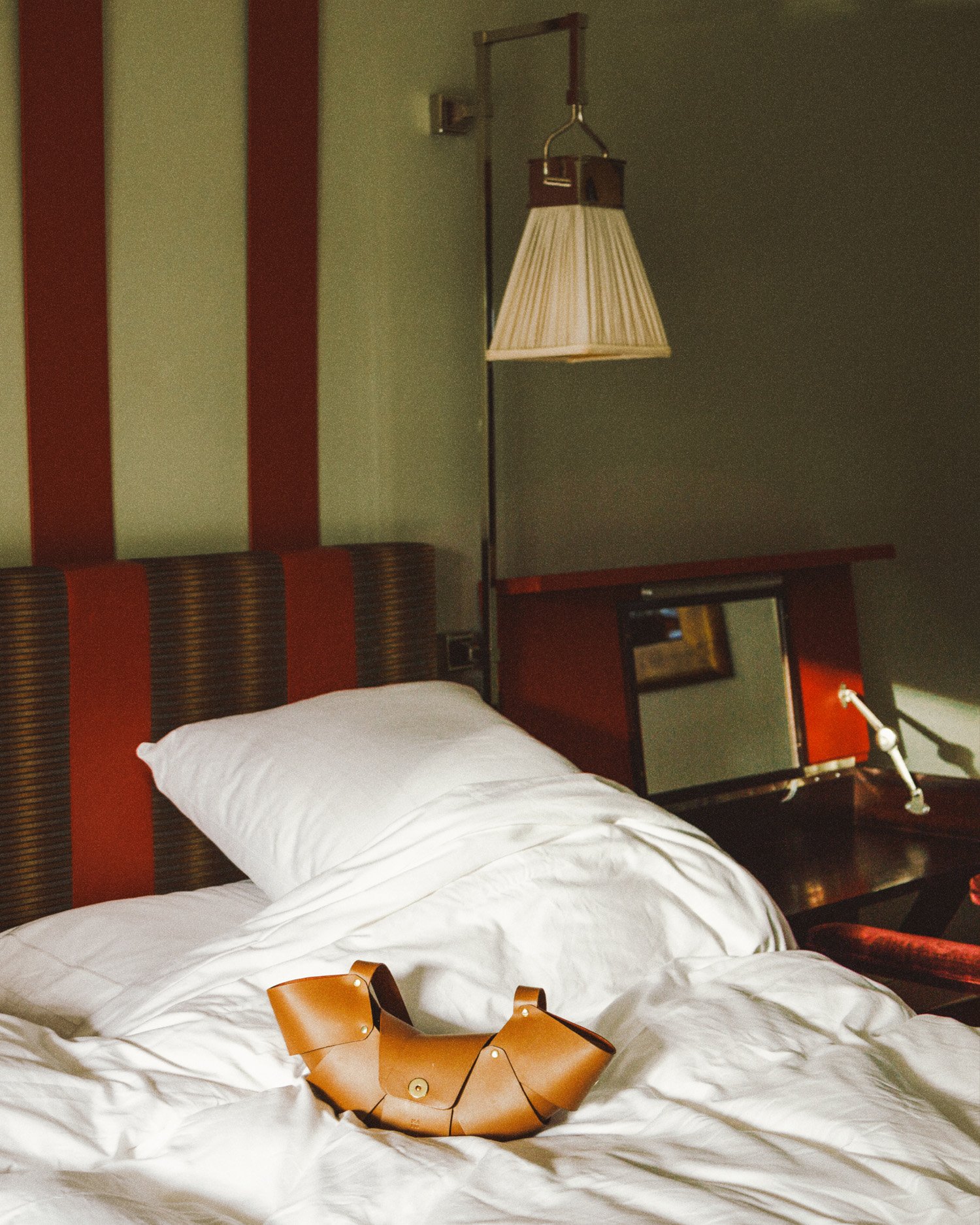
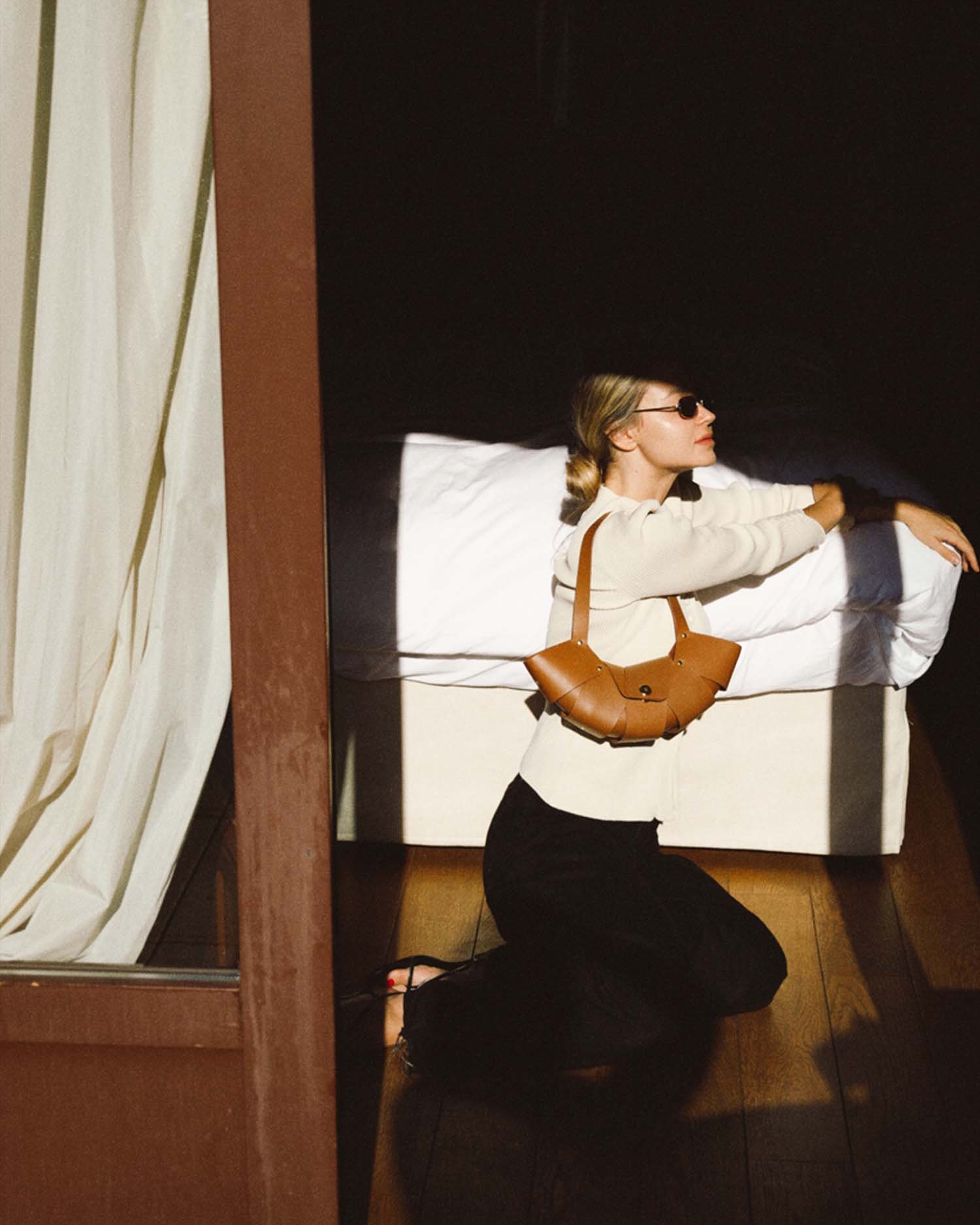
Our room opened onto a sunlit terrace, which quickly became the centre of the weekend. Inside, Jacques Garcia’s interiors are warm, theatrical and deliberately far from the pale minimalism so often associated with contemporary wellness. Dark woods, rich fabrics, travel photographs and earthy tones create the feeling of an imagined private lodge rather than a conventional Swiss resort.
It is glamorous without being precious. Decorative without asking to be admired.
Downstairs, the 2,500-square-metre Spa Nescens offers a more structured interpretation of the same idea. Pools, sauna, hammam, treatment rooms and fitness facilities sit alongside a growing range of longevity programmes, including the five-day Nescens Essential Reset, built around medical assessments, personalised nutrition, movement and recovery.
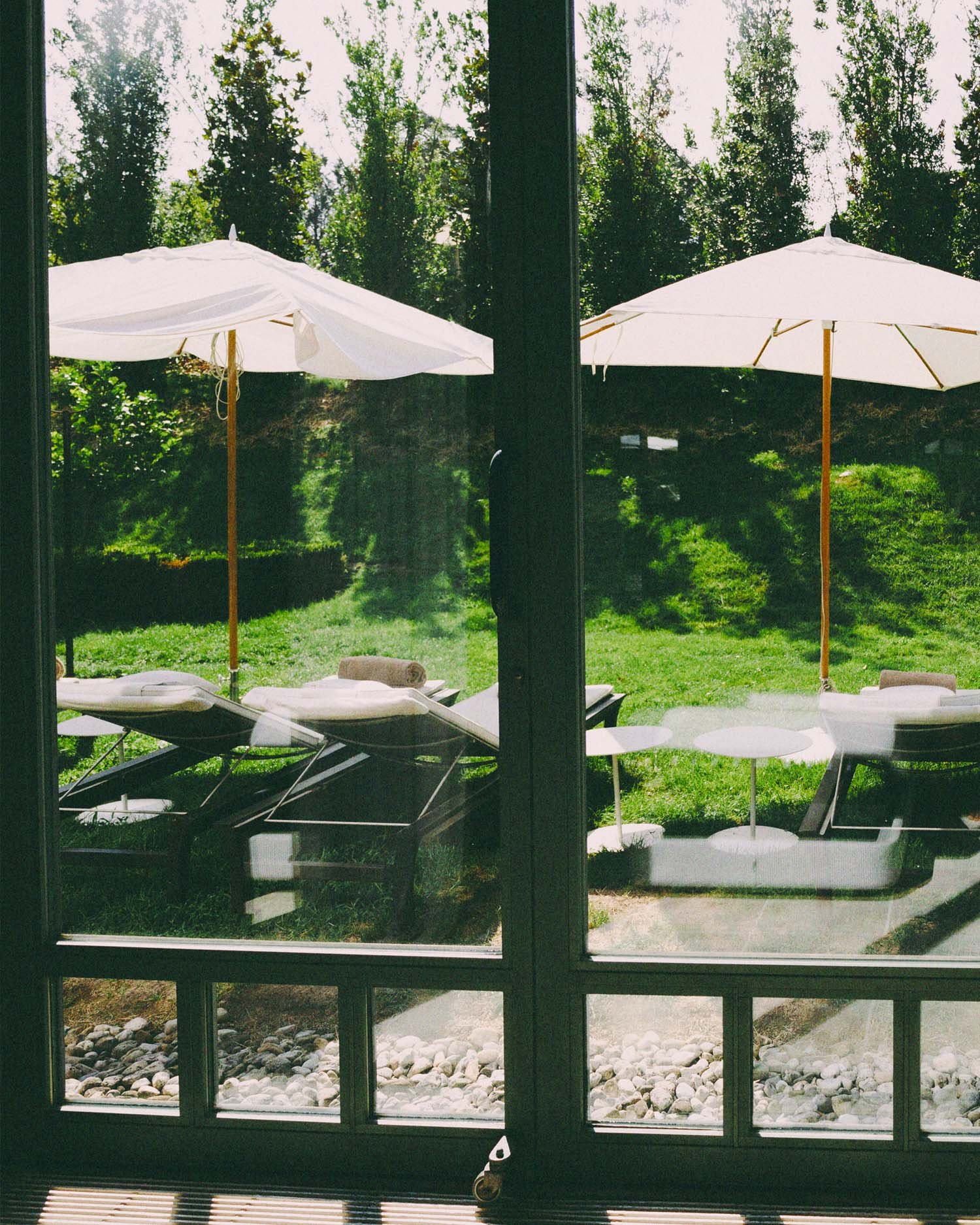
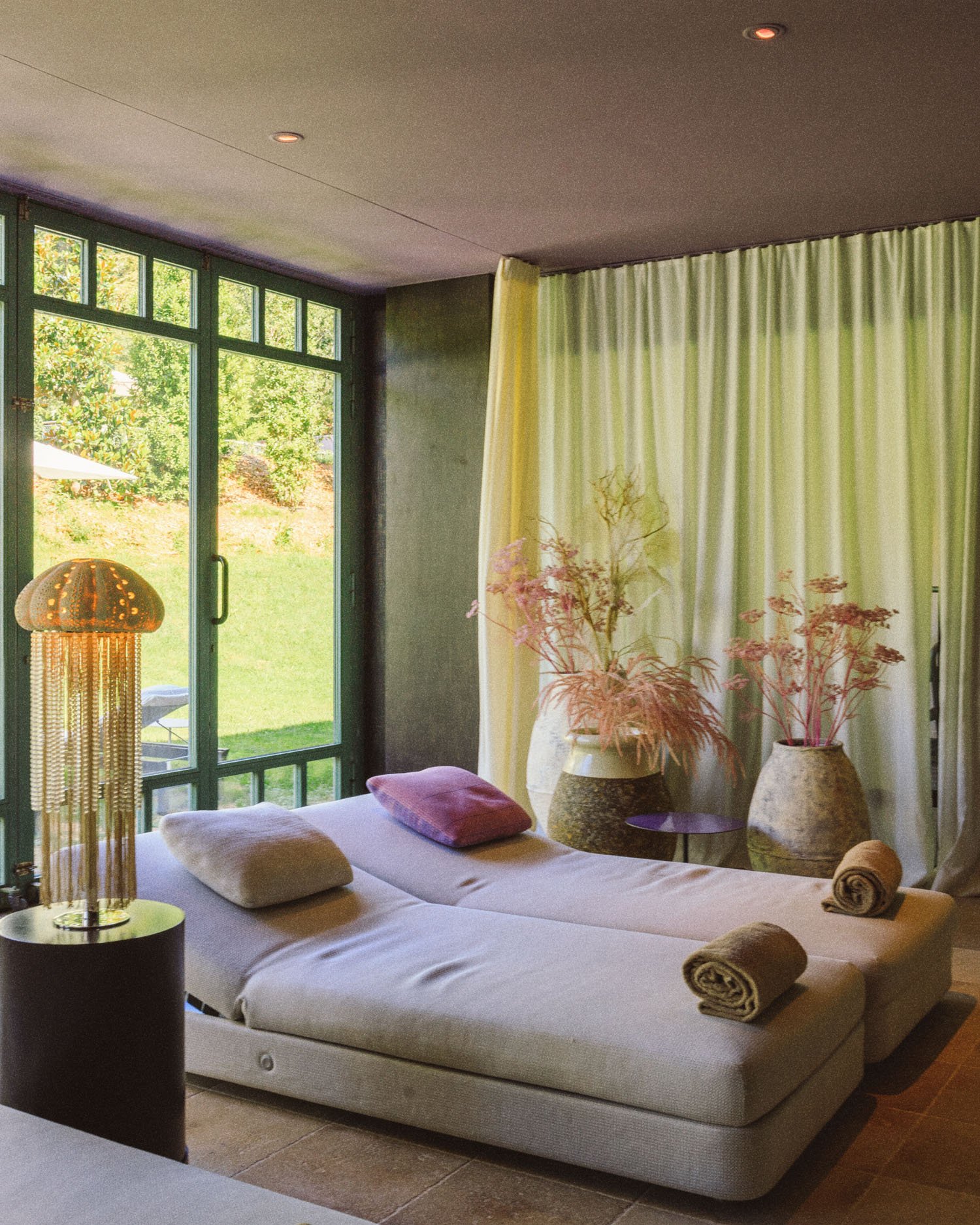
It is, admittedly, a rather more organised approach to wellbeing than my own plan of lying horizontally beside the lake.
But the philosophy is interesting. The point is not simply to emerge looking better after a few days away, but to understand what the body might actually need.
For a short stay, I preferred to borrow selectively from that world: a treatment, a swim, a hammam, a book on the terrace.
Wellness has developed an unfortunate tendency to become another form of productivity, complete with metrics, routines and new ways to feel that we are somehow falling behind.
La Réserve is at its best when it allows you to forget all of that.
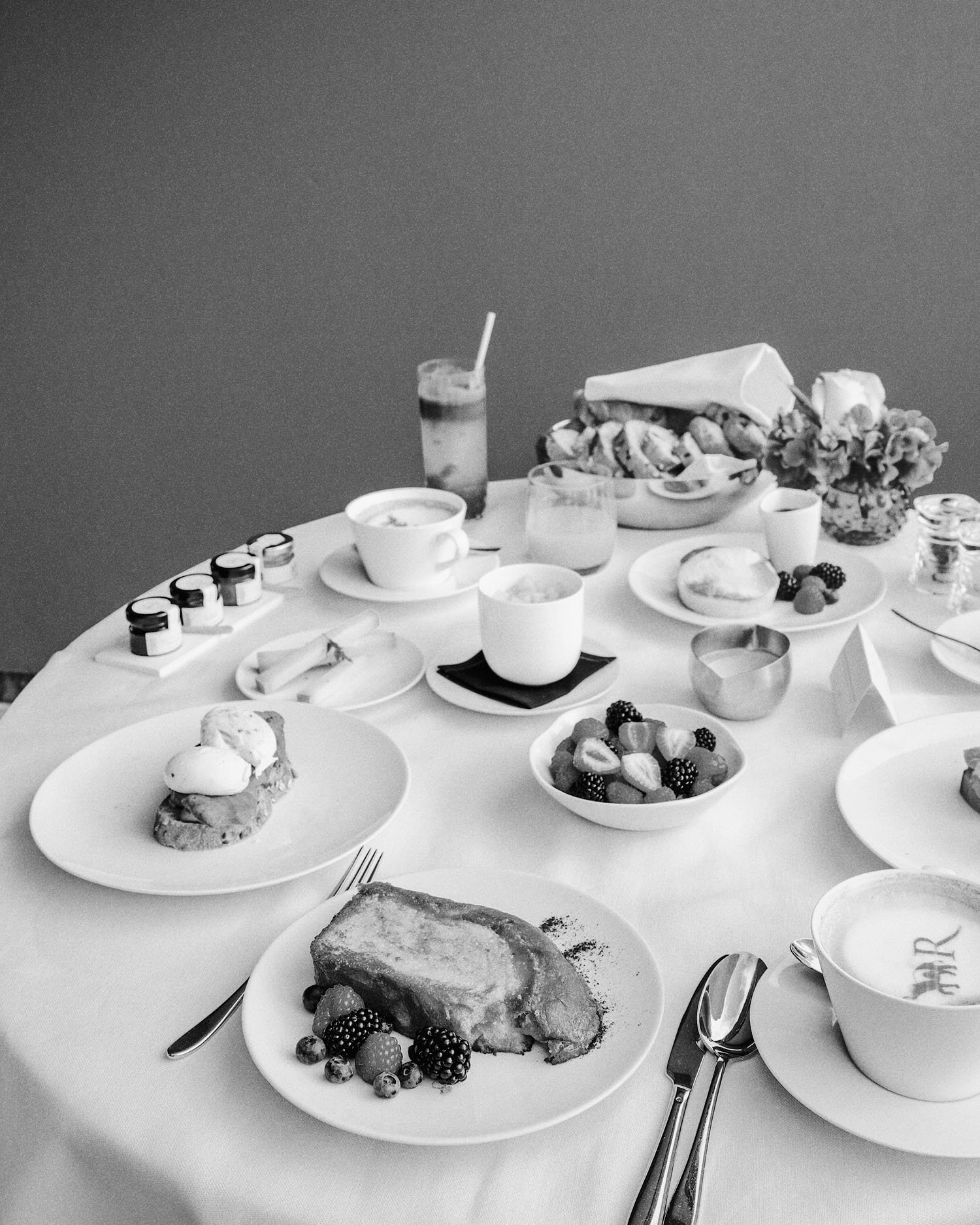
Breakfast became another exercise in doing less. The first morning, I went downstairs. By the second, ambition had already disappeared, and breakfast arrived at the room instead: coffee, pancakes, eggs Benedict, pastries and the lake beyond the trees.
There are more advanced longevity protocols, certainly.
But breakfast barefoot on a terrace remains surprisingly competitive.
That evening, dinner at Le Loti shifted the atmosphere again. Jacques Garcia’s interiors become lighter and more exotic, with foliage, ochres and blues creating something between a winter garden and the drawing room of someone who has travelled very well.
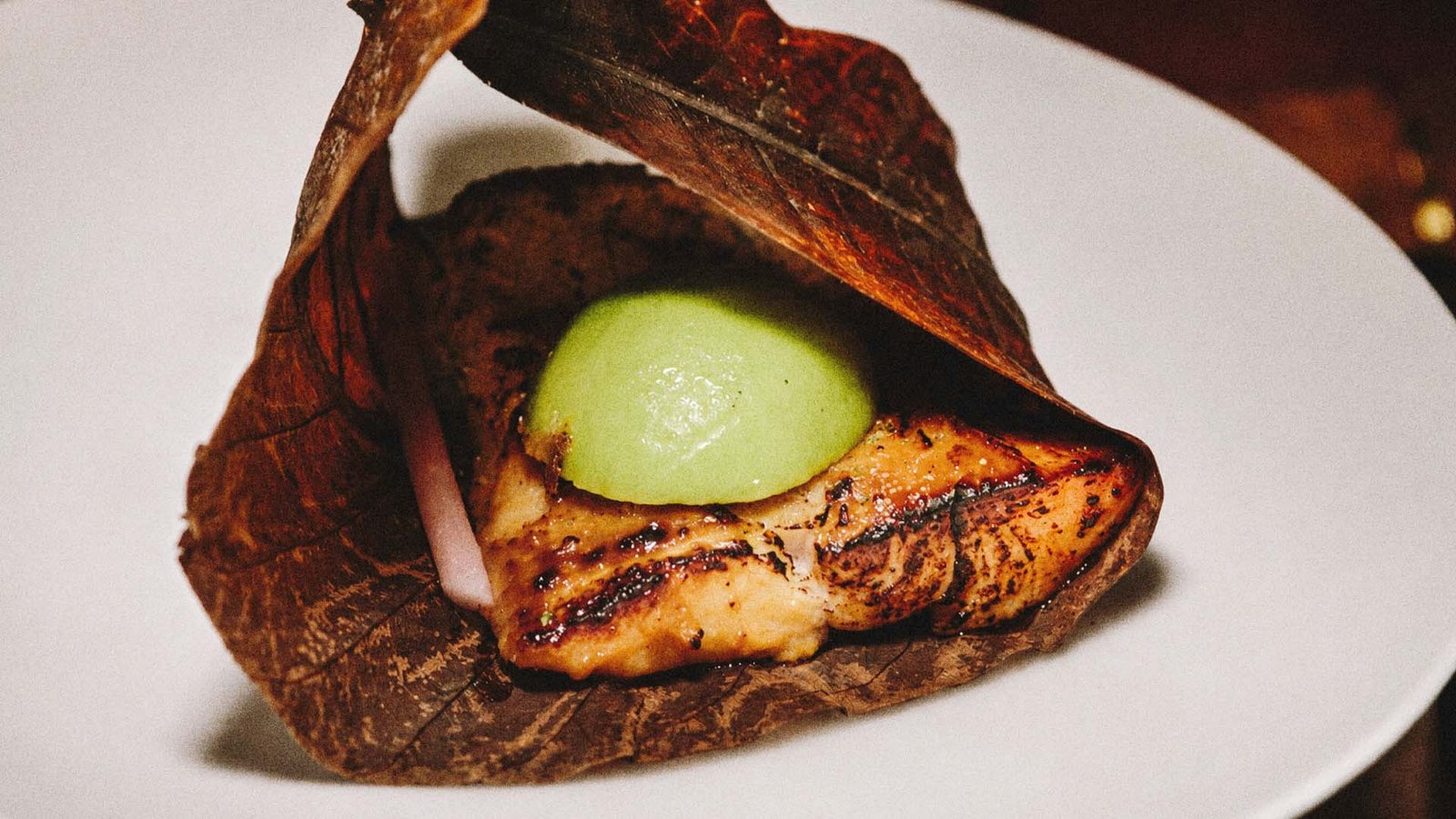
We began with stracciatella di bufala with truffle and grilled toast, followed by sea bream ceviche with truffle, soy and lime. Later came Japanese A5 Wagyu from Kagoshima and black cod with miso.
Not exactly the menu of a heroic detox.
Thankfully, nobody had promised one.
One of the most charming details at La Réserve is its complimentary summer boat service into central Geneva, available to guests by reservation. The journey transforms an otherwise ordinary transfer into something unexpectedly cinematic.
One afternoon, I took the boat into Geneva before continuing by train.
Destination: Lausanne.
The journey takes around 40 minutes, following the same lake that had shaped the previous days while gradually changing the perspective.
And with Lausanne came a different kind of conversation.
If La Réserve had been about atmosphere, space and allowing time to stretch, Zanzi Clinic introduced precision.
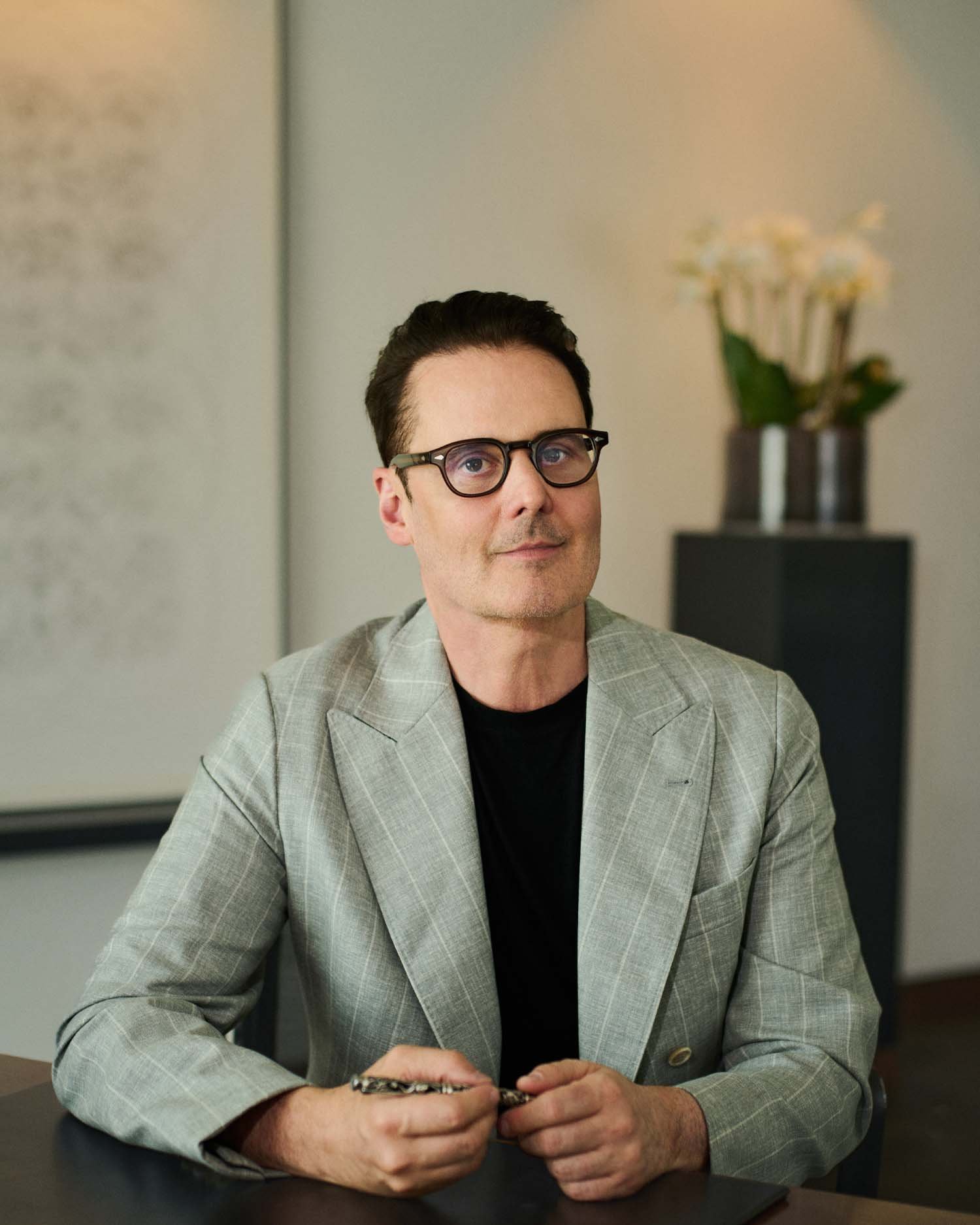
Located inside Lausanne’s Tour Bel-Air, the discreet clinic was founded by Dr Michele Zanzi, an FMH specialist in plastic, reconstructive and aesthetic surgery who trained in Lausanne, Switzerland and the United States and has worked in aesthetic medicine and surgery for more than two decades.
What interested me about the consultation was not so much the possibility of changing something, but the opportunity to ask whether anything actually needed changing.
Aesthetic medicine has become increasingly difficult to separate from consumer culture. There is always another injectable, machine, molecule or protocol suggesting that something previously unnoticed now requires correction. Spend enough time scrolling through beauty content and it becomes remarkably easy to acquire concerns you did not know you had.
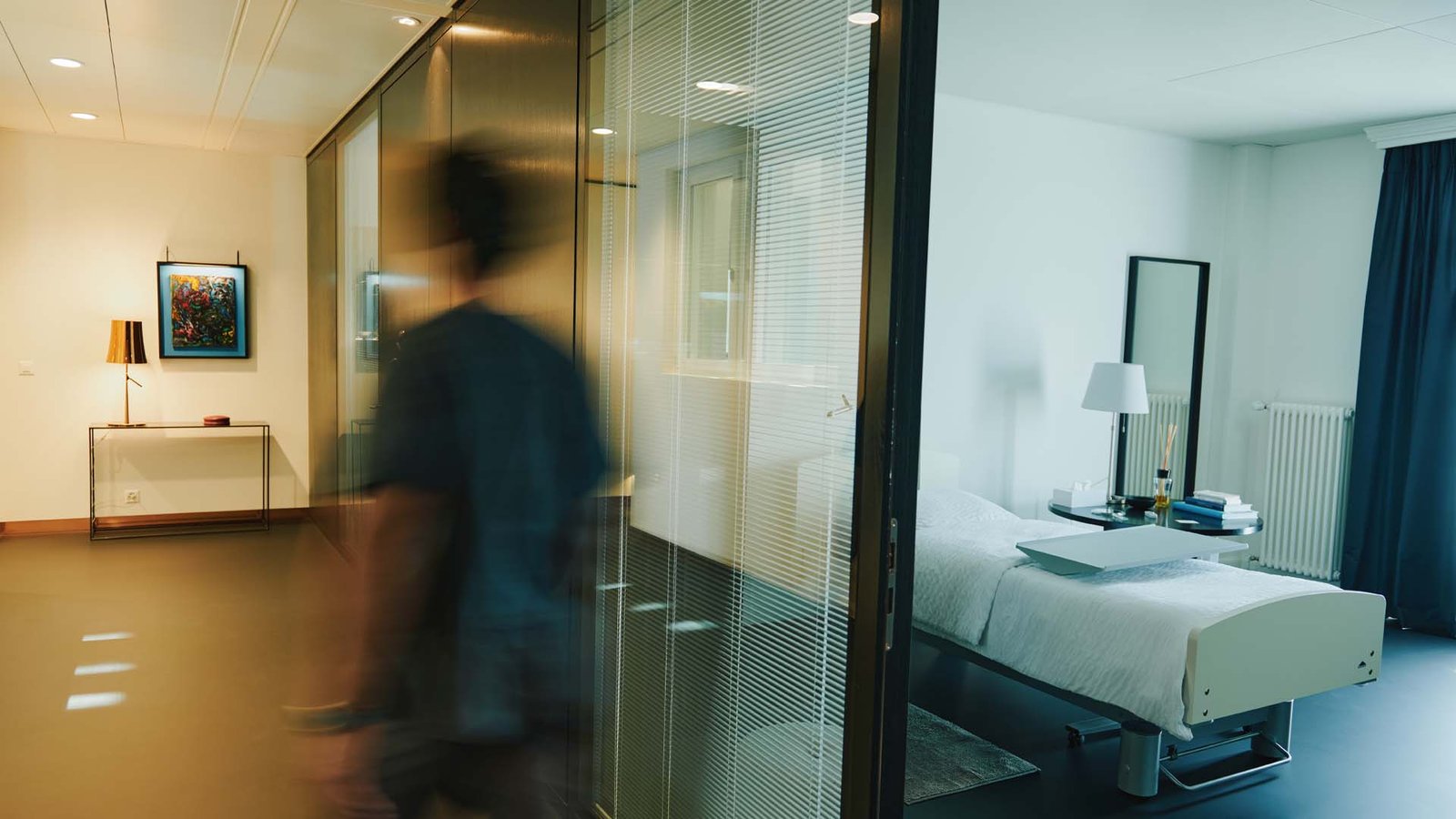
The consultation began somewhere more useful: with an assessment and a conversation about the skin.
After travel and summer sun, hydration was an obvious priority. We also discussed regenerative approaches such as exosomes, increasingly present in conversations around skin quality and recovery.
The science is evolving, which made the medical conversation itself feel more valuable than simply choosing whatever treatment happens to be fashionable.
By late afternoon, I was travelling back along the lake.
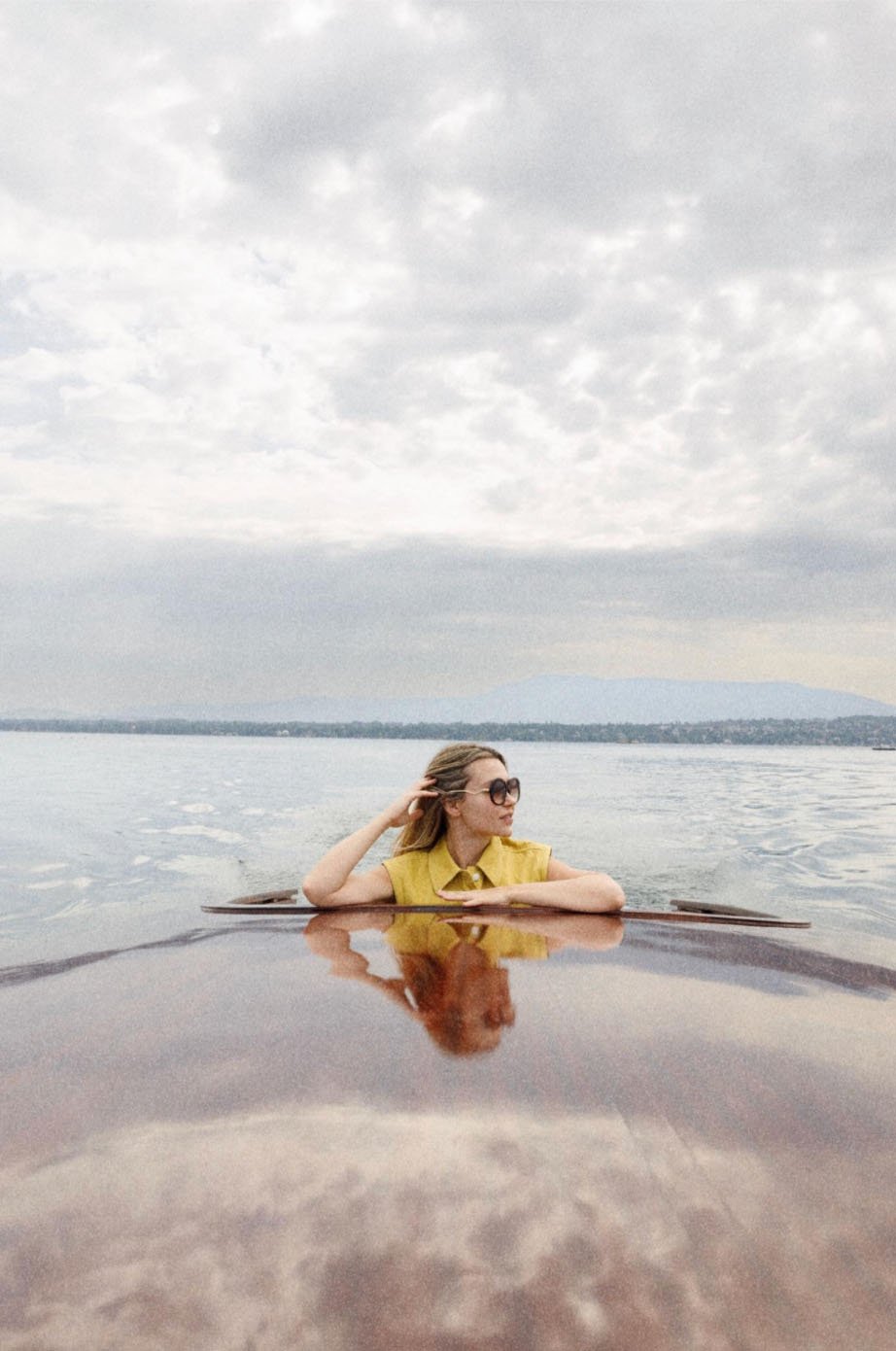
I returned to Paris without becoming a new person in 48 hours.
Nor did I particularly want to.
I was more rested. I understood my skin a little better. I had spent an unreasonable amount of time staring at Lake Geneva and discovered that travelling by wooden speedboat improves almost any day.
Perhaps that is the real luxury of a reset: not becoming someone else, but briefly having no reason to.
Sometimes doing less is enough.
images MARTA ROMASHINA
author MARTA ROMASHINA