
July 13, 2026
MY THEATRE by Dariia Bila: Where Everyday Life Becomes A Stage
Dariia Bila is a Ukrainian fashion designer whose creative journey began nearly two decades ago in theatre as a costume designer. Two years ago, she expanded her artistic universe with the launch of her own fashion brand, MY THEATRE by Dariia Bila.
Numéro Switzerland spoke with Dariia about her latest Collection No. 6, the evolution of MY THEATRE, and the creative journey that brought it to life.
ONCE UPON A DREAM
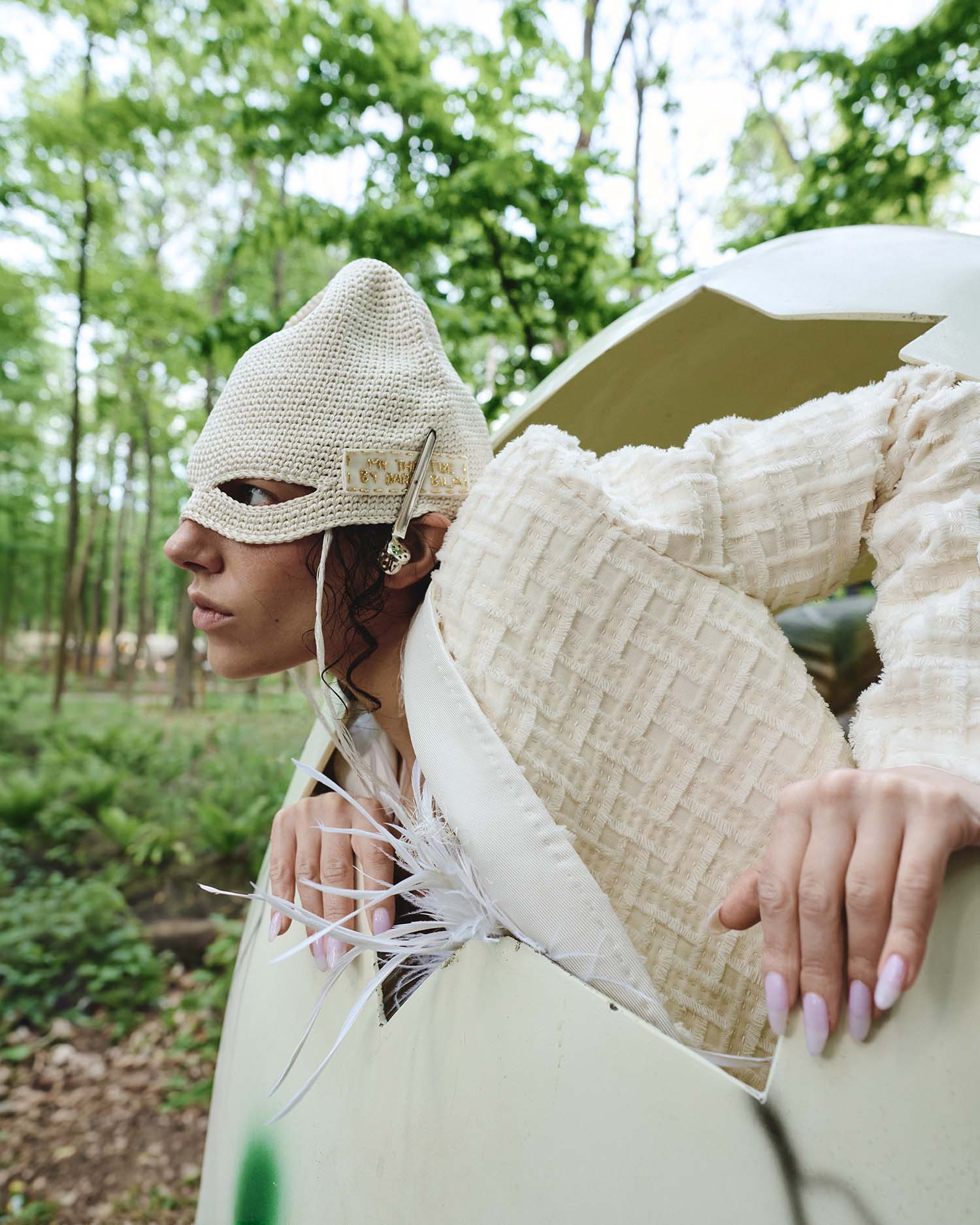
The Collection No. 6 was conceived while Dariia Bila was creating costumes for The Tales of Hoffmann. Inspired by the opera’s exploration of love, illusion and the inner world of a woman, it reflects on emotion, identity and the fragile boundary between what is real and what is imagined.
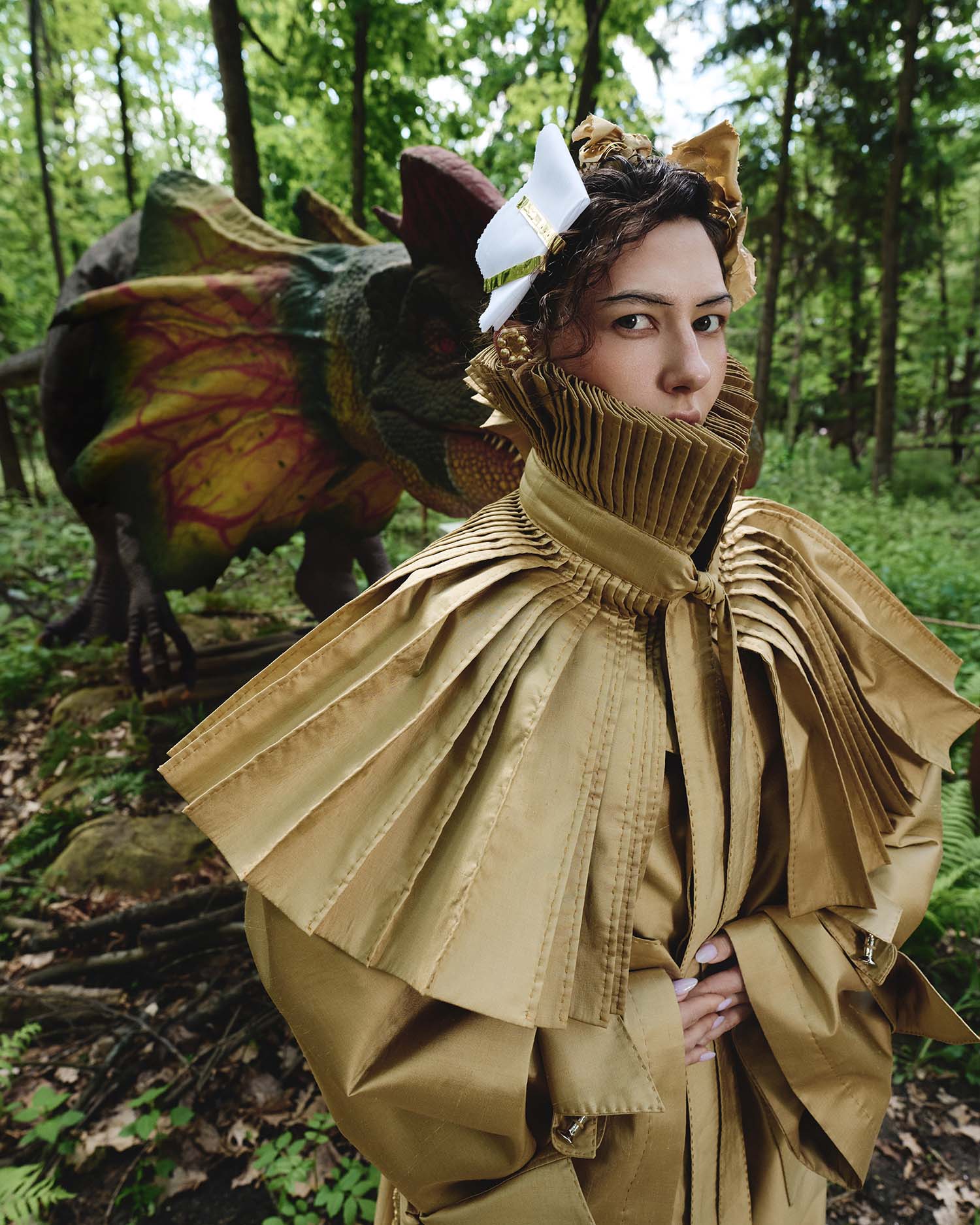
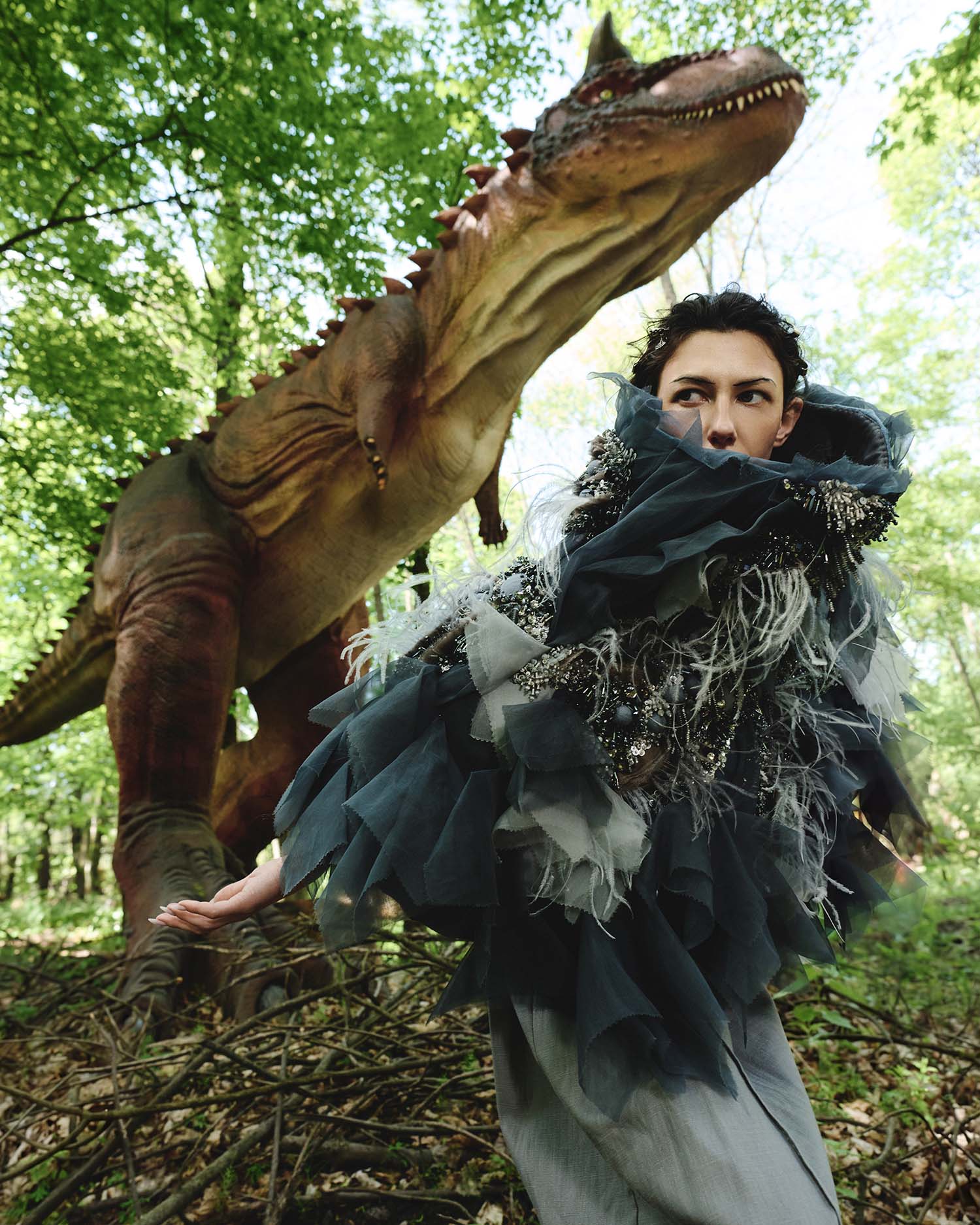
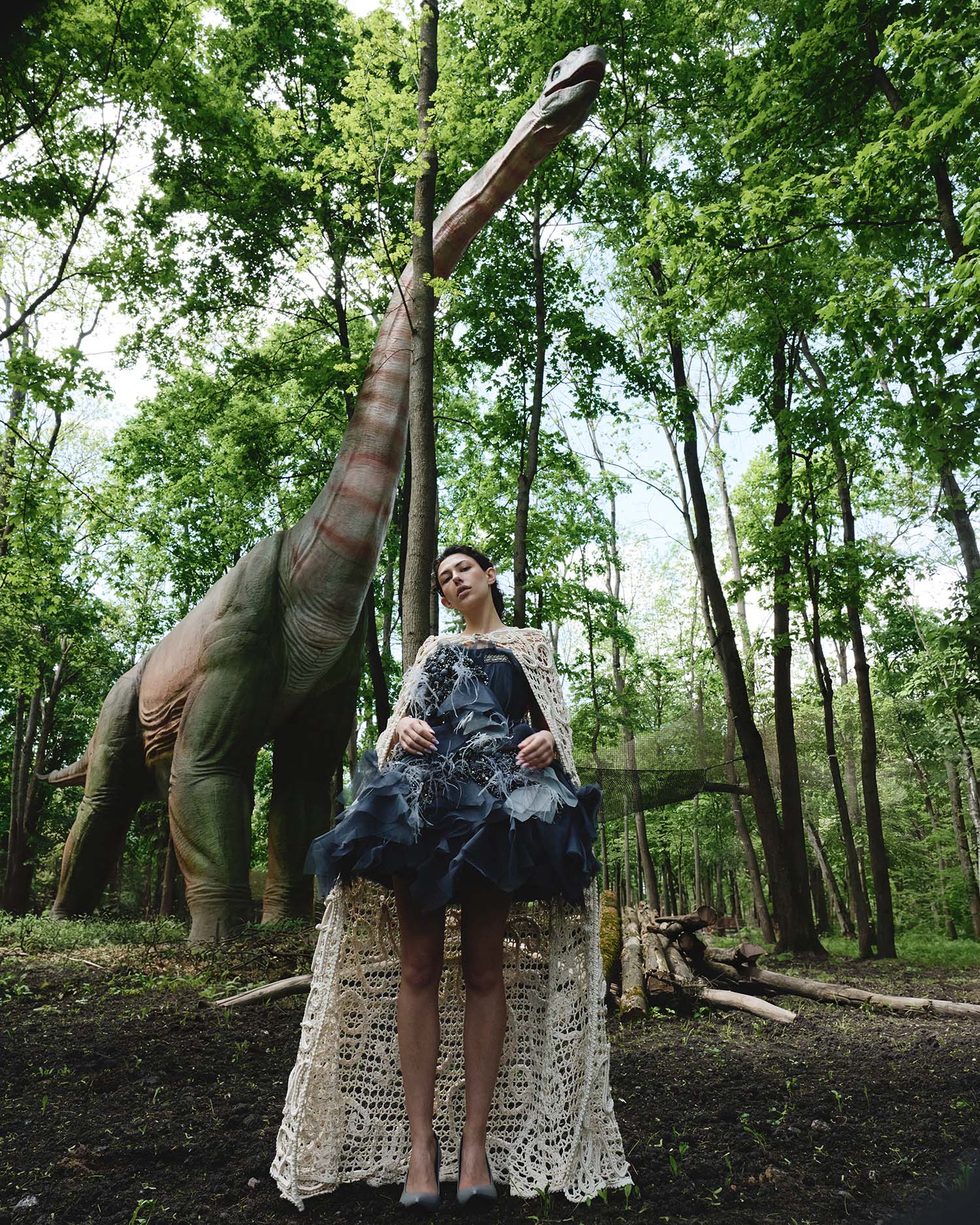
The photo story, Once Upon A Dream, brings us to an in-between space — somewhere between memory and imagination, reality and illusion.
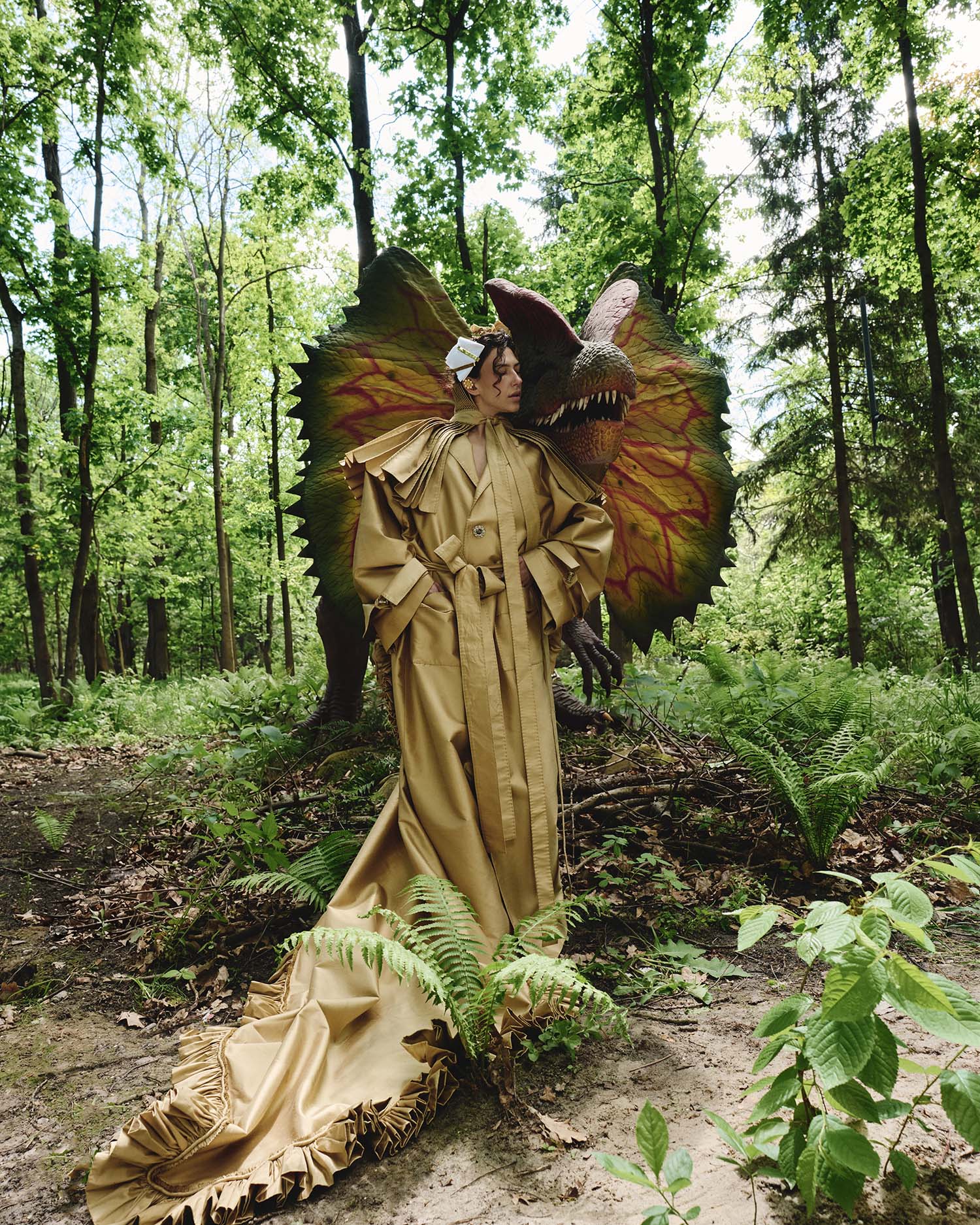
As children, we believe dreams are real. We meet extraordinary creatures that never frighten us. They appear quietly, as if they have always existed, becoming silent companions through a world where emotion matters more than logic.
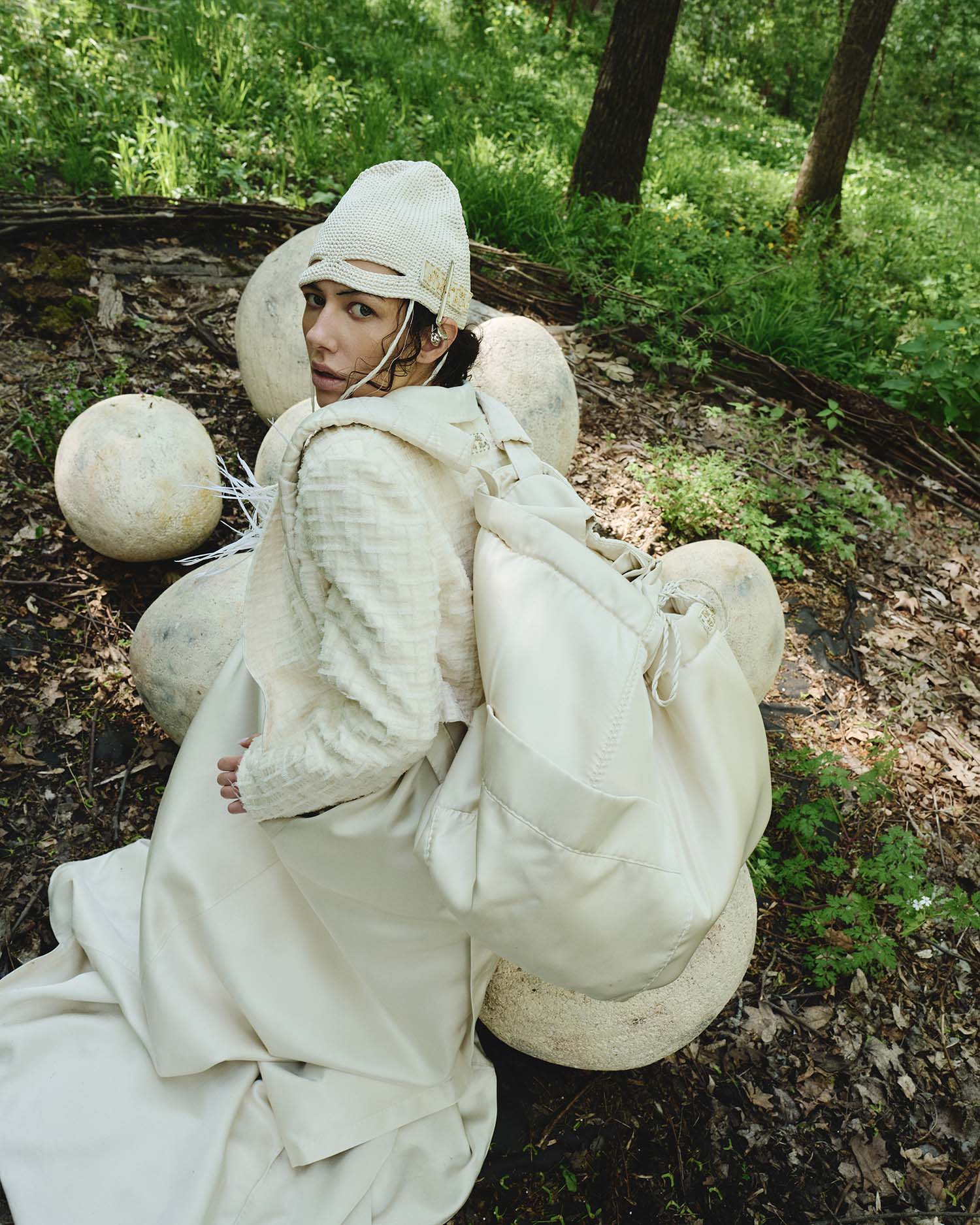
“This collection is about emotions and the search for identity. Above all, it is dedicated to hope. Because even after the darkest night, dawn always arrives.” — Dariia Bila
THE CREATIVE JOURNEY OF DARIIA BILA
Before MY THEATRE by Dariia Bila, you spent years creating costumes and visual worlds for theatre. Was there a particular moment when you realized that the images you were creating needed a life beyond the stage?
Yes. There was one very specific moment. While I was working on Cabaret, I realized that the visual world I had created didn’t have to end when the performance was over. It could continue to exist through clothing, beyond the stage and in everyday life. I’ve always loved creating things. Alongside my work in theatre, I also designed bespoke costumes for special events and competitions, and I truly enjoyed it. But everything changed during Cabaret. I realized how deeply I wanted to have my own atelier—a place where I could continue developing my ideas, bring them to life, and build a team around that creative process. At the same time, I understood something else. Theatre productions don’t happen every day, but I wanted to create every single day. I wanted my atelier to be filled with the energy of creation every day, not just between productions. The periods between productions always felt emotionally unsettling because, suddenly, there was nothing to create. That’s when I realized I needed to build my own brand.
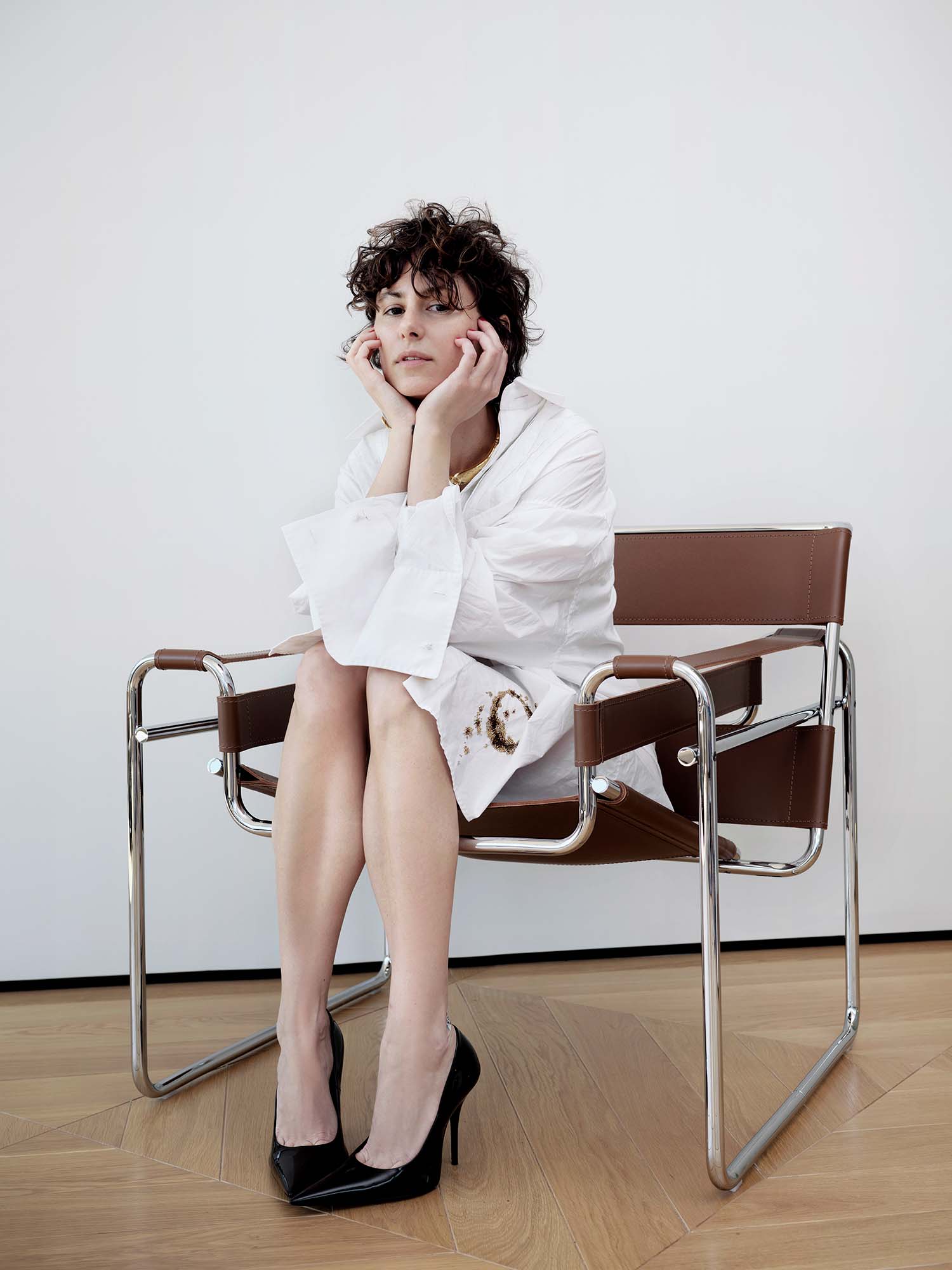
Dariia Bila, the founder of MY THEATRE by Dariia Bila
My brand became my everyday creative practice, while theatre productions would continue to come into my life whenever the right project came along. From that moment, it was no longer just an idea—it became a decision. I knew I wanted my own atelier, my own creative space, and a life where making things was part of every single day. Together with the small team I had at the time, we began asking ourselves what that brand could become. The answer felt surprisingly simple. Everything I truly love creating is connected to theatre in one way or another. We decided not to look at what everyone else was doing or worry about whether it was commercially right. Instead, we chose to create what felt completely natural to me—a theatrical world that could exist beyond the stage and become part of everyday life. That’s how MY THEATRE was born. The very first collection was dedicated to Cabaret. It was an incredibly emotional experience, but at the same time it felt strangely inevitable. There was no sense of surprise—only the feeling that everything had fallen exactly into place. It felt like I had finally found where I truly belonged.
For readers discovering MY THEATRE for the first time, how would you describe the essence of the brand in a single sentence?
MY THEATRE is where theatre, art, and fashion come together to create theatrical worlds beyond the stage.
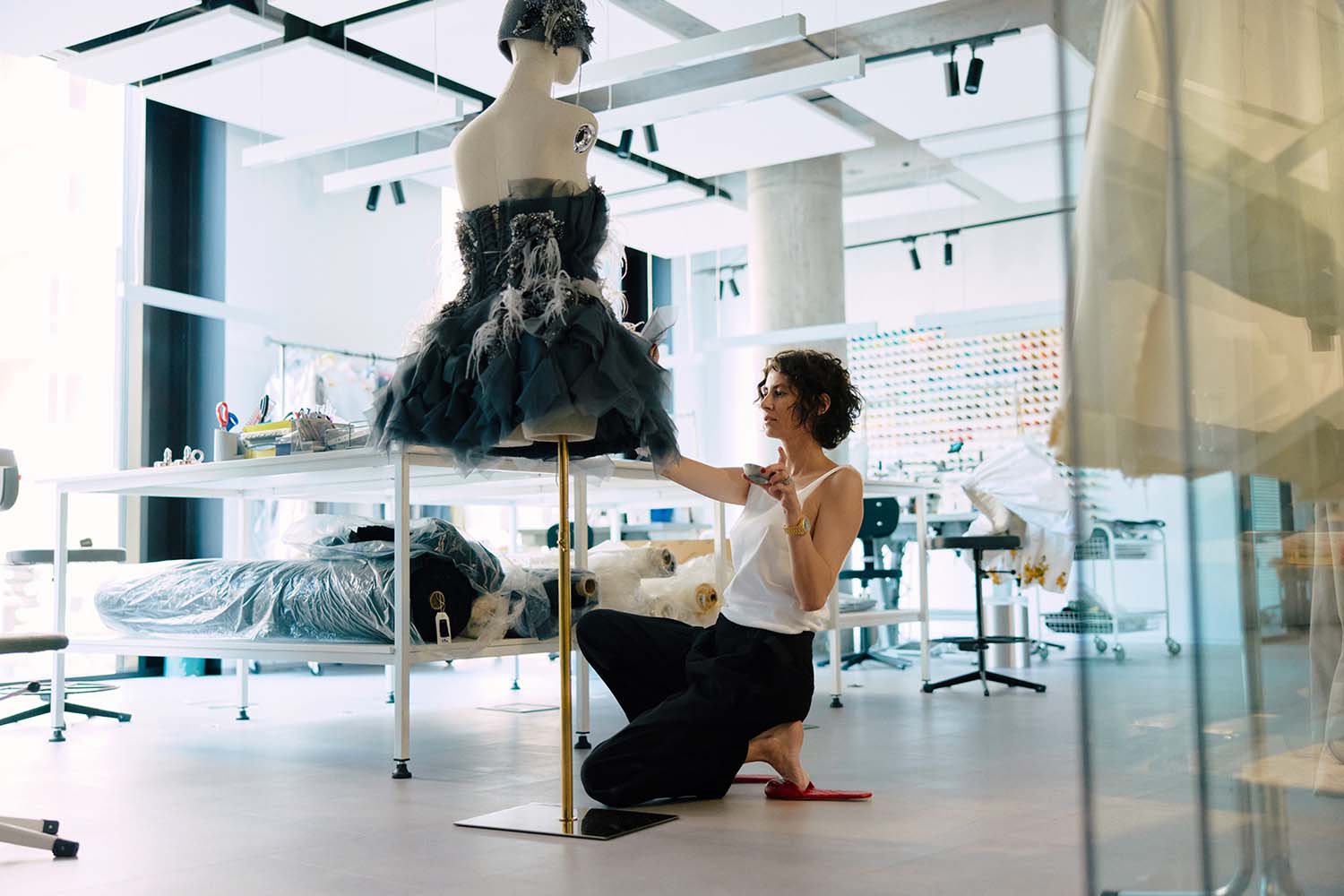
One of the ideas behind MY THEATRE is giving women the opportunity to try on different roles. What fascinates you about the relationship between clothing and identity?
What fascinates me is that clothing allows us to explore different parts of ourselves without ever losing who we are. It gives us permission to feel every emotion and inhabit every state of mind while remaining honest with ourselves—the freedom to look, feel, and be exactly who we choose to be.
How does a role become a silhouette?
Everything begins with a feeling. When I’m creating for theatre, it’s always the result of a deep collaboration—with the director, the text, the music, and the actors. For me, a costume is never just clothing. It’s never simply a dress, a skirt, or a pair of trousers. It’s a character. I never create garments simply to dress someone—I create them to reveal a character. That’s why precision is so important. Everyone involved has to share the same vision. We have to feel one another, to understand one another, and trust the same creative instinct. Only then can a role become a silhouette.
In theatre, a costume helps an actor step into a character. What happens when theatrical imagery is liberated from performance and translated into clothes for real women?
That’s where MY THEATRE by Dariia Bila comes to life—where theatrical imagery becomes something a woman can truly live in.
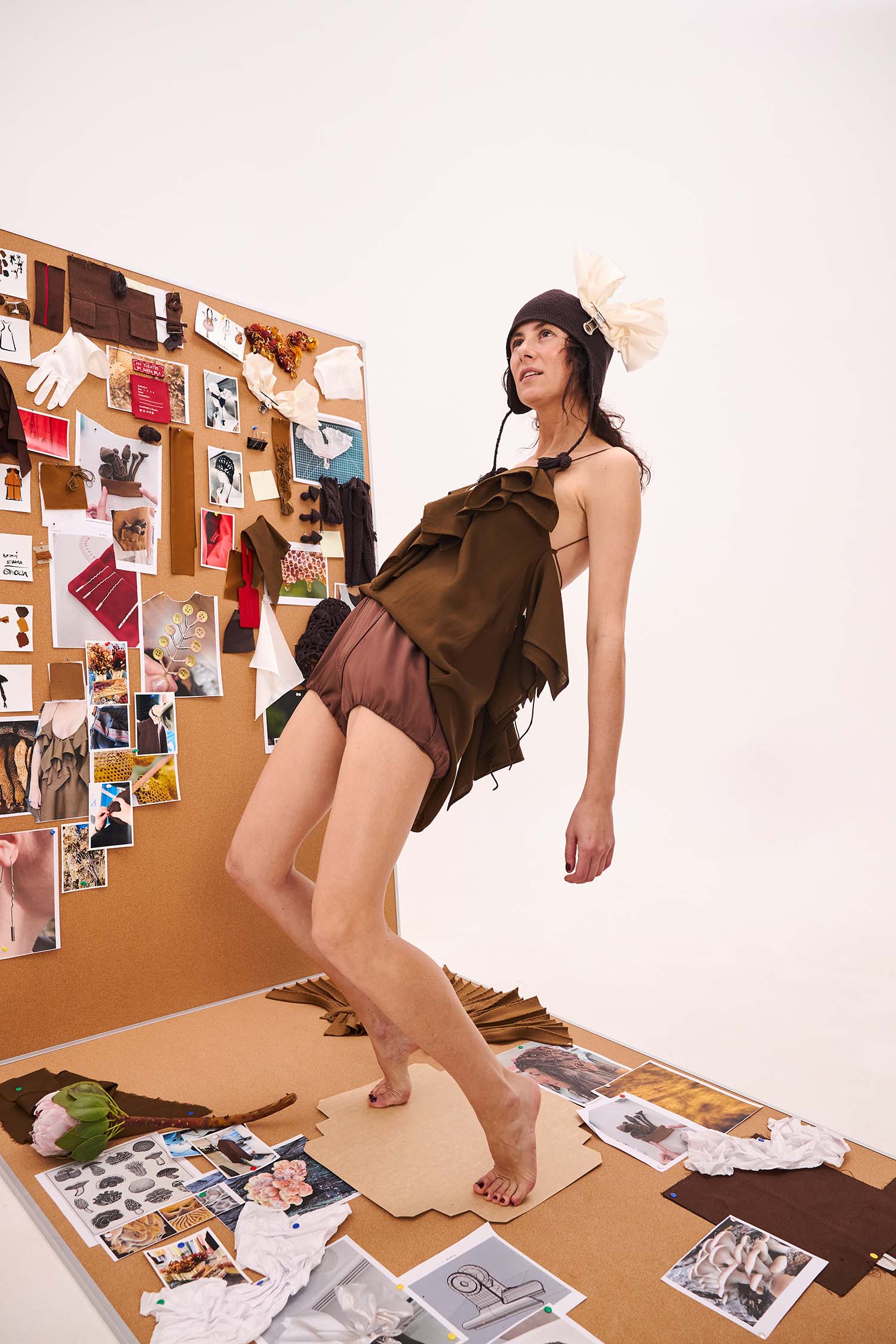
Who is the woman of MY THEATRE by Dariia Bila?
It’s someone who sees beauty in the details—someone who is curious about the world around them and truly appreciates craftsmanship. For them, beauty isn’t only about appearance, silhouette, or texture. It’s also about the quality of the fabric, the level of craftsmanship, and the care behind every detail. Although the question says “woman,” I actually design for men as well. Many of my pieces are designed to be worn by anyone, so it’s really about a person rather than a gender. It’s someone looking for something deeper than fashion—someone searching for emotion, meaning, and craftsmanship in what they wear.
What was the hardest part of deciding that your own vision deserved a company around it?
By the time I reached that point, there was no hesitation left. It was no longer a difficult decision—it was a moment of complete clarity. I knew, without any doubt, that I was going to build my own brand.
Your background spans scenography, costume design, illustration, and fashion. How does your understanding of space, movement, and performance influence the way you design clothes?
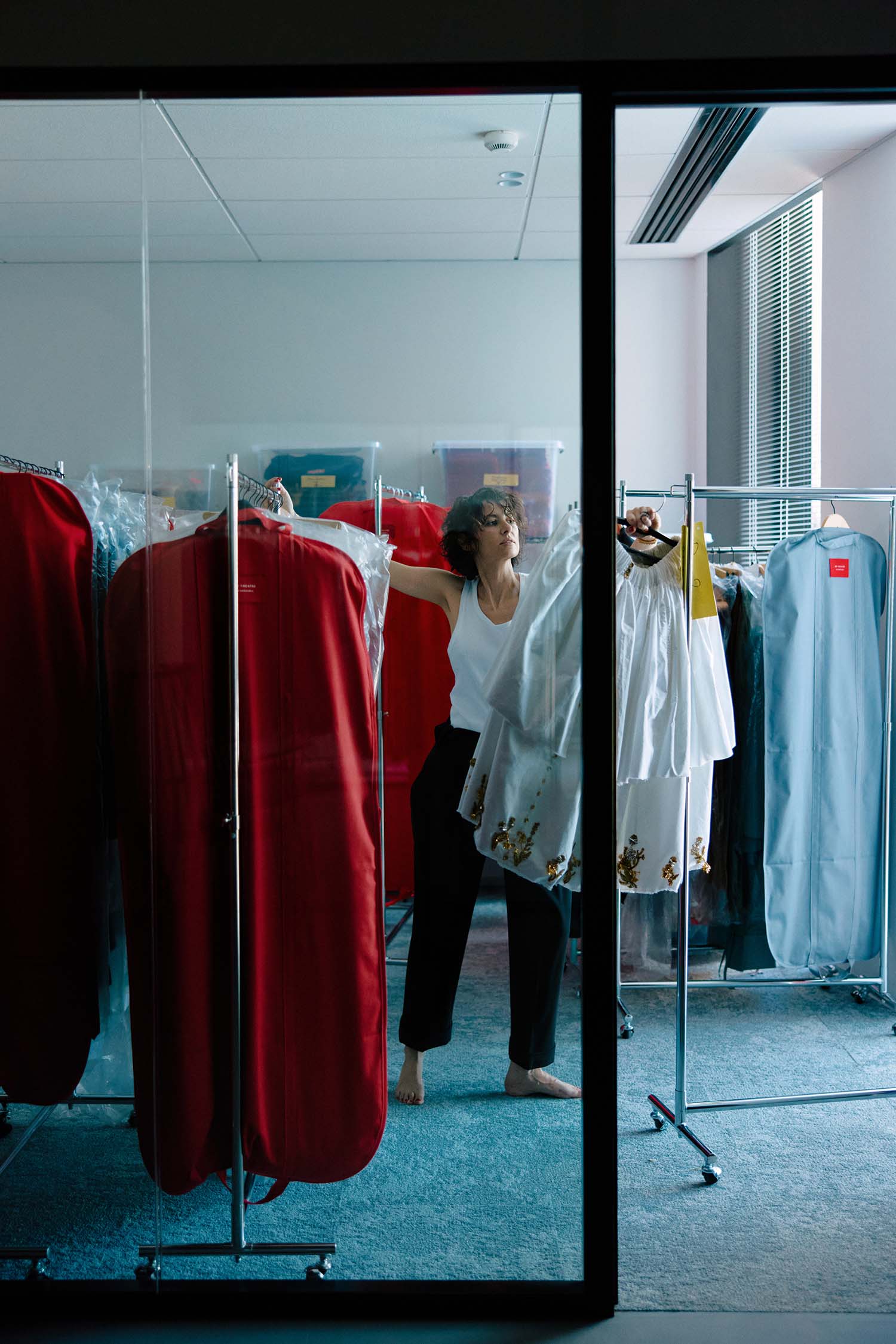
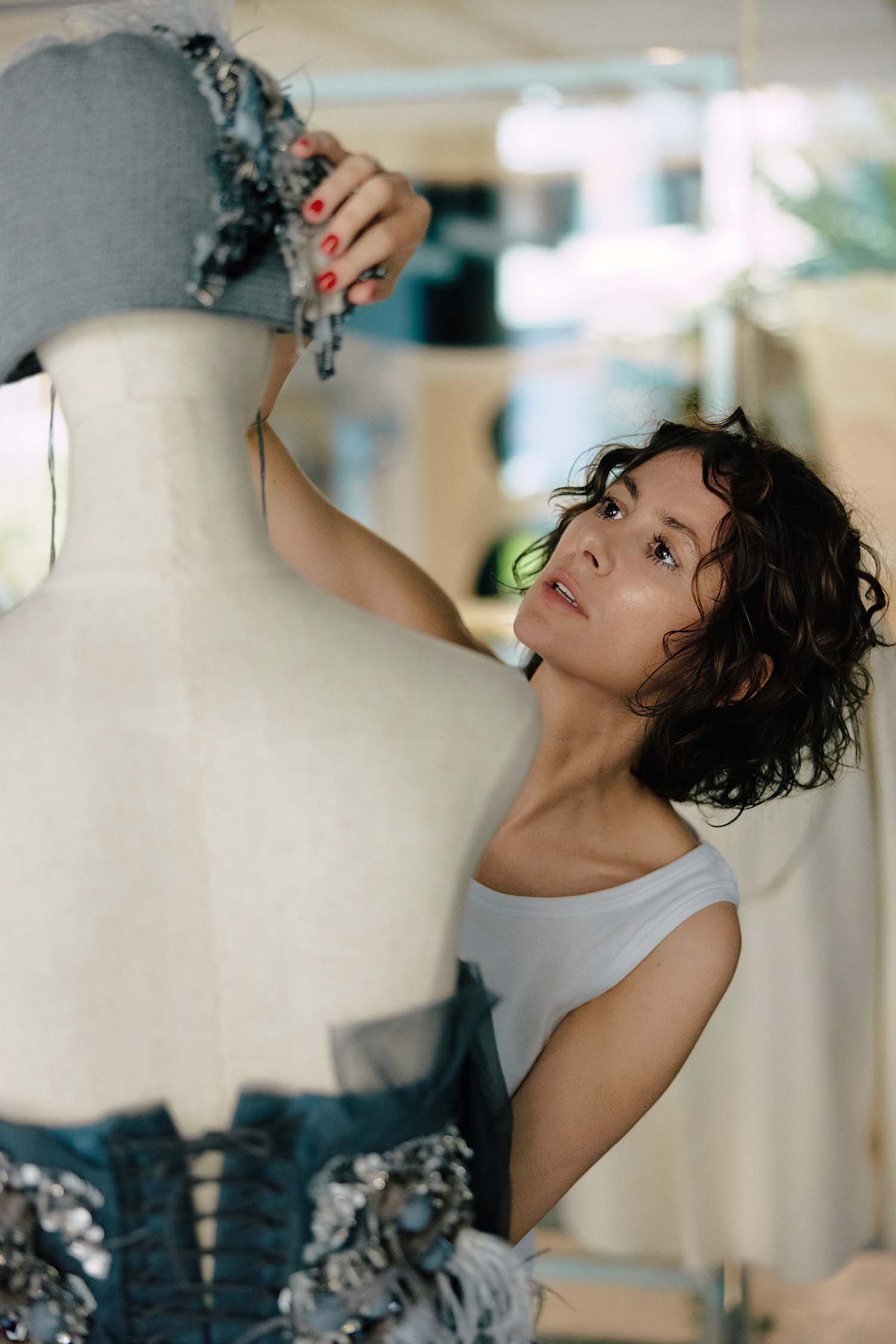
For me, fashion has never been about simply designing clothes. I’m always creating a complete world. Clothing is only one part of it. There are the accessories, the shoes, the styling, and the scenography surrounding the collection—whether it’s for a campaign or the space where the pieces are presented. I don’t separate clothing from the space it inhabits or the way it moves with the body. They’re all part of the same story. I always think in terms of a complete visual world. Sometimes I begin by imagining a hairstyle, and from there the whole collection starts to unfold. It’s never about an individual garment; it’s always about creating a complete vision. That’s something theatre taught me. In theatre, you always begin with an idea that truly moves you—something you can hold onto, something you can feel. Everything else grows naturally from that first emotion.
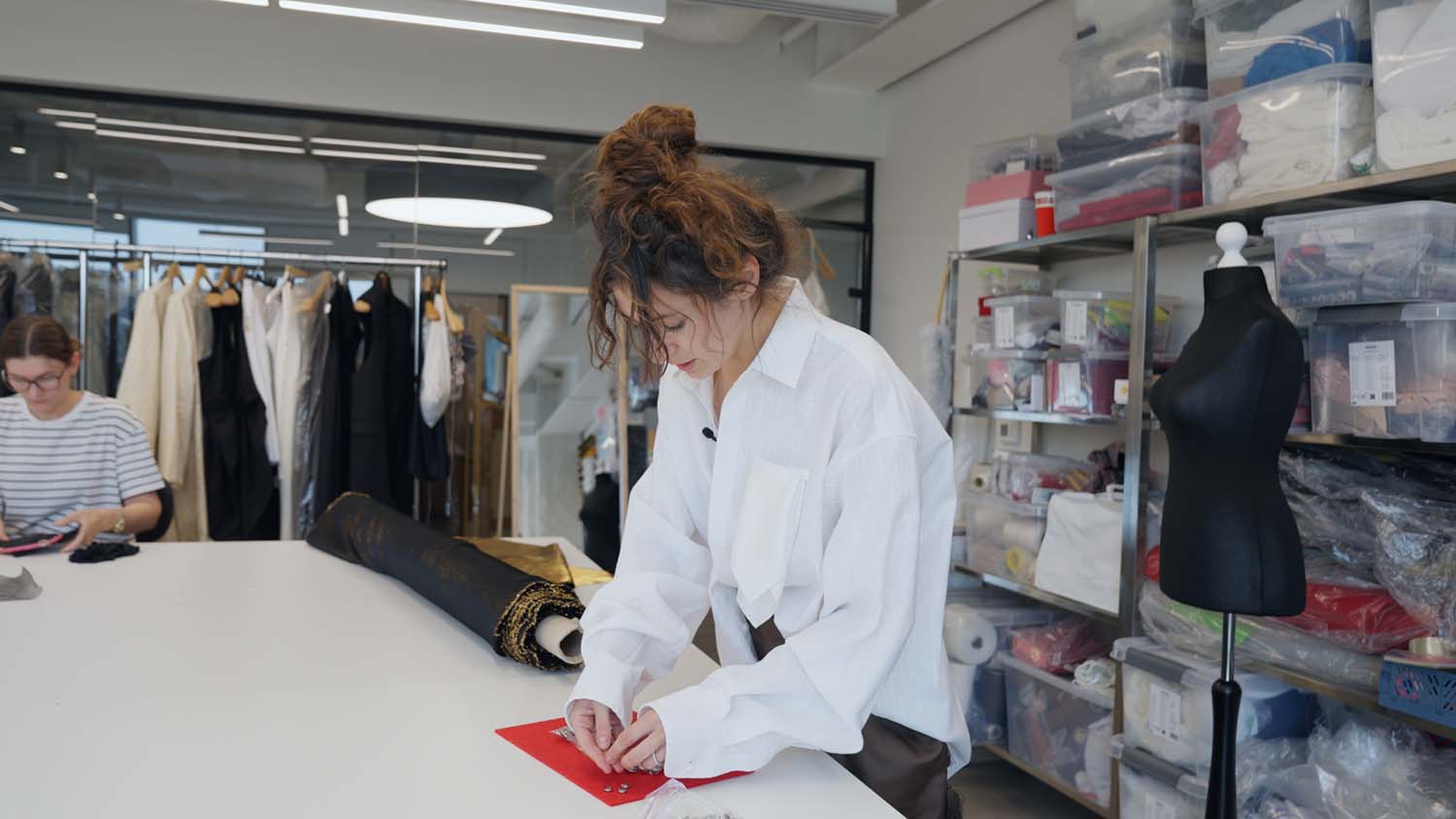
When you begin a new collection, how do you approach the creative process? What does the research phase look like, and where do you usually search for inspiration?
It’s always different. Sometimes I’ve just finished working on a theatre production, and that experience becomes the starting point for an entire collection. Other times, it’s simply my own emotions that determine the direction of what I want to express.
I don’t really begin with research in the traditional sense. I begin with a feeling. Inspiration can come from anywhere—a theatre production, a painting, a piece of music, a historical costume, or simply an emotion I can’t let go of. Once I understand that feeling, I naturally start collecting references, colours, textures, fabrics, and images that belong to that world.
The idea is always the most important part for me. I need to understand what the collection feels like, what it’s trying to say, and what emotion it carries. If I can’t feel the idea, I find it very difficult to create.
Looking back at the early days of the brand, how has it evolved since then?
In reality, my brand is only two years old, and we’re about to present our seventh collection. I don’t know whether that’s a lot or a little. To me, it feels as though the brand has always existed. I can hardly remember a time when it wasn’t part of me. Of course, we continue to evolve. I evolve, my team evolves, and together we’re getting closer and closer to the essence of what I truly want MY THEATRE to be. The first collections were driven much more by instinct. With each new collection, the work has become more thoughtful, more refined, and more intentional. New categories continue to emerge within the brand, and I keep experimenting—with fabrics, techniques, craftsmanship, and new ways of expressing an idea. I don’t think that process will ever stop. I hope the brand will continue to grow, evolve, and surprise me for many years to come.
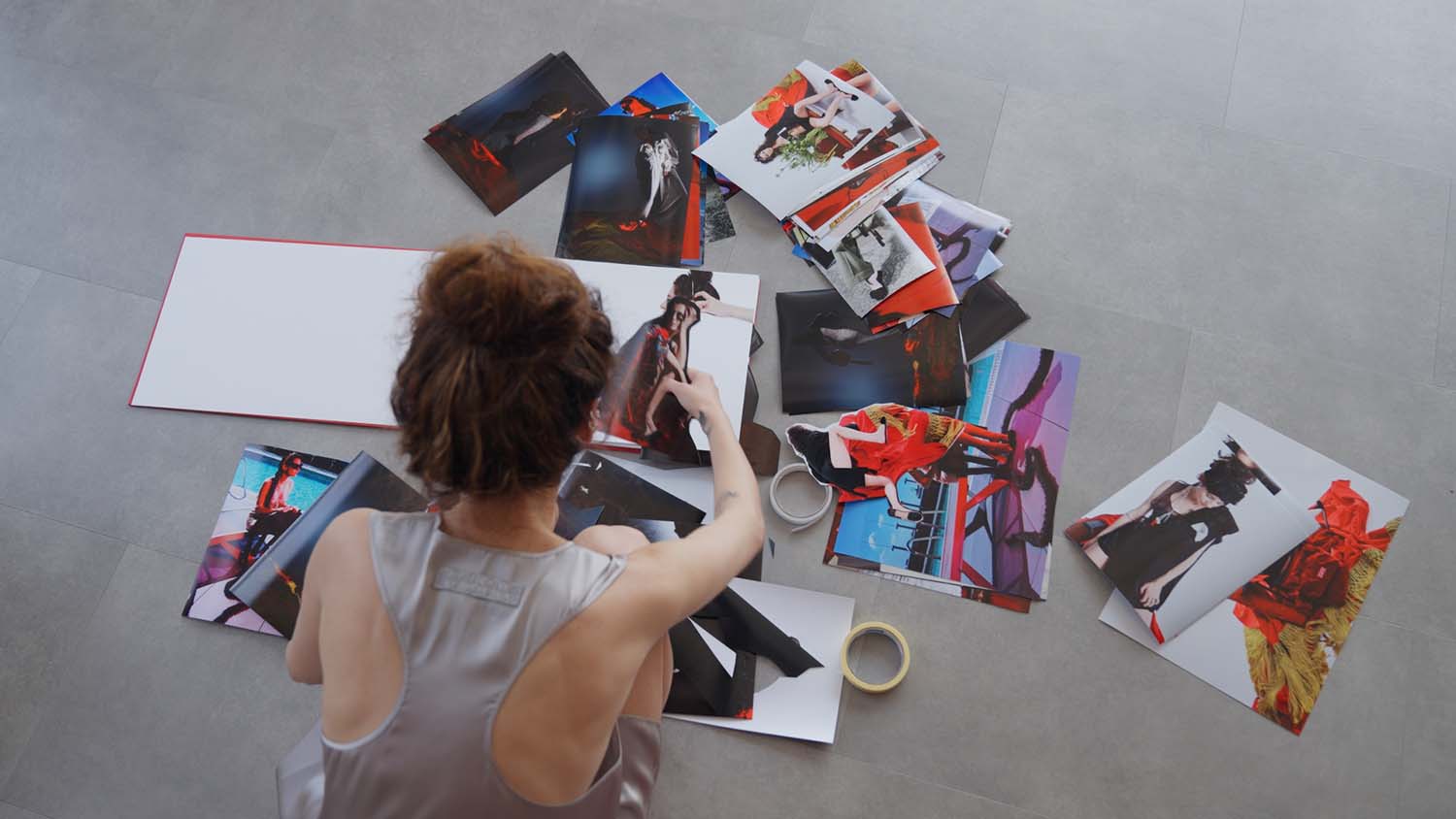
Are your collections still connected to theatre productions, dramaturgy, and stage imagery, or has the source of inspiration evolved over time?
My work in theatre and my brand are deeply connected because, at their core, they’re both about creating worlds and characters. Right now, I’m in a very active period of my theatrical career, which makes me incredibly happy and inspires me every day. Being surrounded by music, rehearsals, actors, and directors inevitably shapes the way I think and create. That influence isn’t always literal, but it’s always present. It reveals itself in the textures, colours, materials, the richness of the imagery, and the atmosphere each collection carries. Sometimes a collection grows directly out of a production I’m working on; sometimes it takes shape in a completely different way. Theatre isn’t my only source of inspiration, but it will always be part of my creative language. Whatever happens on stage inevitably finds its way into the world I create through MY THEATRE.
Theatre naturally embraces drama and exaggeration. How do you decide when drama strengthens a garment and when it begins to overpower it?
I don’t really think about drama in those terms. I never ask myself whether something is “too much.” I only ask whether it feels honest. When I’m creating, I try not to impose limits on myself. I simply try to create what I truly feel. The only real limitations come from practical realities. Sometimes it’s impossible to find the exact fabric I imagine or to make a piece exactly the way I see it in my mind. That can be frustrating. But theatre has taught me something incredibly valuable: there’s always another way to realize an idea. It taught me to keep searching, to adapt, and to find creative solutions without compromising the essence of what I want to express. For me, drama only becomes too much when it no longer serves the idea.
Ukraine has a rich theatrical, musical, literary, and visual heritage. How do Ukrainian theatre, mythology, dramaturgy, music, and costume history enter the construction of an image?
For me, it begins with understanding who you are and feeling connected to your own identity. Today, more and more Ukrainian designers are rediscovering our cultural heritage, and I think that’s a very important and meaningful process. In my own work, these references are never literal. I’m not trying to recreate a traditional costume. I’m interested in translating its spirit into a contemporary language. One example is the dress featuring the Ukrainian alphabet, or the hand-knitted cape woven with its letters. In both pieces, the alphabet stopped being simply a system of writing and became a visual language—a part of the garment’s identity. MY THEATRE isn’t about reproducing Ukrainian tradition. It’s about carrying its spirit into something new. Whether it’s knitting, textile techniques inspired by embroidery, or fabrics that evoke traditional weaving, these influences naturally find their way into my work. For me, they live not in symbols, but in craftsmanship, patience, and the belief that every detail matters. That feels deeply connected to Ukrainian culture, and it naturally lives within my brand.
What is the first signal that tells you a collection has found its world?
I think a collection has found its world when it begins to exist independently of me. When every piece naturally belongs together and I no longer question its direction, I know it’s complete. The greatest reward comes later, when someone chooses to make that world part of their own life. Seeing a person connect with a piece I’ve created is the clearest confirmation that it has found its place beyond my imagination.
Looking ahead, what new worlds are you most excited to create through MY THEATRE by Dariia Bila?
More than anything, I hope I always have the freedom to create without limitations. I want to follow my instincts and create exactly as I feel, without losing my curiosity or my sense of discovery. I don’t know yet what those new worlds will look like—and I think that’s the most exciting part. Above all, I hope I never lose the desire to create.
Interview by ANNA TISCHE